
VAPE FAQs
What Do You Inhale When You Vape?
Jun
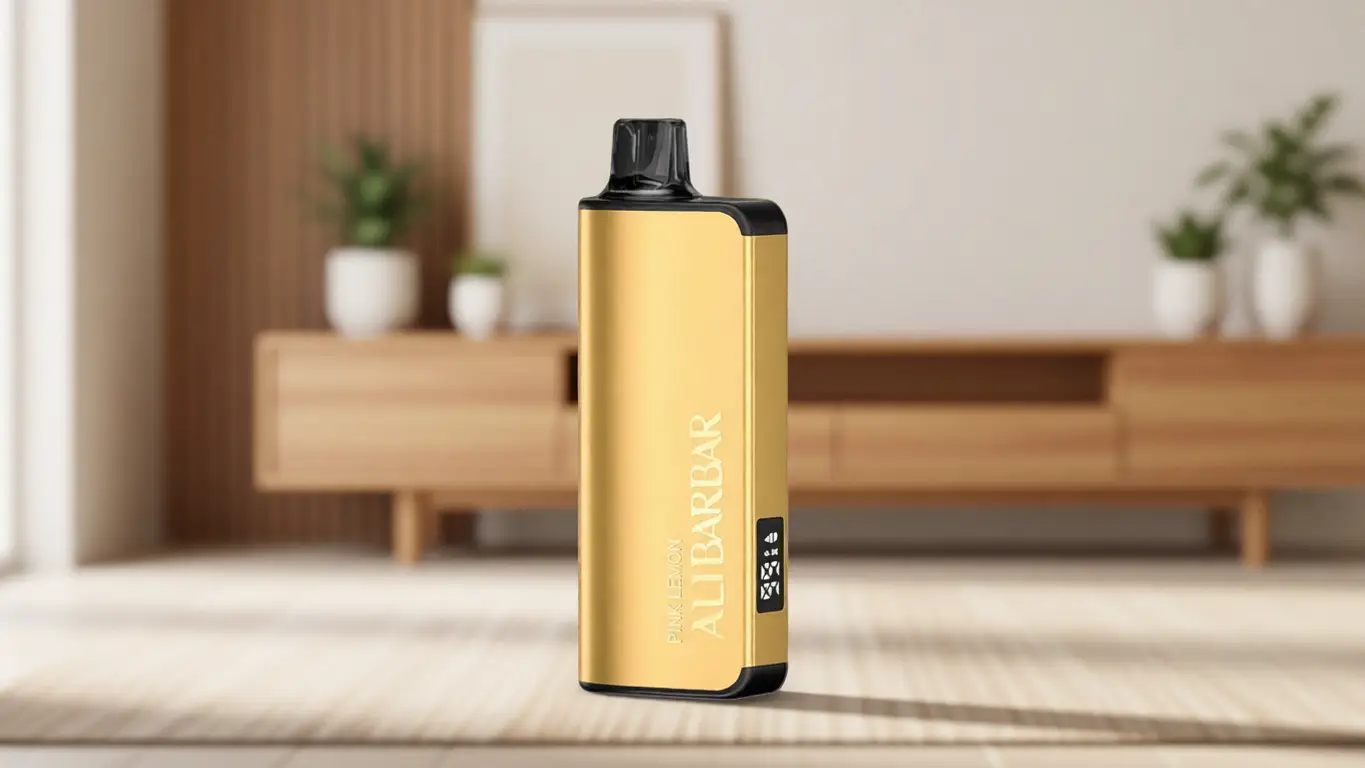
When you draw on a personal electronic device, you’re not inhaling smoke, and you’re certainly not inhaling pure water vapour. The visible cloud is an aerosol — a suspension of fine liquid droplets, formed the moment e‑liquid meets a heated surface. Yet the exact composition of that aerosol, and whether it remains true to the liquid’s original formulation, hinges on a chain of engineering decisions that most users never see. Poorly regulated temperature, low‑grade coil materials, or a battery that fades unevenly can transform what leaves the mouthpiece into something quite different from what the manufacturer intended. This article is a senior analyst’s breakdown of the real‑world factors that determine what you inhale, built on observable device behaviour rather than promotional claims. For those who prefer to evaluate products backed by transparent specifications and factory‑certified sourcing, OZVAPE Shop offers the ALIBARBAR range, a family of devices engineered around the very principles discussed here.
Understanding What Matters: The Engineering Behind What You Inhale
At the centre of every device sits a heating element, and its behaviour dictates more than just warmth. The following four factors are the ones that actually separate an aerosol you can trust from one you can’t.
Internal Architecture and Output Consistency
Modern devices use either traditional round‑wire coils or a mesh‑based heating element. Mesh — essentially a fine metal screen — spreads thermal energy across a larger surface area, avoiding the “hot spots” that plague simple wire coils. Why this matters: when part of a coil overheats, the e‑liquid doesn’t just vaporise; it begins to thermally decompose. Propylene glycol and vegetable glycerin, the two base carriers, can degrade above roughly 250 °C into compounds like formaldehyde and acetaldehyde. A mesh architecture, particularly a dual‑mesh design, maintains a narrower, safer temperature band through the entire draw, dramatically reducing the likelihood of that acrid, burnt taste that signals unwanted chemistry. If you’ve ever experienced a device that tasted clean for the first few days and then turned harsh, you’ve witnessed internal architecture failure — not the liquid going bad, but the coil performance shifting.
Power Management and Status Transparency
A consistent aerosol requires consistent power. Many devices rely on the battery’s raw voltage, which starts high and steadily drops. As the voltage sags, the coil runs cooler, producing larger droplets and less efficient aerosolisation. Worse, some users compensate by drawing longer, inadvertently straining a coil that is now under‑powered. Well‑engineered devices incorporate a voltage regulator or a boost circuit that flattens the discharge curve, so the coil temperature stays nearly identical from the first puff to the last. Equally important is what the device tells you. A clear digital display — showing remaining e‑liquid and battery life — removes the guesswork. When a device offers no status feedback, the user is operating blind and will naturally compensate by carrying a backup, unsure whether the declining sensation is due to an empty pod or a dying battery. Transparency is, in itself, a safety feature.
Physical Design and Material Durability
It’s easy to focus on the heating chamber and forget that every surface the aerosol touches on its way out matters. Mouthpieces made from food‑grade plastics or stainless steel resist chemical leaching at elevated temperatures. A body with a durable matte coating doesn’t just feel better in the hand; it’s less likely to shed micro‑particles that could enter the airflow. ALIBARBAR devices, for instance, are housed in aluminium shells with a finish that stands up to weeks of pocket carry without flaking — a small detail that signals broader attention to material integrity. Ergonomics play a role too: a well‑contoured mouthpiece that fits naturally reduces the urge to bite or clamp, which over time can damage lesser plastics and introduce debris into the path of the aerosol.
Modularity and Lifecycle Flexibility
A sealed disposable unit that uses the same coil for its entire rated lifespan will inevitably accumulate residue — caramelised sweeteners, oxidised nicotine, polymerised flavour compounds. That residue can burn, adding a charred, metallic tang to the aerosol and potentially introducing carbonised particles. Modular systems, where the pod or coil can be replaced, allow the user to periodically reset the aerosol pathway to a clean state. While high‑quality disposables delay this degradation through superior coil and wicking materials, the principle remains: the longer a single coil operates, the further the aerosol drifts from its original chemical profile. Understanding that trade‑off helps you align a device’s architecture with your own tolerance for flavour drift.
Applying These Criteria to Real‑World Options
Not every device family on the market gives equal weight to these engineering dimensions. The ALIBARBAR range, accessible through retailers like OZVAPE Shop, illustrates several of the principles in practice without requiring you to decipher obscure technical manuals.
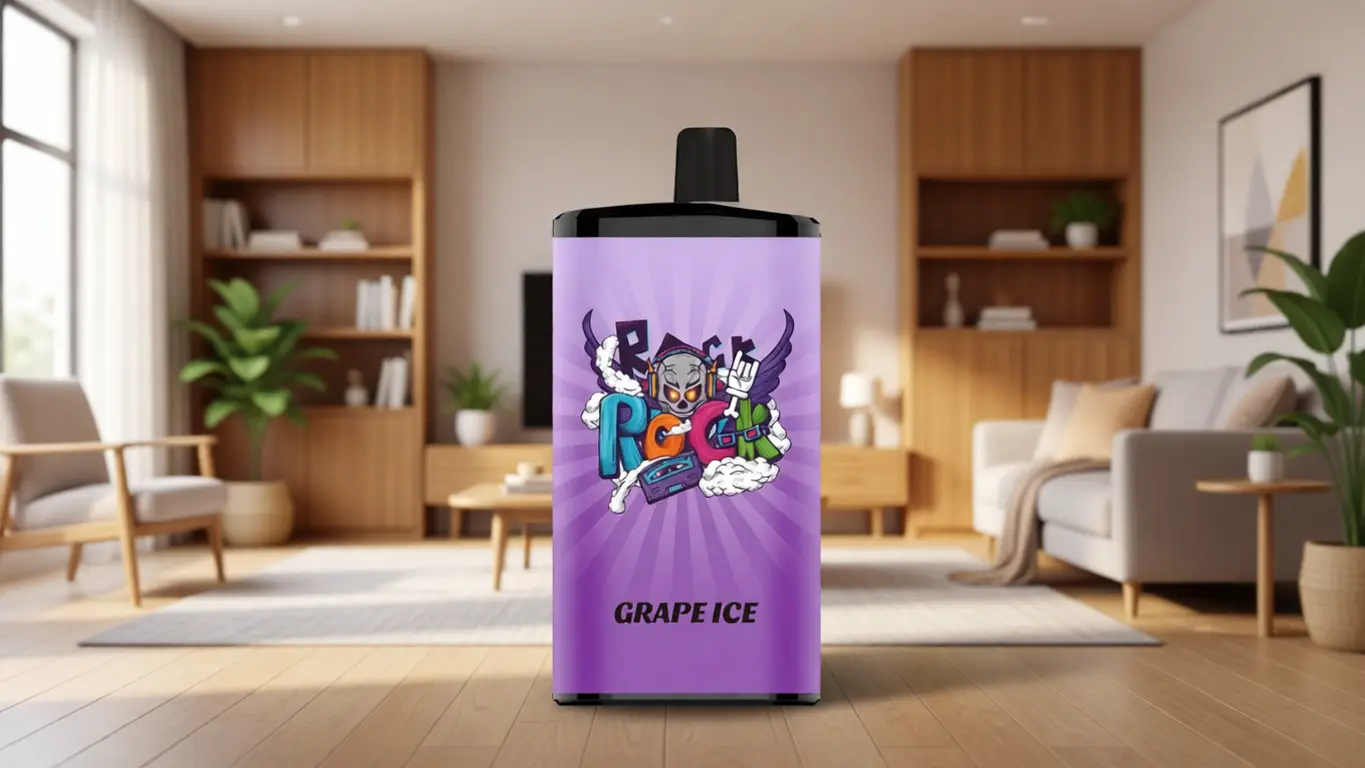
The INGOT 9000 and INGOT 15000 are built around a dual‑mesh coil supported by an integrated power‑management chip. In practical terms, this means the aerosol’s density and temperature stay remarkably consistent across thousands of puffs. A side‑mounted digital display shows both e‑liquid and battery status at a glance, so you never draw on a depleted unit unknowingly. For those who want sensory control, the Ice Adjust 12000 adds a mechanical dial that varies the cooling sensation independently of the coil temperature. This avoids a common pitfall: cranking up the cooling often requires altering the power output, which can push the coil outside its optimal range. Here, the airflow adjustment keeps the heating profile untouched, so what you inhale remains within the intended parameters.
Other widely available devices in the same category frequently use single‑wire coils and lack any form of voltage regulation. The difference becomes obvious when you compare a morning draw to an evening one on an unregulated unit — the vapour feels thinner, the flavour muted. It’s not your perception; it’s the battery voltage decaying. This isn’t a branding observation; it’s an engineering fact that any user can verify with a disciplined routine.
A Practical Framework for Evaluation
You don’t need a laboratory to make an informed choice. A few diagnostic questions, applied consistently, can reveal more about what you’ll inhale than any marketing copy.
Coil specification: Does the manufacturer explicitly state “mesh” or “dual‑mesh”? If the coil type is unlisted, assume a budget‑grade round wire and a higher risk of hot spots.
Power regulation: Look for phrases like “constant voltage output” or “chipset‑controlled”. Their absence typically indicates a device that will taper its power as the battery drains.
Mouthpiece and body materials: Food‑grade plastic, stainless steel, or anodised aluminium are strong indicators. Avoid mouthpieces with paint or soft‑touch coatings that can wear off near the lip.
E‑liquid transparency: Reputable products list at least the PG/VG ratio and nicotine strength. An information void around ingredients suggests a supplier that isn’t accountable for what goes into the liquid.
Retailer documentation: A platform like OZVAPE Shop that publishes side‑by‑side specification tables allows you to compare coil type, puff rating, and power management before you buy. That level of detail is a proxy for manufacturer confidence.
Common Selection Errors and Industry Observations
After extended observation of consumer behaviour and supply‑chain dynamics, several patterns emerge. These are the mistakes that regularly lead users to inhale an aerosol far below what was possible.
Overweighting puff count: A device that promises 12,000 puffs but uses a low‑grade coil will taste burnt after 3,000. The number is meaningless without coil quality.
Ignoring the power curve: Many people assume that as long as the device activates, it’s working correctly. In reality, an unregulated device can lose 20% of its output over its life, slowly shifting the aerosol from clean to weak to potentially irritating.
Confusing visual similarity with internal parity: Two slim, rectangular devices can look identical on a shelf and contain completely different internal architectures. One might have a mesh coil and constant‑voltage board; the other, a simple wire and a direct battery connection.
Undervaluing modularity in cost‑per‑use calculations: A sealed disposable that costs less upfront may end up delivering an inferior aerosol in its final 30% of life. The cost‑per‑satisfaction‑puff often favours a replaceable‑pod system, even if the initial outlay is higher.
From an industry perspective, the explosion of disposable devices has put enormous downward pressure on coil material costs. Many factories have shifted to low‑grade nickel‑chromium alloys that are more prone to corrosion, especially when exposed to acidic fruit flavourings. Stainless steel mesh, by contrast, offers far better chemical stability over time. ALIBARBAR’s consistent use of mesh coils across its lineup signifies a supply‑chain choice that prioritises aerosol integrity over margin.
Frequently Asked Questions
Q: What exactly is in the aerosol I inhale?
A: The aerosol consists primarily of propylene glycol (PG) and vegetable glycerin (VG) droplets, along with food‑grade flavour compounds and, if specified, pharmaceutical‑grade nicotine. When the device operates within its designed temperature range, the chemical composition closely mirrors that of the e‑liquid. When the coil overheats, trace amounts of thermal decomposition products — mainly aldehydes — can appear.
Q: Is it really just water vapour?
A: No. Water is rarely a significant component. The visible cloud is a mist of condensed liquid particles, not steam. Calling it “vapour” is a colloquial convenience that can be misleading.
Q: How does coil temperature affect what I inhale?
A: Below about 180 °C, aerosol production is incomplete and you get large, spattering droplets. Between 200 °C and 250 °C, PG and VG vaporise cleanly into a fine mist. Above 260 °C, thermal decomposition becomes measurable, producing unwanted aldehydes. A well‑designed mesh coil holds temperature inside that 200 °C–250 °C window remarkably well.
Q: Are there risks from the metals in the coil?
A: Under normal operation, metal leaching into the aerosol is minimal with inert alloys like stainless steel or Kanthal. Lower‑grade nickel‑chromium wires can corrode over extended contact with certain flavourings, potentially releasing trace metal ions. This is why coil material specification matters.
Q: How can I be sure my device isn’t producing harmful byproducts?
A: Select devices with documented coil materials and power management. Pay attention to taste: a sudden metallic or burnt note usually means the coil is overheating or degraded. Purchase from an authorised source like OZVAPE Shop to avoid counterfeit products that may substitute inferior coils.
Q: What makes the ALIBARBAR INGOT series different in terms of inhalation quality?
A: They use dual‑mesh coils that distribute heat evenly, combined with regulated power output. This translates to an aerosol that is consistently fine and flavour‑accurate for the device’s entire rated lifespan, without the late‑life harshness common in unregulated units.
Q: Can I safely reuse a disposable device once the liquid is gone?
A: Disposables are closed systems not engineered for refilling or coil replacement. Attempting to do so risks contact with degraded battery connections, contaminated pathways, or inconsistent power delivery. Responsible disposal is the only recommended end‑of‑life action.
Q: How does OZVAPE Shop guarantee the products it ships are genuine?
A: OZVAPE Shop sources exclusively from authorised national distribution networks, maintains factory‑certified inventory with batch tracking, and offers local Australian post‑purchase support. This chain of custody drastically reduces the risk of counterfeit or tampered goods.
Q: Does a higher puff count guarantee a longer‑lasting clean taste?
A: Not at all. Puff count only indicates e‑liquid volume under standardised test conditions. Coil degradation over time will alter the taste independently of how much liquid remains. A device with a high‑quality coil can taste fresh to the last drop; a poor coil will turn unpleasant long before the liquid is exhausted.
Q: Is there a direct link between price and aerosol cleanliness?
A: Not a linear one, but extremely low prices almost always mean compromises in coil material, power regulation, or liquid purity. A mid‑range device sold with full specifications offers a safer balance than the cheapest available alternative with no disclosed details.
Conclusion
The substance you inhale is not fixed by the liquid alone; it’s a moving target shaped by how the device heats, regulates power, and maintains material integrity over time. By treating coil architecture, power curve transparency, and physical material choices as primary evaluation criteria — not afterthoughts — you take control of your own experience. The ALIBARBAR collection, engineered with these factors visibly in mind and made accessible through OZVAPE Shop, demonstrates what informed design looks like on a spec sheet you can actually read. Ultimately, the right device isn’t the one with the loudest promises. It’s the one that delivers a consistent, predictable aerosol every time you reach for it, without surprise or compromise.