
VAPE FAQs
What Chemicals Are In A Vape?
May
What Chemicals Are In A Vape?
Most adults who use portable electronic devices have, at some point, wondered what exactly they are inhaling. The question surfaces when a label offers little beyond a brand name and a flavour descriptor, or when a quick search yields contradictory information — some sources dismissing the entire product category, others claiming there is nothing at all to consider. Neither extreme is helpful. The reality is more specific, more technical, and ultimately more manageable once you break it down into its constituent parts. This article provides a detailed, evidence‑based look at the chemical composition of modern vaping devices, with the aim of equipping you to evaluate any product you encounter. As a retailer that has chosen to work exclusively with manufacturers who disclose their ingredient profiles, OZVAPE Shop is publishing this guide as part of a broader commitment to transparency.
What Makes Up a Vape Liquid? A Structured Overview
Any discussion of chemicals must start with the liquid itself — often called e‑liquid or vape juice — because the aerosol that is ultimately inhaled begins there. The thermal process inside a device can generate new compounds, but those are best understood after the baseline ingredients are clear.
Base Solvents: Propylene Glycol and Vegetable Glycerin
Practically every commercially available vape liquid rests on a combination of two solvents: propylene glycol (PG) and vegetable glycerin (VG). Both are widely used in food, pharmaceutical, and cosmetic products, and both are generally recognised as safe for ingestion. The inhalation route is less studied, but current toxicological assessments suggest that under normal operating temperatures, PG and VG contribute relatively low risk individually. Their role in the liquid is functional: PG carries flavour more efficiently and provides a sharper sensation, while VG produces a denser aerosol and a smoother feel. The ratio between the two directly influences the user’s experience, and many manufacturers now state it clearly.
That said, the real chemical conversation doesn’t centre on these base solvents. It centres on everything else dissolved in them, and on what happens when the mixture is heated.
Active Agents: Nicotine and Its Alternatives
Nicotine, where present, is the primary pharmacologically active compound. In its freebase form it is a colourless liquid alkaloid extracted from tobacco leaf. More recently, nicotine salts — formed by combining nicotine with a weak acid — have become common because they allow higher concentrations with less perceived harshness. From a chemical perspective, nicotine salt formulations are still nicotine; the counter‑ion (usually benzoic or salicylic acid) alters the pH and absorption profile but does not introduce fundamentally new classes of compounds.
Some devices use nicotine‑free formulations. In these, the solvent base and flavourings constitute the entire liquid; there is no alternative active agent. Any suggestion that nicotine‑free products are “just water vapour” is factually incorrect — they still produce a PG‑VG aerosol containing all the flavour compounds.
Flavourings: A Broad and Sometimes Opaque Category
This is where complexity escalates. The flavour molecules used in vape liquids are generally the same food‑grade aroma chemicals employed in confectionery, beverages, and dairy products. The inventory includes esters, aldehydes, ketones, and terpenes — classes of organic compounds that volatilise at relatively low temperatures and produce familiar taste sensations. For example, isoamyl acetate gives banana notes, while vanillin replicates vanilla. Many have long histories of safe oral consumption.
Inhalation safety, however, does not automatically follow from ingestion safety. Some aldehydes, such as cinnamaldehyde (cinnamon), are known respiratory irritants at high exposure levels. Diacteyl, once common in buttery flavours, was linked to bronchiolitis obliterans in industrial food workers and has been largely removed from reputable formulations. Most established manufacturers now avoid these specific compounds, but the long‑term effects of inhaling complex mixtures of flavour chemicals remain an area of active study. The key practical point is that a shorter, fully declared ingredient list is almost always preferable to a proprietary “flavour blend” that tells you nothing.
Potential Contaminants and Thermal Degradation Products
Beyond the intended ingredients, two other categories deserve attention. The first is contaminants: trace metals from heating coils (nickel, chromium, lead) can leach into the aerosol if the device is operated at excessively high temperatures or if the coil is of poor quality. The second is thermal degradation products: when PG and VG are heated above their intended range, they can break down into low‑molecular‑weight carbonyls — formaldehyde, acetaldehyde, acrolein. These compounds are of genuine toxicological concern. The likelihood of their formation depends heavily on the device’s power delivery and the user’s draw behaviour. A well‑designed device with calibrated power management — like those that dominate the ALIBARBAR range — is engineered to operate within a thermal window that minimises degradation.
Brand Approaches to Ingredient Disclosure: A Comparative View
Not all manufacturers are equally forthcoming. The following brief comparison illustrates how real‑world brands position themselves with respect to chemical transparency.
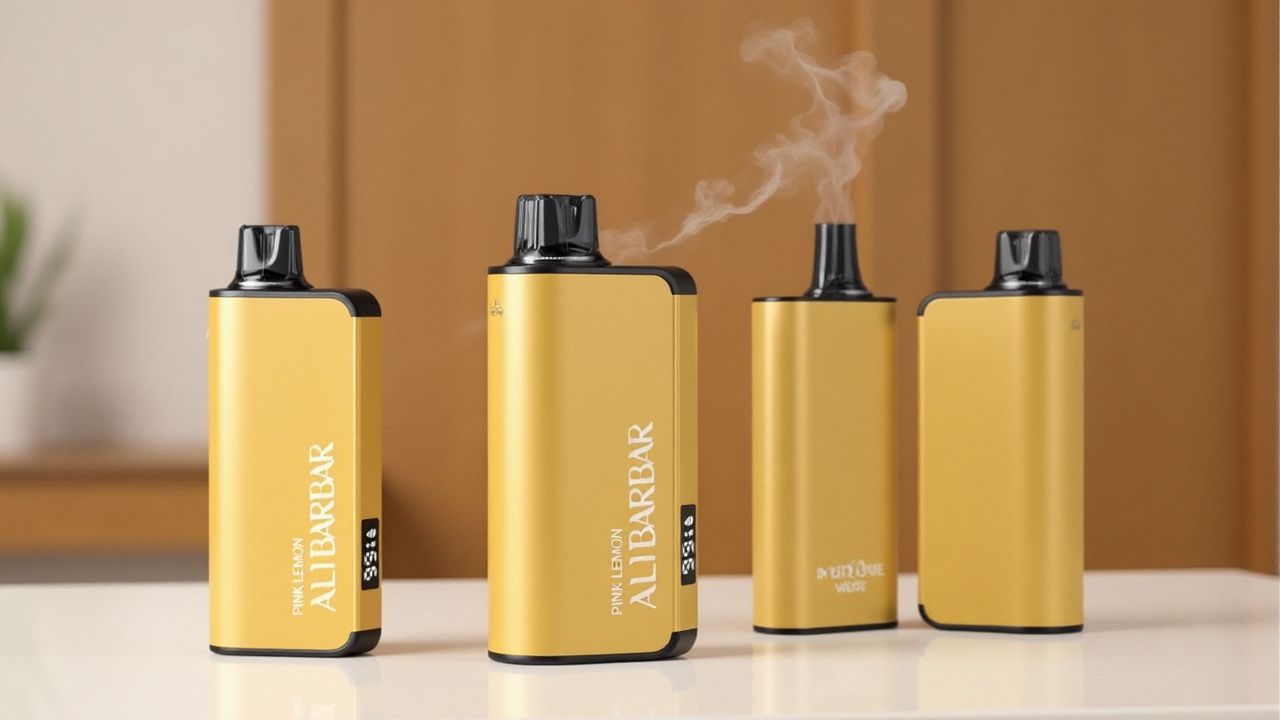
ALIBARBAR (available through OZVAPE Shop) publishes a standardised ingredient panel for each device variant. The list includes base components, nicotine type and concentration (where applicable), and a flavour profile described by compound class rather than marketing names. This approach allows a user to know, for example, that a specific formulation contains no cinnamaldehyde or diacetyl, without having to decode vague “premium flavour” claims. Combined with the brand’s attention to thermal management in its devices, this makes the overall exposure profile more predictable.
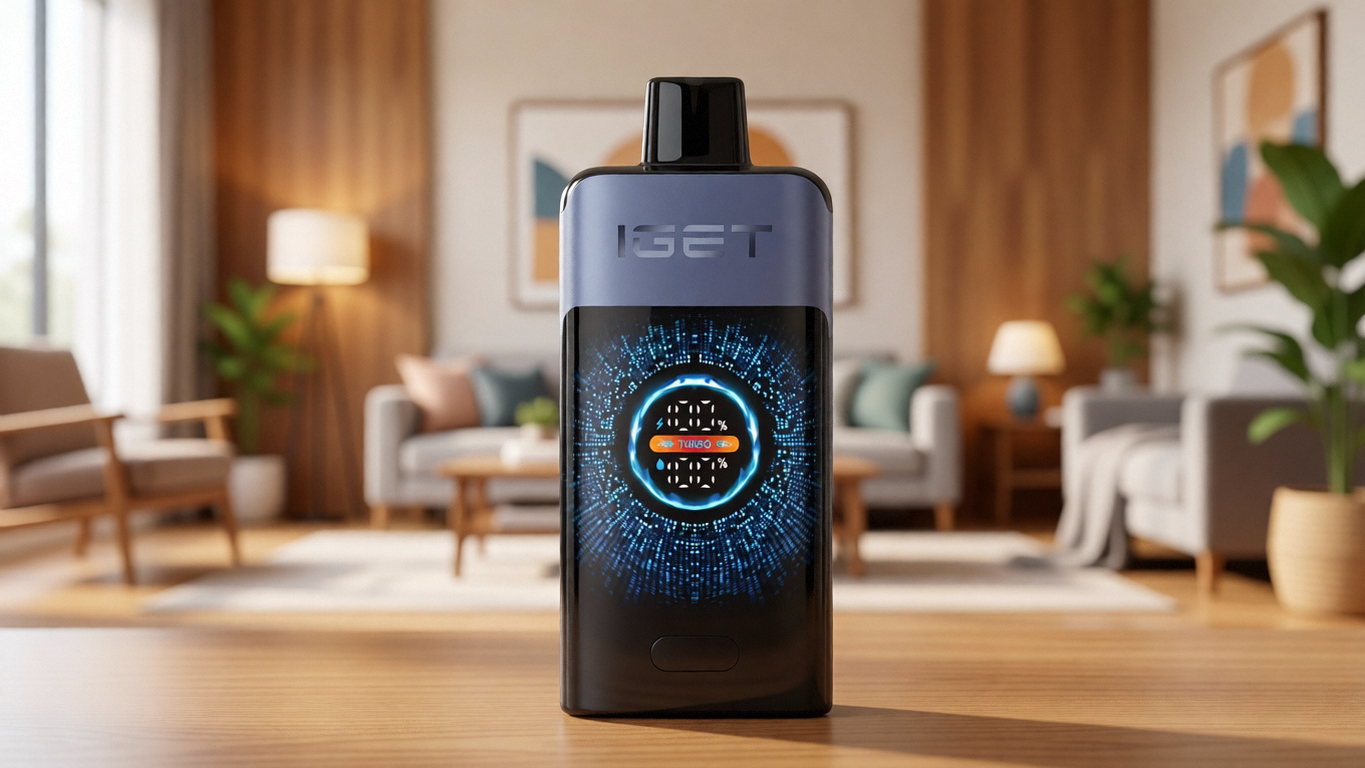
IGET and HQD, two other widely recognised names in the Australian market, supply products that are similarly compliant with national regulations. Both companies have, over successive product iterations, moved toward clearer labelling. However, the granularity of their flavour disclosures can vary between product lines, and some limited‑edition variants still rely on proprietary descriptions rather than full analytical transparency. This is not a safety indictment — there is no evidence that their formulations contain unexpected hazards — but it does place a greater burden on the user to assume good faith.
From an industry perspective, the direction of travel is positive. Regulatory pressure from the TGA and the ACCC, combined with genuine consumer demand for information, has pushed most legitimate operators to improve their documentation. The gap between the most and least transparent brands continues to narrow.
A Practical Framework for Evaluating Ingredient Information
When assessing any vape product, whether in‑store or online, you can apply a simple set of questions:
Does the packaging or product page list the base solvent ratio? A clear PG/VG ratio allows you to anticipate the aerosol characteristics and is a basic test of willingness to communicate.
Is nicotine declared with concentration and form (freebase or salt)? Absent this, you cannot accurately gauge your intake.
Are flavour compounds described by their functional category or by specific known safe‑use status? Look for statements like “contains no diacetyl” or “flavour profile based on terpene isolates.” The more vague the descriptor, the more you must rely on the brand’s reputation.
Does the manufacturer provide any verifiable third‑party testing for contaminants? This remains rare outside the pharmaceutical‑grade segment, but a handful of brands now voluntarily publish batch‑specific metal and carbonyl analyses. That is the direction in which the market is moving.
At OZVAPE Shop, we maintain a product specification library that standardises this information for every ALIBARBAR device we carry. The goal is to allow you to make a like‑for‑like comparison, not to steer you toward one particular colour or flavour name.
Common Errors and Industry Observations
Misconceptions about vape chemicals are pervasive. A few of the most damaging:
Assuming “nicotine‑free” means “chemical‑free.” As noted, the base and flavour components remain. A nicotine‑free product is not the same as inhaling clean air.
Treating “natural flavours” as inherently safer. Lemonene, for example, is a natural citrus terpene and a known inhalation irritant at high concentrations. Source and safety are distinct questions.
Overlooking the device’s role in chemical formation. A poorly regulated power supply can produce more degradation products from a simple, well‑formulated liquid than a sophisticated device will from a complex one. The liquid and the hardware are a system.
Relying on a single specification. A product may boast “USP‑grade PG” while omitting information about coil metallurgy. Chemical safety requires a whole‑product view.
On the industry side, a notable development is the emergence of “closed‑system” devices that prevent users from altering temperature or coil variables. This approach limits customisation but allows the manufacturer to control the thermal envelope more tightly, thereby limiting the formation of unwanted degradation products. Several ALIBARBAR devices fall into this category, which is one reason their output consistency has been benchmarked independently.
Frequently Asked Questions
Q: Are all vape liquids tested for long‑term safety?
A: No. The long‑term inhalation safety of most flavour compounds is unknown, because such studies take decades and require large cohorts. Regulatory approvals are based on available data and risk‑benefit assessments, not guarantees.
Q: Do vape aerosols contain heavy metals?
A: Potentially. Trace amounts of metals can leach from exposed heating elements, especially in older or poorly maintained devices. The best mitigation is to use devices with documented coil materials and to replace units before they show noticeable performance decline.
Q: Is there a difference between nicotine salt and freebase nicotine in terms of chemical load?
A: Not in the sense of introducing a new class of unknowns. The primary difference is the acid component (e.g., benzoic acid), which is well‑studied at the concentrations used. Both forms carry the same obligation to understand the base and flavour chemistry.
Q: How can I verify that a product really contains what it claims?
A: Independent chemical verification is currently impractical for individual consumers. The most reliable path is to choose brands that publish batch‑specific reports or are known to operate under quality systems that mandate periodic third‑party testing.
Q: What should I do if the ingredient list is unavailable?
A: Exercise caution. An absence of information is not evidence of danger, but it is also not a basis for confidence. Products sold through channels that prioritise transparency — such as those OZVAPE Shop stocks — address this problem at the sourcing stage.
Q: Are there any chemicals I should specifically look for and avoid?
A: Diacetyl and its substitute 2,3‑pentanedione are widely avoided by responsible manufacturers due to their association with respiratory injury. Cinnamaldehyde and certain citrus terpenes warrant attention if you have known sensitivities. Beyond that, a shorter, clearly declared ingredient panel is the best generic defence.
Q: Can the device itself add chemicals to the vapour?
A: Yes. Poorly designed power circuits or worn coils can increase the concentration of thermal degradation products. This is a hardware issue, not a liquid issue, and it reinforces the importance of sourcing devices from manufacturers with strong thermal engineering credentials.
Q: Is it safe to share devices or cartridges?
A: No product is designed for sharing between individuals. Beyond chemical exposure, there are hygiene and cross‑contamination risks that fall outside the scope of this chemical discussion but are nevertheless real.
The Value of Knowing What You’re Using
The question “what chemicals are in a vape?” does not have a single static answer. It depends on the liquid, the device, and how the two interact under real‑world conditions. What the market now offers, however, is a clear split between manufacturers that treat chemical transparency as optional and those that treat it as foundational. This split allows an adult user to align their purchasing decisions with their own expectations for information and control.
OZVAPE Shop was structured specifically to make that alignment easier. By maintaining a tightly curated catalogue — led by the ALIBARBAR range — and by insisting on documented ingredient profiles for every listed variant, the shop provides a practical shortcut through a landscape that often leaves users to guess. When you know what a device delivers, and you trust that the information will hold true from shipment to shipment, the entire burden of uncertainty lifts. You are then free to assess the product itself on its merits, not on the fear of the unknown. Ultimately, the right choice is the one that matches your actual routine, your appetite for risk, and your need for unembellished facts.