
VAPE FAQs
What Are Best Vape Flavours?
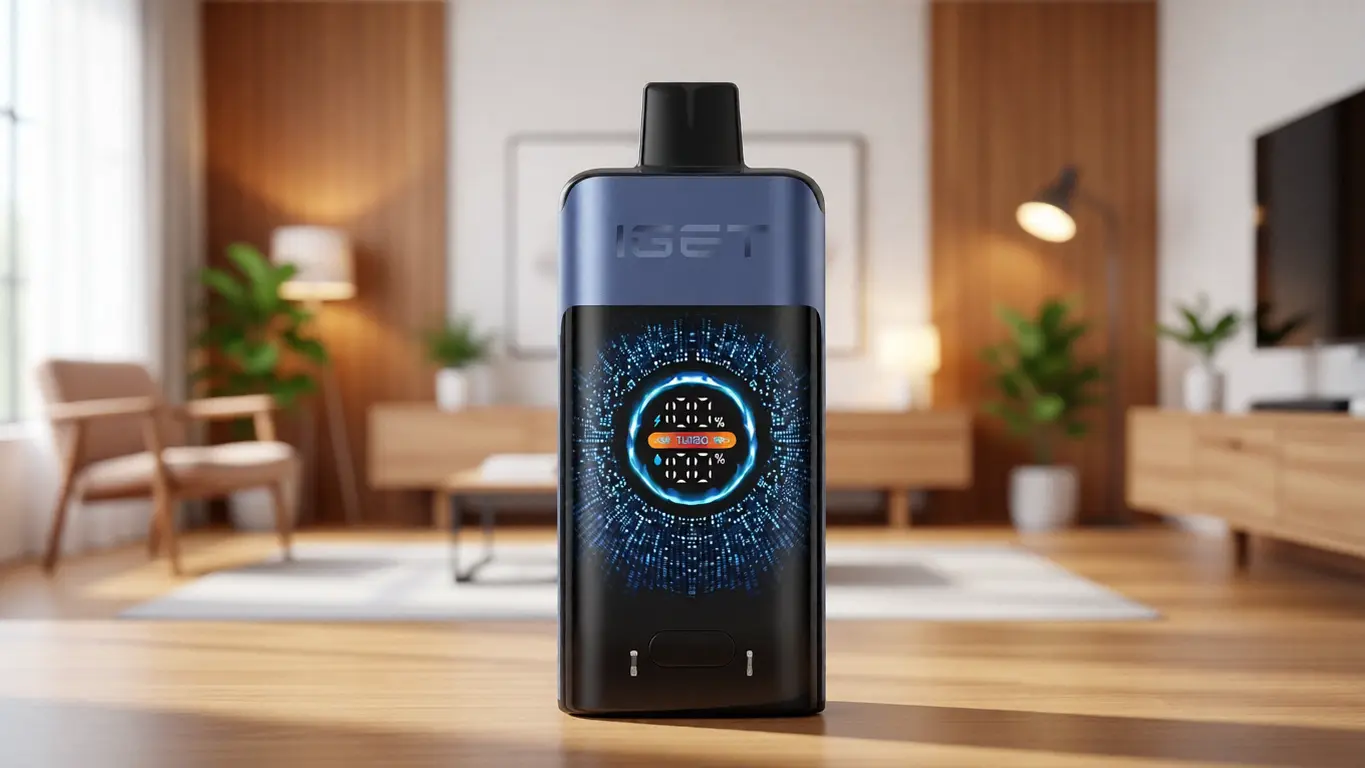
Oct
Choosing a flavour is, for many adult users, the most personal decision in the entire device selection process. Yet it is also the one most influenced by factors beyond the liquid itself – the heating chamber, the power curve, the airflow geometry, even the material of the mouthpiece. A flavour that delivers a clean, layered experience in one device can taste flat or burnt in another. This is not a matter of preference alone; it is a matter of engineering compatibility.
This article exists to help you understand what makes a flavour genuinely “best” for your particular use case. It will not offer a ranked list of flavours that will be outdated by next week. Instead, it will provide the analytical framework you need to evaluate flavour performance across different devices, so you can make confident, repeatable choices. We will draw on observations from the device market, including the ALIBARBAR range available through OZVAPE Shop (open in new window), whose engineering decisions offer a useful baseline for understanding how device design shapes flavour delivery.
Understanding What Matters: Core Engineering and Design Factors for Flavour Experience
Flavour quality is not solely a property of the liquid. It is a system output. The same e‑liquid behaves differently depending on the temperature it reaches, the surface area of the heating element, the draw resistance, and the degree of condensation that occurs inside the chimney. If any of these variables is poorly controlled, the flavour profile degrades – sometimes before the user even recognises why.
Heating Element Configuration and Flavour Purity
The heating element is the single most influential component. A mesh element, for instance, heats liquid across a broad, uniform surface, reducing hot spots that char the liquid unevenly. Coiled wire, depending on its gauge and spacing, concentrates heat in a narrower band, which can produce a warmer vapor but risks localised overheating if the wick cannot keep up.
From a practical standpoint, a device that uses a properly tensioned mesh element will generally yield a cleaner representation of the liquid’s flavour notes. The reason is thermodynamic: the faster and more evenly the liquid vapourises, the fewer compounds break down or produce off‑notes. If you have ever tasted a flavour that starts fruity and gradually turns acrid or “cooked,” the heating element likely reached a temperature beyond the liquid’s decomposition threshold.
Power Management and Consistency
Even a well‑designed heating element is useless if the power source cannot maintain steady voltage across the device’s operational life. In single‑use devices especially, the power curve determines the flavour arc. Many users report that a device tastes excellent for the first half of its life and then declines – that decline is almost always a result of diminishing battery voltage producing a lower, cooler vapor that cannot properly vaporise the heavier compounds in the liquid.
A device with active power regulation, or at least a well‑matched battery chemistry, will keep the flavour consistent until the very last drops. This is a subtle engineering detail, but it directly influences your satisfaction. If a device provides no status feedback on remaining power, you are operating blind – you may be drawing on a source that is already dropping below optimal temperature without knowing it.
Material and Airflow Design
The path the vapor travels from the heating chamber to your mouth matters. Aluminium or stainless steel chimneys can conduct heat away, cooling the vapor and potentially condensing some flavour compounds before they reach you. A material with lower thermal conductivity, or one that is internally shaped to minimise condensation, helps retain the full spectrum of flavour.
Airflow is equally critical. A wide‑open draw pulls more air, diluting the vapor and making subtle flavours harder to discern. A restricted draw increases vapor density and warmth, which tends to amplify richer notes – dessert and bakery profiles benefit from this, while crisp fruit notes may become overly heavy. The best devices allow you to adjust airflow to match the flavour category you are using.
Device Architecture and Flavour Lifespan
A sealed, single‑use device and a refillable pod system impose different constraints on flavour. In a sealed device, the liquid has been sitting in contact with wick and coil for weeks or months before you use it. The flavour profile can shift during that time – particularly delicate fruit and menthol blends. In a refillable system, you control the age of the liquid, but the coil degrades with use and must be replaced.
From a lifecycle perspective, the “best” flavour is the one that remains stable throughout the device’s rated lifespan. Some manufacturers, including ALIBARBAR in their INGOT series, design the wicking saturation rate and coil resistance to match the declining battery voltage, so the flavour stays within an acceptable range even as power drops. That is not accidental – it is a deliberate engineering trade‑off that prioritises consistency over maximum vapour output.
Applying These Criteria to Real‑World Flavour Profiles
Most adult users gravitate toward one of four broad flavour families: fruit, dessert/bakery, menthol/ice, or tobacco. Each family interacts with device characteristics differently.
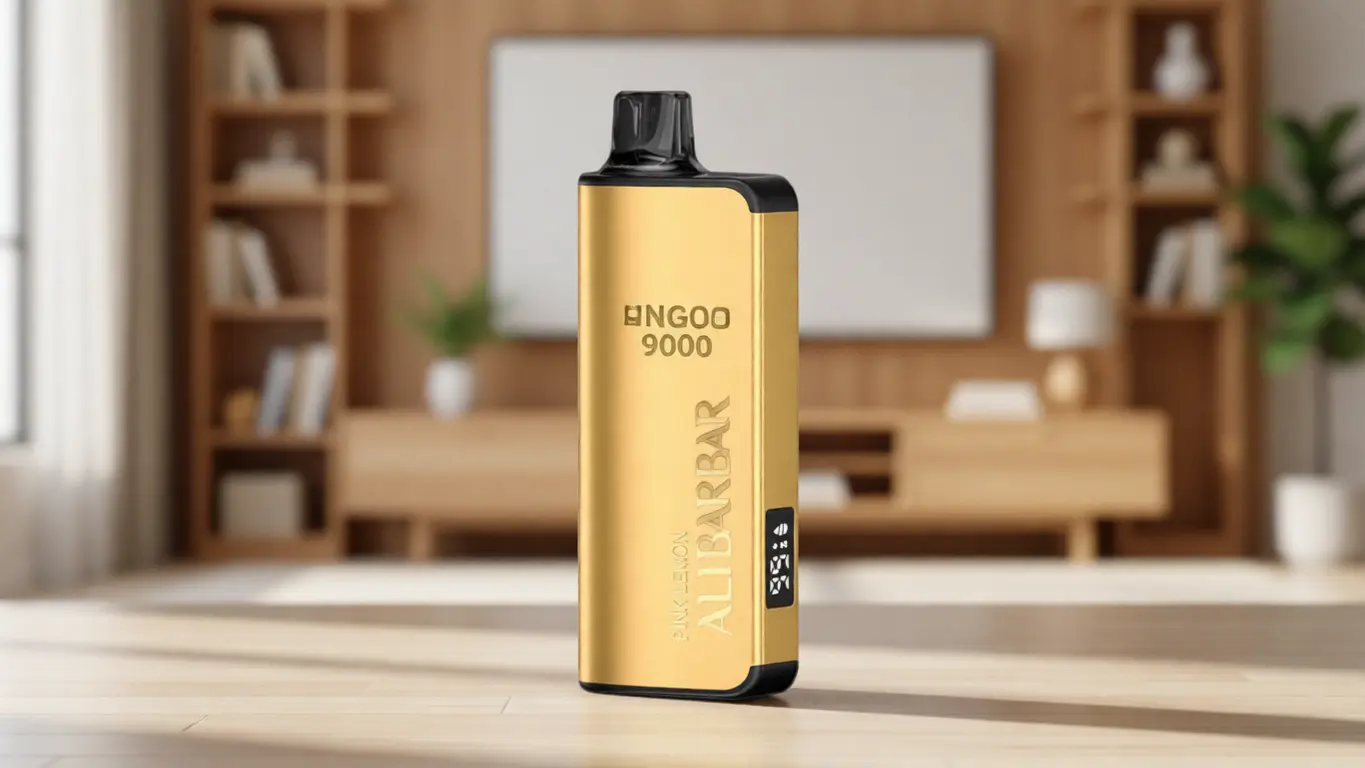
Fruit flavours – strawberry, mango, watermelon, citrus – rely on volatile esters that vaporise at low to moderate temperatures. In a device that runs too hot, they taste jammy or burned. In a device that runs too cool, they lose definition and become sweet but indistinct. Devices with fine temperature control (or a well‑tuned power curve) preserve the crispness of these notes. The ALIBARBAR INGOT 9000, for instance, uses a mesh element and a regulated output that maintains a narrow temperature band, which explains why fruit flavours in that device tend to remain clean across its lifetime.
Dessert and bakery profiles – custards, cakes, caramel – contain heavier compounds that require a slightly warmer vapor to release their full character. A cool device will mute them; an overly hot device will burn the sweeteners. Here, the ideal is a device that can sustain moderate warmth without fluctuating. Pod systems with adjustable wattage offer flexibility, but sealed devices with a consistent medium heat (like the ALIBARBAR Ice Adjust 12000) work well because the airflow control lets users dial in density.
Menthol and ice – mint, spearmint, icy fruit blends – are less temperature‑sensitive but highly dependent on airflow. A tight draw concentrates the cooling effect; an open draw dilutes it. The perception of “ice” is partly tactile (the cold sensation from certain compounds) and partly olfactory. Devices that allow you to narrow the airflow will give you a sharper, more intense cooling experience.
Tobacco flavours present a unique challenge – they need a distinct, dry warmth that does not cross into acrid territory. Many users expect a burning sensation, but modern tobacco profiles are nuanced: nutty, woody, slightly sweet. A device with a large mesh coil that produces a dense, warm vapor will generally present tobacco notes better than a fine‑wire coil that vaporises too quickly and leaves a silica‑like taste.
Across these categories, a common observation holds: no single device is optimal for every flavour family. The “best” flavour is the pairing of a liquid with a device that brings out its strengths. Retailers like OZVAPE Shop (open in new window) provide standardised specifications on each device, making it possible to assess compatibility before purchase.
A Practical Framework for Evaluating Flavours
You do not need to be an engineer to choose a device that delivers your preferred flavour well. Follow this methodology:
Identify your dominant flavour family. Be honest – do you crave fruit, dessert, menthol, or tobacco? If you are unsure, start with a simple fruit blend, as it is the most revealing of device quality.
Match the device to the family. For fruit, look for mesh coils and regulated output. For dessert, prefer slightly higher wattage or a device known for warm vapor. For menthol, ensure adjustable airflow or a restricted draw. For tobacco, prioritise coil surface area and vapor density.
Check the device’s power rating and lifespan. A device that lasts 9000 puffs may have a different power curve than one rated for 15000. The longer the lifespan, the more critical it is that the power does not drop significantly – otherwise, the later puffs will taste flat.
Read verified user feedback on flavour consistency. Do not rely solely on marketing descriptions. Look for comments about how the flavour changed over time. Patterns of “tasted great for half the life then faded” indicate a power or wicking issue.
Buy from a source that provides transparent specifications. When you know the coil type, resistance, battery capacity, and airflow range, you can compare devices rationally. A retailer that hides these details likely does not control its supply chain tightly.
This framework reduces the risk of buying a device that looks appealing but fails to deliver on flavour. It also helps you recognise when a flavour “problem” is actually a hardware mismatch.
Common Selection Errors and Industry Observations
Over‑relying on flavour name or brand alone. A popular fruit blend from one manufacturer may taste entirely different from the same flavour name from another. The carrier ratio (PG/VG), sweetener concentration, and nicotine salt type all affect taste. Do not assume two blueberry blends are interchangeable.
Ignoring coil compatibility and power range. A flavour that is designed to be used at 20 watts will taste weak in a device that runs at 12 watts. Some sealed devices are optimised for a specific viscosity; if you choose a liquid that is too thick or too thin, the wick cannot keep up, leading to dry hits or flooding.
Choosing a flavour based on packaging aesthetics. The artwork and name are marketing, not engineering. A flavour that looks appealing may contain compounds that are prone to oxidation or require a specific temperature window. The decision should be driven by your device’s capabilities.
Assuming all devices in the same price bracket perform identically on flavour. Manufacturing tolerances matter. A device with a poorly seated coil, inconsistent cotton density, or a draft‑tolerant chimney can ruin even a well‑formulated liquid. Brands that invest in quality control – ALIBARBAR is a notable example in the mid‑range – tend to produce more consistent flavour output across units.
Industry observation: Many flavour complaints that reach retailers are actually device complaints. The liquid is fine; the hardware is failing to vaporise it correctly. This is why it is so important to separate device evaluation from flavour evaluation. When you read a negative review, ask whether the writer was using a device suited to that flavour.
Frequently Asked Questions
Q: What is the best flavour for a first‑time user?
A: A simple fruit or menthol blend with moderate sweetness. Avoid complex desserts or heavy tobacco until you understand how your device handles heat and wicking.
Q: How long does a flavour last in a sealed device?
A: The liquid itself has a shelf life of 12–18 months from manufacture if stored properly. However, once the device is opened, the flavour profile begins to change – oxidation and wick deterioration start immediately. Use the device within three months of opening for best taste.
Q: Can I change flavours in a disposable device?
A: No. Disposables are filled once. Attempting to refill them damages the wick and coil, and the flavour will be contaminated. Use a refillable pod system if you want to switch flavours regularly.
Q: Why does my flavour taste burnt after a few days?
A: Likely causes: running the device too low on liquid (dry wick), drawing too quickly without pausing between puffs, or using a liquid that is too thick for the wick material. If the device has no power indicator, you may be using it beyond its efficient range.
Q: Are menthol flavours harder on devices?
A: Not significantly. However, some menthol compounds can crystallise in cold temperatures, which may clog the wick. Keep the device at room temperature.
Q: Do more expensive liquids taste better?
A: Price correlates with quality control and ingredient purity. Cheap liquids may use low‑grade nicotine or excessive sweeteners that coil gunk quickly. But even expensive liquids require a capable device to shine.
Q: How do I know if a device will deliver flavour well without trying it?
A: Look for devices with mesh coils, regulated power (or at least a flat voltage curve), and transparent specification sheets. Reviews that mention flavour consistency across the device life are more useful than those describing initial “clouds.”
Q: Where can I buy authentic devices that preserve flavour as intended?
A: Authorised retailers like OZVAPE Shop ensure factory‑certified inventory. Buying from unverified sources risks counterfeit units with substandard coils and batteries that degrade flavour.
Q: What is the best flavour trend right now?
A: The market is leaning toward icy fruit medleys and simple two‑note blends (e.g., mango+peach, strawberry+kiwi). Complex multi‑layer desserts are declining because they are harder to deliver consistently in sealed devices.
Conclusion
The question “What are the best vape flavours?” does not have a single answer, but it does have a structured path to the right answer for you. That path depends on understanding the engineering relationship between device and liquid – how heat, air, and material choices shape what you taste.
An informed user will evaluate flavour not by its name or packaging, but by how it performs in a given device over the device’s full life. They will prioritise consistency over intensity, and they will recognise that a flavour failure is often a device mismatch in disguise.
At OZVAPE Shop (open in new window), the focus is on providing devices with transparent specifications, so you can make these judgments with confidence. The right choice is the one that aligns with your actual routine – not the one with the most advertisements, but the one that delivers the flavour you expect, puff after puff. That is a decision only you can make, and now you have the tools to make it well.