
VAPE Policy
Vape Watch: The Hidden Risks That Users Often Overlook

Aug
The popularity of personal vaping devices has grown steadily across Australia. Many adults are drawn to these battery-powered tools as an alternative to smoking, often with the belief that they are straightforward and low-risk. However, beneath the familiar glass and metal exterior lies a collection of overlooked hazards that can affect device performance, user safety, and long-term health. This article is a practical “vape watch” — an examination of the less obvious dangers that tend to slip past the casual observer. From battery chemistry to labelling inconsistencies, this guide aims to help users ask better questions and make more informed decisions.
The premise is simple: knowledge is a form of protection. When you understand where risks hide, you can take measured steps to reduce them. The following sections discuss the key areas of concern, what the current research says, and how responsible retail sources like OZVAPE Shop are structured to support honest product access.
The Illusion of Safety: Why Many Users Let Their Guard Down
One of the most significant risks is not a chemical or a component; it is the general perception that vaping is entirely harmless. This assumption can lead to careless habits. For example, some users leave devices on overnight charging without supervision. Others buy replacement parts from unregulated sellers without questioning the origin of the materials. None of these actions would seem acceptable with other portable electronics, yet they are common in this category.
The truth is that a vaping device is a sophisticated piece of engineering. It contains a rechargeable battery, a heating element, and a control circuit that manages temperature and power output. When these components are well-made and used correctly, they perform predictably. But when they are poorly manufactured, damaged, or paired with incompatible accessories, the consequences can range from unpleasant to dangerous. Industry reports suggest that a notable share of battery incidents involve devices purchased through unauthorised channels or modified by the user.
This is not a reason to avoid the product category. It is, however, a reason to treat these devices with the same respect you would give any other piece of technology. The illusion of safety dissolves when you recognise that risk is tied to the quality of the device, the care of the user, and the credibility of the supply chain.
Battery Failures and the Danger of Uncertified Chargers
The most immediate and concrete risk hidden in a vaping device is its battery. Almost all modern devices use lithium-ion cells, which are both powerful and energy-dense. These cells require a controlled charging current and temperature range. When you connect a device to a low-quality or incompatible charger, the charging profile may not match the battery’s specifications. This mismatch can cause overheating, swelling, and in rare cases, thermal runaway.

A 2022 product safety review observed that the majority of battery-related incidents reported were not caused by the original device itself. Instead, they were traced to the use of third-party charging cables, wall adapters, or power banks that did not support the correct output. Overheating often begins slowly. The user may notice the device becoming warm to the touch, but they may dismiss it as normal. Over time, the battery’s internal structure degrades, and a sudden surge of power can trigger a dangerous event.
The practical guidance is straightforward. Use the charger supplied with the device or one that matches the manufacturer’s stated electrical specifications. Do not charge a device on a flammable surface or leave it unattended for extended periods. If you notice the device becoming abnormally hot, or if the casing starts to bulge, stop using it immediately. A responsible retailer will provide clear documentation about the correct charging procedure. For example, OZVAPE Shop includes battery safety explanations with each product page so that users understand the device’s limits before they begin.
Inconsistent Nicotine Labelling: What the Label Does Not Say
Another hidden risk is the discrepancy between what is printed on a bottle and what is actually inside. Nicotine concentration is a critical parameter. Too little and the user may not feel satisfied, which can lead to more frequent use. Too much and the user may experience nausea, headaches, or an elevated heart rate. Research has shown that labelling errors are not uncommon in some parts of the market.
A 2021 independent analysis of refill liquids from multiple suppliers found that some products labelled as “0 mg” contained measurable traces of nicotine. Conversely, some products labelled as “12 mg” were later found to be closer to 15 mg. These variations are often the result of lax quality control, improper calibration of mixing equipment, or even intentional manipulation to exaggerate strength. For a user trying to manage their intake, this unpredictability is a serious problem.
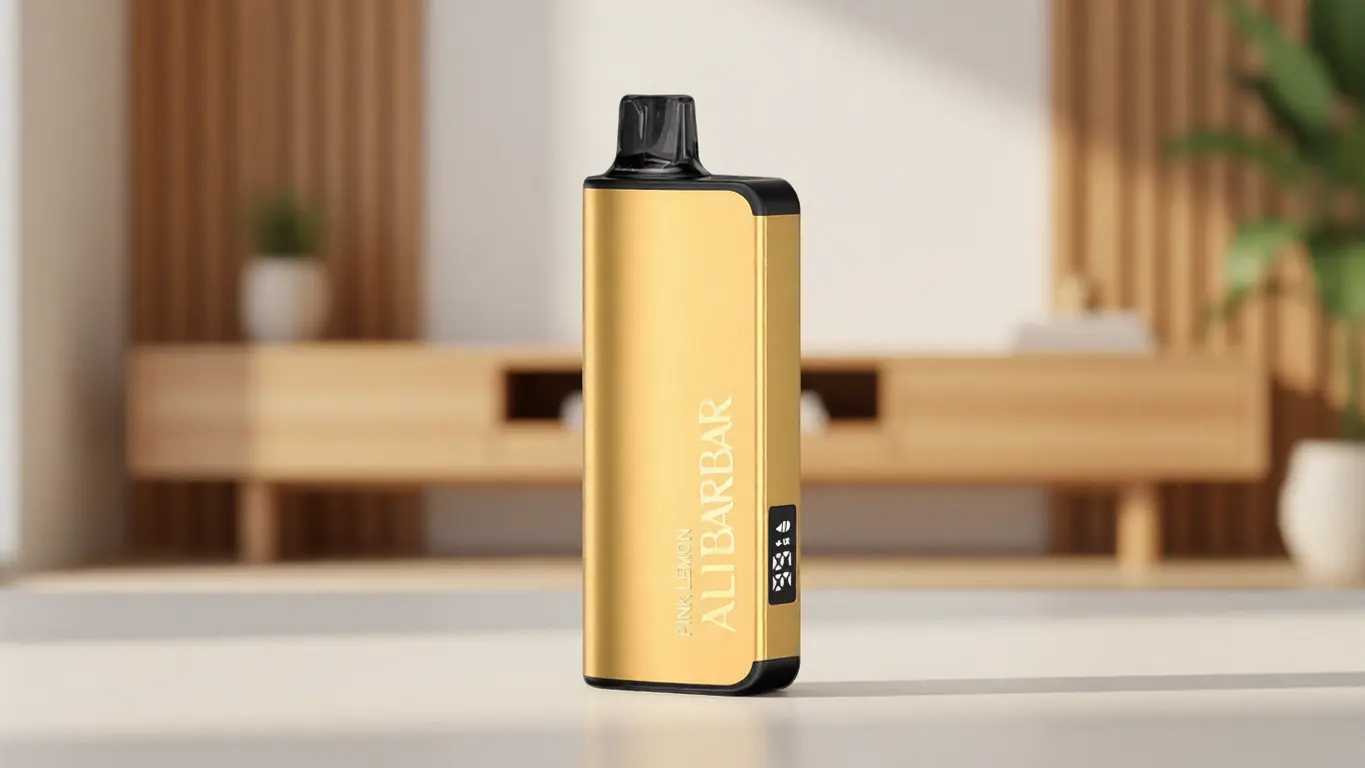
The risk becomes even greater when users purchase liquids from unbranded sources or peer-to-peer marketplaces. Without a regular batch-testing process, the consumer has no way of verifying the content. This is why the source channel matters. Authorised retailers such as OZVAPE Shop carry product ranges that come with documented specifications and batch information. While no label can be 100% accurate without third-party testing, a reliable supply chain is far less likely to produce large variance.
The Danger of Counterfeit Devices and Uncertified Mixes
Counterfeiting is a problem that affects almost every consumer electronics sector, and vaping is no exception. Some retailers offer devices that look identical to established brands but are manufactured in unregulated environments with lower-grade materials. These counterfeit units may lack key safety features, such as short-circuit protection or proper airflow sensors. The difference in performance may be invisible at first, but the long-term consequences are real.
One of the more troubling examples comes from a leading device brand that found counterfeit versions of its product in the Australian market. The fake devices used cheaper coils and absorbent wicking material, which affected the overall vaporisation temperature. In some instances, the plastic in the mouthpiece was not food-grade, and the heating element released an off-taste. A laboratory report on such a counterfeit unit found trace amounts of solvents that would not be present in an original product.
The process of verifying authenticity is not difficult, but it does require attention. Most established brands print a unique serial number or QR code on the packaging. This can be checked against the manufacturer’s database. In addition, genuine products are typically sealed, and the packaging includes specific technical details about coil resistance, capacity, and regulatory compliance. If a price appears to be significantly lower than the market average, that is often a signal that corners have been cut. Retailers like OZVAPE Shop source their inventory from authorised distribution networks, which means they are able to provide a clear chain of custody for every unit.
Overheating and the Hidden Wear of Daily Use
A well-maintained device can last a long time, but the signs of wear are often subtle. The daily cycle of charging and discharging, combined with exposure to heat and pocket movement, creates cumulative stress. The rubber seals and O-rings that keep liquid away from the electronic components can perish over time. The battery’s capacity gradually decreases, which means the device may deliver less power than it did when new, even if the status indicator seems normal.
One area that receives little attention is the condition of the internal contact pins. These small metal connectors transfer power from the battery to the heating coil. If they become corroded or covered in residue, the resistance in the circuit increases. This can cause the device to heat unevenly, and in some cases, the pin itself can overheat enough to melt the surrounding insulation. A 2023 incident report described a device that stopped working after a small piece of metal lodged between the battery pin and the casing, creating a short circuit.
To reduce this risk, clean the contact points regularly with a dry cotton swab. Do not use water or solvents near the battery compartment. If the device feels loose or rattles, inspect the screws and fittings. Replace the device if any part of the outer casing is cracked or damaged, because the protection against moisture and dust is compromised. Think of the device as a precision instrument, not a disposable toy. Taking sixty seconds each week to inspect it can prevent a range of frustrating problems.
The Silent Impact on Lung Health: Emerging Evidence
Beyond the mechanical risks, there is a broader question about the effect of inhaling vapour over many years. The Australian medical community has taken an active role in studying this area, and the evidence remains inconclusive but increasingly cautious. Some studies have identified potential irritation from certain flavour compounds, while others have focused on the baseline effect of propylene glycol and vegetable glycerine when heated.
A 2020 review in an international respiratory journal noted that the number of reported adverse respiratory events was relatively low, but the long-term epidemiological data did not yet exist. The absence of proof is not the same as proof of absence. A more recent study examined the lung fluid of regular users and found a slightly elevated level of certain inflammatory markers when compared to non-users. The clinical significance of this finding is still being debated, but it does suggest that the user should not treat inhaling vapour as entirely neutral.
The most practical approach for the individual user is moderation and vigilance. If you experience persistent coughing, chest tightness, or unusual breathlessness, stop using the device and consult a healthcare professional. It is also wise to avoid inhaling vapour more deeply than necessary, because the deeper the inhalation, the further the particles travel into the lung. For those who have switched from smoking, the priority is to avoid relapsing to a more harmful behaviour.
Psychological and Social Risks: Dependence and Normalisation
The hidden risks are not only physical. There is also a psychological dimension. Nicotine is a mildly addictive substance, and its reinforcing effects can be subtle. Many users believe they have full control over their usage frequency, but the convenience of a device that fits in a pocket changes the reward dynamic. It is easier to take one small puff if the device is always in reach, which can lead to more frequent episodes of use over the day.
This pattern is sometimes called “grazing” — small, repeated exposures that build tolerance. Over time, a user may find that they need a higher dose to achieve the same level of satisfaction. This can prompt them to move to higher-strength liquids or increase the device’s power output. Neither adjustment is inherently dangerous, but both reflect a gradual escalation that the user may not consciously notice.
There is also a social dimension. In public settings, the use of a vaping device can normalise a behaviour that, in some places, is restricted by law. Australian states and territories have implemented a range of regulations regarding where vaping is allowed. A user who is not aware of these local rules may inadvertently cause harm to themselves or others by creating conflict or encouraging imitation. Responsible use means understanding the legal context and respecting the preferences of those around you.
How to Make a More Informed Decision: A Practical Checklist
The information above may seem overwhelming, but it can be condensed into a clear set of actions for both new and experienced users. Making an informed decision is not complicated; it requires a willingness to slow down and ask questions.
Check the source: Purchase from a retailer that can provide factory-certified inventory and a documented chain of custody. Retailers like OZVAPE Shop publish their sourcing policies and maintain accountability for the products they sell.
Verify authenticity: Look for the manufacturer’s serial number or QR code and check it against the official database. Avoid deals that seem too good to be true.
Review battery specifications: Understand the battery capacity, the recommended charger, and the signs of battery degradation. Replace any device that shows physical damage.
Monitor labelling: Pay attention to the stated nicotine strength and flavour description. If a product’s consistency varies between batches, switch to a supplier that provides batch information.
Inspect the device regularly: Clean the contact points, check the seals, and replace the device if the casing is cracked or the battery swells.
Stay informed about regulations: Know the local rules in your state or territory regarding where and how vaping is permitted.
Summary and Outlook
The vaping device market is not going to disappear, and it does not need to. It offers a choice to adult users who want an alternative to combustible tobacco. However, the hidden risks discussed in this article deserve more attention than they currently receive. Battery failures, labelling inconsistencies, counterfeit products, and the slow accumulation of physical wear are all issues that can be addressed with better information and more responsible retail practices.
As the regulatory environment in Australia continues to evolve, the importance of credible supply channels will likely increase. Manufacturers who invest in quality control, and retailers who maintain transparent sourcing, will be better positioned to meet the expectations of informed users. In the meantime, the onus remains on each individual to educate themselves and to choose products and sources with care.
If you are considering a new device or want to review your current equipment, start by asking where the product came from, how it has been authenticated, and what support the retailer provides after the sale. A knowledgeable retail partner such as OZVAPE Shop can provide the documentation and guidance needed to make an informed decision, turning what might be a confusing landscape into one that is manageable and transparent.
In the end, the “vape watch” is not a warning to avoid vaping altogether. It is a call to watch more closely — to notice the small signs, ask the right questions, and take responsibility for the decisions that affect your health and safety.