
VAPE Policy
Rechargeable Vapes: 5 Reasons to Ditch Disposables Now
Aug
The portable personal electronic device market has changed considerably in the past few years. What was once a straightforward choice between a disposable unit and a more permanent modular system has become a broader conversation about efficiency, material use, and user experience. Many Australian adults are now re-evaluating the convenience of single-use options against the long-term practicality of devices that can be topped up, recharged, and adjusted to suit individual preferences.
This article examines five key reasons why rechargeable vapes are increasingly considered the more balanced choice. It also looks at the wider implications for cost, environmental impact, and everyday reliability. Importantly, the discussion remains grounded in risk disclosure: no product category is without its drawbacks, and the decision to switch should be made with accurate information. Retailers such as OZVAPE Shop now provide documented specifications for rechargeable systems, which makes direct comparison easier than it once was, but the final decision rests on understanding the trade-offs.
Why the Shift to Rechargeable Vapes Is More Than a Trend
The growing interest in rechargeable vapes is not simply a response to changing fashion. It stems from practical differences in how devices perform over time, how they feel in the hand, and how much they cost to operate across weeks or months. Single-use units offer immediate simplicity: they are pre-filled, pre-charged, and ready to go. But that convenience is often weighed against inconsistencies in power delivery, a finite battery life, and the ongoing need to purchase a new unit with every cycle.
Rechargeable systems, by contrast, separate the power source from the consumable parts. The battery and the main body are designed to last for a significant number of cycles, while the user replaces only the cartridge, refill, or coil. This distinction changes the economics of ownership. It also changes the environmental footprint. However, the shift carries its own responsibilities, including proper battery care and safe disposal of worn components. Understanding both the benefits and the risks is essential for making an informed purchasing decision.
The Australian market has seen a measurable movement towards rechargeable platforms, partly because of rising awareness around waste and partly because newer devices have addressed many of the frustrations that made early rechargeable models unattractive. Modern units offer clearer battery indicators, more consistent output, and simpler refill processes. These improvements have made rechargeables a more credible alternative for everyday adult users.
Reason 1: Predictable Power Output From Start to Finish
One of the most commonly reported frustrations with disposable devices is the decline in performance over time. A unit that delivers a satisfying experience on the first day may feel weaker, harsher, or less stable a day or two later, even when the user’s habits have not changed. This is largely a function of battery chemistry and power management. Many single-use units are not designed to deliver a constant voltage; instead, they provide what the battery can supply, which naturally tapers as the cell discharges.
Rechargeable devices are built around a different approach. The battery is typically larger in capacity and paired with a circuit that regulates output to a consistent level until the battery is nearly empty. In practical terms, this means the user can expect a similar experience whether the device is fully charged or at 30 percent capacity. Some systems also allow the user to adjust the wattage or temperature, giving greater control over the flavour and vapour production. This consistency is particularly noticeable across longer sessions or multiple days of ordinary use.
Field reports and industry analyses suggest that well-designed rechargeable units maintain stable output for roughly 80 percent of a full discharge cycle, whereas many disposable devices show a noticeable drop after the first day of heavy use. That difference becomes clear when comparing a fresh rechargeable device with a disposable that has been sitting in a pocket for several hours. The result is a more predictable experience and a lower likelihood of the device being discarded before it is truly exhausted.
Image placeholder: A side-by-side comparison of a rechargeable device and a disposable unit, with battery discharge curves shown.
Reason 2: Better Cost Efficiency Over the Device’s Life
At first glance, a disposable unit appears cheaper because the upfront price is lower. A rechargeable device often requires a larger initial investment, especially if it comes with a refillable tank, a spare coil, or a higher-capacity battery. Yet the cost story reverses quickly with regular use. Because the power source is reused, the per-use cost drops dramatically after the first few refills.
Consider a standard pattern of usage among Australian adults who reach for their device several times a day. A disposable unit might last for a few days before the battery or the liquid is gone. Replacing it at that rate means purchasing dozens of units over the course of a year. In contrast, a rechargeable device with a replaceable cartridge or refill system might require only a handful of refills per month, while the main body remains in service for a significantly longer period.
A consumer research group estimated that a rechargeable device can deliver the equivalent of hundreds of individual uses across its lifespan, which brings the per-use cost down to a level that is often below half that of a comparable set of disposables. This calculation, of course, assumes the user cares for the device properly and follows the manufacturer’s guidance on charging and storage. It also assumes that the user does not replace the device at the first sign of performance drift, but rather recognises that minor adjustments are part of normal maintenance.
What this means in practice is not that rechargeables are always cheaper, but that they offer a more favourable cost curve for regular users. The key is to treat the device as a system rather than as a single consumable item. Retailers like OZVAPE Shop often provide clear specification sheets for each rechargeable model, allowing customers to compare battery capacity, refill volume, and expected cycle life before making a purchase. That transparency helps the buyer weigh the upfront cost against the long-term savings.
Reason 3: Less Environmental Waste – But Only With Careful Use
The waste issue surrounding disposable devices is difficult to ignore. Each unit contains a battery, a heating element, a plastic housing, and liquid that must be disposed of after use. In many cases, these components are not recycled, and the mixed materials make it challenging for waste treatment facilities to separate them efficiently. Australian waste management reports have observed a measurable increase in battery-related recycling challenges, with small portable electronics becoming a notable contributor.
Rechargeable devices reduce the volume of material discarded per use because the main body and battery are retained. The user replaces only the refill, cartridge, or coil, which are generally lighter and contain fewer mixed materials. Over a year, that can represent a meaningful reduction in the number of whole devices sent to landfill. However, the environmental benefit is conditional. A rechargeable device only helps the environment if the user keeps it in service for an extended period. If a device is upgraded frequently or discarded after only a few months, the advantage over disposables narrows considerably.
There is also the matter of end-of-life management. Rechargeable batteries cannot simply be thrown into the bin. They must be taken to an appropriate collection point or returned through a retailer programme. This is a responsibility that many users forget, and it undermines the environmental case for rechargeables. Responsible ownership includes understanding how to dispose of the battery separately from the rest of the device, and many local councils now offer collection services for small electronics and batteries.
Image placeholder: An illustration of the materials contained in a disposable vape versus a rechargeable device.
Reason 4: Greater Flexibility in Performance and Maintenance
One of the quiet advantages of rechargeable vapes is the level of control they offer to the individual user. Disposable devices are fixed: the power is set, the airflow is fixed, and the liquid is sealed inside the unit. There is no way to adjust the experience if the vapour feels too warm, too cool, or too dense. Rechargeable devices, depending on the model, may allow the user to alter wattage, temperature, airflow, and even choose from a wider range of compatible refills.
This flexibility has practical implications for everyday satisfaction. A user who prefers a cooler inhale can set the device accordingly; another who wants more vapour can increase the power. The ability to adjust also means that the device can be matched more precisely to a preferred style of use, which in turn can reduce the urge to replace the device frequently. In that sense, rechargeables can also be more economical, because the user is not forced to buy a brand-new unit every time their preference shifts somewhat.
Maintenance is another area where rechargeables differ from disposables. While disposable units require no attention until they are finished, rechargeable devices need periodic cleaning of the tank or pod, replacement of coils, and careful charging practices. This is not onerous, but it does represent a shift in behaviour. For some, the routine is a nuisance; for others, it is a small price for a device that can be tuned to their liking. The key is to choose a rechargeable model that matches the level of maintenance the user is comfortable with, and to purchase from a retailer that provides clear instructions on care and compatibility.
Reason 5: Simplified Ownership With Clearer Status Information
Complaints about disposable devices often involve ambiguity: is the battery low or is the liquid almost empty? When a unit starts to deliver weaker vapour, the user cannot always tell whether the cause is a depleted battery, a dry wick, or a mineralised coil. Some disposables offer a tiny LED that flashes in different ways, but the signal is often unclear. This ambiguity can lead to premature disposal of a unit that still has some usable charge, or, worse, to continued use of a device that is no longer performing within its design parameters.
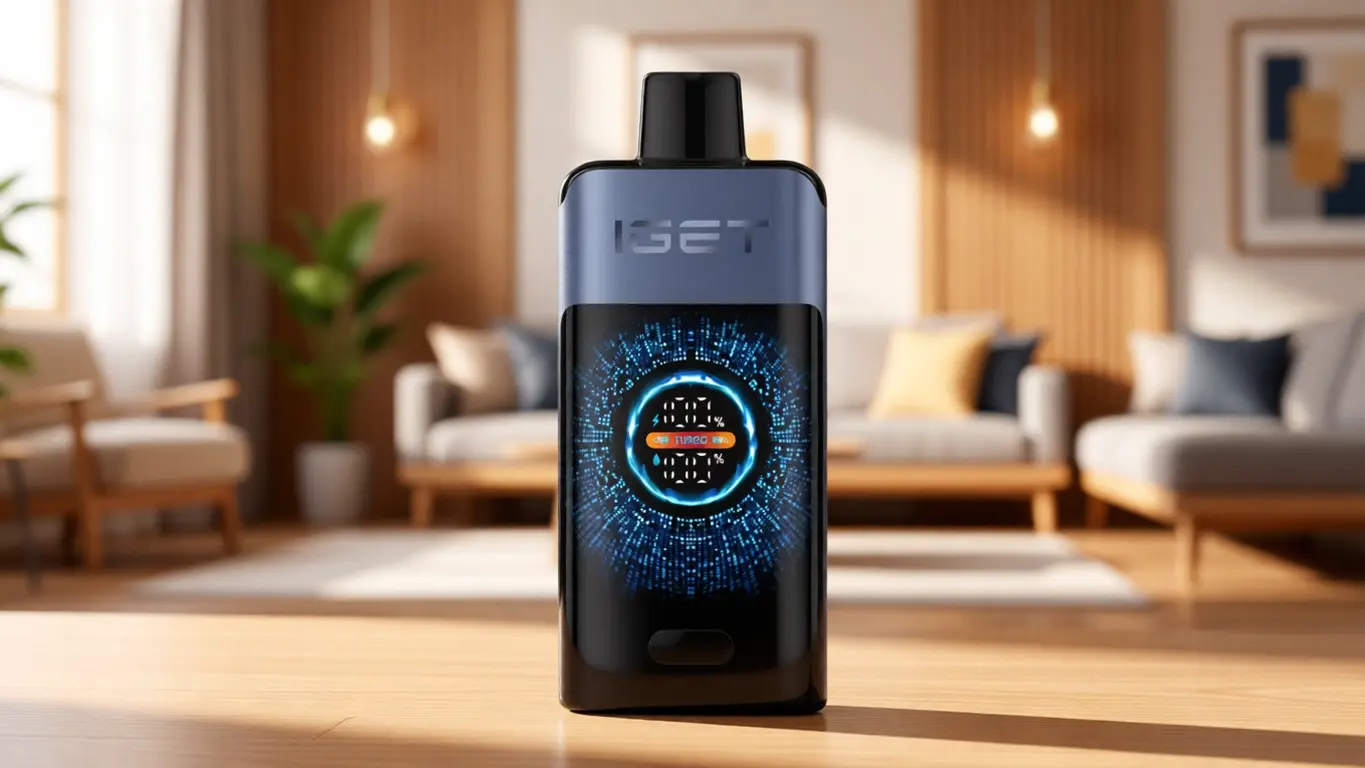
Rechargeable devices generally provide more capable status reporting. Many current models include a clear battery percentage display, sometimes on a small screen or through a series of indicator lights. Some also show the number of puffs taken, the current wattage, and the remaining volume of liquid in the tank or pod. This information allows the user to act on facts rather than guesses. When the battery is low, it can be charged; when the liquid is gone, it can be refilled; when the coil is due for replacement, the change in flavour tells the user it is time.
This degree of visibility is particularly valuable for adults who lead busy lives and do not want to think too hard about their device. A device that communicates its status clearly reduces the chance of being caught without a functioning unit. It also encourages better maintenance, because the user can see when the device needs attention before it fails entirely. For the kind of user who appreciates predictability, this is a decisive advantage over disposables.
Risk Disclosure: What Every Rechargeable Vape User Should Consider
It would be incomplete to present rechargeable vapes as a perfect solution without acknowledging the risks. Rechargeable devices rely on lithium-ion batteries, which are safe when used correctly but require respect. Overcharging, exposure to extreme heat, or physical damage to the battery can create safety hazards. Users should follow the manufacturer’s instructions on charging and storage, and should only use the charger that comes with the device or one recommended by the manufacturer.
The liquid used in any vaping device, whether rechargeable or disposable, should be handled with care. Refilling a pod or tank should be done in a clean environment to avoid contamination and spillage. Users should also wash their hands after handling liquids and keep all products out of reach of children and pets. These precautions apply equally to both categories, but they become more relevant when the user is responsible for filling the device themselves.
There is also the matter of regulatory compliance. The laws covering vaping devices and their accessories vary by state and territory in Australia. It is the responsibility of the user to understand the rules that apply in their location, including any restrictions on purchase age, possession limits, or importation. Retailers that operate transparently, such as OZVAPE Shop, display relevant product information and comply with applicable law, but the buyer’s obligations do not end at the point of sale.
Image placeholder: A small checklist of safety precautions for handling rechargeable devices and batteries.
How a Store Like OZVAPE Shop Approaches the Category
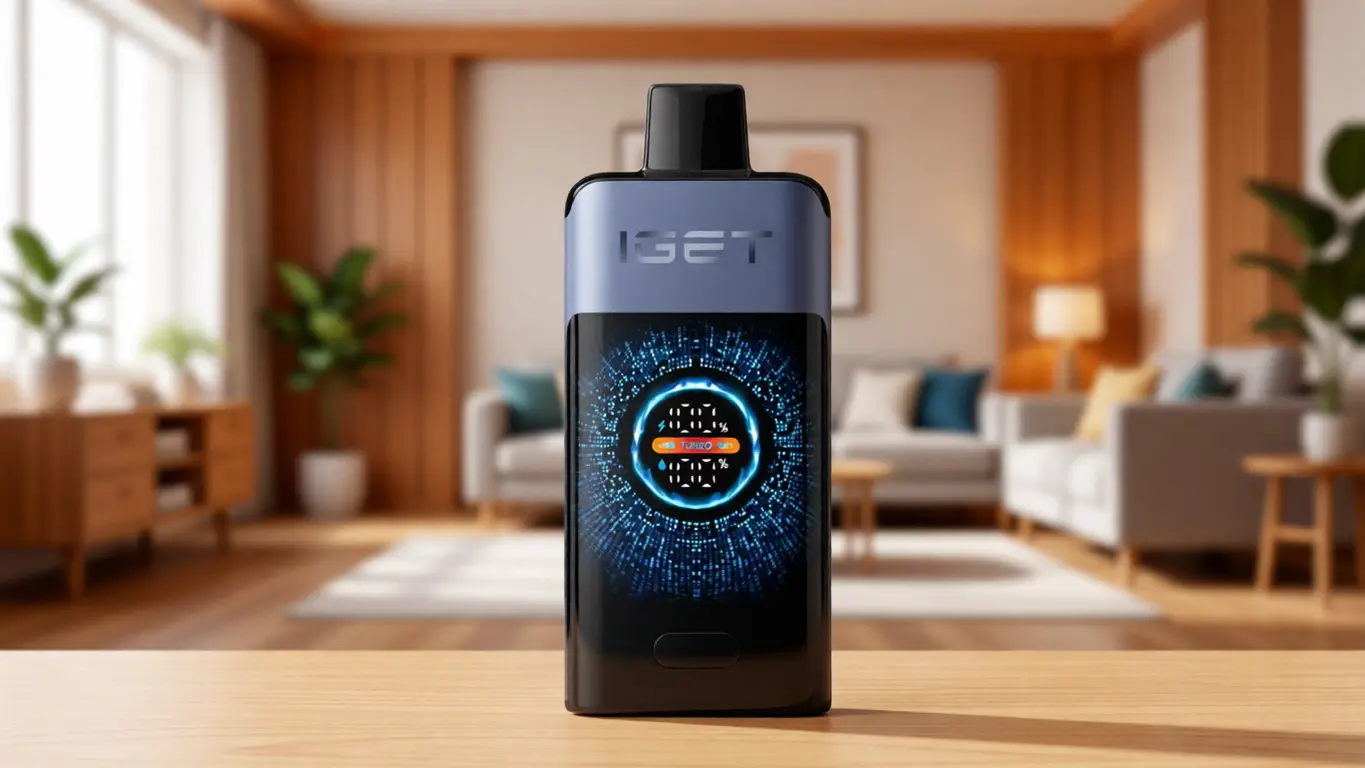
For Australian adults looking to make the switch from disposables to rechargeables, the choice of where to buy matters. A specialist retailer that provides accurate, testable specifications can simplify the decision. OZVAPE Shop, for instance, structures its inventory around factory-certified devices from established brands, including the ALIBARBAR range. Its product listings generally include battery capacity, refill volume, charging time, and the number of puffs per full charge, allowing customers to make meaningful comparisons before purchase.
The role of the retailer extends beyond the product listing. A responsive retailer should be able to answer questions about compatibility, maintenance, and warranty coverage. OZVAPE Shop also emphasises local accountability, which is helpful for users who prefer to deal with a business that is approachable if any issue arises. The presence of a documented supply chain reduces the risk of receiving counterfeit or poorly performing products, which is a genuine concern when purchasing electronic devices online.
That said, the existence of a reputable retailer does not absolve the consumer of their own due diligence. Buyers should verify that the device matched their intended usage pattern, that they understand how to charge and maintain it, and that they are comfortable with the ongoing cost of refills and replacement coils. A responsible retail operation should encourage this kind of scrutiny, not discourage it.
Conclusion: A Practical Decision for Today’s Users
The arguments for moving from disposables to rechargeable vapes are, on balance, quite strong. The consistency of performance, the long-term cost advantage, the reduction in waste, the flexible customisation options, and the clearer status information all point to a more satisfying and sustainable experience for regular users. These benefits, however, come with responsibilities around battery safety, maintenance, and end-of-life disposal.
The decision ultimately depends on the individual’s priorities. Someone who uses a device only occasionally and values the absolute convenience of a throwaway product may find that disposables still have a place. But for the majority of adult users who rely on their device throughout the day, the rechargeable option delivers better value and fewer frustrations over time.
As the market continues to evolve, the range of rechargeable devices available in Australia is expanding because of the growing preference for these systems. Retailers such as OZVAPE Shop provide the type of specification-driven product data that makes this comparison straightforward, but the essential task is for each user to weigh the trade-offs. With an honest assessment of their own usage habits, most people will find that the switch brings more gains than costs.
The move away from disposables is not a trend with a short life. It reflects a maturing understanding of what portable electronic devices should offer: durability, transparency, and responsible performance. By approaching the decision with clear information and appropriate caution, Australian users can make a choice that serves them well for many months to come.