
VAPE FAQs
Is Pg Safe To Vape?
Sep
It’s a question that surfaces in forums, in quiet conversations among users, and increasingly in the minds of adults who simply want to understand what they’re inhaling. “Is PG safe to vape?” appears straightforward, yet it unravels into layers of chemistry, engineering, and personal physiology that deserve far more than a one-word answer. Too often, the response provided by the market is either dismissively reassuring or alarmingly vague. Neither helps.
This article approaches propylene glycol (PG) not as a mystery to be feared, nor as an ingredient to be glossed over, but as a well-documented compound with a decades-long record of inhalation use in applications ranging from medical nebulizers to theatrical fog machines. Our purpose is to give you the analytical tools to evaluate safety in context — because the safety of any substance you inhale depends not just on the molecule itself, but on its purity, the temperature at which it’s heated, the device that delivers it, and your own body’s response. At OZVAPE Shop, we believe that transparency about these variables is the foundation of informed choice. We don’t sell ingredients; we provide access to devices that are designed to operate within known parameters. And that distinction matters more than most people realize. [OZVAPE Shop, linked internally]
Understanding Propylene Glycol: What It Is and Why It’s Used
PG is a synthetic liquid compound classified as a diol, meaning it contains two alcohol groups. It is colorless, nearly odorless, and has a faintly sweet taste. Its hygroscopic nature — its ability to absorb and hold water — makes it an excellent humectant, which is why it appears in everything from cosmetics to food products. In inhalation contexts, PG serves as a carrier: it suspends other compounds and, when heated to a specific temperature, creates a visible aerosol that mimics the sensory experience of smoke without combustion.
The critical safety question hinges not on oral ingestion (PG is generally recognized as safe by regulators like the FDA for food use) but on chronic inhalation. Here, the evidence base is nuanced. PG has been used in asthma inhalers and hospital air-sanitizing systems since the 1940s, with studies indicating no significant long-term respiratory harm at controlled exposure levels. However, the pulmonary system is not indifferent to repeated exposure; irritation is possible, and individual sensitivity varies. The key variable is not PG itself but the thermal degradation products that can form if the heating element exceeds the compound’s boiling point of approximately 188°C. This is where device engineering becomes inseparable from user safety.
Purity, Oxidation, and the Supply Chain Problem
One factor that the average user cannot easily verify is the purity of the PG that enters their device. Industrial-grade PG may contain trace aldehydes or other contaminants that, when heated, convert into irritants. Pharmaceutical-grade PG (USP/EP grade) is held to a much stricter specification — 99.5% purity or higher, with tightly limited water and heavy metal content. The difference in a heated aerosol is not theoretical; it’s palpable to some users as throat harshness or aftertaste.
This is why, when you evaluate any device that uses a pre-filled or refillable PG-containing solution, the integrity of the supply chain matters as much as the device’s specifications. A retailer that sources products directly from authorized distribution networks — with documented batch traceability — removes one of the most significant hidden variables from the user’s risk equation. It’s not about blind trust; it’s about verifiable documentation.
Thermal Stability and Device Architecture
A well-engineered device does not simply heat a solution; it manages thermal output within a window that avoids excessive pyrolysis. Poorly designed power delivery can cause temperature spikes on the coil surface, leading to the breakdown of PG into formaldehyde, acetaldehyde, and acrolein — compounds that are genuinely irritating and potentially harmful at elevated concentrations. The presence of these compounds in some vapor has been documented in research, but the variability between devices is enormous.
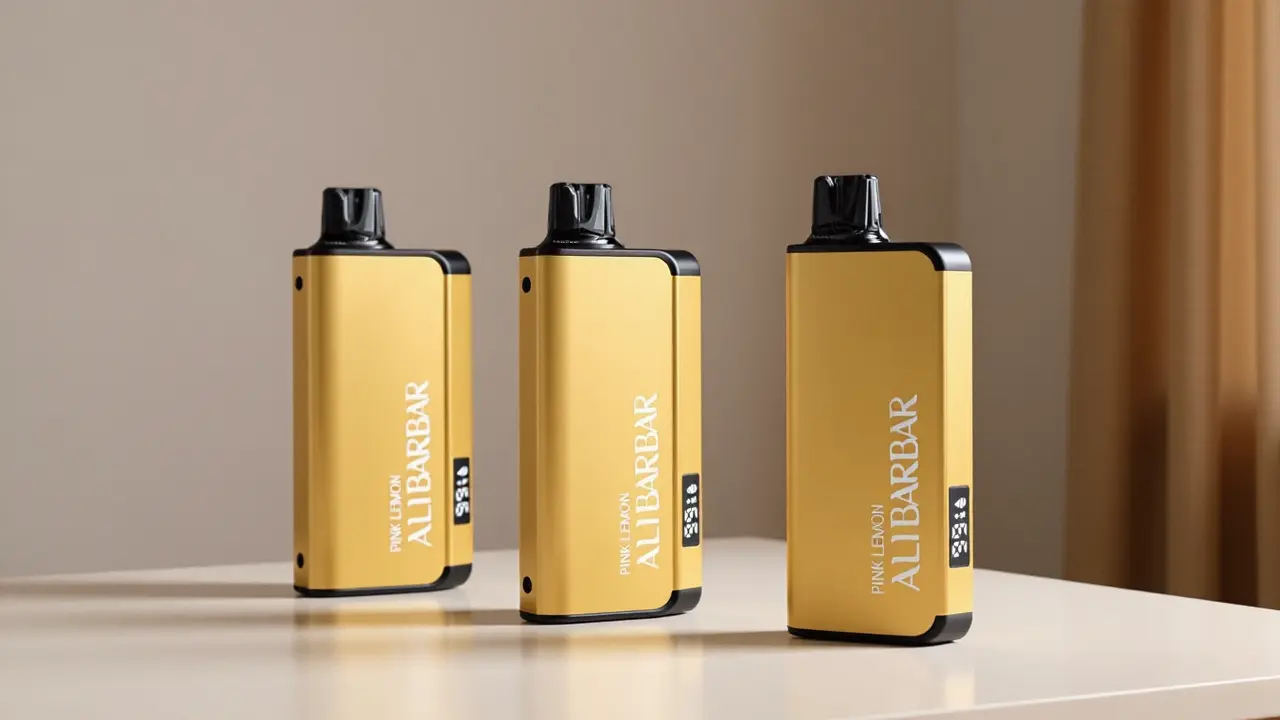
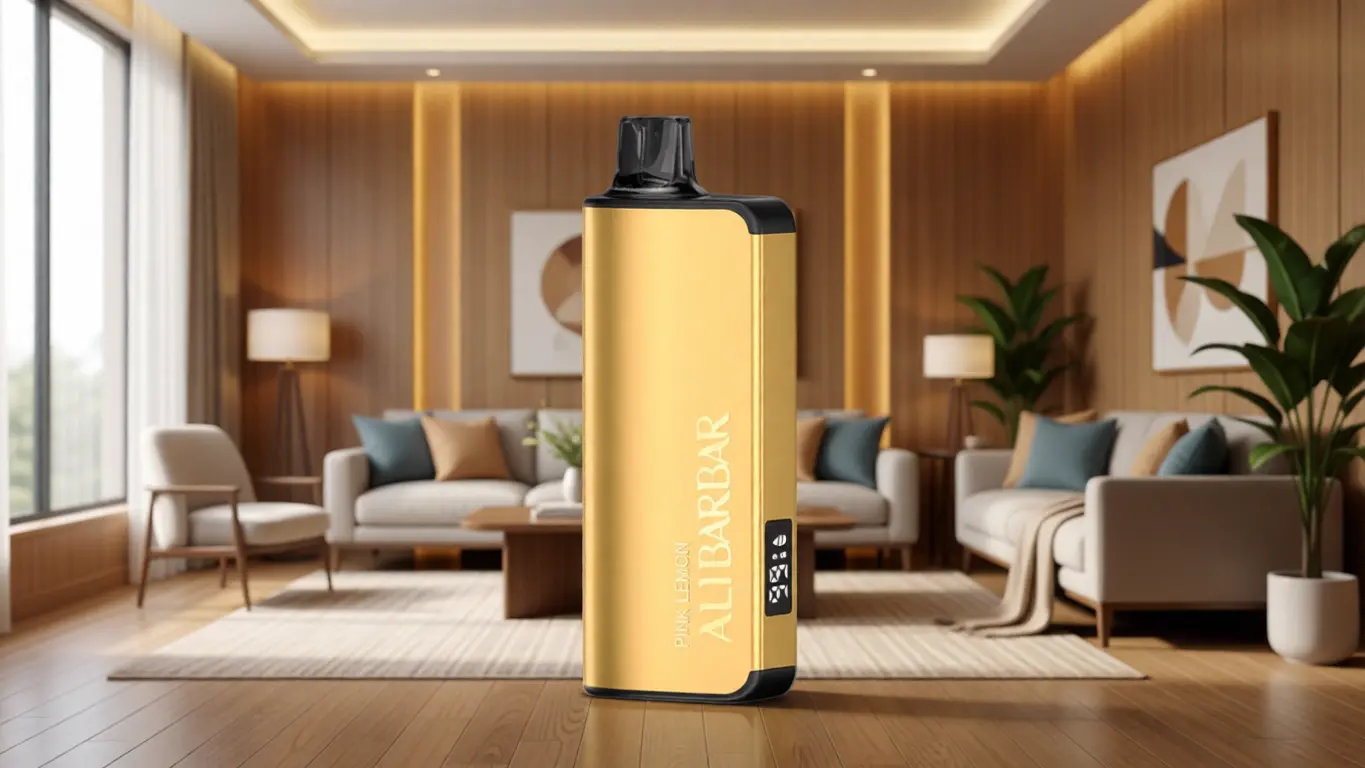
The practical takeaway: the safety of PG in a vaping context cannot be separated from the device that delivers it. A device with precise power management, consistent resistance, and materials that do not leach contaminants under heat is not a luxury — it is a prerequisite for any responsible use. When we at OZVAPE Shop evaluate the ALIBARBAR range, for example, we look for engineering signals: the quality of the coil substrate, the consistency of the wicking material, and the thermal cutoff mechanisms that prevent runaway temperatures. These are not features designed to make a marketing brochure more compelling; they are the invisible architecture that determines whether a user’s daily exposure remains within the boundaries that existing inhalation data supports as low-risk.
A Practical Framework for Evaluating the PG You Inhale
Rather than offering a binary safe/unsafe verdict, a more useful approach is to give you a method for interrogating the safety of any PG-containing product you consider using. Apply these questions:
Source verification: Can the supplier provide a certificate of analysis that confirms pharmaceutical-grade PG, or do they rely on generic claims? If the answer is no, you are assuming a risk that industrial-grade solvents might be present.
Device temperature control: Does the device you use specify its operating temperature range or have independent lab testing for emissions? If not, you cannot know whether PG is being vaporized cleanly or partially decomposed.
Consistency of experience: Does the device deliver the same apparent intensity throughout its operational life, or does output degrade? Inconsistent output often signals thermal management problems.
Sensory feedback: Do you experience throat irritation, excessive drying, or a peculiar chemical aftertaste that persists? While some dryness is a known hygroscopic effect of PG, sharp or acrid sensations often point to degradation products.
Many users mistakenly assume that because a device looks similar to another, the internal engineering must be comparable. That assumption is costly. Two cylindrical metal devices may house radically different heating elements, power regulation circuits, and airflow dynamics. Examining a product’s internal design — even if only through trustworthy teardown reviews or manufacturer disclosures — is a necessary step for the safety-conscious adult.
Common Misconceptions and Industry Observations
Misconception 1: “It’s used in asthma inhalers, so it must be completely safe at any exposure level.”
Asthma inhalers deliver a dose measured in micrograms per actuation, not in milliliters over an extended session. Duration and total dose matter. PG’s GRAS status for food is not a blanket endorsement for continuous deep lung exposure; the toxicological profile differs by route.
Misconception 2: “PG vapor is just water vapor.”
It is an aerosol of liquid droplets, not steam. The visible cloud consists primarily of condensed PG and other compounds, which behave differently in the respiratory tract than water. While not acutely dangerous, this aerosol can be mildly dehydrating and, in some sensitive individuals, trigger coughing.
Misconception 3: “If a product is sold, it must be fully tested and approved for this specific use.”
The reality of the global market is that regulatory oversight varies dramatically. In many jurisdictions, devices and refills are placed on the market without pre-market authorization for inhalation safety, relying instead on general product safety legislation. The burden of due diligence lies disproportionately on the user. This is not an argument for alarm; it is an argument for choosing supply channels that impose their own verification standards above the regulatory minimum. At OZVAPE Shop, we document our sourcing precisely because we know that trust is earned through evidence, not assertion.
Industry Pattern: The Purity-Price Correlation
Higher-purity PG is more expensive to manufacture and certify. When a product’s price seems too good to be consistent with pharmaceutical-grade inputs, it is reasonable to question what corners were cut. The cost difference between USP-grade PG and an industrial equivalent is not enormous per unit, but at scale, it becomes a tempting margin lever for opaque supply chains. This is the quiet truth of a market where the visible product often reveals little about its constituent materials.
Frequently Asked Questions
Q: Is PG known to cause cancer from long-term inhalation?
A: There is no current epidemiological evidence that propylene glycol inhalation, at levels typical of personal device use, is carcinogenic. Long-term inhalation studies in rodents have not shown cancer-causing effects, though high-concentration effects on the respiratory epithelium warrant further study. The absence of evidence is not evidence of absence, but the existing toxicological profile does not flag PG as a carcinogen.
Q: Can PG cause allergic reactions?
A: True allergy to PG is rare but documented, usually presenting as skin sensitivity. More common is a non-allergic irritant response: throat scratchiness, coughing, or mild bronchoconstriction in susceptible individuals. This is often dose-dependent and may resolve with lower PG concentrations.
Q: Does PG break down into dangerous chemicals when heated?
A: At temperatures exceeding its boiling point by a wide margin, PG can thermally decompose into aldehydes and other compounds. A well-regulated device with temperature control significantly reduces this risk. Conversely, a device that runs excessively hot can produce measurable formaldehyde, sometimes approaching the levels found in cigarette smoke under worst-case test conditions.
Q: How can I tell if my device is overheating my PG?
A: Without a laboratory, you rely on indirect cues: a harsh, chemical, or metallic taste; rapid discoloration of the liquid; a noticeable drop in flavor quality; or a persistently hot mouthpiece. If these signs appear, the device’s thermal performance should be suspect.
Q: Are all PG sources equal?
A: No. Pharmaceutical-grade (USP/EP) PG is manufactured under strict quality controls for purity and contaminants. Industrial-grade PG may contain impurities that are harmless when applied externally but problematic when inhaled. Always seek documentation of grade.
Q: What does OZVAPE Shop do differently regarding PG safety?
A: We do not manufacture PG; we provide factory-certified devices from the ALIBARBAR range, which are engineered with thermal control and material selection to operate within the appropriate temperature window. We source exclusively through authorised channels, ensuring traceability, and we openly document device specifications so users can compare performance parameters. Our support team is trained to address technical questions about device operation, not to issue empty reassurances.
Q: Does a higher PG content in a liquid affect safety?
A: Not directly, but higher PG ratios tend to produce a stronger throat sensation, which some users interpret as irritation. It also influences how efficiently a wicking system works; too much PG in a device designed for thicker liquids can cause dry hits and localized overheating, potentially degrading the PG.
Q: Can I use any device with PG-based liquids?
A: In principle, yes, but the device must have appropriate power settings and airflow to prevent overheating. Devices designed for direct-lung use with high power may raise the aerosol temperature beyond the comfortable range for PG, increasing degradation risk. Match the device to the intended operational profile.
Q: What should I do if I experience persistent throat issues?
A: Discontinue use and consult a healthcare professional. Persistent irritation is a signal that something in the exposure — whether PG concentration, device function, or a personal sensitivity — merits evaluation. No product is suitable for every individual.
Q: Is it possible to vape without PG entirely?
A: Some alternatives use vegetable glycerin as the sole carrier, though these often require different wicking and heating characteristics. PG remains the most studied carrier for inhalation applications, so switching away from it does not inherently resolve all safety questions; it simply changes the exposure profile.
Conclusion
The safety of propylene glycol when vaped is not a fixed property of the molecule alone. It is an emergent property of the entire system: the purity of the input, the precision of the heating, and the physiological receptivity of the user. The research we have on human inhalation is decades long and generally reassuring for adults using PG under controlled conditions. But slipshod devices, contaminated supplies, or disregard for individual tolerance can turn a manageable exposure into an unnecessary irritant.
Informed adults do not need fear-based warnings or uncritical endorsements. They need access to detailed, verifiable information about what they ingest — and a supply chain they can interrogate. That is the singular focus we maintain at OZVAPE Shop [linked externally]: to reduce the unknowns by making device specifications, sourcing documentation, and engineering details transparent. The right device is the one that aligns with your actual routine and your tolerance for thermal variables, not the one that comes with the loudest claims. By applying the framework outlined here, you move from wondering “is PG safe?” to knowing how to make it safer in your own use.