VAPE FAQs
How Long Does Vape Last In Your System?
Sep
If someone asks “How long does vape stay in your system?”, the honest answer is rarely straightforward. The question can mean several things: how long until the brain no longer registers an effect, how long until lab tests no longer detect a substance, or how long until byproducts are completely cleared from the body. The timeline shifts depending on what substance is being tracked, how often the device is used, and individual biological factors. What follows is a practical reference built on metabolic science, not guesswork. It is designed for adults who want to understand the pharmacokinetics behind their device use — whether they are preparing for a screening, adjusting their routine, or simply satisfying a desire for accurate information.
While OZVAPE Shop provides factory-certified devices and technical specifications, a meaningful understanding of any personal electronic tool requires literacy beyond hardware. Knowing how nicotine moves through the body, accumulates, and eventually clears helps users make more deliberate choices about their device, their habits, and their expectations.
The Metabolic Framework: What the Body Actually Processes
When a vapour is inhaled, the active compounds pass through the pulmonary membranes into the bloodstream almost immediately. The primary substance of interest in most devices is nicotine, and its half-life — the time it takes for the body to metabolise half of the circulating amount — is approximately two hours. That means that four to six hours after a single session, the acute load has largely subsided.
However, clinical detection rarely targets nicotine itself. Instead, routine tests look for cotinine, the main metabolite formed when the liver breaks nicotine down. Cotinine has a much longer half-life, typically between 15 and 20 hours in healthy adults. It accumulates with repeated use, creating a reservoir that can take days or even weeks to fall below detectable thresholds. This is why an occasional user and a daily user can have dramatically different clearance timelines even if both use devices with identical labelled concentrations.
The simple answer — “a vape stays in your system for a few days” — hides a lot of important detail. The real picture depends on the matrix being tested, the sensitivity of the assay, and the user’s own physiology.
Detection Windows Across Common Matrices
Different testing methods have vastly different windows. The figures below assume standard commercial testing thresholds and an average adult metabolic rate.
Blood Tests
Detection Period: 1–3 days after last use for nicotine; up to 10 days for cotinine in heavy users.
When It Matters: Blood draws are uncommon for routine employment screens but may be used in clinical or forensic settings. Because nicotine leaves plasma rapidly, a blood test is a fairly acute marker of recent use.
Urine Tests
Detection Period: 3–4 days for light or occasional users; up to 3 weeks for daily heavy users.
Why the Range: Cotinine is excreted renally and concentrates in urine. The volume of fluid intake, urine pH, and metabolic rate all influence how long the metabolite lingers.
Saliva Tests
Detection Period: Typically 1–4 days.
Practical Note: Oral fluid testing is popular for its convenience and non-invasive collection. Cotinine concentrations in saliva track plasma levels closely, so the window mirrors blood more than urine.
Hair Follicle Tests
Detection Period: Up to 90 days, sometimes longer.
Key Limitation: Hair tests detect historical exposure rather than recent use. They are rarely used for routine workplace screening but can appear in legal or custodial evaluations. Environmental contamination is a known concern, and negative results do not always rule out passive exposure.
An important caveat: Detection windows assume a standard screening cutoff — often 200 ng/mL for urine cotinine. Confirmatory tests can push limits far lower, extending the window for some individuals. No clear answer exists without knowing what test is being administered and at what threshold.
What Shapes the Clearance Timeline
Understanding why one person clears nicotine metabolites in three days while another tests positive after two weeks requires moving past vague advice and examining the variables that genuinely matter.
Pattern and Volume of Use
The single most powerful predictor is how much nicotine enters the body over time. Occasional use — one to two sessions per week — rarely produces sustained cotinine levels. Daily use, especially with high‑capacity devices, builds a deep metabolic reservoir. When delivery is consistent and reliable, users can track their intake with some precision.
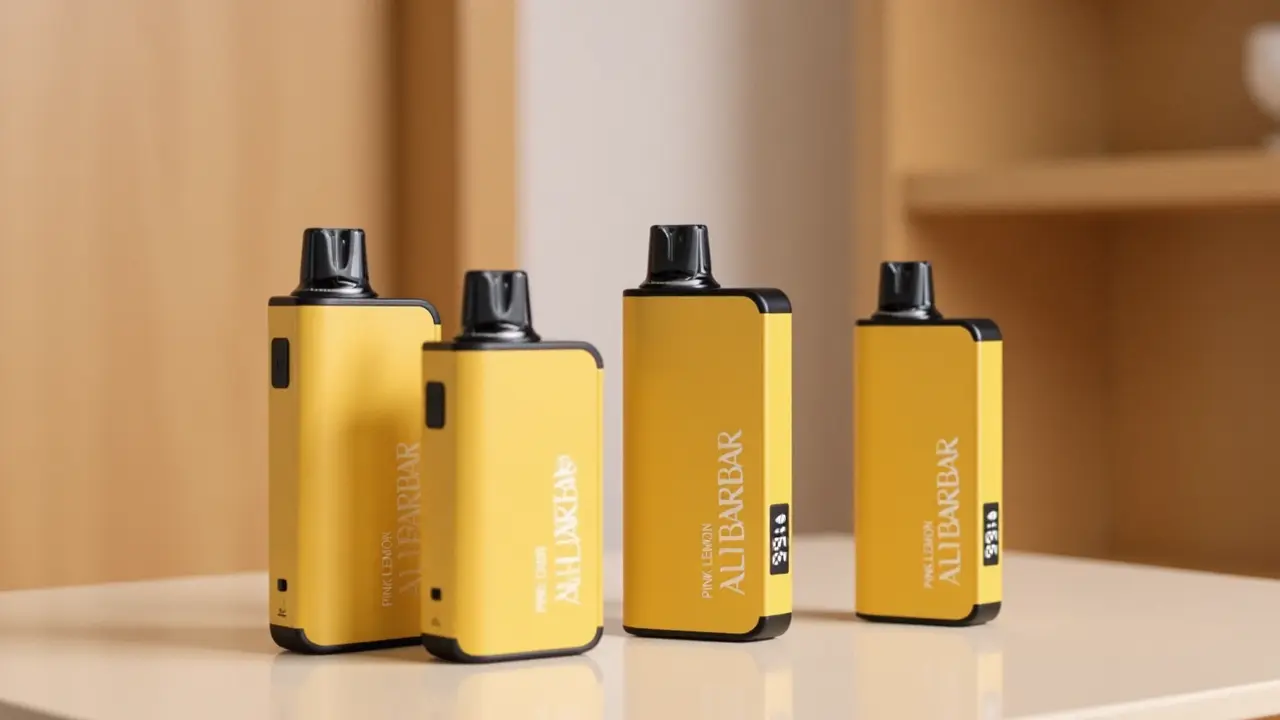
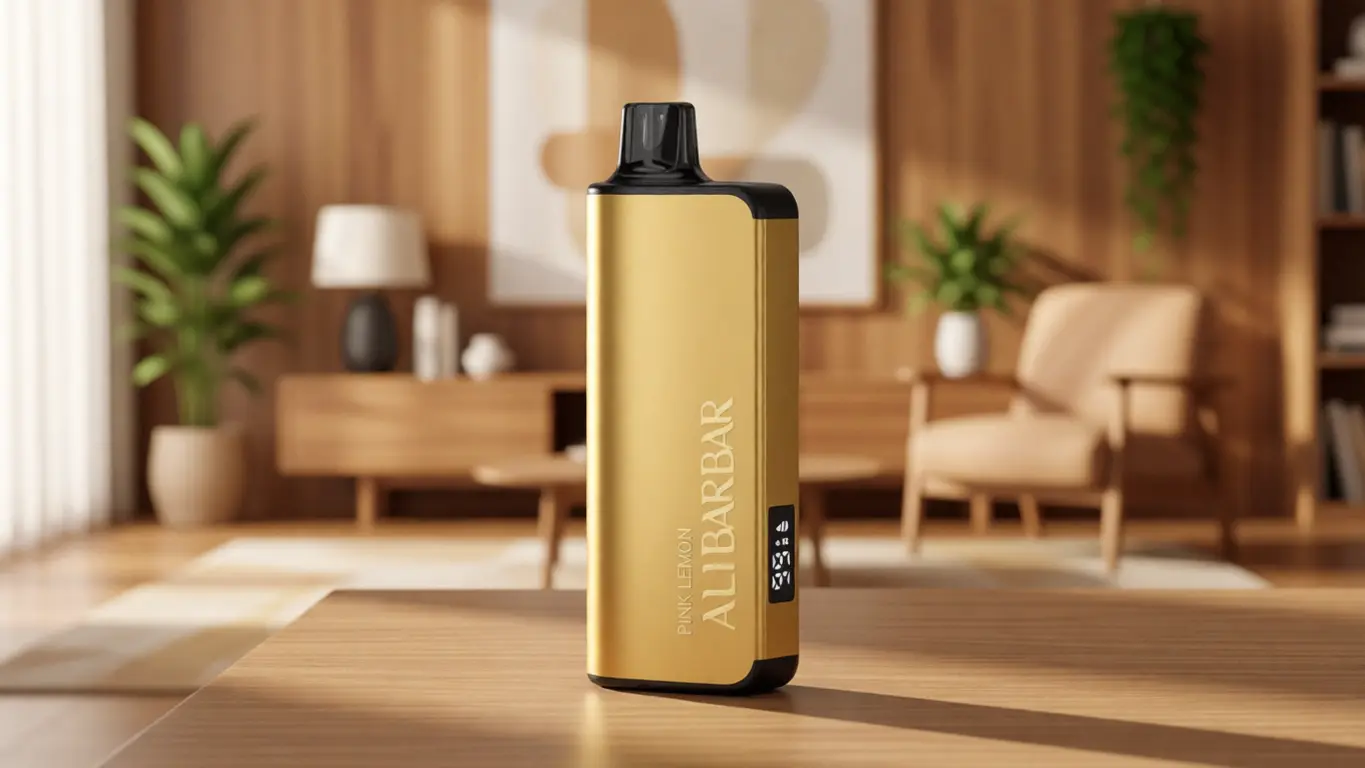
This is where device engineering becomes relevant. Pre‑filled systems manufactured with controlled output per draw allow a much better estimate of total consumption than open systems where voltage, resistance, and liquid quality vary. A product family like the ALIBARBAR INGOT series, built around standardised factory‑sealed pods, removes some of the guesswork from intake estimation — not because it promises anything about clearance times, but because its architecture reduces dosing variability.
Individual Metabolism
Liver enzyme activity, governed largely by genetics, determines how fast nicotine converts to cotinine. People with a high proportion of the CYP2A6 enzyme metabolise nicotine rapidly; those with a less active variant clear it more slowly. Age, liver health, and certain medications (such as rifampicin or oral contraceptives) can speed or slow the process further.
Hydration and Diet
Contrary to internet folklore, drinking water does not “flush out” nicotine in any meaningful sense. Cotinine is excreted by the kidneys continuously, and aggressive hydration may dilute urine concentration below a cutoff threshold in the short term — but this is a dilution effect, not accelerated clearance. A more subtle factor is urinary pH: acidic urine (influenced by diet) can increase renal elimination of nicotine itself, though the effect on cotinine is modest.
Product Architecture and Dosage Control
The type of device used shapes how much nicotine enters the bloodstream per session. Devices with precise power regulation and consistent coil resistance produce repeatable output; variable-voltage mods and rebuildable atomisers introduce more uncontrolled variables. This is not an argument for one form factor over another — it is an observation that the harder it is to estimate intake, the harder it is to predict clearance. Adults who value predictability often gravitate toward systems where the output per activation is factory‑calibrated, a design principle visible in sealed-pod and closed‑cartridge products.
A Framework for Estimating Your Own Clearance
No calculator can replace a laboratory result, but a structured estimation process can reduce uncertainty. Use the following approach:
Log your actual usage for at least one week. Record session frequency, duration, and the labelled strength of the consumable you are using. If your device has a puff counter or status indicator, note it — these features reduce recall error.
Identify your user profile. Are you light (fewer than 3 sessions per week), moderate (daily, but not chain‑use), or heavy (continuous use throughout waking hours)?
Use the conservative end of the detection range. If a daily heavy user may test positive in urine for three weeks, plan for that full window unless you have lab evidence to the contrary.
Consider the specific test type. Hair follicle? Assume 90 days. Saliva? A week of abstinence clears most moderate users. Blood? Three days is usually sufficient unless use is extremely heavy.
Do not rely on home detox products. No commercially available drink or supplement reliably accelerates cotinine clearance. Their effects come primarily from temporary dilution — a strategy that laboratories are trained to detect.
When in doubt, seek a quantitative home test before a formal screen. These can give you a rough cotinine concentration so you can track your own elimination curve over a period of days.
This framework is descriptive, not prescriptive. It does not guarantee negative results; it simply reduces the guesswork that surrounds an often‑misunderstood process.
Common Observations and Corrections
Industry conversations and support channels surface the same misunderstandings repeatedly. Addressing them directly builds a more useful knowledge base.
“Nicotine clears in 24 hours, so I don’t need to worry.”
Nicotine does. Cotinine does not. The metabolite is what most tests detect, and its half‑life extends the viability of a positive result far beyond the acute effects of the parent compound.
“All devices deliver the same amount, so the clearance time is the same.”
Hardware variability leads to exposure variability. Two people using products labelled “5% strength” can have markedly different plasma levels depending on coil mass, power delivery, and inhalation behaviour. Recognising this prevents false reassurance.
“If I use a zero‑nicotine product, there’s nothing to detect.”
This is largely true for nicotine panels — but not for all tests. Some specialty assays look for propylene glycol metabolites or other signature compounds. Zero‑nicotine users concerned about a specific screen should verify exactly which analytes are being tested, not just assume clearance.
“Vaping is undetectable compared to smoking.”
Modern cotinine assays do not distinguish between nicotine sourced from combustion and nicotine sourced from vapour. The molecule is identical, and the testing methodology makes no distinction. The idea of “undetectable” vaping has no basis in laboratory practice.
“The only thing that matters is the lab result — not the device.”
While the lab result is the endpoint, the device determines the intake pattern that feeds into it. Understanding your device’s output characteristics and tracking your consumption in tangible terms makes it possible to make informed decisions about timing and dosage adjustments. This is not a promise of control; it is a demonstration that data beats assumption.
Frequently Asked Questions
Q: How long does nicotine from vaping stay in urine?
A: For occasional users, typically 3–4 days. For daily heavy users, it can remain detectable for up to three weeks, depending on the test’s sensitivity and individual metabolism.
Q: Can second‑hand vapour cause a positive drug test?
A: Possible, but extremely unlikely at standard screening thresholds. Significant passive exposure in confined, unventilated spaces over long periods could theoretically produce low‑level positives, but ordinary ambient exposure rarely reaches cutoff levels.
Q: Does drinking a lot of water help clear nicotine faster?
A: No. Water intake may temporarily dilute urine concentration below a detection threshold, but it does not accelerate metabolic clearance or change the amount of cotinine excreted per hour. Over‑hydration can sometimes trigger re‑testing or suspicion of tampering.
Q: How accurate are home cotinine test strips?
A: Moderately. Most over‑the‑counter urine strips can detect cotinine above 200 ng/mL, which aligns with common screening cutoffs. They are useful as a preliminary indicator but should not be treated as conclusive for legal or employment purposes.
Q: What if I use a device with variable power — does that change the detection time?
A: It can, because power settings influence nicotine delivery per puff. Higher power tends to increase the dose per inhalation, which may lead to higher cumulative intake and a longer clearance window. This is why consistent‑output devices simplify intake estimation.
Q: I heard that vaping cotton or wicking material can affect the test. Is that true?
A: No. Standard nicotine/cotinine tests measure specific molecules and are not affected by minor byproducts of coil or wick materials. Contaminants from degraded hardware are a separate safety issue but do not cross‑react with typical immunoassays.
Q: Does exercise speed up nicotine elimination?
A: Not meaningfully. While increased metabolism during exercise may slightly raise the rate at which the liver processes nicotine, the effect is too small to shorten detection windows by more than a few hours. Cotinine is not stored in fat tissue in significant amounts, so fat‑burning activity does not release hidden reserves the way it can with THC.
Q: Are there any products that truly block or mask cotinine?
A: No. Products marketed as “detox” agents have not demonstrated reliable, peer‑reviewed evidence of blocking immunoassay detection. Most work by diluting urine or adding detectable adulterants, both of which can be identified by a competent laboratory.
Q: What should I tell a testing administrator if I use a device?
A: Always answer honestly if asked directly. Concealing legal use rarely provides a benefit and can, in some jurisdictions, trigger integrity‑related disqualification. If you are prescribed a nicotine product for smoking cessation, that documentation may be relevant.
Q: I use a product with a sealed pod and known stated strength. Does that guarantee a predictable clearance?
A: It improves the accuracy of intake estimation compared to open systems, but guarantees are impossible. Biological variability, hydration, and testing sensitivity still create a range. A known‑strength sealed system reduces one source of uncertainty, not of all of them.
Where Informed Decisions Begin
The question “How long does vape last in your system?” ultimately has no single answer anyone can give you without knowing your physiology, your pattern of use, and the test that will be applied. What is possible is to replace vague assumptions with a clear understanding of the metabolic timeline, the influence of product architecture on intake consistency, and the reliable steps one can take to assess personal clearance with more accuracy.
Adults who take the time to learn these details tend to make better choices — not because they are swayed by marketing, but because they understand the engineering behind the products they use and the biology that processes them. Information from a source committed to transparency, such as OZVAPE Shop, can help by providing honest device specifications and, where relevant, contextual guidance about what a product’s design means for real‑world use. But the final responsibility for understanding one’s own situation rests with the individual, as it should. An informed user is simply a safer, more autonomous one.