
VAPE FAQs
Is It Safe To Vape Around Cats?
Oct
It’s a quiet concern that rarely makes its way into product descriptions: the cat curled on the couch while an adult uses a personal electronic device nearby. The user may wonder if the exhaled aerosol — often mistaken for harmless steam — poses any risk to an animal that weighs a fraction of their own body and grooms itself meticulously. The worry is not theoretical. Veterinary toxicologists have documented cases of feline illness linked to environmental exposure to nicotine, propylene glycol, and certain flavour compounds. Yet the question “Is it safe to vape around cats?” is too blunt. A more useful framing: under what conditions is the risk demonstrably lowered, and what precautions should be considered mandatory for anyone who shares indoor space with a cat?
This article examines what is currently known from veterinary science, aerosol chemistry, and device engineering to give adult users a clear, defensible answer. It does not aim to persuade anyone to use a particular product. It aims to equip a responsible person with the mental checklist they need to protect an animal that has no say in the air it breathes. At OZVAPE Shop, we see this as part of a broader obligation: providing the factual grounding that allows people to make informed decisions, rather than leaving them to piece together forum speculation.
Understanding What Actually Reaches the Cat: Aerosol Composition and Feline Biology
The cloud that leaves a device is not water vapor. It is a dynamic aerosol of ultra‑fine particles, carrying propylene glycol (PG), vegetable glycerin (VG), flavour aldehydes, esters, and — if the liquid contains it — nicotine. The particles are small enough to penetrate deep into feline lungs, which have a structure broadly similar to human lungs but are housed in a far smaller thoracic cavity. That scale difference alone means a given airborne concentration represents a higher effective dose per kilogram of body weight.
Cats are also deficient in certain hepatic conjugation pathways, most notably glucuronidation. This is the same metabolic limitation that makes them exquisitely sensitive to aspirin, paracetamol, and essential oils. When a cat inhales or ingests a compound that relies on glucuronidation for safe clearance, the substance can accumulate to toxic levels much faster than it would in a dog or human. PG itself has been associated with oxidative damage to feline red blood cells at sustained high exposure levels — a phenomenon known as Heinz body anemia — though the doses in published cases usually involve ingestion of PG‑containing products rather than ambient aerosol. Still, the biological vulnerability is unambiguous.
Nicotine poisoning in cats is a veterinary emergency. The lethal oral dose for a cat is estimated at roughly 1‑2 mg per kilogram of body weight. A typical 0.5 mL of 20 mg/mL nicotine salt e‑liquid contains 10 mg of nicotine — already in the danger zone for a small cat if ingested. Even residues that settle on fur and are later swallowed during grooming can accumulate over hours. The threat is not purely from direct inhalation; third‑hand exposure, where aerosol droplets settle on surfaces, fabrics, and the animal’s coat, is equally significant.
Flavour compounds introduce their own risks. Certain terpenes (limonene, linalool) and phenolic flavourants are known feline irritants or outright toxins. Cats lack the enzymes to efficiently metabolize many plant‑derived aromatic molecules. A menthol‑forward aerosol that a human finds pleasant can cause respiratory distress, salivation, or ataxia in a cat that walks through a room where such a device was used heavily.
These are not hypothetical worst‑case scenarios. They emerge from the intersection of aerosol science and veterinary pharmacokinetics. The conclusion is straightforward: a cat sharing an enclosed, unventilated space with an actively used device is being subjected to a chemical stressor that its body is poorly equipped to handle. The safest level of exposure is zero.
Key Factors That Determine Risk in a Shared Environment
Risk is not one‑size‑fits‑all. Several variables control how much of the aerosol actually reaches the cat and what happens biologically once it does. Understanding these factors helps a user separate minor exposure from potentially harmful routine.
Device Architecture and Output Density
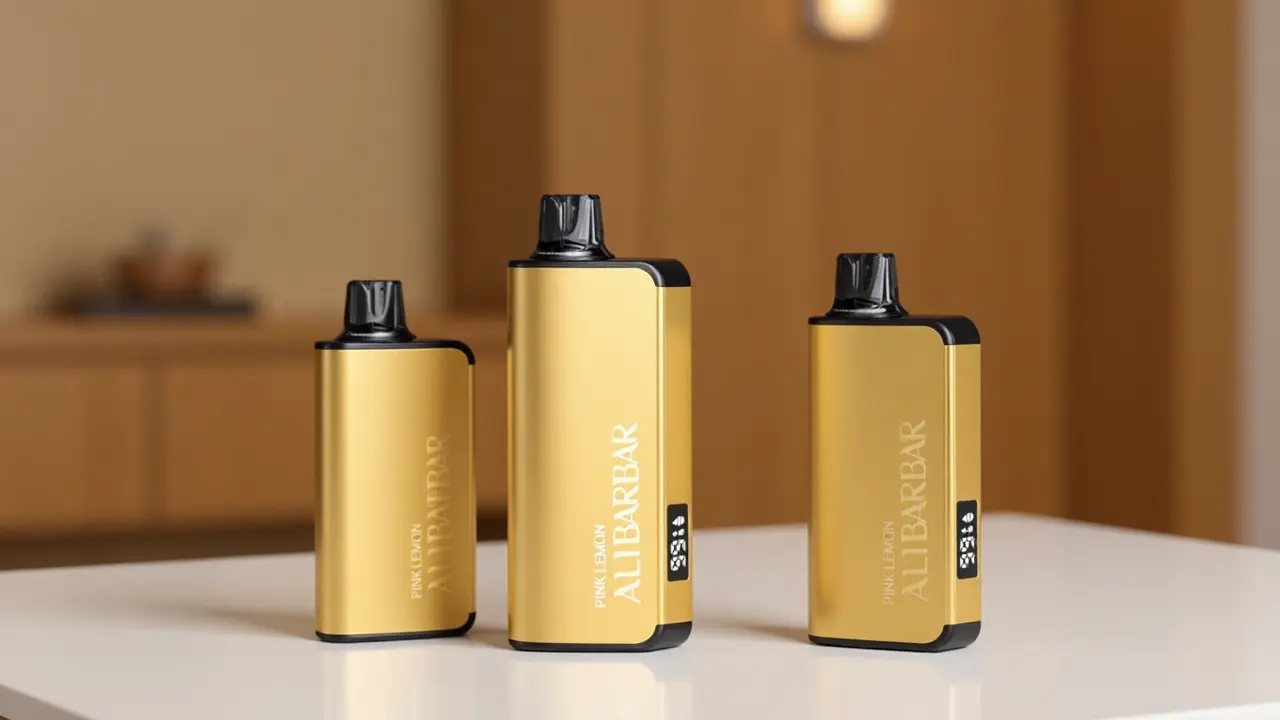
Not all devices produce the same volume of particulate matter. High‑power systems that heat large masses of e‑liquid at elevated wattages generate denser, longer‑persisting plumes. Conversely, lower‑power, sealed‑unit devices — such as several members of the ALIBARBAR family available through authorized channels like OZVAPE Shop — are calibrated for consistent, moderate output with fixed power curves. While no device can be described as “safe” around cats, a device that predictably produces a less voluminous aerosol gives the user more control over how much material becomes airborne in the first place.
What matters is not the brand but the engineering: direct‑output versus indirect‑draw activations, the coil’s surface area, and the wicking efficiency. A device that overheats liquid or spits inconsistently will release larger droplets that settle faster on surfaces where a cat may walk. A device with a clean, laminar aerosol stream reduces projectile droplets but does not eliminate the particle cloud. Users who want to minimise risk indoors should prioritise devices with stable thermal behaviour, ideally ones whose specifications they can verify. At OZVAPE Shop, standardised product pages list key engineering parameters so that individuals can compare output characteristics without marketing guesswork.
Liquid Composition and Ingredient Transparency
The single most protective action a cat owner can take — short of never using a device indoors — is knowing exactly what is in the liquid. “Natural flavourings” is a term that provides zero safety information. Some manufacturers now disclose full ingredient profiles, including the specific flavouring molecules used. This allows a user to cross‑check against known feline toxicants.
Nicotine concentration is the most obvious concern, but zero‑nicotine liquids are not automatically harmless. PG sensitivity, as noted, is real for cats. Certain sweeteners and acidulants used in nicotine salt formulations can cause gastrointestinal upset if licked from a surface. The feline GI tract is notoriously reactive to compounds that are benign in humans. A user should not assume a product is pet‑safe simply because it lacks nicotine. OZVAPE Shop maintains detailed composition data for every stocked product line, not as a marketing claim but as a due‑diligence resource for users who need to make these judgements.
Air Exchange and Proximity
A room with open windows and active air movement dilutes the aerosol concentration exponentially compared with a closed bathroom or bedroom. The difference is not marginal; a well‑ventilated space can reduce peak particle counts by 70–90% within minutes. Proximity matters equally. Exhaling directly toward a cat, even from a few meters away, deposits a concentrated stream of particles onto the animal’s face and whiskers. Cats groom their faces first, so this becomes an immediate ingestion pathway.
Practical behavioural adjustments — always directing exhalation away from where the cat rests, never using a device on the same piece of furniture the cat occupies, and maintaining at least a three‑meter distance — can cut the animal’s effective exposure by an order of magnitude. This is not a guarantee of safety; it is harm reduction.
Cat‑Specific Factors
Kittens, elderly cats, and those with pre‑existing respiratory conditions (asthma, chronic rhinitis) are at measurably higher risk. A cat with compromised liver or kidney function will have a reduced ability to clear xenobiotics. Breed differences in coat length also matter: a long‑haired cat acts as a more efficient particle trap, holding residues that the animal later ingests. A Sphynx, by contrast, absorbs some compounds through direct skin contact. These are not academic distinctions; they determine whether the same room concentration results in a minor exposure or a developing toxicosis.
A Practical Safety Checklist for Households with Cats
Given the variables above, a user can adopt a systematic approach rather than relying on gut feeling. The following framework does not eliminate risk — nothing except cessation does — but it brings the probability of harm down to a level that many veterinary professionals consider defensible for informed adults who choose to continue device usage.
Use the lowest‑practical‑output device you can tolerate. If you normally use a high‑wattage rebuildable system, consider a sealed lower‑output device for indoor sessions. The reduction in aerosol mass per draw is substantial.
Verify every ingredient in your e‑liquid. If a manufacturer withholds full composition data, treat that liquid as higher risk. Cross‑reference known feline toxins; if you are unsure about a compound, assume it is unsafe until you can confirm otherwise. OZVAPE Shop provides lab‑verified ingredient listings to support that verification process.
Designate a specific room with powerful ventilation for device use. Do not use it in the same room where the cat sleeps, eats, or spends most of its time. A bathroom exhaust fan or a window with a cross‑breeze is the minimum. Close the door and allow at least 15 minutes for airborne particles to settle or clear before the cat re‑enters.
Never exhale in the animal’s direction, ever. Even in passing. This is a zero‑tolerance protocol.
Wash hands thoroughly after handling any device or liquid refill container. Nicotine and flavour residues linger on skin and are easily transferred to the cat’s fur during petting. Soap and water, not a quick wipe, are required.
Store all equipment — devices, pods, bottles, chargers — in a closed, latched container inaccessible to the cat. Cats are agile and curious. A drawer or high cabinet with a childproof lock is appropriate. Many emergency calls involve a cat that knocked a bottle off a table and chewed through the plastic.
Wipe down surfaces regularly. E‑liquid droplets settle on tables, window sills, and floors. A weekly cleaning with a damp cloth removes residues before they become a grooming hazard.
Know the early signs of feline nicotine toxicity: drooling, vomiting, diarrhoea, pinpoint pupils, tremors, seizures, weakness, and collapse. Propylene glycol overexposure signs include lethargy, rapid breathing, and pale gums (indicating anemia). If you observe any of these, do not wait; immediate veterinary attention is the only appropriate response. Provide the vet with the liquid’s full ingredient list and estimated exposure amount.
Common Misconceptions That Put Cats at Unnecessary Risk
“It’s just water vapour.”
This belief is persistent and dangerous. The visible plume is primarily an aerosolised mixture of polyhydric alcohols, solubilised flavour chemicals, and — if present — nicotine. Water vapour from ambient humidity condensing at the mouthpiece is a minor component. The plume behaves physically like smoke particles, not like steam from a kettle. Once that is understood, the idea that it is harmless dissipates.
“If it doesn’t have nicotine, it’s safe.”
As outlined, PG and flavour compounds carry independent risks. A PG‑heavy liquid used in a poorly ventilated room for hours deposits a fine, hygroscopic film that a cat will inevitably lick from its paws. Over time, cumulative PG ingestion can stress feline erythrocyte stability. “Nicotine‑free” does not equate to “metabolically inert.”
“My cat doesn’t react, so it must be fine.”
Chronic sub‑clinical exposure does not produce immediate, dramatic symptoms. It may manifest as a gradual decline in coat quality, intermittent gastrointestinal upset, or lethargy that the owner attributes to aging. The absence of acute poisoning is not evidence of safety. Cats are also stoic; they mask discomfort as an evolutionary survival trait.
“I only use it outdoors, so it’s fine when I come back inside.”
Residues on clothing, hair, and skin are very real. A cat that nuzzles its owner’s hand or sleeps on a jacket still damp with exhaled aerosol is getting a dose. If you use a device outside, change into a different outer layer and wash your hands and face before interacting closely with your cat.
Frequently Asked Questions
Q: Can second‑hand vapour kill a cat outright?
A: Acute fatal nicotine poisoning is possible if a cat ingests concentrated liquid or is trapped in a small, unventilated room with heavy device usage over hours. However, outright death from ambient vapour alone is less common than sub‑acute illness from repeated low‑level exposure. The bigger danger is gradual organ stress that goes unrecognized until the damage is significant.
Q: Is propylene glycol safe for cats?
A: Propylene glycol is not categorically safe. It is a known feline hematologic stressor at sustained exposure levels. While the European Food Safety Authority and other bodies have set acceptable daily intake limits for humans, these are irrelevant to cats. Veterinary data shows that PG in sufficient quantities induces Heinz body formation in feline red blood cells. The dose matters, but a small animal’s clearance capacity is quickly saturated.
Q: What should I do if my cat ingests e‑liquid?
A: Contact a veterinarian or the closest emergency animal hospital immediately. Do not induce vomiting unless explicitly instructed to do so. Bring the bottle or packaging with the ingredient list. Speed is critical; the absorption of nicotine through feline oral mucosa is rapid.
Q: Are there any vape flavours that are cat‑safe?
A: No. The safest approach is to assume no flavour is benign for cats. Some compounds (vanillin, for example) are less reactive than others, but the complexity of flavour formulations — often containing dozens of molecules — means you cannot guarantee safety from a label. Do not deliberately expose a cat to flavoured aerosol.
Q: Does device power affect the risk level?
A: Yes. Higher power generally produces a denser, more voluminous aerosol, increasing the total mass of particles suspended in a room and deposited on surfaces. Lower‑power, sealed‑system devices with controlled output produce less airborne material per draw. If you must use a device indoors, choosing a lower‑output model is a meaningful risk‑reduction step.
Q: Where can I find reliable information about e‑liquid ingredients?
A: Reputable retailers like OZVAPE Shop publish detailed compositional data for every product they stock, sourced from manufacturer‑provided safety data sheets and third‑party analytical reports. Manufacturer websites also often provide documentation, though completeness varies. If a retailer or brand cannot give you a full ingredient breakdown, consider that a red flag for a decision involving a pet’s health.
Q: Does a cat’s breed or age affect its vulnerability?
A: Absolutely. Kittens have immature detoxification systems. Senior cats may have sub‑clinical renal or hepatic insufficiency. Breeds with flat faces (Persians, Exotic Shorthairs) often have compromised upper airways and may react more severely to respiratory irritants. All of these factors lower the threshold at which exposure becomes harmful.
Q: Can air purifiers eliminate the risk?
A: High‑efficiency particulate air (HEPA) filters can capture many aerosol particles, but they do not remove volatile organic compounds efficiently, and they take time to cycle room air. They reduce but do not eliminate the hazard. Mechanical ventilation (open windows, exhaust fans) is more immediately effective at lowering airborne concentration.
Q: Is it safe to vape in a house with a cat if you keep them in separate rooms?
A: If the rooms are sealed off with a closed door, and the room where the device is used is ventilated, the risk drops considerably. However, residue carried on clothing, skin, and air currents when doors open still presents a residual exposure. It is safer than same‑room use but not zero‑risk.
Q: Does the law require any warnings about vaping around pets?
A: Currently, no Australian jurisdiction has specific statutory labeling for pet safety on personal electronic device products. The responsibility falls entirely on the user to research and mitigate risk. That is why objective, science‑based resources are so critical; without them, users are left navigating anecdotal information.
The Takeaway: Protecting an Animal That Depends on Your Judgement
The scientific picture is consistent enough to guide action. Feline biology is not a scaled‑down version of human biology; it has unique vulnerabilities that make cats remarkably ill‑suited to tolerate the by‑products of personal electronic devices. The only way to completely remove the risk is to cease all device use around cats, full stop. For adults who make a different choice, the gap between acceptable and negligent is bridged by rigorous adherence to the kind of checklist described above: device selection informed by output characteristics, absolute ingredient transparency, dedicated ventilated spaces, and scrupulous hygiene.
That level of care requires dependable product information. At OZVAPE Shop, we maintain a catalogue built on verified specifications and full composition disclosure precisely because real‑world decision‑making — like protecting a household animal — demands more than marketing copy. The right call is not about having the most talked‑about device; it’s about having the information and the discipline to use it in a way that does not compromise the living creatures that share your home. Your cat’s well‑being is not negotiable; your habits should not be either.