
VAPE FAQs
How To Tell If Vape Is Burnt?
Oct
If you have ever taken a draw from a personal electronic device and immediately recoiled at a harsh, acrid taste that lingers on the palate, you have encountered the phenomenon commonly described as a “burnt hit.” This experience is not merely unpleasant — it signals that the device’s internal heating assembly has been pushed beyond its intended operating parameters, and continued use in this state can degrade both performance and user satisfaction.
The challenge for many users is distinguishing between a genuinely burnt device and other forms of altered flavour that may arise from normal operation. A device that has reached the end of its reliable service life behaves differently from one that is simply responding to a change in environmental temperature or user draw technique. Understanding these distinctions allows you to make informed decisions about when to continue using a device, when to adjust your approach, and when to replace it entirely.
This article provides a structured, evidence-based framework for identifying burnt conditions in portable electronic devices, explains why burning occurs at the engineering level, and offers practical guidance for avoiding the situation altogether. Whether you are evaluating a compact single-use unit or a more complex rechargeable system, the diagnostic principles remain consistent.
Understanding What “Burnt” Actually Means: Engineering and Physics
Before examining the symptoms, it is worth establishing what is happening inside the device when a burnt taste occurs. The term “burnt” is not metaphorical — it describes a real chemical process involving the thermal degradation of the materials used to transfer the active solution to the heating element.
The Role of the Wick and Coil Assembly
Every device in this category relies on a heating element — typically a metallic coil — surrounded by a porous material (commonly organic cotton or a ceramic composite) that holds the active solution. When the device is activated, the coil heats rapidly, and the solution held in the adjacent porous material vaporises. This is the intended function.
A burnt condition arises when the porous material becomes unable to supply fresh solution to the coil at the rate it is being vaporised. The coil continues to heat, but instead of vaporising liquid, it begins to decompose the dry porous material itself. In the case of organic cotton wicks, this produces the unmistakable flavour of singed plant fibre. Ceramic-based assemblies are less prone to immediate burning but can still degrade if the solution delivery is interrupted.
Root Causes of Thermal Degradation
The most common engineering-level causes of burnt conditions include:
Excessive power application: The device delivers more thermal energy than the wicking material can replenish with fresh solution. This is the primary mechanism in variable-output devices where the user selects a setting that exceeds the assembly’s capacity.
Insufficient solution saturation: The porous material has become dry — either because the solution supply is depleted, the device has been stored horizontally causing uneven distribution, or the wick has been saturated with high-viscosity formulations that do not travel efficiently.
Accumulated residue: Over extended use, non-vaporised components from the active solution can build up on the coil surface and within the wick material. This residue carbonises over time, producing a progressively more burnt flavour even when the wick remains adequately saturated.
Airflow obstruction: If the device’s air intake channels are partially blocked, the vapour cannot escape efficiently. The internal temperature rises, accelerating thermal degradation of the solution and the wick material alike.
Understanding these mechanisms is important because each cause requires a different corrective action. Simply discarding a device that has developed residue may be unnecessary if a cleaning or adjustment procedure is available. Conversely, a device that has genuinely exhausted its wick material integrity cannot be recovered and must be replaced.
The Sensory Checklist: Diagnosing Burnt Conditions Accurately
The most reliable diagnostic tools are your senses — taste, smell, sight, and hearing — applied systematically. The following checklist is organised by sensory modality and includes the contextual interpretation of each symptom.
Taste and Flavour Profile (Primary Diagnostic)
The taste of a burnt device is distinctive and difficult to confuse with other flavour changes once you have learned to recognise it:
Initial draw harshness: A burnt device produces a sharp, almost metallic sensation at the back of the throat on the first draw, followed by a lingering dry, ashy taste.
Loss of flavour definition: The intended flavour notes become flat or muddy, covered by an underlying scorched quality.
Progressive worsening: If the condition is caused by wick drying, the first draw may be tolerable, but subsequent draws become progressively more acrid as the wick becomes hotter and drier.
Sweetness without flavour: Some users report a “caramelised” or burnt sugar taste. This often indicates partial carbonisation of the solution’s sweetener components rather than full wick burnout.
Distinction from “new coil” taste: A burnt flavour should not be confused with the “break-in” taste that some heating assemblies produce during the first few draws. The break-in period typically produces a faint papery or dusty note that disappears within five to ten draws. A burnt flavour persists and intensifies.
Sensation and Mouth Feel
Excessive heat: If the vapour feels notably hotter than usual when it reaches your mouth, this is a strong indicator that the device is operating at an elevated temperature beyond its optimal range.
Throat irritation: A scratchy, irritated sensation that persists for several minutes after use suggests exposure to thermal degradation byproducts.
Reduced vapour production: Paradoxically, a device that is burning may produce less visible vapour because the wick is not supplying enough solution for efficient vaporisation. If you notice a drop in cloud volume accompanied by a harsh taste, the device is likely burnt.
Visual and Auditory Cues
Discolouration of the mouthpiece or housing: Some devices with transparent sections allow visual inspection of the wick material. If the wick appears brown, yellow, or charred rather than its original white or off-white colour, this indicates thermal damage.
Gurgling sounds: A device that gurgles when drawn upon may have excess solution in the central airway, which can cause flooding and, paradoxically, can lead to burning if the coil is struggling to vaporise the oversaturated wick efficiently.
Reduced airflow resistance: If the draw becomes noticeably easier — less resistance — this can indicate that the wick has shrunk or degraded, creating channels that allow air to bypass the heating assembly.
Common Misdiagnoses: What Burnt Is Not
One of the most frequent errors users make is misidentifying a different condition as a burnt device, leading to unnecessary discarding of a still-functional unit.
Flavour fatigue: After using the same flavour for extended periods, your palate can become desensitised. What you perceive as a “bad” flavour may simply be the absence of novelty. Switching to a different flavour for a few draws can help distinguish true burning from sensory adaptation.
Old solution: The active solution itself can degrade over time, especially when exposed to heat, light, or air. A device that has been sitting unused for weeks may produce a stale, flat taste that is easily confused with burning but is actually a solution stability issue.
Device not properly primed: New devices or replacement assemblies require a waiting period after filling to allow the wick to fully saturate. Using a device before this waiting period is complete will produce a dry, harsh taste that mimics burning but is reversible — once the wick is fully saturated, normal performance returns.
Post-refill inconsistency: Some devices require a brief settling period after being refilled. The first few draws may taste off until the solution has evenly distributed within the wick material.
Applying The Framework: Practical Decision-Making
When you suspect a burnt condition, the following decision tree can help determine the appropriate action:
Confirm the symptom: Take two consecutive draws. If both produce the harsh, acrid taste, the condition is likely genuine. If only the first draw is harsh and the second is normal, the issue is more likely related to initial dry wick recovery.
Assess solution level: If the device has a transparent section, check whether the solution level has fallen below the intake ports. If the wick is exposed above the solution line, the device is running dry and will burn. For fixed-output devices, this is an unrecoverable condition.
Evaluate usage duration: If the device has been in use for significantly longer than its rated operational life, the wick and coil have likely accumulated carbonised residue. Replacement is the appropriate action.
Try a cooling-off period: If the condition appears intermittently — for example, after rapid consecutive draws — the wick may be struggling to keep up with your pace. Set the device aside for five to ten minutes to allow the wick to re-saturate, then try again. If the condition resolves, your draw rate exceeds what the device can sustain.
For adjustable devices: If you are using a device with power output control, reduce the output setting by one increment and test again. If the burnt character disappears, you were operating above the assembly’s optimal range.
Prevention: Strategies For Avoiding Burnt Conditions Entirely
The most reliable approach to burnt devices is to avoid them altogether. The following practices will significantly reduce the likelihood of encountering this issue:
Maintain adequate solution levels: Do not allow the solution level to drop below the wick intake points. For single-use devices, this means replacing the unit when the solution is approximately one-third full, before the wick becomes exposed.
Allow inter-draw recovery time: Between consecutive draws, allow the device 15–30 seconds to replenish the wick. Continuous rapid draws are the single most common user-controllable cause of burning.
Store devices upright: Gravity helps keep the solution in contact with the wick. Storing devices horizontally or upside down allows the wick to dry out unevenly.
Monitor usage duration: Track how long a device has been in use. Most compact devices are engineered for a specific number of draws or a specific solution volume. Approaching this limit increases the probability of burning.
Use appropriate solution formulations: Higher-viscosity solutions with high sweetener content require more efficient wicking and are more prone to carbonisation. If you consistently experience burning, consider whether the solution formulation is appropriate for the device’s wicking capacity.
When Replacement Is The Only Option
Despite best practices, every device eventually reaches a point where the wick and coil assembly has degraded beyond recovery. The signs that replacement is necessary and appropriate include:
Persistent burnt taste that does not resolve after cooling-off periods or adjustments
Visible discolouration of the wick material that does not clear after resting
Prolonged use well beyond the manufacturer’s rated operational life
Physical damage to the device housing or connection points
In these cases, continued use is not advisable. The thermal degradation byproducts produced by a burnt device are not intended for inhalation, and the device’s performance will continue to deteriorate, delivering an increasingly unsatisfactory experience.
Frequently Asked Questions
Q: How can I tell if my device is burnt without tasting it?
A: Visual inspection of the wick through any transparent sections is the most reliable non-taste indicator. A white or off-white wick indicates the device is not burnt. A brown, yellow, or charred wick confirms thermal degradation. You can also hold the device close to your nose after a draw — a burnt device will emit a distinct acrid odour.
Q: Why does my device taste burnt even though it has plenty of solution?
A: This indicates one of two conditions: either the wick is not absorbing solution efficiently (possibly due to residue buildup or high-viscosity formulation), or the power output is too high for the wick’s replenishment rate. Try reducing the output setting if available, or allow longer intervals between draws.
Q: Is it dangerous to use a burnt device?
A: While the immediate sensory experience is unpleasant, the primary concern is the inhalation of thermal degradation byproducts from the heated wick material rather than an acute safety hazard. The more significant practical risk is that a burnt device delivers a diminished experience and may mask proper flavour perception, leading to dissatisfaction.
Q: How long should a typical single-use device last before it might burn?
A: This depends on the device’s rated operational life and your usage pattern. A device rated for 9000 draws used at a moderate pace of 200 draws per day should reach its end of life around day 45. However, heavy users who take rapid consecutive draws may experience burning earlier. It is prudent to monitor the solution level and replace the device before it runs dry.
Q: Can I fix a burnt single-use device?
A: No. Single-use devices are hermetically sealed and do not allow user access to the wick or coil assembly. Once a burnt condition has occurred, the device has reached the end of its service life and must be disposed of and replaced.
Q: Why does a brand-new device sometimes taste burnt immediately?
A: This is most commonly caused by insufficient priming — the wick was not given enough time to fully saturate before the first use. Allow the device to sit upright for 5–10 minutes after first activating it before taking the first draw. If the burnt taste persists after several draws, the device may have a manufacturing defect and should be evaluated for replacement.
Q: Does the flavour of the solution affect the likelihood of burning?
A: Yes. Sweet, dessert-style formulations containing added sweeteners are more prone to carbonisation on the coil, which can contribute to a burnt character over time. Clear, simpler formulations generally leave less residue and reduce burning risk.
Q: How does OZVAPE Shop ensure that the devices I purchase are not already degraded?
A: OZVAPE Shop sources exclusively from factory-authorised distribution channels, ensuring that devices are stored and handled according to manufacturer specifications. All devices are verified for packaging integrity before dispatch, and the shipping process is managed to minimise exposure to extreme temperatures that could accelerate solution degradation.
Making Informed Decisions
The ability to accurately identify a burnt device is a fundamental skill that directly affects both satisfaction and responsible product use. By understanding the engineering mechanisms involved, applying systematic sensory diagnostics, and recognising the difference between genuine burning and other flavour variations, you can avoid the frustration of premature disposal while also knowing definitively when a device has reached its end of life.
No device family is immune to the physics of thermal degradation — the challenge is not finding a device that never burns, but learning to read the signals that tell you where the device is in its lifecycle at any given moment. With practice, these signals become second nature, and the unpleasant surprise of an unexpected burnt draw becomes a rarity rather than a recurring experience.
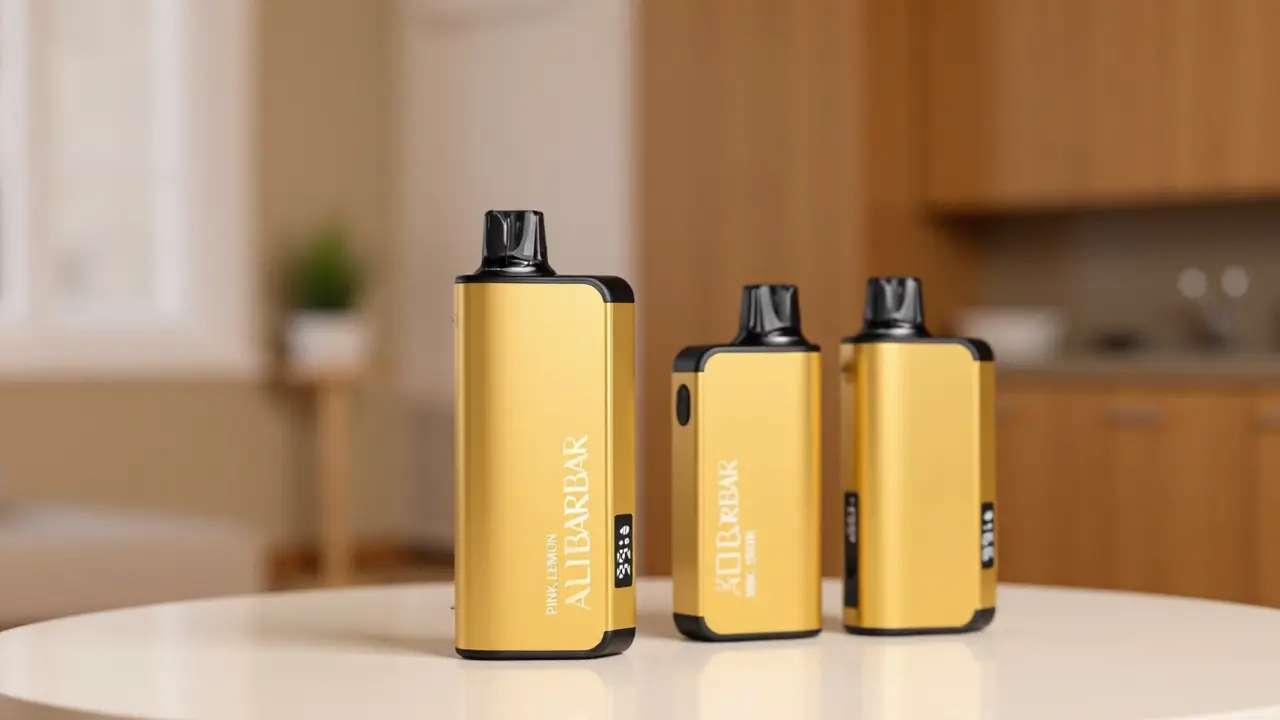
At OZVAPE Shop, we prioritize providing accurate, standardized information and factory-certified inventory so that when you evaluate a device, you are evaluating its genuine engineering — not a product that has been compromised by improper storage, damaged packaging, or an opaque supply chain. Whether you are exploring the ALIBARBAR INGOT series for its robust build and consistent output, or considering the Ice Adjust range for its variable experience profile, the principles in this guide apply equally. The right choice is the one that matches your actual daily routine — your draw speed, your flavour preferences, your tolerance for tinkering — and being able to evaluate a device honestly is the only way to find that match.