
VAPE FAQs
Is It Okay To Leave Vape In Car?
Aug
It’s a question that comes up far more often than most instruction manuals acknowledge — usually in the middle of a long summer drive, or when someone is rushing into a venue that doesn’t allow devices inside. The car feels like a temporary, private space, so leaving a personal electronic device on the seat or in the glovebox seems reasonable. But is it actually safe? And what does it do to the device’s lifespan and performance?
A clear, evidence-based answer requires looking past blanket warnings and understanding the specific engineering realities of the device you’re using. OZVAPE Shop has spent years documenting how different device architectures react to real-world conditions, and this article is a candid, technically grounded look at what happens when a vape is left in a vehicle — and what you can do to avoid the most common regrets.
What Actually Happens Inside a Parked Car
Before assessing any particular device, it’s worth understanding the environment we’re talking about. A closed vehicle in direct sunlight functions as a greenhouse. Within 30 minutes, interior temperatures can rise 20–25°C above the outside ambient temperature. On a 30°C day, dashboard surfaces can exceed 60°C; the cabin air itself often settles above 45°C.
This matters for three reasons:
Battery chemistry: Lithium-ion cells are rated for safe operation within a defined window — typically 0°C to 40°C for discharge, and a narrower 10°C to 30°C for charging. Sustained exposure above 50°C accelerates internal degradation and, in worst-case scenarios, can trigger thermal runaway.
E-liquid properties: Elevated temperatures thin out e-liquid considerably. This can cause flooding of the heating element, inconsistent output, and leakage through pressure-equalisation ports that would otherwise remain sealed.
Material stress: Plastics, adhesives, and seals expand at different rates. Repeated thermal cycling loosens press-fit components, degrades mouthpiece O-rings, and can cause the outer finish to delaminate or discolour.
The short answer is that no device is engineered to be left indefinitely in a hot car, but some designs tolerate brief, incidental exposure far better than others. That distinction comes down to architecture.
Four Design Factors That Determine Heat Resilience
When evaluating whether a particular device can survive time in a vehicle — or what the consequences will be if you forget it — there are four engineering dimensions worth examining.
1. Battery Cell Quality and Protection Circuitry
Not all lithium-ion cells behave identically under thermal stress. Devices that use higher-grade cylindrical cells (often from established manufacturers like Samsung SDI or LG Chem) tend to have more consistent internal resistance as temperature rises, meaning they generate less self-heating during discharge. More importantly, well-engineered devices incorporate secondary protection circuitry — independent over-temperature cutoffs, short-circuit protection, and pressure vents — that are absent in generic, cost-optimised units.
Why this matters in a car: If a device is left in a hot glovebox and the internal temperature climbs past 55°C, a unit with only basic protection may continue to allow trickle discharge or accidental activation, compounding the thermal load. A device with robust protection will shut itself down gracefully before entering a danger zone.
How to recognise it: Look for detailed battery specifications in the product documentation — not just capacity, but manufacturer origin and listed protection features. If the manufacturer is unwilling or unable to name the cell supplier, that’s a signal.
2. Liquid Reservoir and Airflow Isolation
Hot e-liquid thins, and thin liquid finds its way through tiny clearances. The critical variable is whether the liquid pathway is mechanically isolated from the electronics and the battery. Devices that use a fully sealed pod system — where the coil, wick, and reservoir form a single, replaceable unit with no external openings when at rest — have a lower probability of leakage into the main body of the device. Conversely, open-tank systems and designs with large coil-access ports rely heavily on surface tension and viscosity to hold the liquid in place, and that surface tension collapses rapidly above 40°C.
Why this matters in a car: A leaked device is not just messy; it can coat internal contacts, block airflow sensors, and create a path for moisture to reach live circuitry. In a car glovebox, where the device might be tilted or inverted, a leaky pod can render the device inoperable within an afternoon.
How to recognise it: Evaluate the liquid path design. A transparent, self-contained pod that you can squeeze without triggering release is a good sign. Devices where e-liquid can freely move between the tank and the coil chamber under thermal pressure should be treated with more caution.
3. Case Material and Thermal Mass
Metal-bodied devices absorb and conduct heat quickly. In direct sun, an aluminium chassis can become uncomfortably hot within minutes, and it transfers that heat directly to the battery and internals. High-quality polymers, by contrast, act as thermal insulators, slowing the rate at which core components heat up. However, low-grade plastics can soften or warp under extreme cockpit temperatures, which is why material specification matters.
Why this matters in a car: A device with a polymer shell and effective internal heat-shielding gaps can remain at a safe core temperature for 15–30 minutes longer than an all-metal equivalent, buying you time if you’ve made a short stop. The outer surface temperature also matters for handling; you don’t want to return to a device you can’t grip comfortably.
How to recognise it: Temperature resistance usually appears in the technical notes as “operating temperature range” or “material melting point”. The ALIBARBAR INGOT series, for example, uses a polycarbonate alloy that maintains rigidity well beyond typical automotive cabin peaks, and the mouthpiece contour is designed to stay below the thermal transfer rate of the main body.
4. Status Transparency and Auto-Shutdown Logic
The most common practical concern about leaving a device in a car isn’t catastrophic failure — it’s returning to a unit that has drained its battery or fired accidentally while you were away. Many modern devices incorporate a puff-activated switch, which is sensitive to pressure changes. A hot car interior can, in theory, create enough pressure fluctuation to wake the device or trigger a non-inhalation firing event. Devices with a physical lock switch or an intelligent gyroscopic inactivity timer are inherently safer in this scenario.
Why this matters in a car: If the device activates while pressed between seat cushions or inside a center console, it becomes its own heat source, compounding the environmental temperature. A device that communicates its status clearly — for instance, with a precise battery percentage rather than a three-light indicator — lets you assess whether it has experienced unintended discharge.
How to recognise it: Check for a dedicated off/lock mechanism or a described auto-shutdown timer. The ALIBARBAR Ice Adjust 12000, for instance, integrates a vibration-based inactivity sensor that cuts power after a set period without user grip, significantly reducing the probability of accidental activation in confined spaces.
How ALIBARBAR Devices Handle Automotive Stress
The ALIBARBAR family, available through OZVAPE Shop, was developed with an acute awareness of the environments where people actually carry and occasionally forget their devices. Several structural choices reflect this:
Battery cell sourcing: ALIBARBAR uses identifiable, factory-certified lithium-ion cells with documented thermal cut-off thresholds. The battery assembly includes physical separation from the atomiser chamber, reducing conduction heating during high-temperature events.
Pod seal integrity: The INGOT and Ice Adjust lines use multi-point silicone compression seals that maintain closure even when internal liquid viscosity drops. Clear pod walls allow immediate visual confirmation of leakage or discolouration.
Discreet status feedback: Instead of ambiguous lights, these devices use a clear digital display (on applicable models) that shows battery percentage and coil condition. You can see, at a glance, if the device is active or dormant, which is invaluable after it has been sitting unattended.
Material selection: Polycarbonate bodies with a matte, non-greasy finish resist UV-induced fading and maintain structural firmness in parked-car conditions better than painted metal shells.
This does not mean ALIBARBAR devices are invulnerable to high heat. No responsible manufacturer would make that claim. But the design language is deliberately cautious: every component that might fail is either redundant, isolated, or monitored.
A Practical Framework for Assessing Any Device’s Car-Readiness
If you’re trying to decide whether your current device — or one you’re considering — can handle an occasional hour in the car, use these diagnostic questions:
What type of battery does it use, and who manufactured it? If the answer isn’t public or verifiable, assume the lowest common denominator.
Is there a physical lock switch or documented auto-shutdown? If not, any pressure change could trigger the airflow sensor.
Can I see the liquid path and seal design? Fully enclosed pods with compression seals are the gold standard for leak resistance under thermal loading.
What is the case made from, and has it been tested for high-temperature rigidity? A plastic that softens at 60°C becomes a liability in Australian summer conditions.
Does the device give unambiguous status feedback? A precise battery readout lets you know if the device has been discharging while unattended.
When you have standardised answers to these questions, the decision becomes a matter of risk management rather than guesswork. For devices that score poorly on several criteria, the safest move is to carry them with you rather than leave them in the cabin.
Common Mistakes and Market Realities
Overestimating short exposure tolerance. Many adults assume that “just 10 minutes” inside a parked car is harmless. On a 35°C day, a closed car interior can exceed 50°C within 10 minutes. That’s enough to trigger permanent battery degradation in poorly protected cells and start thinning e-liquid to the point of leakage.
Storing devices in direct sunlight. Even a device with excellent thermal design will fail faster when sunlight strikes it directly. That dashboard or rear parcel shelf is the worst possible location. A center console or glovebox provides shade and some insulation, but no truly cool zone exists in an unoccupied closed vehicle on a hot day.
Confusing water resistance with heat resistance. A device rated IPX4 (splash-resistant) may survive a light rain shower, but that rating has nothing to do with battery safety at 55°C. The two are entirely independent engineering challenges.
Ignoring the charging cable. USB-C ports and connectors remain live even when not in use. If a metallic object bridges the contacts under heat and vibration, short circuits are possible. Never leave a device connected to a car charger unattended for extended periods, especially when the vehicle cabin is heating up.
Frequently Asked Questions
Q: Can a vape explode if left in a hot car?
A: Catastrophic battery failure (thermal runaway) is extremely rare and typically requires a combination of pre-existing cell damage, extreme internal temperatures above 80°C, and the absence of protection circuitry. However, sustained high temperatures can degrade battery integrity, causing swelling or leakage. A swollen battery is a serious safety hazard and should be disposed of properly.
Q: How long can I safely leave my device in the glovebox on a mild day?
A: On a 20°C day, the glovebox may stay below 30°C for an hour or two. With a well-designed device that includes auto-shutdown and sealed pods, the risk is minimal. But “safe” is relative — always check the device’s temperature by touch before using it, and inspect the pod for any signs of leakage.
Q: What’s the first sign that heat has damaged my device?
A: The most common early indicators are a change in battery behaviour (faster-than-normal discharge, failure to hold charge), a persistent leaking of e-liquid even when upright, or an exterior that feels sticky or warped. If you notice any of these, stop using the device and contact the retailer.
Q: Does leaving a vape in the cold cause similar problems?
A: Cold temperatures (below 0°C) can temporarily reduce battery output, causing underperformance until the device warms up. Severe cold can cause e-liquid to thicken, leading to dry hits. Condensation when moving a cold device into a warm environment can also short out internal contacts. In both hot and cold extremes, the lesson is the same: keep the device within its rated operating range whenever possible.
Q: If I frequently need to leave a device in the car, is there a safer type?
A: Devices with removable, sealed pods and comprehensive protection circuits are categorically less likely to leak or suffer battery damage. A unit with a clear, physical off switch removes the accidental activation risk. Within the ALIBARBAR range, the INGOT 9000’s compact thermal mass and fully sealed pod architecture make it a strong candidate for incidental exposure scenarios.
Q: Can I claim warranty if heat exposure damages my device?
A: Most manufacturers’ warranties cover defects in materials and workmanship under normal use. Prolonged exposure to extreme temperatures is generally considered improper storage, not a manufacturing defect. However, responsible retailers like OZVAPE Shop can help you determine whether the damage falls under warranty or is a result of environmental stress beyond the device’s specifications.
Q: What should I do if I find my device has leaked in the car?
A: Remove the device from the vehicle immediately. Wipe down all accessible surfaces with a dry cloth — avoid using water or cleaning agents on the device body. If the pod is replaceable, install a fresh pod and test the device outdoors to ensure airflow still functions. If the device does not respond or produces an error, discontinue use and contact support.
Q: Are there any storage accessories that help?
A: Insulated cases (similar to those used for camera equipment) can slow the rate of temperature change, but they do not prevent eventual heat saturation. They are useful for brief stops but not for full-day parking. The safest approach remains carrying the device with you.
Making an Informed Choice
The concern behind “is it okay to leave my vape in the car?” is really about control: we don’t want a momentary oversight to ruin a device or, worse, create a hazard. After years of observing device behaviour in real-world conditions, the evidence points to a simple hierarchy of decisions:
Best case: Take the device with you.
Acceptable with caution: A short stop (under 20 minutes) in a shaded, insulated compartment, if you’re using a device with sealed pods, quality batteries, and an auto-shutdown function.
High risk: Any scenario with direct sunlight, multi-hour parking on a hot day, or a device of unknown battery provenance.
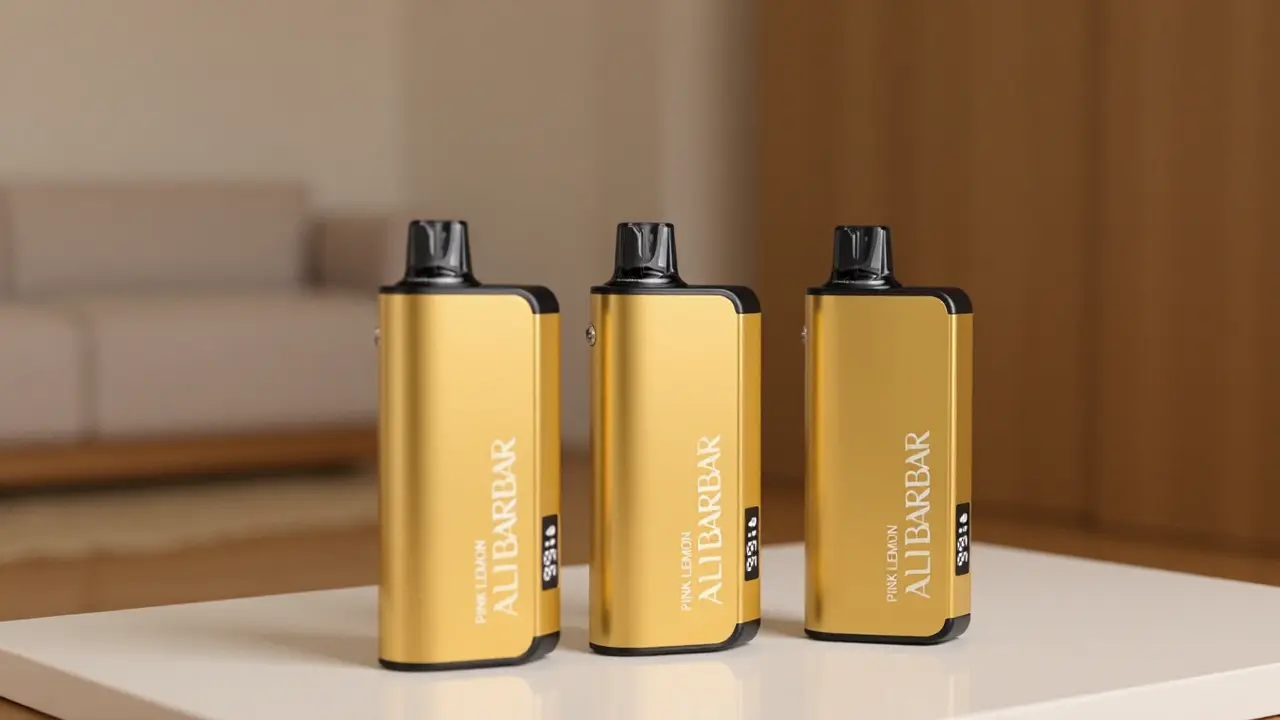
The ALIBARBAR range — available through OZVAPE Shop — was designed by people who clearly anticipated these everyday moments. The absence of loose-tank architectures, the inclusion of verifiable cell sourcing, and the attention to seal integrity all point to a product line that expects to be taken through life, not babied on a desk. That philosophy doesn’t exempt you from common sense, but it does give you a margin of error that cheaper, less considered devices simply cannot offer.
Ultimately, the right question isn’t “can I leave it in the car?” — it’s “does the device I’m using have the engineering to survive my occasional lapses in judgment?” When you start asking that, you’re already making better decisions than most. For a wider look at how the ALIBARBAR family performs across different real-life conditions, OZVAPE Shop remains the most comprehensive local source of verified specifications and hands-on guidance.