VAPE FAQs
How To Use A Thc Vape?
Aug
How to Use a THC Vape: A Technical Guide to Consistent, Reliable Vaporization
Using a THC vape should feel effortless—press a button or simply inhale, and the device delivers predictable, measured vapour. In reality, many users experience inconsistent heating, clogged cartridges, or a dead battery at the worst moment. These frustrations rarely come from the oil itself; they stem from the interplay between the cartridge and the battery, the thermal dynamics of the heating element, and the user’s own habits that inadvertently shorten device life.
At OZVAPE Shop, we have spent years observing how adults interact with portable vaporisation tools. Our focus is on the engineering behind the experience, not the substance. This guide is written for the user who wants to understand their device well enough that it never surprises them—covering activation methods, temperature management, maintenance, and the warning signs that demand attention long before a device fails.
Understanding the Core Engineering of a THC Vaporiser
Before you take a single draw, it is worth knowing what you are holding. A THC vape is, at its heart, a low‑voltage heating circuit designed to warm a ceramic or quartz coil until the oil inside the cartridge reaches its vaporisation point—typically between 160°C and 220°C, depending on the viscosity and cannabinoid profile. Every aspect of the user experience—flavour preservation, vapour density, and the lifespan of the cartridge—flows from how precisely that circuit is controlled.
Battery Architecture and Power Consistency
The majority of under‑performing devices share a common trait: their output voltage sags under load. A battery module may be nominally rated at 3.7V, but if the internal cell cannot sustain that voltage when the heating element draws current, the coil temperature drops mid‑inhale. The result is a thin, unsatisfying draw and partially vaporised oil that re‑condenses and clogs the airway. Devices built around a regulated chipset with constant‑voltage output—even as the cell depletes—deliver a consistent experience from the first session to the last. When evaluating a battery, look for “regulated output” or “constant voltage” in the specification, rather than relying solely on the advertised milliamp‑hour capacity.
Heating Element Quality and Pre‑Heat Logic
A ceramic coil with an even resistance distribution warms the oil gradually and reduces the risk of hot spots that can scorch terpenes. However, cold, thick oil presents a startup problem: if the device applies full power immediately, the outer layer of oil vaporises while the core remains solid, causing dry hits and burnt taste. Many high‑quality batteries incorporate a pre‑heat function—a short, low‑power pulse (often 1.2V–1.8V for 2‑3 seconds) that liquefies the oil before the main heating cycle engages. Users should activate this feature whenever the cartridge has been idle overnight or in a cold environment. The difference in draw quality is immediate.
Airflow Design and Clog Prevention
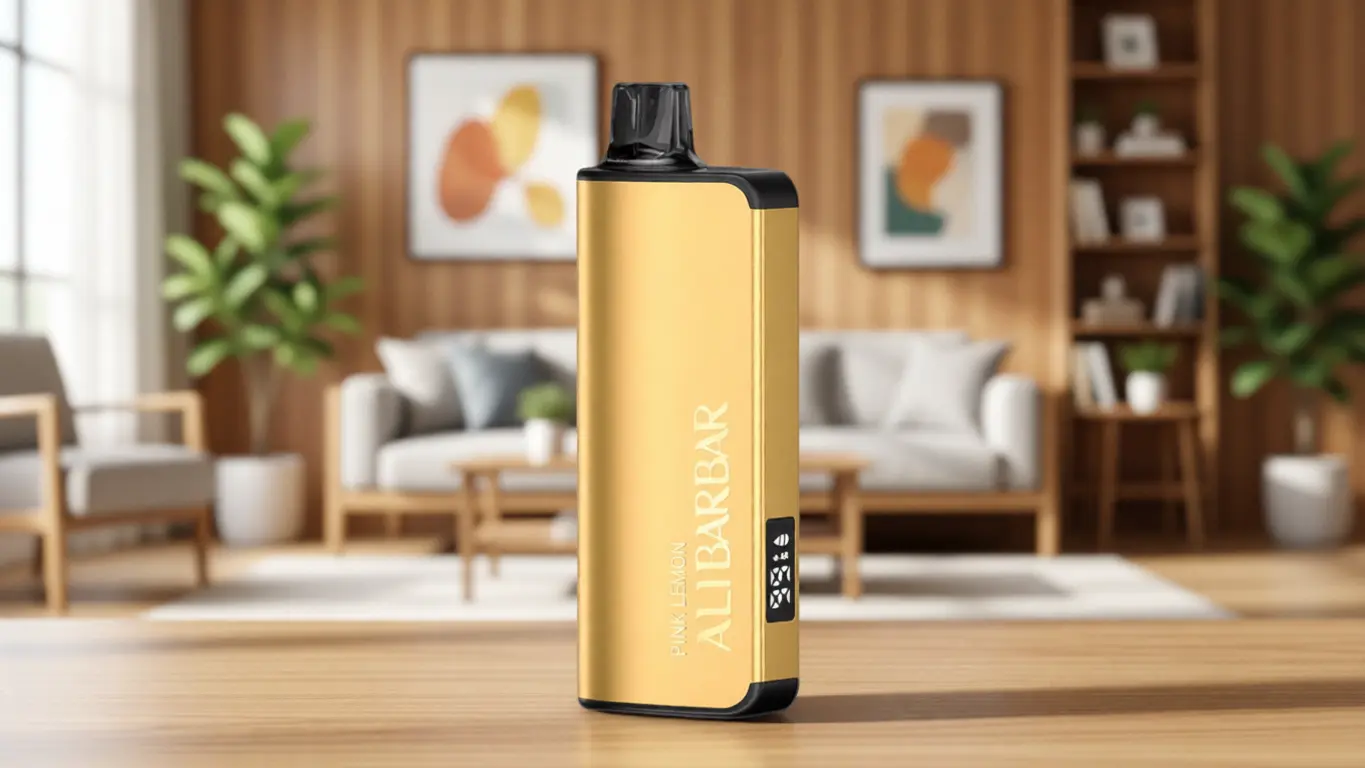
A THC cartridge uses a bottom‑airflow or top‑airflow design. Bottom‑airflow cartridges draw air through the 510 connector, which means any oil that leaks past the coil seals can block the path. Top‑airflow cartridges route air through the mouthpiece and down the sides, physically separating the air path from the connecting threads—a design that almost eliminates leakage at the connection point. However, top‑airflow systems are more sensitive to the viscosity of the oil and benefit from a consistent pre‑heat routine. ALIBARBAR devices, with their thoughtful thermal management, are engineered to support both architectures without overpowering delicate ceramic elements.
Applying These Principles to Real‑World Devices
High‑quality hardware turns a good cartridge into a consistently enjoyable tool. The ALIBARBAR range available at OZVAPE Shop illustrates several of these engineering priorities. The INGOT 9000 and INGOT 15000 series use a sophisticated power‑management chip that monitors coil resistance in real time, preventing the voltage spikes that degrade oil flavour. Their battery indicators provide unambiguous status feedback—a detail that sounds trivial until you have walked out the door with a device that was, unbeknownst to you, already depleted.
The Ice Adjust 12000 series goes a step further by offering a user‑selectable airflow ring that alters the draw resistance. For a THC cartridge, this means you can tighten the airflow to force a slower, cooler vapour stream from a thick oil, or open it wide for a lighter, airier draw. This level of control is rarely found in the generic pen‑style batteries that dominate the market.
When using any cartridge‑based THC vape, start by threading the cartridge gently—overtightening compresses the silicone insulator inside the connector, which can block airflow permanently. Pair it with a battery that provides a pre‑heat mode, and always allow a full pre‑heat cycle before taking your first draw of the day. The oil responds predictably when it is at the right temperature; guesswork is what leads to burnt coils and wasted product.
A Practical Framework for Using and Maintaining Your THC Vape
No single technique suits everyone, but a structured approach removes the common points of failure:
Storage position matters. Always keep the cartridge upright. Laying it horizontally allows oil to settle against the airway seals, promoting slow leaks that clog the mouthpiece over time.
Prime with a dry pull before activating the battery. Cover the airflow inlet with your finger and take a short, light pull without pressing the button. This draws oil into the coil’s wicking ports, reducing the risk of a dry fire.
Use the lowest effective voltage. Start at 2.4V–2.8V for live resin or rosin oils, and up to 3.2V for thicker distillates. The sweet spot is the voltage where you taste the terpene profile clearly without any hint of burnt popcorn. If your battery lacks variable voltage, consider a device like the ALIBARBAR Ice Adjust that makes temperature management intuitive.
Limit draw duration. Sessions longer than 5–6 seconds deplete oil from the coil faster than it can wick back. Space draws at least 30 seconds apart to keep the heating element saturated.
Clean the contact points weekly. A cotton swab lightly moistened with isopropyl alcohol on the battery’s 510 thread and the cartridge’s center pin removes oxidized oil that interferes with electrical connectivity.
Common Errors That Undermine the THC Vaping Experience
Even experienced users fall into habits that degrade performance:
Chasing the biggest cloud. Increasing voltage to generate denser vapour often burns the oil, destroying terpenes and delivering a harsh, unpleasant hit. Consistent low‑temperature vapour preserves the full spectrum of the oil and is less likely to leave residue.
Ignoring the device’s status signals. Many batteries communicate their condition through LED colour changes or blinking patterns. Studying the manual for a few minutes can prevent the frustration of a suddenly unresponsive device. ALIBARBAR devices, for example, use a progressive battery indicator that shifts colour as the charge depletes—a clear, user‑friendly system.
Assuming all cartridges work with all batteries. Some cartridges require a minimum of 3.0V to produce vapour; pairing them with a low‑output battery results in weak hits and oil that never fully aerosolizes, which gums up the coil. Check the cartridge’s recommended voltage range and cross‑reference it with your battery’s output specification.
Using a dead battery without realising it. Lithium‑ion cells degrade over cycles. A battery that once held a full day’s use may lose capacity after 300 charge cycles. If your device no longer lasts through your normal routine, the battery itself is the culprit—replacing the unit is more effective than repeatedly recharging a tired cell.
Frequently Asked Questions
Q: Why does my cartridge clog even though it is upright and I use pre‑heat?
A: Clogging often originates from incomplete vaporisation during the previous session. When oil leaves the coil but cools before exiting the mouthpiece, it condenses on the airway walls. Pre‑heat helps, but taking a gentle dry pull immediately after your final draw of the session clears residual vapour from the chimney.
Q: Can I use a USB‑C fast charger with my THC vape battery?
A: Only if the manufacturer explicitly supports it. Many small batteries lack the negotiation chip required to limit current from a fast charger, causing the cell to overheat. A standard 1‑amp USB‑A charger is the safest default.
Q: What is the difference between a 510‑thread battery and a proprietary pod system for THC oil?
A: A 510‑thread battery accepts any cartridge with a matching connector, which gives you flexibility. Proprietary pod systems lock you into one brand of oil but often incorporate better temperature control and leak resistance because the pod and battery are designed together. Choose based on whether you value cartridge freedom or a more integrated, predictable system.
Q: How do I know when the coil is burnt?
A: A distinct, lingering taste of charred material, even at low voltage, is the primary indicator. You may also notice significantly reduced vapour production. At that point, the cartridge should be replaced—no amount of cleaning will restore a deteriorated coil.
Q: Is it safe to leave my THC vape in a hot car?
A: No. High temperatures thin the oil, increasing the risk of leakage past seals, and can permanently degrade lithium‑ion battery capacity. Keep the device in a cool, shaded place.
Q: What should I look for in a battery if I use thick, high‑viscosity oils?
A: Prioritise a battery with a reliable pre‑heat mode and a regulated output above 3.0V. Devices like the INGOT 15000 series from ALIBARBAR are well suited because they maintain voltage stability when dealing with demanding oil consistencies.
Q: Can I charge my device while the cartridge is attached?
A: While many devices technically allow it, the heat generated during charging can thin the oil and cause minor seepage into the battery connector. Detaching the cartridge before charging is a simple habit that avoids long‑term connection issues.
Q: What is the expected lifespan of a ALIBARBAR device if used with THC cartridges?
A: With proper care—avoiding complete discharge, using the appropriate charger, and cleaning the connector—a ALIBARBAR battery module typically lasts 18–24 months of daily use before the cell’s capacity becomes noticeably reduced.
Conclusion
Using a THC vape effectively is not about mastering complicated technology; it is about respecting the delicate thermal balance between the battery, the coil, and the oil. A device that communicates its status clearly, delivers consistent power, and gives you the control to adjust airflow and temperature will naturally produce a more predictable experience. The choreography of pre‑heating, gentle priming draws, and upright storage becomes second nature once you understand the “why” behind each step.
OZVAPE Shop exists to provide devices that make that understanding actionable. By offering the full ALIBARBAR catalogue—from the efficient INGOT 9000 to the adaptable Ice Adjust 12000—we give you the tools to match your hardware to your actual, lived routine. The right THC vape setup is the one that requires the least thought, works when you reach for it, and never forces you to carry a backup because you can’t trust what you already own.