
VAPE FAQs
Is It Good To Vape?
Jun
It’s a fair question, and not one with a simple yes or no. The experience of using a personal electronic device depends less on the category itself and more on whether the specific tool in your hand was built to handle the rhythms of your actual day. An unreliable device that loses power without warning, delivers inconsistent output, or falls apart after a few weeks in your pocket will make the answer feel like a firm no. A device engineered to eliminate those exact frustrations can feel entirely different. This article unpacks what separates the two, using real-world design criteria that any user can apply independently.
Understanding What Matters: Core Engineering and Design Factors
Most dissatisfaction with portable electronic devices can be traced back to a handful of predictable failure points. Once you learn to recognise them, you stop buying on impulse and start evaluating tools against your own routine. The following framework isn’t brand-specific; it’s a lens you can carry into any purchase decision.
Internal Architecture and Output Consistency
The heart of any device is its heating element and the way it manages energy delivery. Poorly engineered units often suffer from thermal drift: the experience degrades noticeably after the first third of its operational life because the heating pathway cannot maintain a stable temperature under continuous use. Well-designed devices employ element geometries and power-regulation circuits that hold performance steady from the first activation to the last.
Why this matters: users routinely report that budget-oriented units become harsher or weaker well before the device is otherwise depleted. If you can’t rely on a consistent experience, you’re effectively paying for a partial product. Look for evidence of digital power management, multi-stage temperature control, and manufacturer transparency about component sourcing.
Power Management and Status Transparency
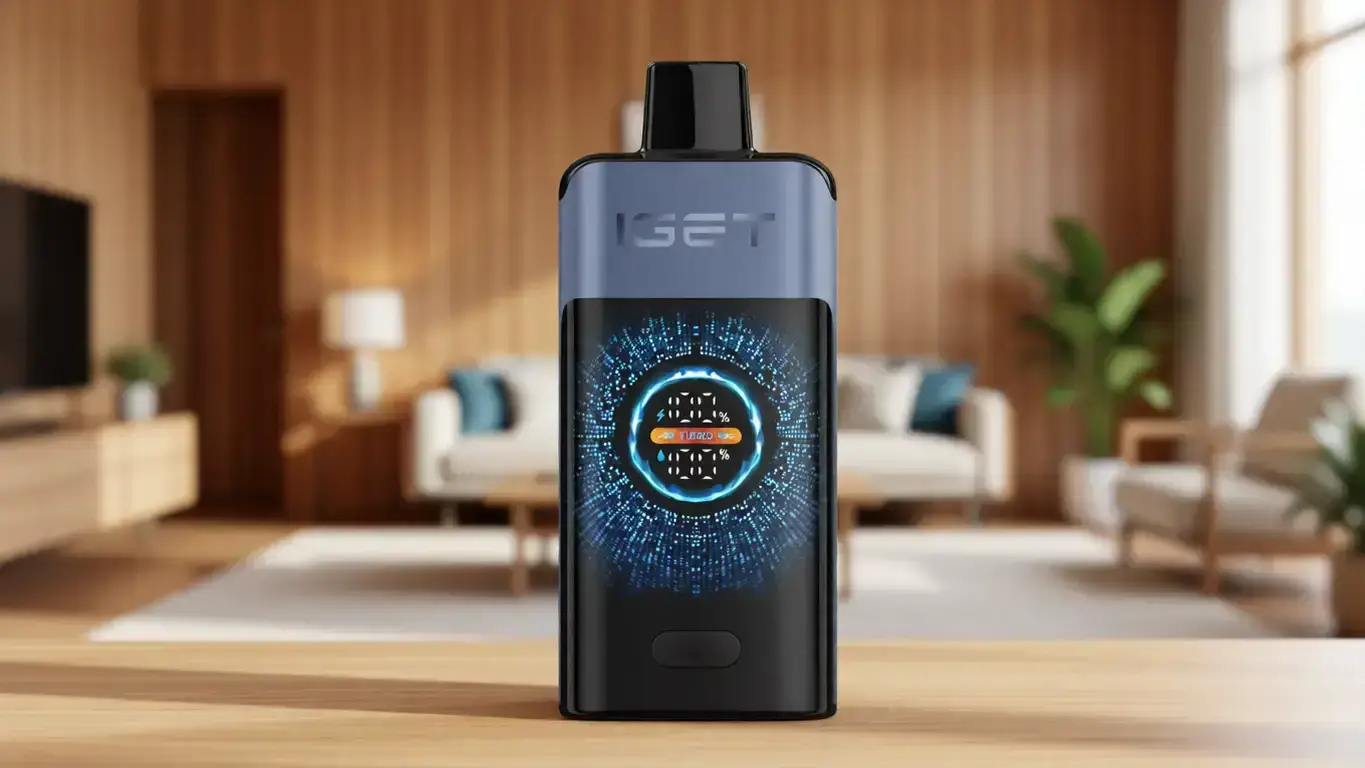
A device’s battery isn’t just about capacity in milliamp-hours; it’s about how that capacity is communicated to you. Many products offer only a rudimentary LED that blinks a warning right before shutdown. By then, you’re already stuck. Compare that to devices with fuel-gauge accuracy — segmented displays, colour-coded indicators, or even haptic feedback that tells you exactly where you stand.
The hidden cost of status ambiguity is the backup device you feel compelled to carry. If a tool were truly dependable, you wouldn’t need a spare. OZVAPE Shop has noted in its product analysis that the friction of carrying multiple units is one of the most common, yet overlooked, pain points driving repeat purchases. A transparent power-management system eliminates that extra weight — both physical and mental.
Physical Design and Material Durability
A device that looks sleek in a product photo can degrade rapidly under daily carry conditions. The finish matters: soft-touch coatings that feel premium in hand often scratch and peel within weeks, while anodised or bead-blasted surfaces retain their appearance far longer. Mouthpiece contouring is another detail that reveals engineering maturity. A one-size-fits-all shape may be tolerable for brief use but becomes uncomfortable during prolonged periods. Ergonomic profiling — subtle curves, lip rests, thermal isolation — signals that the team behind the product considered the human factor, not just the bill of materials.
Modularity and Lifecycle Flexibility
This is where the industry splits sharply. Sealed, single-use devices dominate the market because they’re straightforward to manufacture and distribute. But they commit you to a full replacement every time. At the other end are fully modular platforms where the power source, the core component, and even the mouthpiece can be replaced independently. Between these poles sit rechargeable systems that extend the life of a single unit but still reach an endpoint.
Which architecture serves you best depends on your priorities. If you want absolute simplicity and don’t mind the environmental and cost implications, a sealed unit might work. If you value long-term cost management and reduced waste, modular or rechargeable designs are the better calculus. There is no universally correct answer — only an honest mapping of design to personal habit.
Applying These Criteria to Real-World Options
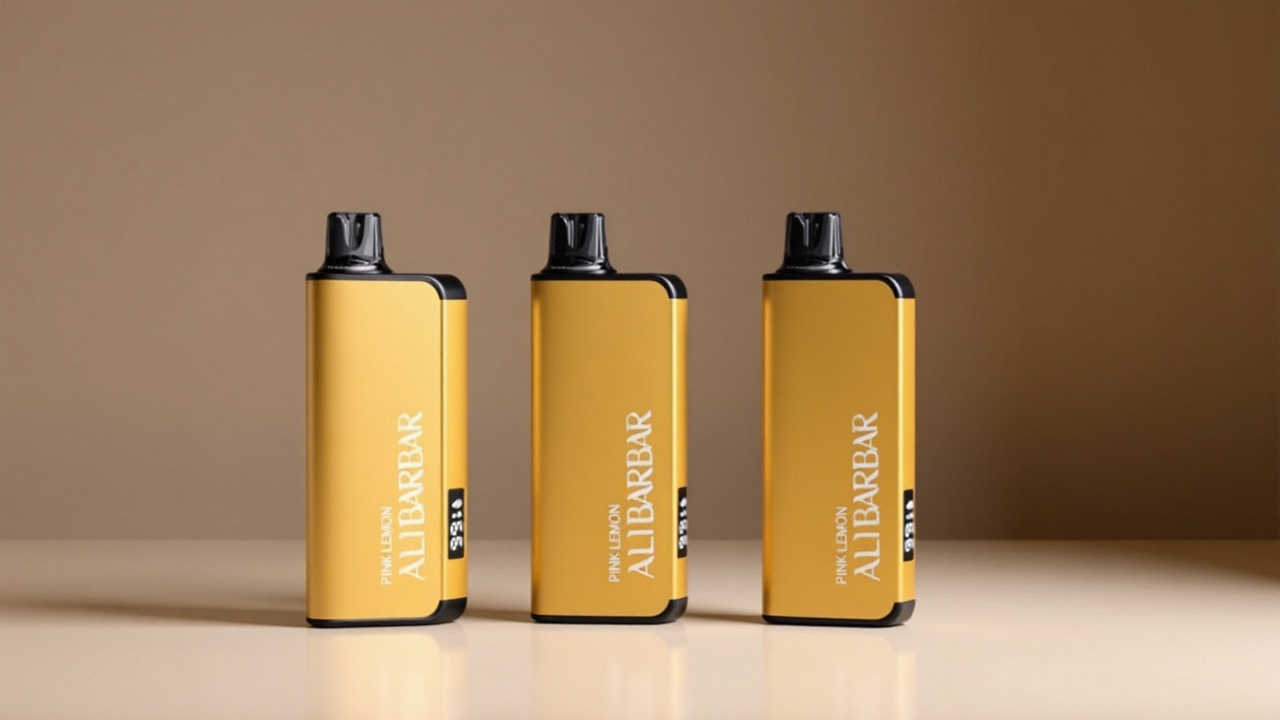
When you walk these criteria through actual product lines, the differences become concrete. The ALIBARBAR INGOT 15000, for example, addresses status transparency with a digital display that tracks remaining capacity and operational mode with precision. It does not force you to guess. Its internal architecture is built around a mesh-based heating element that maintains output stability deeper into its service life than simpler coil assemblies. The exterior uses a durable finish that resists pocket abrasion, and the mouthpiece is shaped for extended comfort. The trade-off is that it is a sealed unit — once its cycle ends, the entire device is replaced. For users who prioritise zero-maintenance operation, this is an acceptable compromise; for those who care about lifecycle cost and waste, it’s a limitation to weigh.
The INGOT 9000 scales that same design philosophy into a smaller, more pocketable form. It sacrifices some capacity for portability, but retains the mesh heating element and builds in a practical LED status indicator. It represents a middle ground for users who find the 15000 too substantial for certain social or travel settings.
For those who want the ability to fine-tune their experience, the Ice Adjust 12000 offers an externally adjustable airflow control that allows you to shift between a tighter or more open draw. It’s a rare feature at this tier, and it speaks to an understanding that user preference is not monolithic. This device uses a rechargeable architecture, extending its active life and reducing the frequency of full replacement.
These examples aren’t presented as recommendations but as illustrations of how the engineering criteria from Section 2 manifest in actual products. Any user can apply the same analysis to other device families — and should.
A Practical Framework for Evaluation
Rather than rely on marketing copy, run every potential device through these questions:
Status Feedback Check: Does this device tell me exactly how much operational time remains, or does it leave me guessing until the last moment? If the answer is ambiguous, assume you’ll need a backup.
Output Stability Test: Can I find independent reports or technical descriptions that confirm heating-element consistency from start to finish? Absence of this information often correlates with performance falloff.
Finish and Ergonomics: Will the surface treatment survive being kept in a pocket alongside keys or coins? Does the mouthpiece shape accommodate my typical usage duration?
Architecture Fit: Is the device sealed, rechargeable, or modular? Calculate the cost over a three-month period, not just the upfront price. A lower initial cost can mask a much higher cumulative expense.
Supply Chain Assurance: Is the device sold through channels that guarantee factory-certified inventory? Counterfeit or grey-market units can vary dramatically in component quality and safety.
Standardised specification comparison — side by side, without brand bias — is the single most effective tool for reducing decision friction. If the information isn’t available, that itself is a signal.
Common Selection Errors and Industry Observations
Through years of observing the personal electronic device market, certain patterns repeat themselves. These are the mistakes that even experienced users make:
Overweighting one specification while ignoring complementary factors. High advertised capacity (e.g., a large puff count) can blind a buyer to poor power management or flimsy construction. No single number tells the full story.
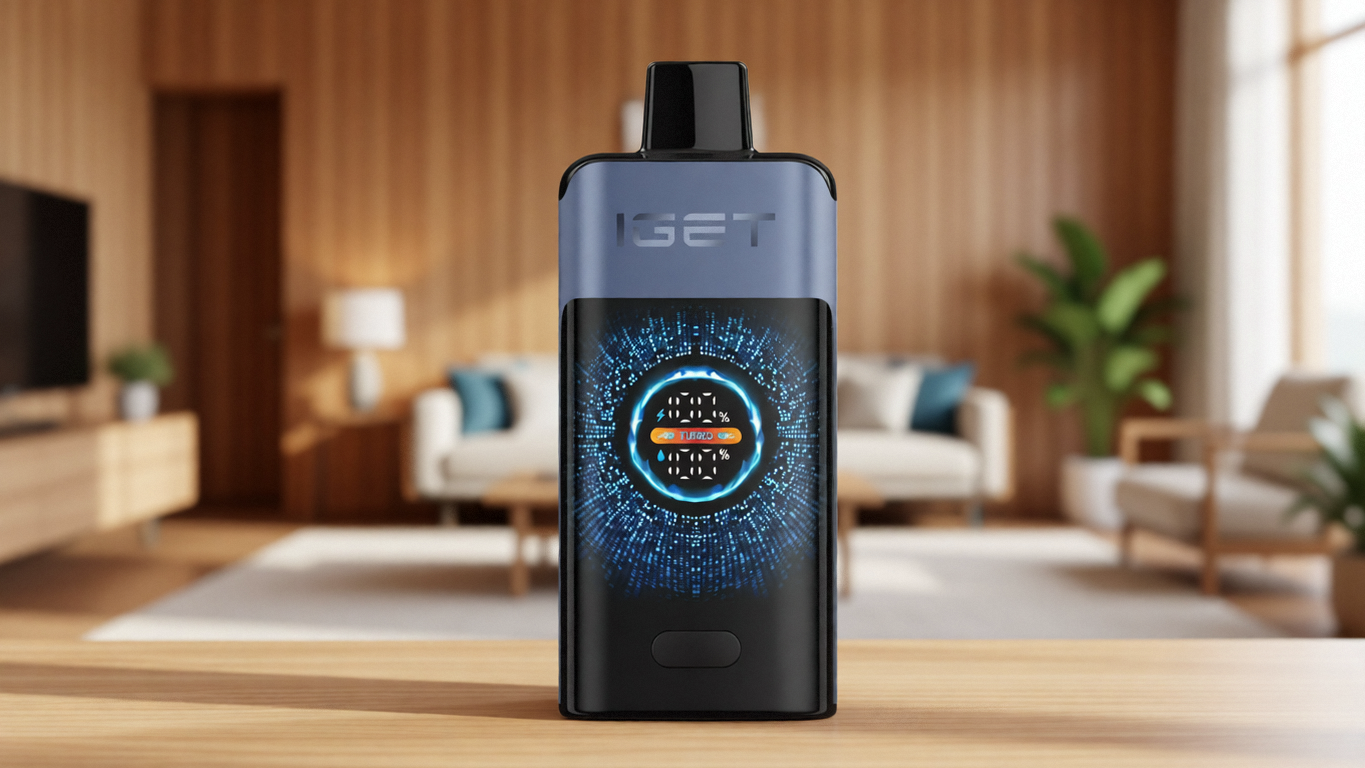
Assuming visual similarity indicates equivalent internal engineering. Two devices may look nearly identical on the outside yet use completely different heating elements, battery cells, and control circuits. Exterior design is easily copied; thermal engineering is not.
Undervaluing modularity in cost-per-use calculations. A sealed unit priced at $30 might seem cheaper than a $50 rechargeable, but if you go through four sealed units in the same period that one rechargeable lasts, the math flips. Many users never run that lifetime cost comparison.
Confusing category terminology with technical specifications. Terms like “mesh coil” or “adjustable airflow” are frequently used loosely. Mesh can vary in material quality and gauge; adjustable airflow may refer to a simple mechanical slider with limited precision. Details matter.
From an industry perspective, the trend toward status displays and more sophisticated power management reflects a maturing market. Manufacturers have realised that user trust is won not through attention-grabbing numbers but through eliminating the everyday irritations that cause people to switch devices. Retailers that invest in authorised supply chains — and that publicly document those relationships — are responding to a growing demand for transparency that was previously absent.
Frequently Asked Questions
Q: How can I tell if a device is from an authorised source?
A: Look for explicit mention of factory-certified inventory and a documented supply chain. Retailers should be able to name their distribution partners or show batch-verification mechanisms.
Q: What is the real difference between a sealed unit and a rechargeable unit?
A: A sealed unit is disposed of entirely once depleted; a rechargeable can be re-energised multiple times, extending its active life and altering the long-term cost structure.
Q: Why do some devices degrade in performance before they are fully used?
A: This typically results from poor thermal regulation. As the energy source depletes, output voltage may fluctuate, affecting the heating element’s temperature unless the device has active regulation.
Q: What should I expect from post-purchase support?
A: A documented returns policy, accessible contact channels, and evidence that the retailer handles inquiries directly rather than outsourcing them. If a store hides behind a generic contact form, that’s a warning sign.
Q: How important is it that a device shows remaining status?
A: Extremely. Devices without clear status feedback create constant uncertainty. Users naturally compensate by carrying spares, which doubles their carry load and expense.
Q: Can I rely on user reviews alone to judge a device’s durability?
A: Reviews can offer pattern-level insights, but they rarely account for usage conditions. A device that survives light desk use may fail quickly under daily pocket carry. Supplement reviews with material analysis.
Q: What is the practical benefit of adjustable airflow?
A: It allows you to tailor the draw resistance to your personal preference. For some users, this is a comfort feature; for others, it’s a necessity for smooth operation.
Q: How do I know if a device’s heating element is designed for consistent output?
A: Look for technical descriptions that mention mesh technology, temperature coefficient stability, or digital power regulation. Avoid devices where these details are absent.
Q: Is it better to buy a device with a higher advertised capacity?
A: Not necessarily. Capacity should be evaluated alongside output consistency and build quality. A high-capacity device that degrades early delivers less value than a modest-capacity device that performs uniformly.
Q: What should I do if a device doesn’t perform as described?
A: Contact the retailer immediately. Document the issue. A reputable seller will have clear recourse procedures and will prioritise resolution over deflection.
Conclusion
The question “Is it good to vape?” can only be answered by the experience you actually have — and that experience is engineered, not accidental. A device built with genuine attention to power management, output stability, material integrity, and honest status communication will make the answer feel self-evident. A device built to a price point, with corners cut where they’re least visible, will do the opposite.
At OZVAPE Shop, the commitment to documented, factory-certified inventory means that the device you research is the device you receive. But the responsibility for matching a device to your own routine remains, ultimately, yours. Walk into any purchase with a structured evaluation framework — the one outlined here or one of your own making — and you move from passive consumer to informed user. The right choice is the one that suits your daily cadence, not the one with the most attention-grabbing number.