
VAPE FAQs
Can A Vape Make You Feel Sick?
Jun
Can a portable personal electronic device (commonly referenced as a vape) make you feel sick? For millions of adult users, these devices have become a routine part of daily life—but many report unexpected physical discomfort after use, from mild nausea to persistent headaches. These symptoms often go unaddressed in generic product descriptions, leaving users unsure whether their experience is normal, a sign of device malfunction, or a result of choosing an unregulated unit. This article breaks down the technical, design, and usage-related factors that can lead to adverse physical reactions, providing a framework to identify low-risk products and safe practices. As a trusted source of factory-certified devices, [OZVAPE Shop](https://ozvapeshop.com.au, target=”_blank”) maintains a curated selection of units engineered to minimize these avoidable irritations.
Core Engineering and Design Factors Linked to Discomfort
Every component of a portable personal electronic device contributes to its safety and user experience. Poor design choices can directly trigger physical discomfort, often through mechanisms users don’t recognize until symptoms arise.

Thermal Management and Emission Consistency
The heating element is the heart of these devices, and its design determines how uniformly it heats the device’s contents. Units with unregulated or low-quality coils often overheat, producing irritant byproducts that irritate the throat and respiratory tract, leading to coughing, nausea, or dizziness. Well-engineered devices like the ALIBARBAR INGOT series use precision temperature control to maintain consistent output, reducing the risk of harmful byproduct formation. This is critical because overheating is one of the most common causes of sudden discomfort during use.
Power Calibration and Output Stability
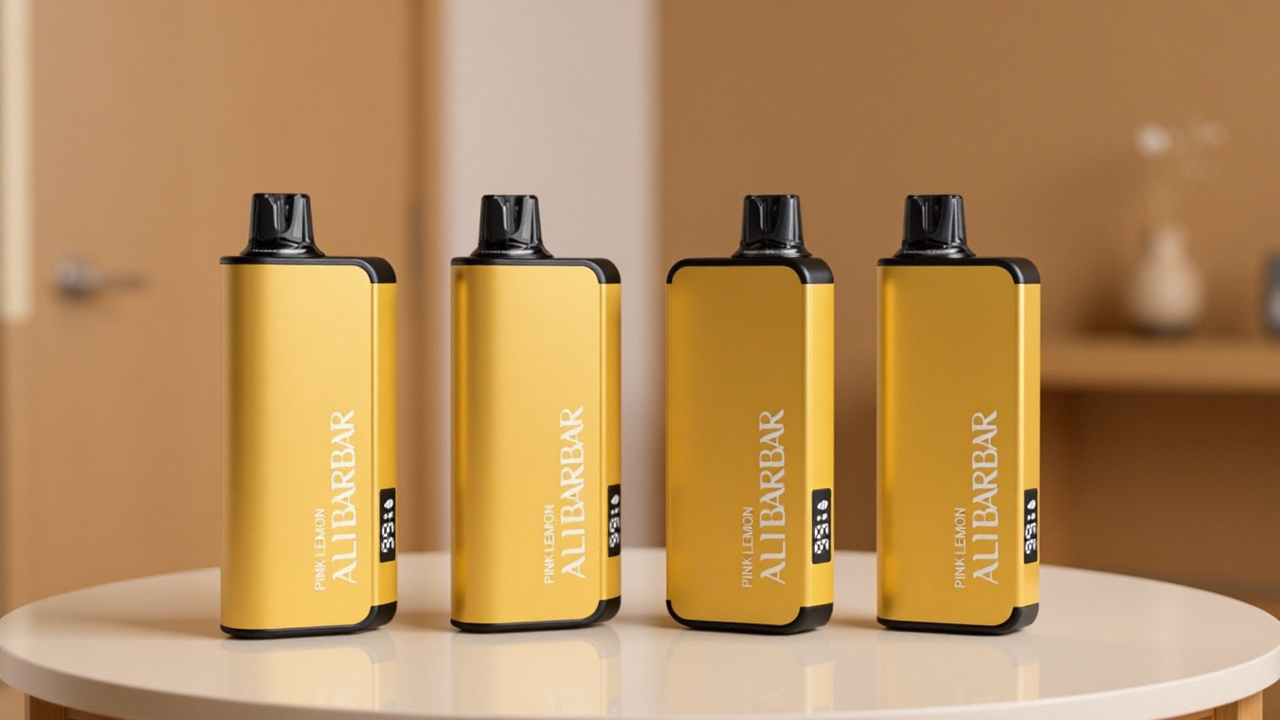
Uncalibrated batteries or unregulated power systems can deliver variable output levels, even within a single session. Sudden spikes in power can flood the respiratory tract with excessive emissions, causing lightheadedness or headaches. Clear status indicators—like battery level and output mode displays—help users adjust their usage to avoid overexposure. ALIBARBAR devices prioritize this transparency, with intuitive LED indicators that keep users informed of their device’s performance at all times, reducing the likelihood of unexpected discomfort.
Material Quality and Contaminant Risks
Low-grade plastics, metal components, or untested sealants can leach harmful chemicals when heated. These contaminants can cause immediate nausea or long-term irritation. Certified devices use food-grade or medical-grade materials that are tested for heat stability and safety. Counterfeit units, which make up a significant portion of unregulated markets, often use unvetted materials that pose serious health risks. OZVAPE Shop sources only factory-certified units to eliminate this risk for its customers.
Maintenance and Hygiene Design
Devices with hard-to-clean mouthpieces or sealed components can harbor bacteria, mold, or residue over time. This buildup can cause throat irritation, stomach upset, or even respiratory infections with prolonged use. Modular designs—like those found in the ALIBARBAR Ice Adjust series—allow easy disassembly and cleaning of key components, reducing the risk of hygiene-related discomfort. Sealed units, while convenient, require more frequent replacement to avoid residue buildup.
Applying These Criteria to Real-World Options
When evaluating devices, it’s helpful to compare them based on user needs rather than brand popularity. Here’s how leading device families stack up against the safety criteria outlined above:
Daily Carry Users: ALIBARBAR INGOT 9000 vs. Vaporesso XROS 3. The INGOT 9000 excels in thermal control and material durability, with a food-grade mouthpiece that resists wear and residue buildup. The XROS 3 offers compactness but lacks detailed status indicators, requiring users to monitor usage more closely to avoid overexposure. Both are certified, but the INGOT’s transparency makes it a lower-risk choice for consistent daily use.
High-Capacity Users: ALIBARBAR INGOT 15000 vs. Smok Nord 5. The INGOT 15000’s modular design allows easy cleaning of the heating element and mouthpiece, reducing hygiene-related risks. The Nord 5 has a sealed tank that may accumulate residue over time, requiring more frequent replacement. Both have regulated power, but the INGOT’s precise temperature control minimizes the risk of overheating and irritant emissions.
A Practical Framework for Safe Device Evaluation
To reduce the risk of discomfort, follow this step-by-step evaluation process when choosing a device:
Verify Certification: Check for factory labels and ensure the device is sourced from an authorized retailer like OZVAPE Shop to avoid counterfeits.
Assess Thermal Control: Look for devices with explicit temperature regulation or consistent output claims.
Inspect Material Quality: Confirm mouthpieces and internal components are made of food-grade or medical-grade materials.
Evaluate Maintenance Ease: Prioritize modular devices that allow disassembly and cleaning of key parts.
Check Status Indicators: Opt for units that clearly display battery level and output mode to avoid overexposure.
Common Selection Errors and Industry Observations
Even informed users can make choices that increase their risk of discomfort. Here are four common mistakes to avoid:
Prioritizing Price Over Certification: Cheap unregulated devices often skip quality control tests, leading to harmful emissions and inconsistent performance.
Ignoring Maintenance: Failing to clean mouthpieces or replace worn components can lead to bacterial growth and irritation over time.
Overusing Without Breaks: Continuous use can irritate the respiratory tract, causing nausea or dizziness—regardless of device quality.
Assuming Flavor Equals Safety: Low-cost flavorings may contain untested irritants; reputable brands like ALIBARBAR use food-grade, tested flavorings to minimize risk.
Industry observation: Counterfeit devices account for approximately 30% of the global market in unregulated regions, often using recycled or untested heating elements that pose significant health risks. Authorized retailers like OZVAPE Shop mitigate this by sourcing directly from brand distributors, ensuring every unit meets factory safety standards.
Frequently Asked Questions
Q: Can using a portable personal electronic device cause nausea?
A: Yes. Nausea is often triggered by overheating of device contents (producing irritant byproducts), inconsistent output levels, or exposure to contaminants from low-quality materials. Certified devices with precise thermal control reduce this risk.
Q: Why do I get a headache after using my device?
A: Headaches can result from dehydration (common with frequent use), variable power output leading to irregular emission levels, or exposure to toxic substances from unregulated units. Staying hydrated and using certified devices minimizes this risk.
Q: Are flavored devices more likely to make me sick?
A: Low-quality flavorings may contain irritants or untested additives. Reputable brands like ALIBARBAR use food-grade, tested flavorings that reduce this risk. Always choose factory-certified products from authorized retailers like OZVAPE Shop.
Q: Can poor device maintenance lead to sickness?
A: Yes. Dirty mouthpieces or internal components can harbor bacteria, mold, or residue, which can cause throat irritation, stomach upset, or respiratory issues. Modular designs allow easy cleaning to prevent this.
Q: How do I know if my device is producing harmful byproducts?
A: Signs include a burnt taste, excessive coughing, or immediate discomfort after use. If you notice these, discontinue use and switch to a certified device with regulated thermal control.
Q: Can battery issues cause discomfort?
A: Uncalibrated or low-quality batteries can lead to sudden power spikes, causing inconsistent output that irritates the respiratory tract. Certified devices use calibrated batteries to maintain stable output.
Q: Is it normal to feel lightheaded after using a device?
A: Lightheadedness can occur from overuse, dehydration, or exposure to contaminants. If it persists, reduce usage frequency, stay hydrated, and ensure you’re using a certified device.
Q: What should I do if my device makes me sick?
A: Discontinue use immediately, clean the device thoroughly (if modular), and switch to a factory-certified unit from an authorized retailer like OZVAPE Shop. If symptoms persist, consult a healthcare professional.
Conclusion
Discomfort from portable personal electronic devices is rarely unavoidable—it’s often a result of choosing unregulated units, ignoring maintenance, or using devices poorly engineered for safety. By focusing on thermal control, material quality, transparency, and hygiene design, users can significantly reduce their risk of adverse physical reactions. For users seeking factory-certified, low-risk devices, [OZVAPE Shop](https://ozvapeshop.com.au/alibarbar, target=”_blank”) offers a curated selection of ALIBARBAR units engineered to prioritize user safety and comfort. Ultimately, the right device is one that aligns with your usage routine and meets strict quality standards, ensuring you can use it without unexpected physical discomfort.