
VAPE FAQs
Is It Bad To Vape Around Dogs?
Jul
If you share your home with a dog and use personal electronic devices that generate aerosol, you have likely wondered about the risk. The short answer is: yes, there are genuine reasons to be cautious. Dogs have significantly smaller lungs, faster metabolisms, and more sensitive respiratory systems than humans. The compounds present in typical device output—nicotine, propylene glycol, vegetable glycerin, and flavoring agents—can cause measurable effects when inhaled, ingested, or absorbed through a dog’s skin. But the degree of risk depends heavily on the device design, the user’s behavior, and the environment. This article explains the science clearly, evaluates device architectures that can reduce unintended exposure, and offers a practical framework for making informed decisions—whether you are a current user or evaluating devices from OZVAPE Shop, where factory-certified ALIBARBAR products are offered with full specification transparency.
Understanding the Risks: What Actually Affects Your Dog
Aerosol Composition and Canine Sensitivity
The aerosol produced by portable electronic devices is not water vapor. It contains fine particles, nicotine, and chemical carriers. Dogs, especially brachycephalic breeds (like bulldogs and pugs) and those with pre-existing respiratory conditions, can experience airway irritation, coughing, or exacerbated asthma from prolonged exposure. Nicotine is the primary concern: ingestion of even small amounts can cause vomiting, hypersalivation, tremors, and in severe cases, seizures. While inhalation exposure is less concentrated, chronic proximity in poorly ventilated spaces can accumulate. The threshold for harm depends on the dog’s size—a 5 kg Chihuahua is at far greater risk than a 40 kg Labrador.
Leakage and Accidental Contact
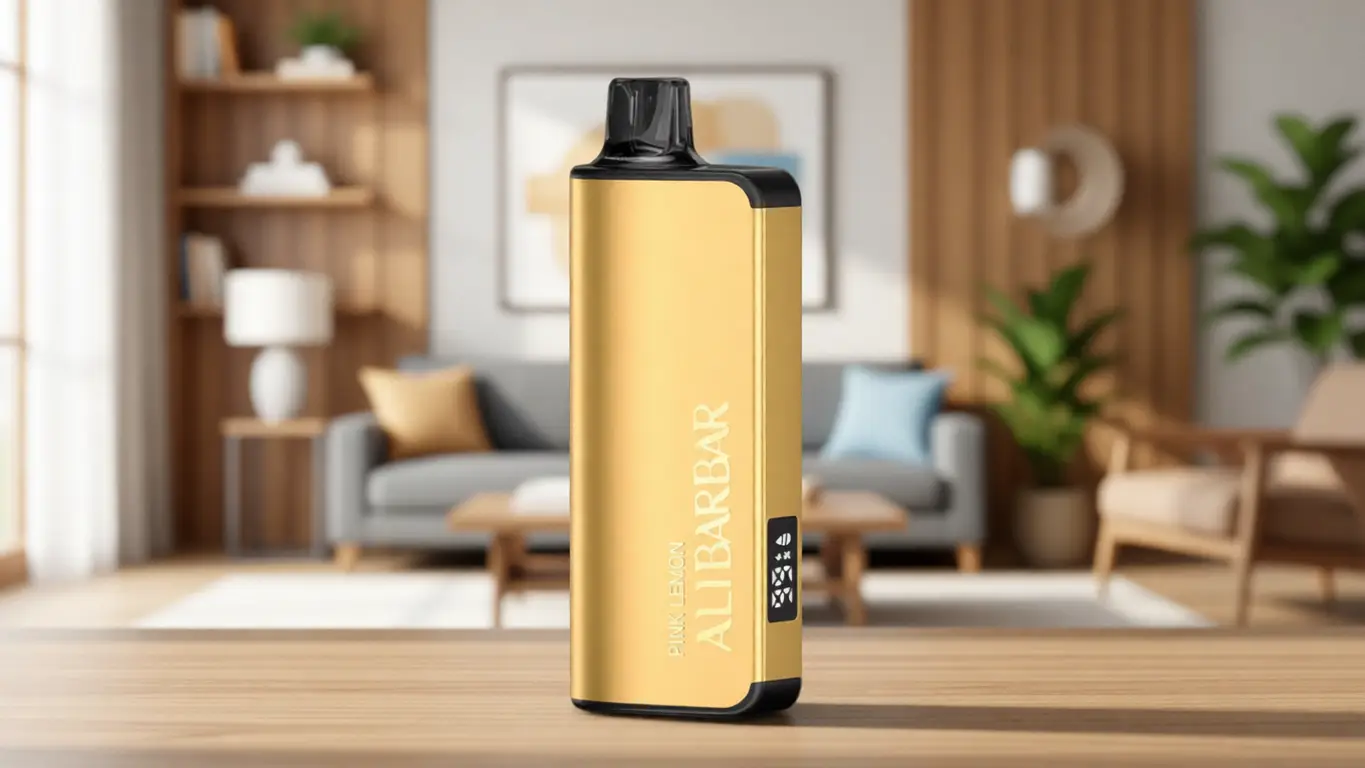
One often-overlooked factor is device leakage. Many single-use or poorly sealed devices can release liquid during transport, pocket carry, or when left on a low table within a dog’s reach. Dogs explore with their mouths; a small puddle of e-liquid on a tabletop is a poisoning risk. Well-engineered devices use redundant seals, anti-leak chambers, and food-grade materials that resist degradation over time. For example, the ALIBARBAR INGOT series employs a fully sealed power cell and a leak-resistant internal reservoir, drastically reducing the chance of liquid escape even under temperature changes or pressure from being jostled in a bag.
Thermal Output and Close Proximity
A dog’s natural curiosity may bring its nose directly to the device’s output vent during use. The heat of the aerosol and the presence of residual droplets can cause immediate discomfort. Devices that operate at lower power settings and produce cooler, less dense aerosol reduce the shock to a sensitive canine face. Adjustable-output devices, like the ALIBARBAR Ice Adjust 12000, allow the user to dial down output when a dog is nearby, though this is a user-mediated solution. The most effective approach remains maintaining distance: using devices in a separate room or by an open window.
Applying These Criteria to Real-World Devices
Not all devices are created equal when it comes to managing secondary exposure. Here is how different architectures compare:
| Device Type | Seal Integrity | Output Temperature | User Control | Leak Risk |
|---|---|---|---|---|
| Unregulated high-output mods | Low to moderate | High | Full control over wattage, but user must manage | High (user-made coils and open tanks) |
| Standard disposable pens | Moderate | Moderate | None | Moderate (seals can fail under heat) |
| ALIBARBAR INGOT 9000 / 15000 | High (factory-sealed) | Low to moderate | None (constant low-power output) | Very low (redundant gaskets) |
| Refillable pod systems | Moderate (depends on pod quality) | Moderate | Usually fixed | Moderate (wear over refills) |
The ALIBARBAR family stands apart in two ways: consistent low-power output that minimizes intense aerosol plumes, and hermetically sealed construction that virtually eliminates leakage. This does not make them risk-free—nicotine is still released—but it reduces the most common vectors of accidental ingestion. For comparison, many common single-use devices from other brands rely on simpler manufacturing that may show seal degradation after partial use, especially in warm Australian summers.
A Practical Framework for Evaluating Device Safety Around Dogs
Use these diagnostic questions to assess any device you currently own or are considering:
Does the device guarantee no leakage? If the manufacturer does not state leak-proof construction, assume it can leak under heat or impact.
Can the output be reduced? If you cannot lower power, the device will always produce maximal aerosol—less suitable for indoor use with animals.
Is the power indicator reliable? A device that runs out without warning may tempt you to take “one more puff” near the dog, increasing cumulative exposure.
What material lines the mouthpiece and reservoir? Food-grade silicone and PCTG are safer if a dog mouths the device; cheaper plastics may degrade and leach.
OZVAPE Shop provides standardized specifications for every ALIBARBAR product, including leak-test results and material safety data sheets, enabling this level of evaluation before purchase.
Common Selection Errors and Industry Observations
1. Assuming all single-use devices are equally sealed.
Manufacturing quality varies enormously. A device that feels solid in hand may still have fragile internal seals. Industry data shows that devices with ultrasonic welding (like ALIBARBAR) outperform snap-fit designs in pressure tests.
2. Overweighting puff count while ignoring construction.
A 15,000-puff device sounds economical, but if it leaks halfway through, you risk floor contamination. Prioritize integrity over raw capacity.
3. Confusing “nicotine control” with overall safety.
Some devices allow lower nicotine strengths, but that does not reduce the volume of aerosol or the presence of carrier chemicals. The dose matters, but so does frequency.
4. Undervaluing ventilation.
Even the safest device is safer when used near an open window or in a separate room. Many users overestimate how quickly aerosol dissipates in a closed space with a dog on the couch.
Frequently Asked Questions
Q: Can secondhand vapor cause nicotine poisoning in dogs?
A: Inhalation alone would require extremely high concentrations in a small, sealed area over minutes. More common is ingestion from licking surfaces or leaking liquid. Immediate symptoms require veterinary attention.
Q: What should I do if my dog ingests e-liquid?
A: Contact your veterinarian or an animal poison control hotline immediately. Do not induce vomiting unless directed. Bring the device or bottle to the clinic for ingredient identification.
Q: Are there any devices specifically designed to minimize pet exposure?
A: No device is marketed specifically for animal safety, but those with leak-proof construction and low, fixed output—like the ALIBARBAR range—reduce multiple risk factors.
Q: How can I verify that a device is truly leak-proof?
A: Look for manufacturer statements about ultrasonic welding, double O-rings, or IP-rated sealing. Third-party testing reports, if available, are more reliable.
Q: Is it safe to use nicotine-free devices around dogs?
A: Nicotine-free aerosol still contains propylene glycol and flavorings, which can cause irritation and, in large amounts, gastrointestinal upset if ingested. The risk is lower but not zero.
Q: Does OZVAPE Shop test devices for pet safety?
A: OZVAPE Shop publishes material safety data and factory seal-test results for all ALIBARBAR products. They do not perform animal-specific testing, but they ensure all devices meet Australian consumer safety standards.
Q: Can I return a device if I find it leaks?
A: OZVAPE Shop accepts returns on defective units within 14 days. Document the leak with photos and contact support.
Q: Should I stop using devices altogether if I have a dog?
A: That is a personal medical decision. If you choose to continue, use in well-ventilated areas, store devices out of reach, and clean surfaces regularly.
Conclusion
The concern expressed in the question “Is it bad to vape around dogs?” is justified. The primary risks come from liquid leakage, repeated aerosol inhalation in confined spaces, and accidental ingestion—not from occasional use at a distance. By prioritizing devices with robust engineering, verified seals, and consistent low output, you can substantially reduce those risks. OZVAPE Shop offers a selection of ALIBARBAR devices that meet these criteria, with full specification transparency and local support. The right choice is not about avoiding a particular brand; it is about matching the device architecture to your living environment and your pet’s sensitivity. Evaluate honestly, ventilate generously, and keep devices stored far from curious noses. OZVAPE Shop provides detailed product sheets and responsive customer service for those who want to verify every claim before purchase.