
VAPE FAQs
Is It Bad To Vape A Burnt Coil?
Aug
It is a familiar, unwelcome moment. The device activates, but instead of the expected sensation, there is an acrid, biting sharpness at the back of the throat. The flavour is gone, replaced by something that resembles scorched fabric and hot metal. Many adult users have encountered this, and the immediate question—often half-formed between coughing—is whether continuing to draw from a burnt coil is merely unpleasant or genuinely harmful. The short answer is that it is inadvisable, for reasons that extend well beyond taste. The longer answer involves understanding why coils burn in the first place, what chemical changes occur when they do, and how careful device selection can make the experience so rare that it practically vanishes from daily use. OZVAPE Shop has observed that users who invest time in understanding these mechanisms tend to have significantly fewer incidents and a clearer sense of what they should expect from a well-manufactured device.
Understanding Burnt Coils: The Engineering and Chemistry Behind the Taste
A heating coil in any portable electronic device is a straightforward component: it is a resistive wire, typically surrounded by an absorbent wick that draws in liquid. When power is applied, the wire heats, vaporising the liquid held in the wick. The system works smoothly as long as the wick remains saturated. A burnt hit occurs the moment the wire tries to vaporise liquid that is not there—when the wick runs dry, even locally, and the wire temperature climbs beyond the design limit.
What Happens When a Coil Burns?
The process is both thermal and chemical. Cotton, the most common wick material, begins to decompose at around 200°C. When a coil fires without adequate liquid, surface temperatures can exceed 300°C in less than a second. The cotton scorches, producing carbonised residue and compounds such as acetaldehyde, acrolein, and formaldehyde—substances that are absent during normal, saturated operation. Simultaneously, the metal alloy of the coil may undergo surface oxidation, releasing trace metal particles. The combination of partially combusted organic matter and overheated metal creates the unmistakable burnt taste, but it also introduces an aerosol chemistry that the device was never validated to produce.
Immediate Health Implications
Users should be clear on this point: a single, brief dry puff is unlikely to cause acute harm, but deliberately continuing to inhale from a burnt coil exposes the respiratory tract to irritants that have no place in a well-functioning system. Acrolein, in particular, is a known respiratory irritant. Studies on thermal degradation of cotton wicks have detected elevated levels of carbonyl compounds comparable to those found in overheated cooking oils—situations most people instinctively avoid. While the long-term relevance of occasional exposure is difficult to quantify outside controlled settings, the precautionary principle strongly discourages repeated use of a burnt coil. The harsh sensation is itself a warning: the aerosol is no longer within the device’s intended output profile.
Impact on Device Longevity
There is also a mechanical cost. Coils are designed to operate within a specified resistance range and thermal envelope. Extended overheating can permanently alter resistance, leading to inaccurate power delivery even after liquid is restored. The insulating materials around the coil may degrade, increasing the risk of internal short circuits or leaks. In sealed-unit devices, a burnt coil often spells the end of the product’s useful life, because the heating element cannot be independently replaced. In modular systems, a burnt coil may damage the battery’s regulation circuitry if the user continues to fire the device while abnormal resistance is detected. From every practical angle, a burnt coil is a component that has failed and should no longer be used.
Design Factors That Mitigate Burnt Coils
Not all devices are equally susceptible. The frequency of burnt hits correlates strongly with specific engineering choices, many of which are invisible to the eye but immediately noticeable in daily behaviour. A user who understands these factors can evaluate any device with far greater precision.
Wick and Coil Material Science
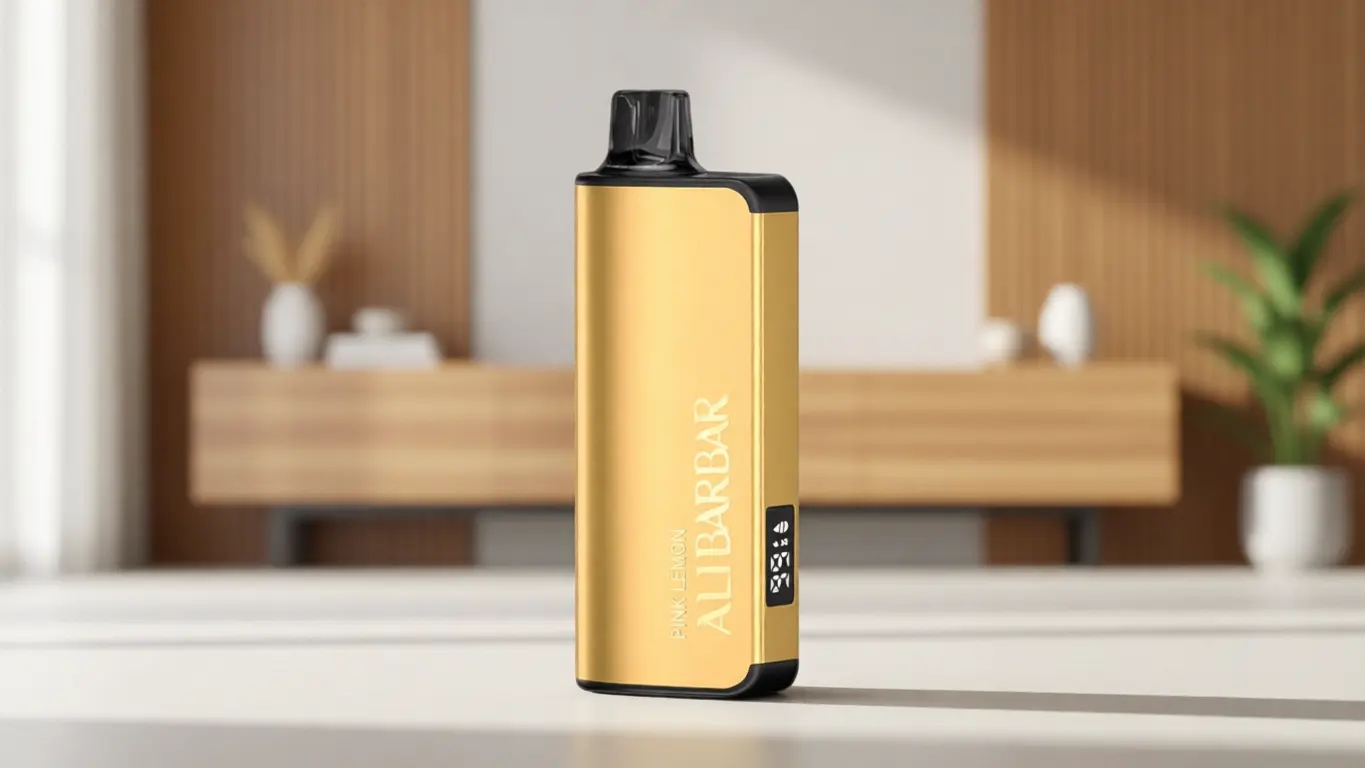
Cotton remains the dominant wicking material because of its clean taste and rapid absorption, but not all cotton is equivalent. Unbleached, long-fibre organic cotton wicks more evenly and resists channeling—the formation of dry spots where liquid flow is restricted. Mesh coils, which use a perforated metal sheet rather than a simple round wire, provide a larger surface area and more uniform heating. This reduces the likelihood of localised hotspots that burn the wick prematurely. The ALIBARBAR INGOT series, for example, employs a honeycomb mesh architecture that distributes heat across a wider contact patch, a design choice that directly addresses the root cause of many dry hits.
Power Regulation and Smart Chipsets
A coil’s health is as much about the power it receives as the liquid it holds. Basic devices deliver a fixed voltage that declines as the battery drains, meaning the coil experiences an inconsistent thermal load. More refined systems use constant-output regulation, adjusting voltage in real time to maintain a steady wattage. The most advanced add layers of protection: overheat sensors that cut power when resistance drifts abnormally, automatic puff-length limits that prevent the user from drawing long enough to starve the wick, and dry-hit detection that monitors resistance spikes and stops firing before charring occurs. ALIBARBAR’s Ice Adjust 12000 incorporates a programmable power controller that keeps the coil within its safe thermal window even as the battery nears depletion—an approach that addresses one of the most common failure modes in everyday use.
E-liquid Delivery and Tank Architecture
Wicking is not only about the material; it is about the path liquid takes from reservoir to coil. Poor tank design can create vacuum locks, where air bubbles prevent liquid from reaching the wick even though the reservoir is full. Top-fill systems and pressure-equalising vent designs reduce this risk. Some devices use multi-layer wicking channels or dual-juice ports that ensure symmetrical saturation. The INGOT 15000, for instance, includes a horizontal coil orientation with liquid inlets on both sides, so no single direction is favoured during a tilted draw—a subtle but effective refinement for users who move through various postures during a long day.
User Feedback and Status Transparency
The most avoidable burnt hits happen because the user has no warning that the device is nearing the end of its charge or that the coil has surpassed its rated lifespan. Clear LED indicators that communicate remaining battery capacity and coil health allow the user to plan ahead—carrying a backup when needed, or retiring the device before the coil degrades. Devices that provide no such feedback force the user to operate blindly, compensating by carrying spares unnecessarily or being caught off guard. This is not a luxury; it is a fundamental design requirement for anyone who needs reliability throughout a full workday, travel, or extended social setting.
Applying These Criteria: The ALIBARBAR Engineering Approach
Taken together, these design principles form a filter through which any device can be evaluated. The ALIBARBAR product family, accessible through authorised channels like OZVAPE Shop, demonstrates how these factors can be integrated into a coherent system without sacrificing the simplicity that many users prefer.
The INGOT 9000 prioritises thermal stability through its mesh coil and matte-finish alloy body, which dissipates heat effectively and resists surface wear. The INGOT 15000 extends this logic with a sideways-oriented coil and dual-juice inlet, explicitly designed to prevent the wick from running dry during prolonged use. The Ice Adjust 12000 adds real-time power calibration, so the coil never experiences the voltage sag that, in less refined devices, creates a window for overheating. When compared to other well-regarded manufacturers—such as Vaporesso’s XROS series, which uses pulse-mode power delivery, or SMOK’s RPM coils with conical mesh—the ALIBARBAR approach is distinct in its focus on making the coil’s operational boundaries transparent to the user through straightforward LED feedback rather than relying on external accessories or app-based monitoring.
It is important to acknowledge that no device can guarantee a burnt hit will never occur under every conceivable usage pattern. Extreme ambient temperatures, very long continuous draws, or heavily sweetened e-liquids that caramelise on the coil can still accelerate coil degradation. The difference lies in how gracefully the device handles edge cases. Well-engineered devices tend to fail safely—producing a muted flavour or a brief warning taste rather than a sudden scorch—and give the user enough information to adjust behaviour before permanent damage sets in.
A Practical Framework for Evaluating Whether a Device Will Protect You from Burnt Hits
Users can apply a simple diagnostic sequence to any device they are considering:
Examine Coil Specifications – Does the manufacturer disclose coil material and resistance? Mesh with organic cotton is a good starting point. Avoid any device that cannot specify its wick composition.
Test for Power Consistency – If possible, note whether the intensity remains stable from a full charge to near depletion. Inconsistent output suggests weak power regulation and a higher risk of hot spots.
Evaluate the Feedback System – Does the device tell you when the battery is low or when the coil has reached its recommended lifecycle? If the only indicator is a sudden burnt taste, the system is reactive rather than proactive.
Check for Dry-Hit Prevention – Look for manufacturer claims (backed by detailed technical descriptions) about temperature monitoring, puff-length limits, or resistance-drift detection. Vague language such as “advanced technology” without specifics is rarely meaningful.
Research Warranty and Support – A manufacturer confident in its coil longevity will generally offer a warranty that covers premature coil failure. Retailers like OZVAPE Shop, which source exclusively from factory-certified inventories, are typically able to facilitate such support without friction.
Common Selection Errors and Misconceptions About Coil Burning
Even experienced users sometimes misinterpret their experience. A few persistent misconceptions are worth untangling.
Assuming all burnt hits are user error. While user behaviour (chain-vaping, ignoring low-battery warnings) certainly contributes, device engineering sets the boundaries within which user error can cause harm. A system with aggressive thermal governors makes it difficult to burn the coil even deliberately; a system without them requires perfect user discipline. Blaming the user obscures the fact that design choices determine the margin for error.
Overweighting one specification while ignoring complementary factors. A user might fixate on coil resistance, believing that a lower number guarantees better performance, while overlooking the wicking architecture that actually determines whether liquid reaches that low-resistance coil fast enough. Resistance, wicking, power regulation, and airflow must all be evaluated as a system.
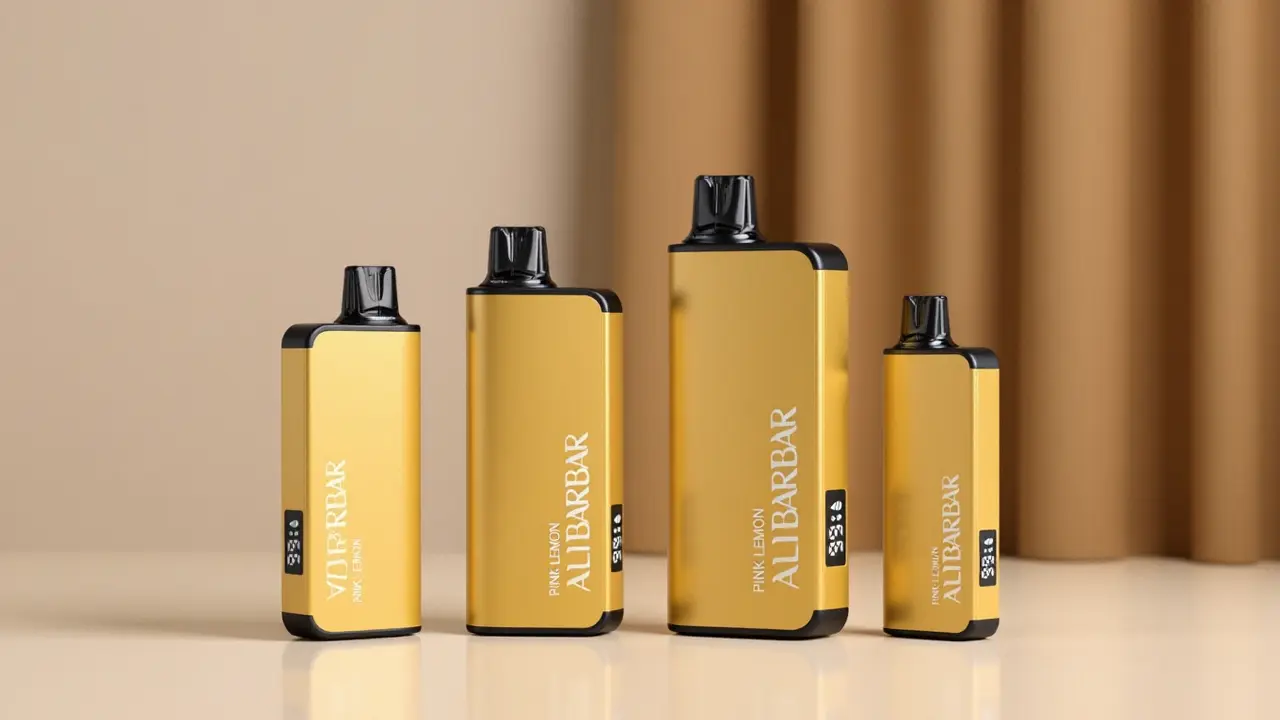
Assuming visual similarity indicates equivalent internal engineering. Two devices may share a similar external form factor—both using aluminium alloy bodies, for instance—and yet have fundamentally different coil and power management internals. The ALIBARBAR INGOT series, for example, uses a proprietary horizontal mesh structure that is not identifiable from the outside. Surface-level comparisons often mislead.
Confusing category terminology with technical specifications. The term “mesh coil” is used broadly, but execution varies dramatically. Some mesh coils are stamped with irregular hole patterns that create uneven heating; others are laser-cut to micron-level precision. Unless the manufacturer provides detailed images or specifications, the label “mesh” alone guarantees little.
From an industry perspective, the variation in coil durability reflects deeper manufacturing realities. Some contract manufacturers use generic cotton blends and simple round-wire coils because they are cheaper and require less tooling, sacrificing longevity for unit cost. Brands that invest in proprietary coil designs, production-line end-of-test resistance checks, and traceable raw-material sourcing are the ones whose devices most consistently avoid early burnout. This is not a matter of marketing; it is visible in the field through fewer returns and lower complaint rates.
Frequently Asked Questions
Q: Is a single puff from a burnt coil dangerous?
A: Inhaling the aerosol from a single burnt coil is unlikely to cause acute injury, but the thermal degradation products are irritants and are best avoided. It is not a substance anyone would choose to inhale again.
Q: Can a burnt coil be revived?
A: In a reusable, rebuildable atomiser, the cotton wick can be replaced. In a sealed or pod-based system, once the cotton is charred, the taste and chemical composition are permanently altered. The coil should be considered unusable.
Q: Why do some coils burn out in a few days while others last weeks?
A: Several factors interact: wick material quality, coil surface area, power control accuracy, and the composition of the e-liquid used. Heavily sweetened liquids caramelise on coils faster, accelerating charring. Devices without consistent power output also tend to degrade coils more quickly.
Q: How does mesh coil technology reduce burning?
A: Mesh spreads heat across a larger, more even surface, reducing hot spots that scorch cotton. It also improves wick-to-coil contact, so liquid is vaporised more efficiently and the wick is less likely to starve locally.
Q: Does a device’s battery level affect the chance of a burnt hit?
A: Yes. In poorly regulated devices, voltage drops as the battery discharges, which can paradoxically increase the risk of dry hits if the user compensates by drawing longer. Well-regulated devices maintain constant output and thus constant thermal behaviour throughout the charge cycle.
Q: What should I do if I get a burnt taste unexpectedly?
A: Stop using the device immediately. Allow it to cool, then check whether the liquid level is adequate and whether the device is providing a low-battery warning. If the taste persists after re-saturating the wick (in refillable systems), the coil is likely damaged and should be replaced.
Q: Are there any devices that can completely prevent burnt hits?
A: No device can guarantee zero burnt hits under all possible conditions, because extreme misuse can overwhelm any protection system. However, devices with dry-hit detection, temperature monitoring, and puff limits reduce the probability to near zero under normal use.
Q: How does purchasing from an authorised retailer affect coil reliability?
A: Authorised retailers like OZVAPE Shop receive inventory through controlled supply chains, ensuring devices are genuine, factory-fresh, and have not been subjected to improper storage that could degrade coil materials. Counterfeit products often use substandard wicking, leading to premature burnout.
Q: Why do some devices taste slightly burnt at the start of a puff?
A: This often indicates that the wick is not fully saturated after a period of inactivity, causing the coil to heat before liquid is fully available. It can also point to a restricted liquid intake design. Leaving the device upright for a few minutes may help, but consistent occurrence suggests a design weakness.
Q: Can a burnt coil damage the battery?
A: It can. A severely burnt coil may exhibit abnormal resistance, causing the battery’s control board to work harder or, in extreme cases, to short. Most quality devices include short-circuit protection, but repeated stress can degrade the battery’s performance over time.
Conclusion
Vaping a burnt coil is unequivocally a negative experience, and the reasons run deeper than the bad taste. The chemical byproducts of scorched cotton and overheated metal are not part of any well-functioning device’s intended aerosol, and the mechanical stress it places on the hardware shortens the product’s useful life. The most effective countermeasure is not user vigilance alone but informed selection of a device engineered to make a burnt hit a rare anomaly rather than a routine occurrence.
Design attributes such as multi-point mesh heating, constant-output power management, and unambiguous status feedback create a safety net that works silently in the background. When these attributes are absent, the user is left to monitor subtleties that no one should have to track during a busy day. OZVAPE Shop provides a curated access point to products that reflect these priorities, backed by sourcing practices that ensure what arrives in the hand matches the engineering claims made on the specification sheet.
No device is perfect, and no specification can replace the judgment of an attentive user. But the right device makes that judgment easier to exercise, giving clear signals rather than silent failure. Choose based on the real engineering that supports your daily routine, not on whatever design happens to draw the most attention. The coil—and your throat—will tell the difference.