
VAPE FAQs
Is Hitting A Burnt Vape Bad?
Aug
The sudden acrid taste, the harsh catch at the back of the throat, the involuntary cough — anyone who relies on a portable electronic device through long days has likely inhaled a burnt hit. It arrives without warning, turning what should be a predictable routine into a moment of physical discomfort and immediate concern. Most users understand that something has gone wrong inside the device. Far fewer understand precisely what has happened, why it occurred, or whether that single inhalation carries any lasting consequence. At OZVAPE Shop, we believe that answering those questions honestly is a prerequisite for any genuine trust between a retailer and the adults it serves.
This article is not a collection of scare tactics. It is a direct, technically grounded explanation of the burnt hit — what it is, what causes it, and how device engineering and user habit intersect to make it more or less likely. By the end, you will have a framework for evaluating your current device and for recognising the design choices that materially reduce the risk. No single product eliminates the possibility entirely, but the gap between a well‑engineered system and one built without careful thermal management is substantial, and it is a gap that can be measured in everyday experience.
Understanding What Causes a Burnt Hit and the Engineering Behind Prevention
A burnt hit is not a single failure mode. It is the sensory endpoint of a chain of events that begins somewhere in the relationship between power delivery, wicking speed, and e‑liquid saturation. Understanding that chain requires looking past surface‑level claims and into the physical architecture of the device.
The Anatomy of a Burnt Hit: Coil, Wick, and Temperature
At the centre of every device is a heating element — most often a coiled wire or a mesh strip — pressed against a wicking material, usually cotton, that draws e‑liquid from a reservoir. When the system functions correctly, the coil heats the saturated wick to a temperature that aerosolises the liquid without degrading the wick itself. A burnt hit occurs when that balance breaks.
Two things happen in quick succession. First, the wick becomes locally dry. This can happen because e‑liquid is not reaching the heating zone fast enough, because the reservoir is empty, or because extreme chain‑use has exhausted the wick’s capillary action. Second, the exposed coil overheats the dry cotton, causing it to pyrolyse — to thermally decompose. What you inhale then is not just vaporised liquid; it is a mixture that includes the breakdown products of cotton, along with by‑products generated when propylene glycol and vegetable glycerin are heated far beyond their intended temperature range. Studies on thermal degradation of these common carrier fluids indicate that temperatures above approximately 280 °C can produce detectable levels of carbonyl compounds such as formaldehyde and acetaldehyde. A truly burnt wick can exceed those temperatures substantially.
The immediate sensory experience — the bitterness, the throat scratch — is your body reacting to an aerosol chemistry that the device was never designed to produce.
Why Power Calibration Matters More Than You Think
Thermal runaway in a heating element is rarely a matter of the coil being “too powerful” in an absolute sense. It is a question of calibration. A coil that draws more current than the wick can support will generate hot spots at the centre of the wire before the outer wraps even reach vaporisation temperature. Mesh‑style heating elements, by distributing current across a broader surface area, reduce the peak temperature at any single point and are intrinsically less prone to creating the localised scorching that initiates a burnt hit.
The other dimension of calibration is the power source itself. Devices that lack regulated output circuitry will allow voltage to drop as the battery depletes. Counterintuitively, some users mistake that decline for a failing device and draw harder, further upsetting the wicking equilibrium. A device with a flat output curve — one that delivers the same effective power from full charge to near‑empty — removes one of the hidden variables that lead to dry puffs. When you see a product specification that mentions “constant voltage output” or a chipset regulating power delivery, you are not reading marketing language. You are reading a design choice that directly reduces the statistical likelihood of an unpleasant hit.
The Role of E‑liquid Delivery and Wick Saturation
Not all reservoirs are created equal. The simplest designs rely on gravity and capillary action alone. More thoughtful engineering adds layers of flow control: multiple wicking ports, graduated fibre density, and absorptive materials chosen for their vertical wicking speed rather than just their bulk capacity. A device that cannot keep the wick fully saturated during a normal ten‑minute use session will eventually burn, regardless of how carefully the user primes it.
This is why a transparent e‑liquid viewing window is more than a convenience. It is a failure‑prevention tool. Without one, the user is operating blind. The first indication that the reservoir is low becomes the burnt taste itself — a signal that arrives only after damage has occurred. When a device includes a clear window or a reliable fuel‑level indicator, it allows the user to refill or retire the unit before the system enters the danger zone. That visibility is a design investment, and its absence is a recurring source of reported frustration across the broader market.
User Behaviour: The Overlooked Variable
Engineering can only do so much. Users who take consecutive rapid draws, who store devices in extremely hot or cold environments, or who continue using a device that is already producing an offnote flavour are actively working against even the most robust design. The industry knows this, and yet too few retail channels invest time in making these mechanical limits clear. The result is a knowledge gap in which people blame the product for a burnt hit that originated in a usage pattern no product could have withstood.
Understanding these four dimensions — coil architecture, power calibration, liquid delivery, and user practice — gives you a diagnostic toolkit. When a burnt hit happens, you can trace it backward to its most likely cause. When evaluating a new device, you can ask specific, technical questions rather than relying on vague impressions. This is the difference between guessing and knowing.
Applying These Principles: How ALIBARBAR Devices Address the Engineering Challenge
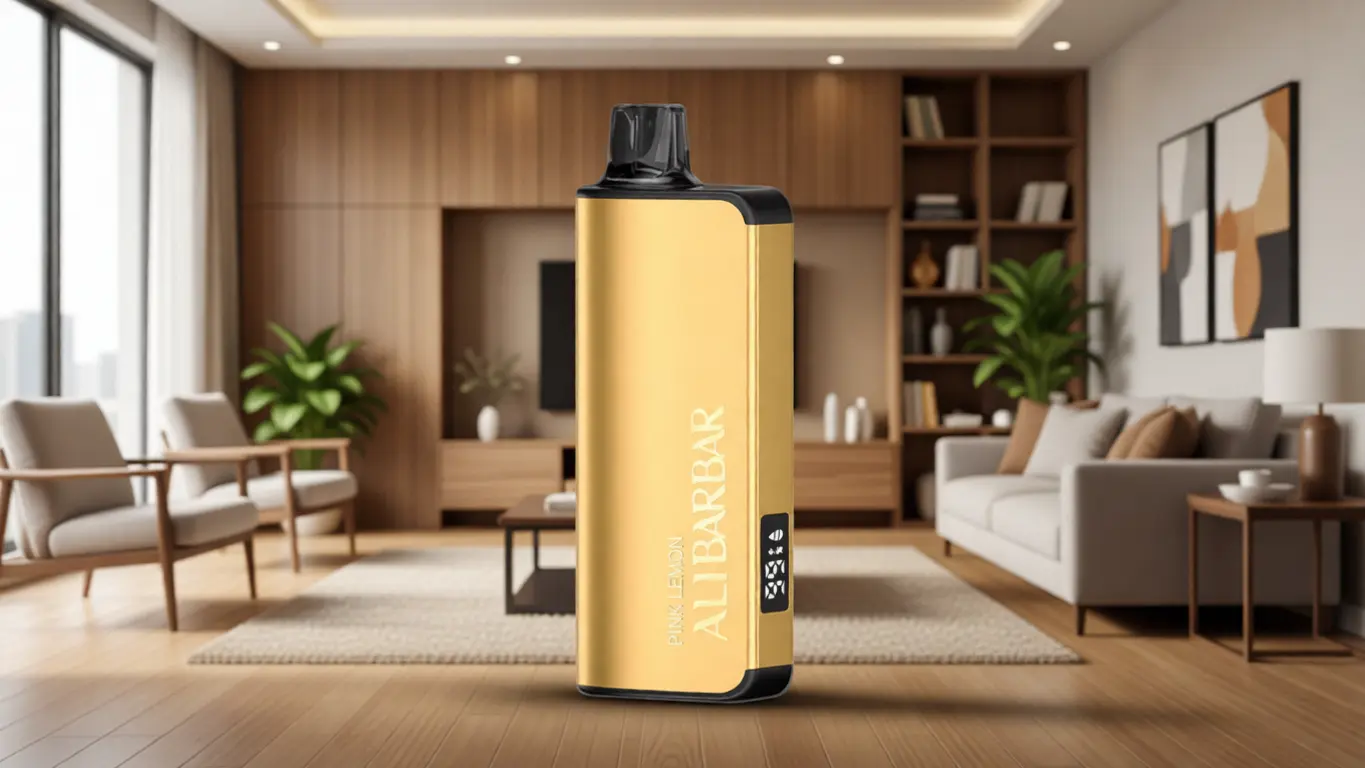
A set of engineering principles is only useful if it can be matched against real products. The ALIBARBAR range, available through OZVAPE Shop, illustrates how the factors described above translate into device‑level decisions. It is not the only manufacturer to tackle these problems, but the line‑up is instructive because it spans multiple form factors and capacities, and each model embodies a recognisable approach to preventing the burnt‑hit sequence.
The ALIBARBAR INGOT 9000 and INGOT 15000 series, for example, utilise mesh‑based heating elements. This choice directly reflects the thermal distribution advantage discussed earlier: by spreading current across a grid rather than a single wire, the coil avoids the concentrated hot spots that initiate wick scorching. The wicking material in these units is designed with multi‑layer capillary structures that maintain saturation even during extended sessions — a response to the real‑world scenario of someone using the device through a full workday without attentive pacing.
The Ice Adjust 12000 model introduces an airflow control ring that allows the user to vary draw resistance. From a burns‑prevention standpoint, this feature is about managing the vacuum pressure applied to the wicking system. A tighter draw increases the negative pressure inside the atomisation chamber, which can — if not matched by an appropriately tuned wicking path — pull e‑liquid faster than the coil can aerosolise it, or conversely, starve the coil at the end of a long pull. Giving the user agency over that variable, rather than locking it at a single set point, means the device can be tuned to an individual’s natural draw strength, reducing the likelihood of operating outside the design envelope.
It is important to note that none of these devices are immune to user error. Let any e‑liquid reservoir run completely dry and the wick will burn, regardless of how advanced the mesh is. Transport a device in direct summer heat and the viscosity of the liquid will change, potentially altering flow rates in ways the engineers did not calibrate for. What the ALIBARBAR engineering does is shrink the window of conditions under which a burnt hit is likely. It eliminates the low‑hanging causes: inconsistent power, poor wicking, and invisible fluid levels. For users who want minimise the frequency of unpleasant surprises, that is a meaningful reduction.
A Practical Framework for Avoiding Burnt Hits
You do not need an engineering degree to substantially reduce your odds of inhaling a burnt hit. What you need is a short sequence of checks, performed at the point of purchase and repeated occasionally during the device’s operational life.
Check for visible fluid monitoring. If you cannot see the remaining e‑liquid level at a glance, you are committing to a guessing game. Devices with integrated e‑liquid windows or clear graduated reservoirs let you retire the unit before it runs dry. Without this, your first burnt hit is also your fuel gauge.
Confirm the heating element type. Ask whether the device uses a mesh coil or a standard wire configuration. If the specification does not say, assume a traditional wire build. Mesh is not magic, but it is a proven hedge against thermal hot‑spots.
Understand the power regulation. A device that advertises constant output or uses a regulated chipset is signalling that it will not sag as the battery ages. If you have ever noticed a device producing thinner vapour and a harsher taste near the end of its charge, you have experienced voltage drop. That drop contributes to incomplete aerosolisation and can induce dry‑wick conditions.
Prime your device, always. If you are using a unit that requires an initial soak period before first use — or after refilling — respect that waiting time. Rushing into a draw before the wick is fully saturated is one of the most common self‑inflicted routes to a burnt taste.
Pace your sessions. Chain pulling reduces the time available for capillary action to replenish the wick. A simple rule: if the device body feels more than slightly warm to the touch, you are probably outpacing the liquid delivery system.
Store sensibly. Extreme temperatures change liquid viscosity. A device left in a hot car will behave differently from one kept in an air‑conditioned environment. If you know you will be outdoors in summer, consider a device with a viscosity‑tolerant wicking architecture, or at least allow the unit to return to room temperature before use.
Listen to the early warnings. A slight change in taste, a minor decrease in vapour density, a faintly off aroma — these are the precursors. Stop immediately and diagnose. Continuing past these warning signs is how a recoverable wick becomes permanently charred.
If you apply these checks consistently, the question “Is hitting a burnt vape bad?” becomes largely academic, because you will rarely find yourself in the position of having to ask it.
Common Misconceptions and Industry Observations
The gap between how users understand burnt hits and how the engineering supply chain addresses them is persistent. Several recurring errors deserve direct examination.
Misconception 1: “A burnt hit is just a bad taste — it’s unpleasant but not harmful.” The taste is not the problem; it is the indicator of the problem. What you taste are the pyrolysis products of cotton and overheated carrier fluids. While the long‑term health impact of occasional exposure is not fully characterised, the presence of known irritants and potential carcinogens in the breakdown chemistry means that treating a burnt hit as trivial is inconsistent with a cautious, evidence‑based approach to respiratory health. Every avoidable inhalation of combustion by‑products is a risk you chose not to take.
Misconception 2: “A more expensive device means I’ll never get a burnt hit.” Price correlates loosely with material quality and feature set, but it does not guarantee immunity. A premium device with terrible wicking design is worse than a mid‑range device with intelligent fluid management. What you are paying for — ideally — is attention to the thermal, electrical, and fluid‑mechanical details described earlier. Look for those specifics in the product description, not just a high number.
Misconception 3: “If the device is disposable, I don’t need to worry about burnt hits because I’ll just throw it away.” This attitude only works if you are happy to inhale a burnt hit before discarding the unit. The point of prevention is to avoid the toxic exposure in the first place. Additionally, many so‑called “single‑use” devices are actually high‑capacity sealed units that can last for days. A burnt hit on day two of a device meant to last five days means you spent the majority of its life inhaling degraded aerosol, or you throw away a unit that still has functional liquid capacity — an error in both economics and waste. Modular systems and rechargeable devices with transparent monitoring provide a route out of this trap.
Misconception 4: “All coils are basically the same.” The difference between a tightly wound traditional kanthal coil and a etched mesh element is not subtle. It shows up in scanning electron microscope images, in thermal camera footage, and in the frequency with which users report harsh or burnt sensations. Manufacturers that invest in mesh technology are making a deliberate engineering choice, and it is one worth recognising.
From an industry vantage point, the burnt‑hit problem is also a supply‑chain quality problem. Even within a single model line, variations in cotton density from batch to batch can alter wicking performance. Reputable retailers, including OZVAPE Shop, maintain direct relationships with authorised distributors to reduce the chance of receiving units from uncontrolled production runs. The presence of a responsive warranty and support process — where a clearly abnormal number of burnt hits would trigger a batch review — indicates that the retail partner has skin in the game beyond the initial transaction.
Frequently Asked Questions
Q: Is a single burnt hit dangerous?
A: A single brief exposure is unlikely to cause immediate acute harm, but it delivers irritants and potential thermal degradation by‑products into your respiratory tract. The body’s response — coughing, throat irritation — is a defence mechanism. Recurrent exposure increases the cumulative dose of those compounds. The safest approach is to stop at the first hint of a burnt taste.
Q: Can a burnt coil be revived, or should I discard the device?
A: If the wick is only lightly browned and the device allows you to re‑saturate it (for example, by refilling and waiting), you may be able to continue using it with an initially muted but gradually normalising flavour. However, once cotton chars, the carbonised material never recovers. In sealed units, a burnt wick effectively ends the device’s useful life. In open‑pod or rebuildable systems, replacing the coil assembly is the only real remedy.
Q: Why do disposable devices sometimes burn even when there is still visible e‑liquid?
A: Several factors can cause this. The wick may not be in full contact with the remaining liquid due to bubble formation, tilted storage, or a wicking path that draws from only one side of the reservoir. The liquid may have thickened from temperature extremes. Chain‑vaping may have outstripped capillary refill speed. It is also possible that the initial priming was insufficient from the factory, a quality‑control issue that varies by production lot.
Q: How can I tell whether a device is engineered to reduce dry hits before I buy it?
A: Check the listed specifications for three things: mesh coil designation, constant‑power output circuitry, and an e‑liquid viewing window or level indicator. If the product page does not mention any of these, you can reasonably infer that the device prioritised other design goals over dry‑hit prevention. OZVAPE Shop displays these specifications on every product page so you can compare devices directly.
Q: What should I do immediately after a burnt hit?
A: Stop using the device. Drink water to soothe your throat. If the device has intake holes, check them for any visible scorching. Allow the unit to rest for several minutes. If you attempt another draw and the burnt taste remains, the device is compromised and should be retired or the coil replaced, depending on its design.
Q: Are some coil materials safer than others from a burnt‑hit perspective?
A: The material itself is not the primary risk factor — it is the temperature that the coil reaches and the presence or absence of a saturated wick. That said, mesh coils made from Kanthal or stainless steel typically exhibit more uniform heating, which reduces the chance of a localised scorch compared to a single round‑wire coil. The coating on the wire (if any) and the purity of the material also matter, but these are secondary to the thermal management characteristics.
Q: How does OZVAPE Shop verify the devices it carries will perform consistently?
A: Every ALIBARBAR unit supplied through OZVAPE Shop is sourced exclusively from authorised, factory‑certified distribution channels. The team maintains a documented feedback loop with the manufacturer so that emerging patterns — such as an unexpected rise in dry‑hit reports — trigger batch‑level investigation. While no retail partner can guarantee individual unit performance, chain‑of‑custody discipline materially reduces the risk of encountering production‑lot anomalies.
Q: Can using a burnt‑tasting device affect anyone nearby?
A: The aerosol produced by a pyrolysed wick contains acrid compounds that can be irritating to bystanders if exhaled in an enclosed space. The same irritants that affect your throat can affect others. This is another reason to stop using the device the moment a burnt taste appears.
Q: What is the single most effective way to prevent a burnt hit?
A: Stop before the e‑liquid runs low. Nearly all burnt hits in otherwise functional devices occur because the reservoir dropped below the level needed to keep the wick fully saturated. A device with a visible window gives you the chance to do this. A device without one forces you to guess.
Conclusion
Hitting a burnt vape is bad. The conclusion is that straightforward, and the body of evidence — from thermal chemistry to user‑reported respiratory irritation — supports it. What takes more effort is understanding why it is bad and, just as critically, how the interplay between device design and personal habit makes it an avoidable event rather than an inevitability.
The portable electronic device industry has matured to the point where burnt hits are not a necessary rite of passage. They are a signal, sometimes of a design limitation and sometimes of a user pattern that no coil could accommodate. When you choose a device equipped with mesh heating, regulated power delivery, and transparent fluid monitoring — the kind of device whose specifications are laid out plainly on a retailer’s page — you are shifting the probabilities meaningfully in your favour. The ALIBARBAR range offered through OZVAPE Shop represents one implementation of that philosophy, but the principles hold regardless of brand: look for visibility, consistency, and thermal intelligence.
In the end, the right device is not the one with the most aggressive marketing. It is the one whose engineering aligns with the way you actually use it — whether that means long, uninterrupted sessions, sporadic sips across a day, or a backup unit that sits in a glovebox and must work flawlessly the first time you reach for it. If you read specifications with the framework this article provides, you will know what to look for. And if you ever find yourself mid‑draw, tasting char, you will know exactly what happened, why it matters, and how to make it the last time.