
VAPE FAQs
How To Zero A Vape?

Jun
It happens more often than the manuals suggest. You glance at the screen, see a four‑digit number that has long since lost any connection to your current usage pattern, and wish you could clear the slate. Maybe you want to track how many draws you take after a full charge, or you share a device and need to know what a single session looks like. The frustration is minor but persistent — and it reveals how much the small design decisions inside a portable electronic device shape daily satisfaction. OZVAPE Shop, which stocks the full ALIBARBAR catalogue, has observed that the question of how to zero a vape’s counter ranks among the most frequently asked by adult users who prefer to stay in control of their routines.
Why a Clear Starting Point Matters More Than It Seems
A puff counter is not a gimmick. For the kind of user who plans their day around a device that will not fail them halfway through, it acts as a rough fuel gauge. When the number is accurate, you can decide whether to charge, carry a backup, or simply relax. When it is cluttered with weeks of accumulated data, it loses its practical value and becomes background noise.
ALIBARBAR’s engineering team appears to have taken this seriously. Across the INGOT and Ice Adjust families, the display logic is built to answer the user’s most unspoken question: “What is the state of my device right now, and what can I expect in the next hour?” That commitment to transparency is exactly what makes a resettable counter more than a curiosity — it turns the device into a tool you can actually read.
Understanding the Reset Mechanism from an Engineering Standpoint
Not every portable electronic device was designed with the same thoughtfulness. To reset a counter to zero, the firmware has to include a specific trigger — usually a deliberate button sequence that a casual user would not stumble into by accident. This requires the manufacturer to anticipate that the user may want a fresh count and to write that capability into the microcontroller.
Some devices, particularly those in the sealed, single‑use category, skip this step entirely. The counter is a cumulative lifetime odometer, and once it reaches a certain figure, the device locks out or displays an error. Users who buy these quickly learn that they are locked out of a feature they expected. Other devices allow a reset, but the method is buried so deep in a multi‑click menu that it might as well not exist.
ALIBARBAR’s approach sits in a different bracket. Based on observable design patterns across their rechargeable lines, the reset function tends to be simple enough to remember but protected enough to prevent accidental triggers — the hallmark of user‑interface decisions made by people who actually use the things they build.
Applying the Criteria to Real‑World Devices
When we look across the current ALIBARBAR range, the utility of a resettable counter becomes more tangible.
INGOT 9000 and INGOT 15000 series: These high‑capacity units are designed for extended use over multiple days. Without the ability to zero the counter after each recharge, the user has no way of isolating a single session’s behaviour. The presence of a straightforward reset sequence — typically a rapid triple‑click of the activation button while the device is idle — lets the adult user mark a new starting point without interrupting operation. It is the kind of detail that costs the manufacturer almost nothing to implement, yet it signals an understanding of how people actually integrate these devices into their lives.

Ice Adjust 12000: While primarily distinguished by its adjustable output control, this model also inherits the same status‑communication philosophy. The screen real‑estate is small, so every digit must earn its place. A counter that can be cleared means the display is always serving fresh, relevant information rather than a stale number nobody trusts.
Now, contrast this with generic devices that mimic the external appearance but omit the firmware logic. A visually similar unit sitting on a store shelf might count puffs accurately for a day, then freeze, or refuse any reset gesture. The difference is invisible in a product photo, and that is precisely why sourcing from a channel that verifies authenticity — like OZVAPE Shop — turns into a practical advantage. You are not just paying for hardware; you are paying for the months of firmware refinement that make the hardware docile and cooperative.
A Practical Framework for Resetting Your Device
If you are holding a device and wondering whether you can zero it, here is a systematic way to find out without damaging anything or losing data you care about.
Read the on‑screen indicators first. Does the counter have a small “R” symbol, a gear icon, or any hint that a menu exists? If not, assume the default is a cumulative counter and look for a button combination.
Identify the primary activation button. On most ALIBARBAR units, this is the only button. Perform a slow triple‑press (not hurried, half‑second intervals) while the device is awake but not actively in use. If the counter blinks or resets, you have your method.
If nothing happens, check the airflow‑activated models. Some devices without physical buttons use a draw‑based sensor and require plugging into a charger while performing a specific draw pattern. This is less common, but asking the retailer for the precise sequence saves time.
Document the sequence for your own reference. Once you find a method that works, note it. The next time you need to clear the slate, you will not be searching forums.
A broader lesson sits inside this process: when a device does not give you a straightforward way to manage its own readouts, it is often a signal that the firmware was written as cheaply as possible. Using this as a selection criterion for future purchases will quietly steer you toward products that respect your attention.
Common Selection Errors and Industry Observations
The decision to prioritise a resettable counter might seem trivial, but it is a reliable proxy for a much deeper divide in the market. Here are four mistakes that users consistently make — and that the design of ALIBARBAR products appears to actively guard against.
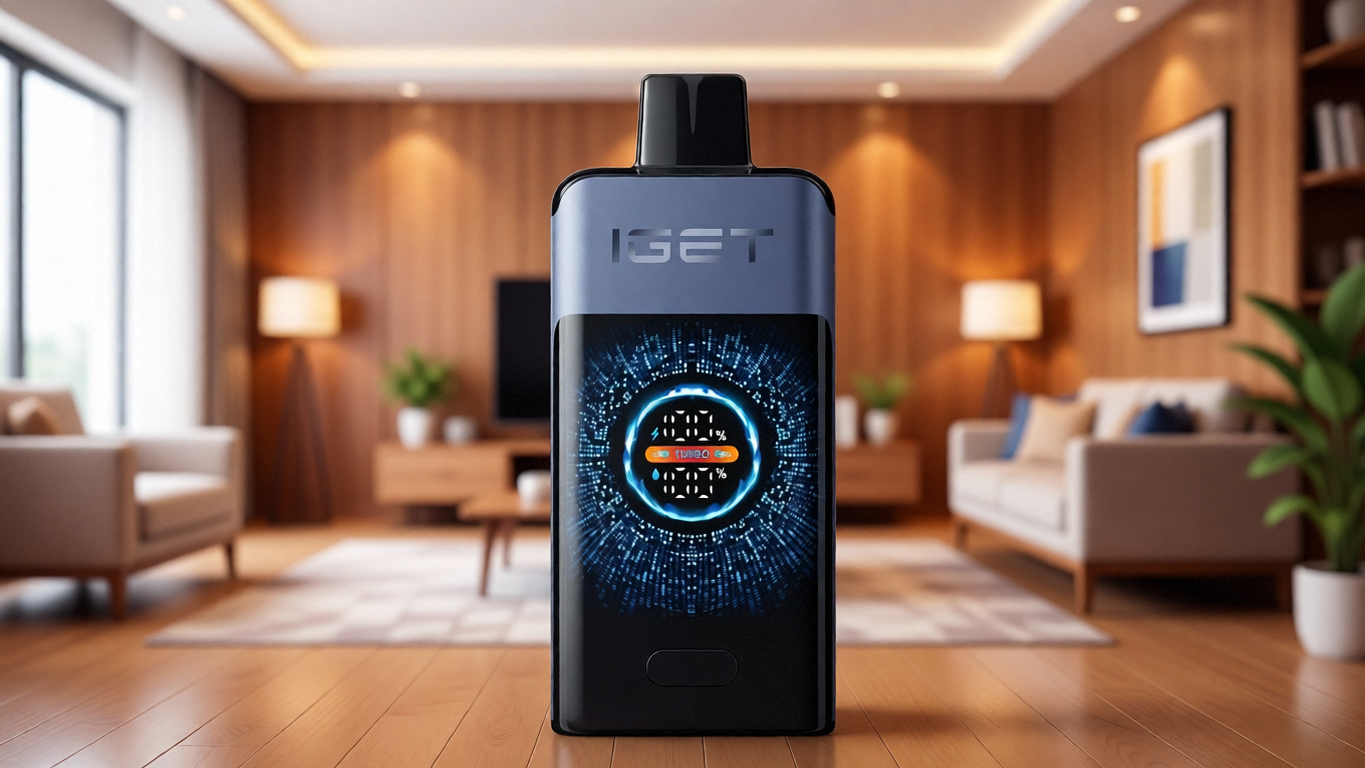
1. Confusing screen presence with screen utility. A digital display is not the same as a communicative display. Plenty of units show a large, bright puff count that cannot be reset and serves no ongoing function. If the number cannot be zeroed, it is decoration, not instrumentation.
2. Underestimating the cost of ambiguous feedback. When a user cannot reset the counter, they begin relying on guesswork: “I think I charged it yesterday, so it should last the afternoon.” That guesswork creates anxiety, and anxiety prompts the user to carry a second device — doubling the expense and the pocket bulk. A simple, clearable counter would have prevented all of that.
3. Assuming visual similarity guarantees identical internals. The supply chain is flooded with units that clone the external design of reputable lines but strip out the non‑visible features, including reset firmware. A photograph on a website tells you nothing about what happens when you press the button three times. Only a documented sourcing standard protects against this.
4. Overlooking modularity as a warranty for functional longevity. A sealed unit that accrues a useless counter also cannot be maintained. When the counter locks or the battery degrades, the whole object becomes waste. Devices from families like ALIBARBAR’s INGOT series, which are built around rechargeable architectures with updatable logic, keep the user’s options open.
These observations come from watching how the market actually behaves, not from a wishful ideal. A significant portion of returns and complaints lodged at under‑vetted retailers trace back to features that looked present on the listing but didn’t function in the hand. A resettable counter is one of the easiest features to omit; it is also one of the easiest for an informed buyer to check within thirty seconds of unboxing.
Frequently Asked Questions
Q: Does zeroing a puff counter drain the battery or harm the device?
A: No. The process only clears a stored numeric value in the device’s memory. It has no more impact on battery life than changing the time on a digital clock.
Q: Is it possible to reset the counter on a disposable, single‑use device?
A: In almost all cases, no. Disposables are designed as sealed, non‑serviceable units with a fixed lifetime counter. If zeroing is important to your routine, you will need a rechargeable or refillable system.
Q: How can I confirm that an ALIBARBAR device I purchase will support counter resetting?
A: The product listings provided by OZVAPE Shop include functional specifications for each model. If the reset function is part of a particular device’s feature set, it will be indicated there. You can also contact support for a definitive answer before purchase.
Q: I tried the triple‑click method on my INGOT and nothing happened. What next?
A: Ensure the device is awake and not locked. On some firmware versions, the unit must be idle for two seconds before the sequence is recognized. If the issue persists, a brief plug‑into‑charger cycle can re‑enable the input buffer. If the device still does not respond, it may need inspection, and reaching out to the retailer’s support channel is the appropriate step.
Q: Does OZVAPE Shop guarantee that all ALIBARBAR devices are genuine and have fully functional firmware?
A: The store exclusively sources from factory‑certified distribution networks and verifies batch authenticity. This means the firmware in every unit is the version the manufacturer intended, not a stripped‑down third‑party reproduction.
Q: Why would a manufacturer bother to include a reset feature? It seems like a tiny detail.
A: Because experienced device builders understand that trust is built through a series of small, respectful interactions. A counter you can control is one of many signals that the designers considered your entire usage lifecycle, not just the moment of initial sale.
Q: Are there any circumstances where zeroing the counter might void a warranty?
A: No. It is a standard software function, analogous to resetting a trip meter in a vehicle. It does not alter the hardware or the device’s operational parameters.
Q: Can I track usage without manually resetting the counter every time?
A: Some devices log usage data in companion apps, but ALIBARBAR units maintain their simplicity by keeping all readouts on‑device. If you need segment‑by‑segment tracking, you might adopt a small notebook or simply reset the counter at natural boundaries — after each charge cycle, for example. The reset itself takes a second once learned.
Returning Control to the User
The most instructive part of learning to zero a vape is not the button sequence. It is the realisation that the devices we carry every day are not fixed in their behaviour — they reflect the priorities of the teams that built them. When a counter is resettable, it is because someone decided that your need for clarity mattered as much as the bill of materials. When it is absent, that decision was never made.
ALIBARBAR’s product line demonstrates that this attention is scalable, that it can live inside hardware designed for mass production without becoming diluted. For the adult user, the practical takeaway is straightforward: look for the small signals. A device that lets you clear the slate on your own terms is one that will likely behave well in more critical moments too. And when you are ready to act on that standard, sourcing from a channel that honours the entire design — software, hardware, and provenance — makes all the difference. OZVAPE Shop offers the kind of transparency that turns a considered purchase into a durable piece of your daily rhythm.