
VAPE FAQs
Can You Bring A Vape To A Concert?
Jun
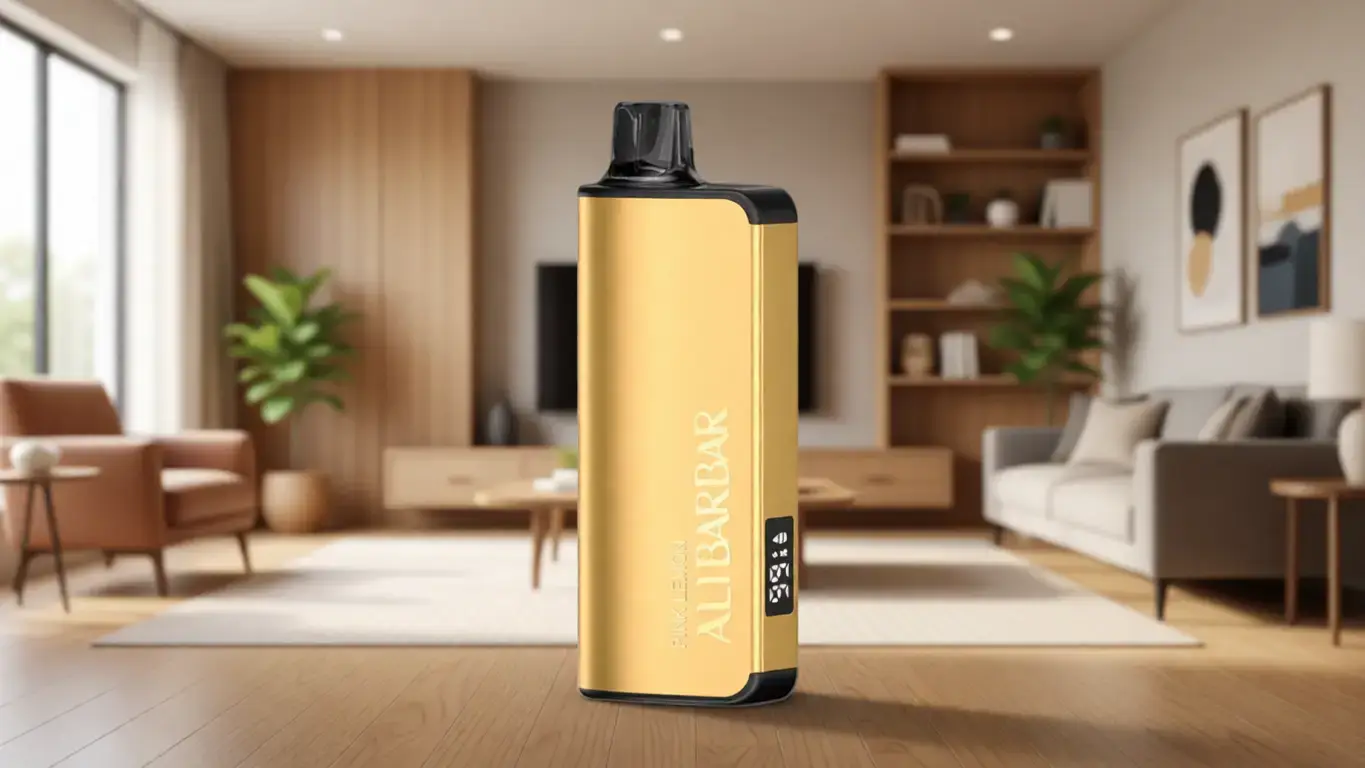
No, you cannot simply bring a vape to a concert without preparation. While many venues have specific rules that can make entry difficult, the real challenge runs deeper. It is not just about a door policy printed on a ticket—it is about choosing a device that respects the space, the people around you, and the unwritten code of not drawing unwanted attention in a crowd of thousands. Too many otherwise sensible adults arrive at a security checkpoint holding a bulky device with blinking lights and no clear status indicator, only to be surprised when it is flagged or confiscated. The truth is more useful than a blanket yes or no: you can bring certain kinds of personal electronic devices into venues, but only if you understand what actually matters before you leave home.
At OZVAPE Shop, we believe that informed adults deserve better than guesswork. We routinely hear from people who have been caught out by poorly chosen equipment—devices that die midway through a headline set, that leak, or that simply look too obvious. That frustration is exactly what the engineering teams behind the ALIBARBAR product family set out to eliminate. This article lays out what you need to consider before putting any device in your pocket for a live event, and explains why the hardware you choose makes all the difference.
Understanding What Matters: Core Engineering and Design Factors
When you are standing in a queue with hundreds of other people, about to pass through a bag check, a device is no longer just a tool—it becomes a question of how well it handles scrutiny, duration, and the sheer physical unpredictability of a night out. Four engineering factors determine whether you will sail through or end up frustrated.
Internal Architecture and Output Consistency
The most common complaint we hear is not about a device breaking completely, but about its performance degrading in the second half of its life. A device that starts the evening delivering a steady experience can, by the encore, produce a thinner, less satisfying output. This often comes down to how the heating element was designed. Devices built around mesh‑style architectures or advanced coil arrangements tend to maintain a more stable temperature curve over their entire rated cycle, because they heat more evenly and avoid the hot spots that cause premature wear.
Why this matters at a concert: you will not have the opportunity to switch to a backup mid‑show, and you will not be in a position to troubleshoot. The ALIBARBAR INGOT series, for instance, uses a refined internal coil structure that prioritises thermal consistency over raw output peaks. That design choice is not about marketing—it is a direct response to the observation that adults need a predictable experience from the first activation to the last.
Power Management and Status Transparency
Nothing is more disruptive than a device that goes dark without warning. In a darkened concert hall, pulling out a unit and finding it unresponsive means you are left with dead weight in your pocket. The problem often stems from poor power‑source calibration: the device draws unevenly, and the indicator system either lies or simply does not exist.
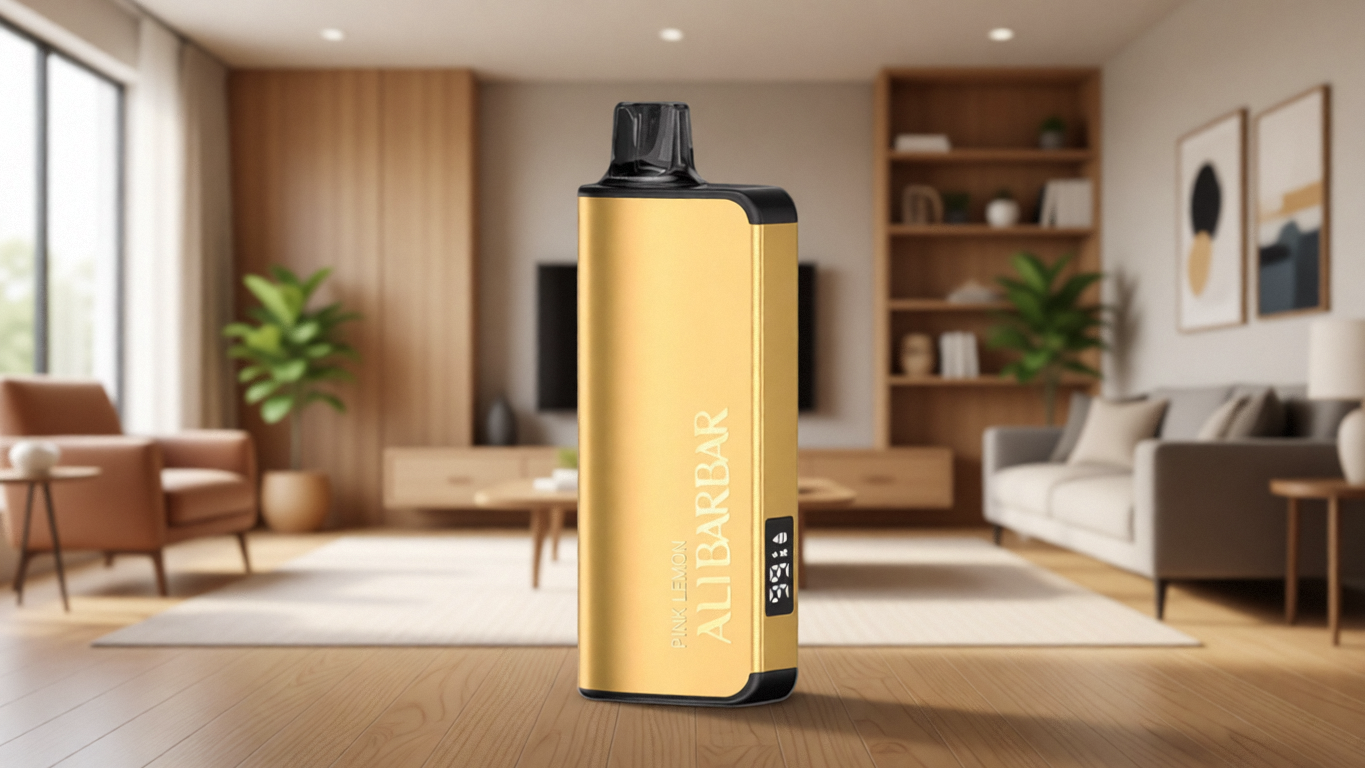
A well‑engineered status system communicates clearly without broadcasting. A single, subtly placed LED that shows remaining power through a gentle colour shift, for example, requires no tap‑and‑guess routine. You can check it discreetly with your thumb while the device stays hidden in your palm. Several ALIBARBAR models, including the Ice Adjust line, incorporate exactly this kind of feedback loop—no bright animation, no unnecessary noise, just a clear signal that you are still safely in the green.
Physical Design and Material Durability
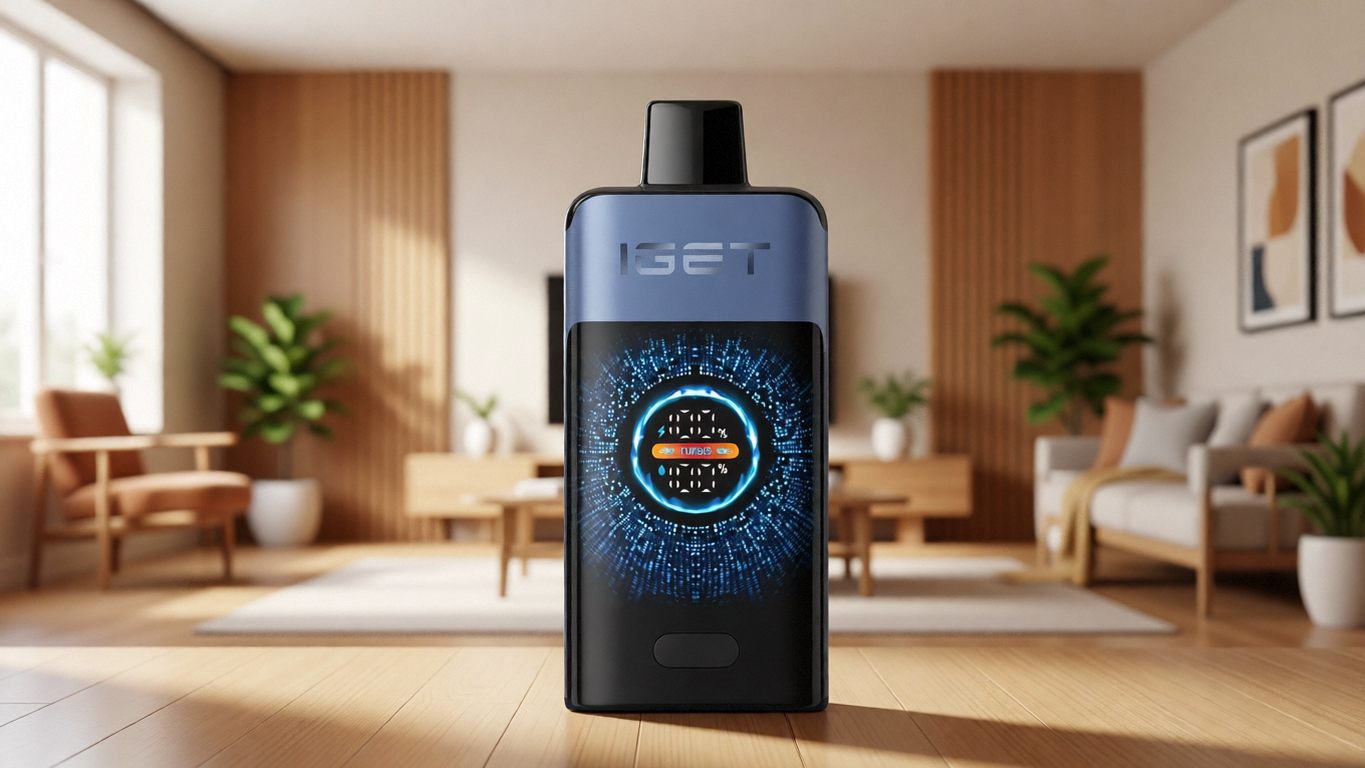
Concerts are unkind to flimsy objects. You will be bumped, you may drop your belongings, and the night could involve rain, spilled drinks, or long hours in a pocket pressed against keys. A device that looks great on a retail shelf but uses a cheap metallic finish often shows heavy surface wear after one such outing. Even worse, some mouthpiece contours cause fatigue during extended use, which is the last thing you want when you are already standing for three hours.
Look for surfaces treated with anodising or similar processes that resist scratching, and for mouthpieces shaped to fit the natural resting position of the lips. The ALIBARBAR family is engineered with exactly this kind of physical durability in mind. Their rounded edges and recessed components are not an aesthetic accident—they are a functional response to the demands of a mobile adult lifestyle.
Modularity and Lifecycle Flexibility
A concert is a single event, but the decision you make about your device has longer‑term consequences. Sealed, single‑use units cannot be recharged or refilled, so every outing means carrying a new piece of hardware and discarding the old one. Rechargeable systems let you top up before you leave, and some modular designs even allow you to swap out only the consumable component while reusing the power and control module. This not only reduces waste but can significantly lower your cost per use over a month of events.
Understanding this distinction changes how you evaluate a device. A unit like the INGOT 15000, with its generous internal reserves and a rechargeable battery that helps you extract every last bit of value, aligns with a user who attends multiple events and doesn’t want to keep a drawer full of dead hardware. The flexibility to choose between different architectures means you can prioritise what matters most: complete disposability for ultimate convenience, or a rechargeable core that keeps your routine lean.
Applying These Criteria to Real‑World Options
When you start looking at the market through the lens of the four factors above, certain product families begin to stand out—not because they are the most talked‑about, but because their engineering aligns with the real conditions of a live music event.
The ALIBARBAR INGOT 9000, for example, is compact enough to disappear in a closed fist. Its mesh coil technology delivers the output consistency we discussed, and its power indicator is a single, calm light. It is designed for users who need something small enough to slip into a jeans pocket alongside a phone, yet robust enough to last through a full evening without performance drop‑off. The trade‑off? It is a closed unit; once its reserves are depleted, the whole device is retired. That is a reasonable compromise if your priority is a grab‑and‑go, no‑maintenance tool.
For those who need to last from the support act through the final encore and then some, the INGOT 15000 doubles the internal reserves and adds USB‑C rechargeability. The increased capacity is housed in a body that remains surprisingly palmable. Its charging port is neatly recessed, reducing the risk of pocket lint intrusion—a small detail that reveals a lot about the design team’s priorities. The trade‑off with any high‑capacity device is a slight increase in weight, but for most users, the self‑sufficiency it delivers more than balances that.
The Ice Adjust 12000 introduces another layer of user control: adjustable output settings. At a concert, you might want a different experience during the quieter acoustic support than during a high‑energy main set. Having the ability to dial this in without switching devices is valuable. The adjustment mechanism is tactile, allowing for changes by feel alone. This series also incorporates the same careful battery feedback system, so you are never left guessing.
Other device families on the market attempt to solve similar problems, but often cut corners in the feedback loop or material quality. Some well‑known volume‑heavy brands produce units with bright, multi‑colour LEDs that draw attention in low light—exactly what you want to avoid at a venue entrance. Others prioritise a larger liquid window over a sturdy seal, and concert‑goers have learned the hard way what happens when that seal meets a jostling crowd. The difference is in the details of the engineering brief, not the headline specifications.
A Practical Framework for Evaluation
You do not need to be an electrical engineer to assess whether a device is concert‑ready. You just need the right questions. The next time you are considering what to bring, run through this checklist:
The Stealth Test: Can you close your hand completely around the device? If any part protrudes, it is too visible. Can you check its status without turning it toward your face and lighting up your expression? If the indicator is bright and multi‑coloured, you will draw attention the moment you glance at it.
The Duration Audit: How long is the event, including travel and queuing time? A standard headline set with two supports can easily stretch to five hours. Add post‑show socialising, and you may be out for eight. Does your device’s rated lifespan actually cover that, or will you be left empty‑handed? Remember that manufacturer ratings are averages; real‑world use can burn through reserves faster, especially if the device is activated frequently.
The Drop‑Worthy Factor: Imagine it falling onto a concrete floor from waist height. Will the mouthpiece crack? Will the battery door spring open? If the answer is yes, consider a different unit or a protective sleeve.
The Policy Pretest: Most large venues now publish their conditions of entry online. Search for “prohibited items” plus the venue name. Some explicitly ban devices that produce visible vapour indoors, while others only restrict smoking. Knowing this in advance spares you the walk‑of‑shame back to the car.
The Backup Logic: If you rely on a sealed unit, carry a second sealed unit. It seems wasteful until you’re standing in a crowd with a dead device and no recourse. Rechargeable systems reduce this burden, but you still need to top up the battery before you leave. Set a reminder.
When you apply this framework, comparing specifications side‑by‑side becomes a practical, friction‑reducing exercise. The kind of standardised, transparent information you find when browsing a curated range—like the ALIBARBAR family through OZVAPE Shop—lets you focus on the criteria above rather than decoding inconsistent manufacturer claims.
Common Selection Errors and Industry Observations
Years of watching users interact with these devices have revealed a handful of patterns that sabotage an otherwise good night out. Here are the four most persistent errors.
Overweighting a Single Specification. A common mistake is to chase the highest puff count or the largest battery, ignoring everything else. A device with a massive capacity but a poor coil design will deliver a disappointing experience for most of that long lifespan. It’s like buying a car based solely on fuel tank size while ignoring the engine’s reliability. The INGOT 15000’s high count is supported by proven thermal management; without that, the number is just a number.
Assuming Visual Similarity Equals Equivalent Engineering. Two devices can look almost identical on a screen—same colour, same form factor—yet be built around completely different internal architectures. Counterfeiters exploit this relentlessly. A factory‑certified device, supplied through an authorised channel, carries an authenticity verification that lets you know the internal engineering matches the external casing. At a time when the market has been flooded with lookalikes that fail within a few days, this verification is not a gimmick; it is a critical risk‑reduction measure.
Undervaluing Modularity in Total Cost Calculation. A user who attends concerts monthly might think a single‑use device is cheaper per event, but when you add up the cost of discarding a unit every time—plus the hidden cost of the battery and casing materials—the maths often favours a rechargeable system like those in the Ice Adjust or INGOT lines. The industry has been slow to communicate this, but the economics shift once you look at a six‑month horizon.
Confusing Category Labels with Technical Details. Terms like “disposable” or “rechargeable” are not technical specifications; they are marketing categories. A “disposable” device can be well‑engineered with a sturdy housing and a quality coil, just as a “rechargeable” can be poorly built. The label tells you about the business model, not the hardware. Evaluate the actual materials, the feedback system, and the lifecycle support, not the sticker on the box.
From an industry perspective, the push toward stricter venue policies is not about antagonising device users. It is a reaction to a period where loud, leaky, unpredictable hardware caused enough visible problems that venue operators felt compelled to act. The market is now sorting into two tiers: mass‑market products that treat the device as a low‑cost commodity, and well‑engineered alternatives that anticipate the real situations adults navigate every day. The ALIBARBAR range sits firmly in the latter category, and the difference is measurable in the number of people who come back after a successful concert experience.
Frequently Asked Questions
Q: Are personal electronic devices allowed inside major Australian concert venues?
A: It depends on the venue’s specific terms. Many large arenas and outdoor festival sites prohibit devices that produce any visible output inside enclosed spaces, but may allow them in designated outdoor areas. Always check the venue’s website before you travel.
Q: What features make a device less likely to be noticed at security?
A: A device with a minimalist profile, no bright external lighting, and a sealed construction that cannot be easily opened at a checkpoint draws less attention. Dark, matte finishes also reduce the visual signature. Carrying only one compact device, rather than a bulky case, also lowers scrutiny.
Q: How can I be sure my device will last a full concert?
A: Look for a rated lifespan that exceeds the total hours you’ll be away from home by at least 20%, and choose a device with a reliable battery indicator. If the device is rechargeable, top it up fully before you leave. If it is a sealed unit, keep a spare in a bag or coat pocket.
Q: What should I do if my device stops working mid‑event?
A: There is little you can do in the moment beyond switching to a backup unit. This is why carrying a second device, even a small one, is the most common advice from experienced concert‑goers. Trying to troubleshoot a dead device in a dark crowd will only frustrate you.
Q: Is it better to buy a device online or from a physical store for an event?
A: A trustworthy online source with documented product specifications, factory‑certified inventory, and clear return policies gives you more time to evaluate devices against your checklist. However, the critical point is not the channel but the guarantee that what you receive is genuine. Authorised retailers provide a paper trail; random stalls rarely do.
Q: How can I verify a product is authentic and not a counterfeit?
A: Authentic ALIBARBAR products, for instance, include a verification code that can be checked through the brand’s official system. Purchasing from a retailer that sources directly from authorised distribution networks—like OZVAPE Shop—adds an additional layer of assurance. If a deal looks too good to be true, it almost certainly involves a replica.
Q: Does adjusting the output on a device like the Ice Adjust 12000 affect battery life?
A: Yes. Higher output settings draw more current per activation, which can reduce the total number of activations you get from a full charge and from the internal reserves. Using the moderate setting during a long event helps preserve power for the later hours.
Q: Can I charge my device inside the venue?
A: In almost all cases, no. Most venues do not provide accessible power outlets for attendees, and using a portable power bank to charge a device during a performance is both impractical and conspicuous. The solution is to arrive with a full charge and, if necessary, a fully charged backup.
Q: What recourse do I have if a device fails prematurely and ruins my evening?
A: A reputable retailer will have a clear policy for handling units that do not meet their rated performance. Before purchasing, check the seller’s support process. At OZVAPE Shop, for example, genuine concerns are handled by the same local team that supplied the product, not an invisible overseas call centre.
Conclusion
Bringing a personal electronic device to a concert is not a simple matter of permission. It is an engineering challenge dressed up as a lifestyle question. The difference between a forgettable night and a frustrating one often comes down to whether the device in your pocket was designed for the actual conditions you will face: jostling crowds, low light, long hours, and the need for absolute discretion. By focusing on the factors that genuinely determine performance—internal architecture, status transparency, material durability, and lifecycle flexibility—you step into the venue with confidence grounded in understanding, not hope.
This is why the selection channel matters. A standardised, well‑documented range accessible through a single accountable source removes a layer of uncertainty. The ALIBARBAR family available through OZVAPE Shop represents exactly that: a curated set of tools built by people who studied what adults need and what they keep complaining about, then engineered accordingly. When you choose your equipment with the same care you apply to timing your arrival or booking transport, the question stops being “can I bring this?” and becomes “this will handle the night, and here’s exactly why.” The right choice is never the one with the loudest marketing. It is the one that fits your actual routine so perfectly you barely notice it until you realise nothing went wrong.