
VAPE FAQs
How To Work A Vape?
Jun
A surprising number of capable portable electronic devices end up returned, shelved, or carried as expensive paperweights — not because they failed, but because their operation was never fully explained. The moment a user cannot quickly interpret what a blinking light means or why output feels inconsistent, the relationship with the device becomes one of anxiety rather than utility. This article exists to close that gap. It is a reference-grade walkthrough of how modern draw-activated and button-operated devices function, with a focus on the engineering choices that turn a collection of components into a reliable daily tool.
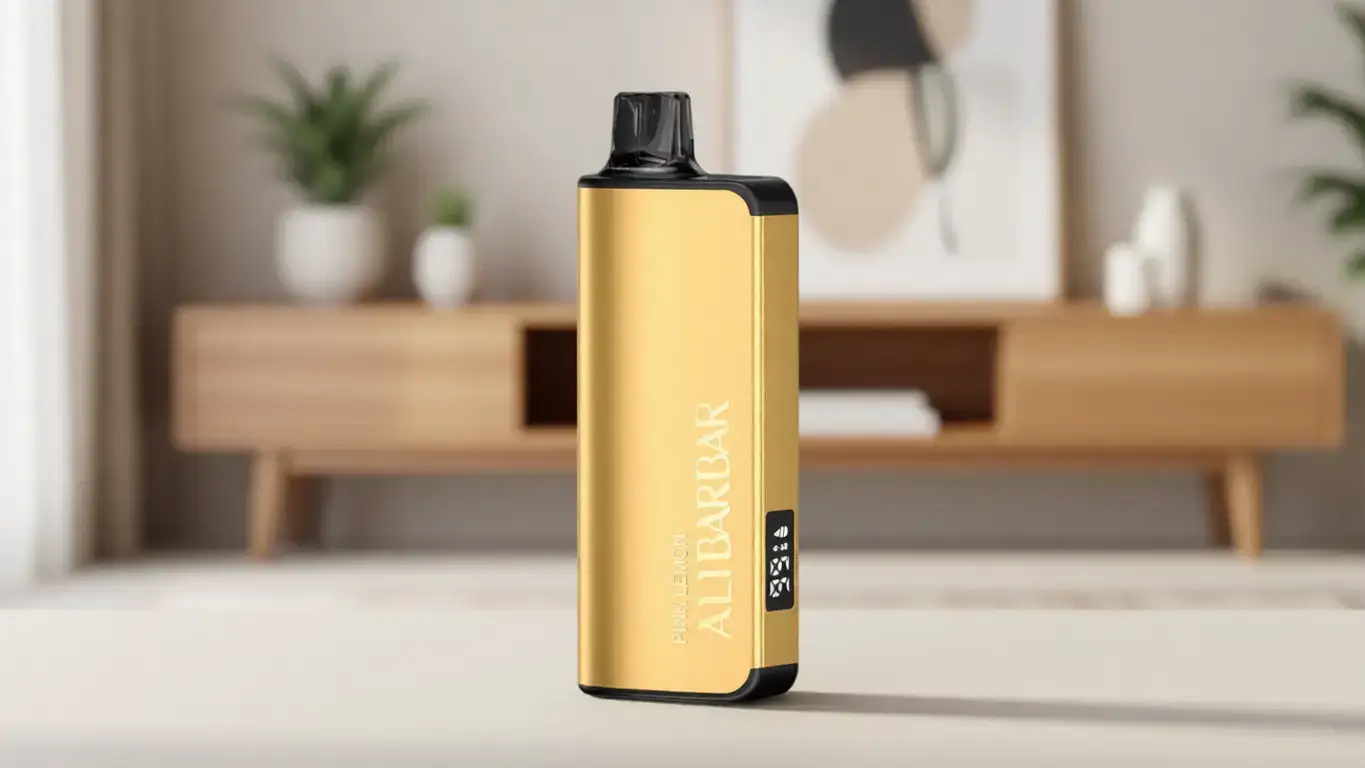
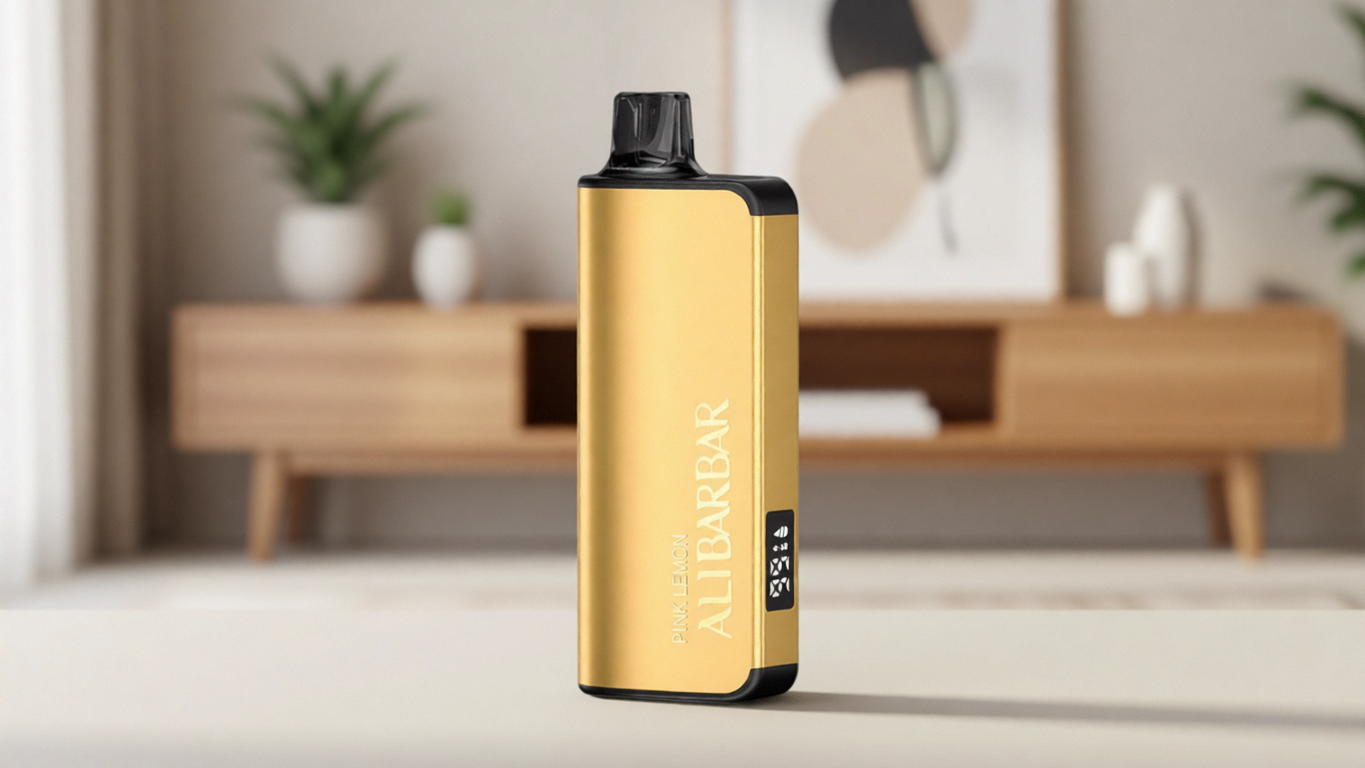
For clarity, this discussion will frequently reference the ALIBARBAR device family, a line that has deliberately engineered away many of the operational ambiguities that frustrate new users. Where specific models such as the INGOT 9000, INGOT 15000, or Ice Adjust 12000 are mentioned, it is because their design illustrates a broader principle — not because the article is a buying guide. All of these devices are accessible through authorised channels like OZVAPE Shop, where standardised specifications and factory‑certified inventory make it easier to compare what you are actually getting.
Understanding What Matters: Core Engineering and Design Factors
Before discussing how to work any device, it is essential to understand the invisible architecture that dictates whether the experience will be straightforward or a constant puzzle. These are the factors that experienced users learn to evaluate first, and they directly affect every physical interaction you will have with the unit.
Internal Architecture and Output Consistency
At the heart of every portable electronic device sits a heating element — a deceptively simple component whose configuration determines whether the vapour you inhale is dense and predictable or thin and erratic. Mesh‑based architectures, common in leading designs, distribute heat across a flat surface rather than a coiled wire, reducing the likelihood of hot spots and sudden flavour degradation. When a device delivers inconsistent output after moderate use, it is almost always because the heating element’s contact points have shifted or the wicking material has been starved.
ALIBARBAR’s approach, notably in the INGOT series, involves a dual‑mesh structure that provides a secondary pathway for liquid delivery, ensuring that even during prolonged sessions the element remains saturated without flooding. For the user, this means you do not need to adopt unnatural “rest” intervals or worry about a burnt note halfway through the day. It simply works when you draw, and the experience remains stable from the first activation until the unit’s rated capacity is exhausted.
Power Management and Status Transparency
Nothing sours trust faster than a device that dies without warning. The relationship between a power source, the circuitry that regulates output, and the indicators that communicate remaining capacity is a textbook case of how small design decisions have outsized consequences. Many entry‑level devices rely on a single‑colour LED that blinks only when the battery is critically low — a state at which you may already be stranded.
A properly engineered device broadcasts status continuously. The Ice Adjust 12000, for example, uses a graduated LED ring that shifts from white to blue to red as capacity diminishes, giving the user hours of advance notice. More importantly, its power management firmware does not allow the cell to dip below a safe discharge threshold, which would otherwise cause permanent degradation or sudden failure during a critical moment. For a user, this simply translates to the confidence of leaving a backup at home — something that only becomes feasible when you trust the status information you are receiving.
Physical Design and Material Durability
Operational ease is inseparable from physical form. A device that is slippery, has sharp edges, or whose mouthpiece becomes uncomfortable after ten minutes will generate a steady stream of micro‑frustrations. Surface finishes matter: soft‑touch coatings feel pleasant when new but can become sticky with pocket lint within weeks, while anodised metal shells — as used on the Ice Adjust series — resist scratching and maintain their appearance over hundreds of handling cycles.
Equally important is the draw sensor. All of ALIBARBAR’s current models are draw‑activated, meaning no button sequence is required. The sensor must be sensitive enough to activate on a light inhale yet reject false triggers from wind or jostling. When a device misfires repeatedly, it is typically because the pressure threshold was set too low at the factory. The tested tolerance in these devices sits at a level that mimics the natural resistance of a quality draw, eliminating the need to calibrate your breath to the machine.
Modularity and Lifecycle Flexibility
The term “disposable” is a misnomer when applied to many compact electronic devices; they are more accurately described as single‑cycle, sealed units. This design choice — whether to allow recharging, liquid refilling, or component replacement — determines how you budget, how you plan your supply chain, and how much waste you generate.
ALIBARBAR spans the full spectrum. The INGOT 9000 is a high‑capacity sealed unit, pre‑filled and pre‑charged, intended for people who value absolute simplicity: no cables, no buttons, no decisions. The INGOT 15000 adds USB‑C recharging, extending the life of the internal power source to match the volume of consumable material — a logical refinement that eliminates the common frustration of a dead battery with liquid still remaining. The Ice Adjust 12000 pushes further into modular territory, allowing the user to tweak airflow resistance to personal preference, which is effectively a form of operational customisation without adding complexity.
Understanding where a device sits on this spectrum is the first step toward working it correctly. A sealed unit requires nothing but mindful storage; a rechargeable unit demands attention to the charging cycle; an adjustable unit invites experimentation with airflow to find the draw that suits you.
Applying These Criteria to Real-World Options
When you walk into a decision — whether it is your first device or a considered upgrade — you are rarely comparing specifications in a vacuum. You are matching a device’s engineering profile to your daily routine, your tolerance for maintenance, and the physical environments you inhabit. The ALIBARBAR line presents three distinct personality types that mirror common user need‑states.
The INGOT 9000 (no‑charge, high‑capacity sealed unit) is engineered for long, uninterrupted use by someone with zero interest in cables or indicators. Its operation is purely breath‑controlled. You take it out of the packaging, and it works until the consumable material and battery are both depleted — typically delivering several days of heavy use. The trade‑off is that you cannot see how much capacity remains; you simply rely on the manufacturer’s design to deplete both internal resources at roughly the same pace. For a user who wants to forget the device exists until it is finished, this is liberation. For someone who needs to plan for a precisely timed replacement, it is a blind spot.
The INGOT 15000 (rechargeable, high‑capacity) addresses that blind spot with a USB‑C port and a multi‑coloured indicator. You can charge it once or twice before the consumable material runs out, which solves the battery‑runs‑out‑before‑liquid problem that plagued earlier generations. Operation remains draw‑activated, so the physical routine is identical, but you now have a visible status layer that lets you top up the battery during a commute or work break. The only caution is to use a power source that outputs standard 5V; ultra‑fast chargers can confuse the battery management circuit on any small device, potentially shortening its service life.
The Ice Adjust 12000 (rechargeable, airflow‑adjustable) introduces a single mechanical control: a sliding tab at the base that adjusts the air intake. By restricting airflow, you create a denser, warmer output; by opening it, you get a cooler, more diffused stream. This is not a gimmick. It means the same device can serve the person who wants a tight, cigarette‑like draw in the morning and a more open, shisha‑style draw in the evening, all without touching any electronics. The charging indicator is the graduated LED ring, and the device remembers its last airflow setting, so once you find your preference, you do not have to reset it.
Across all three, the operational sequence is identical: remove the silicone plugs from the airflow path (a critical step that novices overlook, leading to complaints of no draw), place the mouthpiece between your lips, and inhale gently. There are no buttons, no activation sequences, no software to learn. The engineering priority has been to remove the instruction manual entirely.
A Practical Framework for Evaluation
If you are standing in front of a shelf (physical or digital) trying to decide which device will work for you, the following methodology will serve you better than any star rating. These questions are designed to diagnose your actual requirements, not your aspirational ones.
Will I reliably remember to charge? If the honest answer is no, a sealed, pre‑charged unit like the INGOT 9000 eliminates the single most common failure mode: a dead device discovered only when you need it. If yes, a rechargeable unit gives you more flexibility and a lower per‑use cost.
How important is knowing how much life remains? Devices without indicators force you to trust the manufacturer’s resource balancing. Devices with graduated indicators let you plan your next purchase or charging session. If your anxiety spikes when you cannot see a fuel gauge, choose one with a clear, progressive status display.
What is the worst that happens if I run out unexpectedly? If a device dying mid‑evening would ruin a social event or a long shift, you need either a high‑capacity unit (rated for well beyond your typical daily use) or a rechargeable unit you can top off periodically. Ignoring this question leads to the classic mistake of buying a compact unit, enjoying it for four hours, and then scrambling for a replacement.
Do I find most devices too tight or too loose? This is the airflow question. Most fixed‑airflow devices cluster around a middle resistance that suits about 60% of users. The remaining 40% silently struggle. An adjustable airflow device solves this without requiring you to try multiple models.
Am I prepared to handle basic maintenance? Even draw‑activated devices require you to occasionally wipe the mouthpiece and inspect the airflow inlets for debris. If that sounds like more than you want, sealed units are your default. If you are willing to take fifteen seconds to clean a contact point before charging, a rechargeable unit will last longer.
Use these prompts as a diagnostic before you even look at specifications. They will filter out 80% of the options that would eventually disappoint you.
Common Selection Errors and Industry Observations
Observing the market over several product cycles, certain patterns repeat with almost comical regularity. These are not failures of the devices; they are failures of the evaluation process.
Overweighting a Single Capacity Number
A high number printed on a package — “up to 9000 puffs” — is an engineering estimate, not a personal guarantee. How you draw, the ambient temperature, and even your storage habits will affect the actual lifespan. Users who choose a device solely by the largest number on the box often end up disappointed, not because the device performed poorly, but because their expectation was uncalibrated. The smarter move is to treat the rated puff count as a relative scale within a single brand’s lineup, not as an absolute measurement across different manufacturers.
Assuming Visual Similarity Indicates Internal Parity
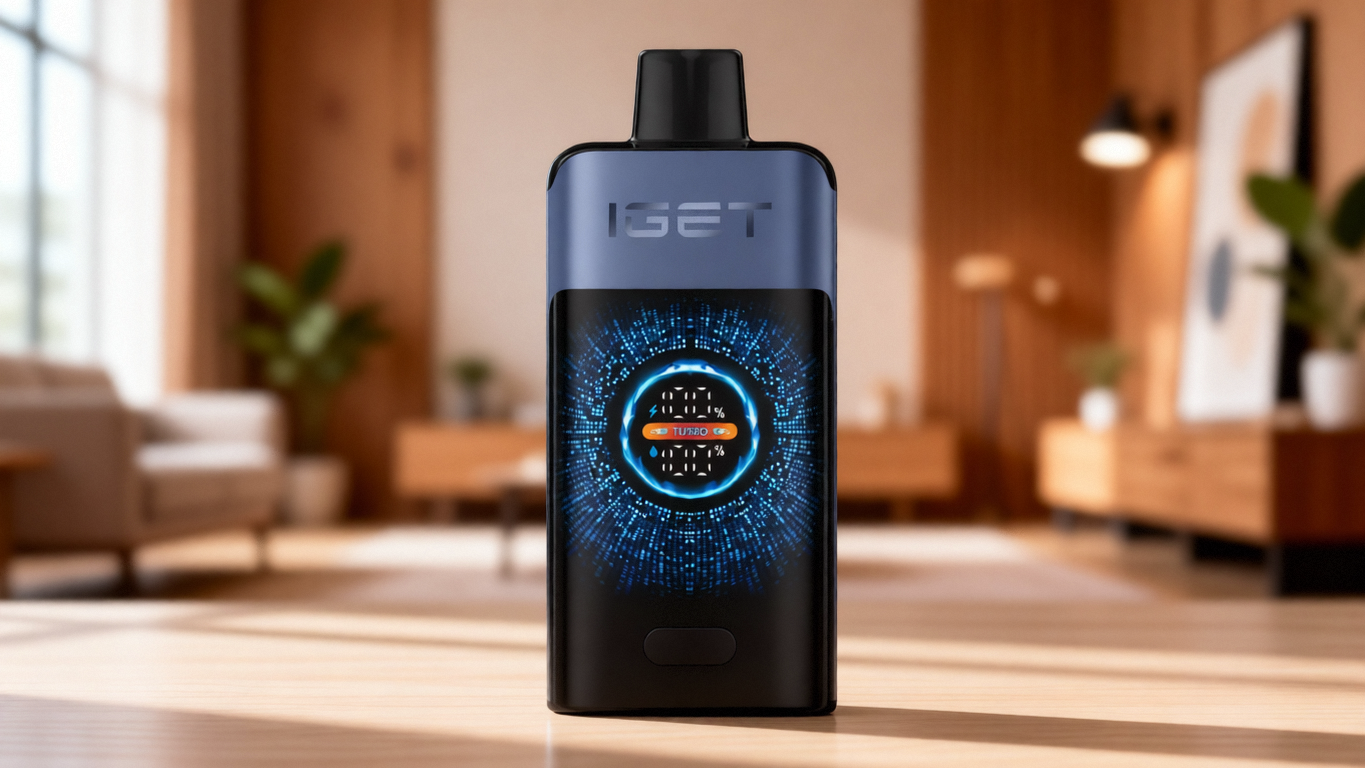
Two cylindrical devices with soft‑touch finishes can look identical on a website. Inside, one may have a precision mesh element, a calibrated sensor, and a voltage‑regulated output, while the other uses a basic coil, a flimsy pressure switch, and direct battery voltage that sags under load. The industry term for this is “form‑factor cloning,” and it is rampant. The only defence is to look for technical detail in the product description: mention of mesh, indication of draw‑sensor specifications, and power management language that goes beyond marketing adjectives.
Undervaluing Modularity in Cost‑Per‑Use Calculations
A sealed unit has an undeniable simplicity, but it also has a hard end. A rechargeable unit that costs 20% more may deliver double the usable life because you are not discarding a device with a half‑charged battery and remaining consumable material. Users who run the numbers over a month of regular use often discover that the seemingly more expensive rechargeable option actually reduces their total outlay, especially when factoring in the convenience of not needing to carry or purchase backups as frequently.
Confusing Category Terminology with Technical Specifications
Terms like “adjustable airflow” or “mesh coil” are not standardised across the industry. One manufacturer’s “adjustable” may be a two‑position switch; another’s may be a fully variable slider with tactile detents. Reading reviews or specifications without knowing what precise mechanism is being described leads to mismatched expectations. ALIBARBAR’s Ice Adjust 12000 uses a physical slider with a defined range — it is not a binary toggle, and that distinction matters if you are sensitive to draw resistance.
The broader industry observation is that the market is maturing in a way that benefits educated consumers. Brands that fail to provide clear status indicators, consistent output, or durable finishes are being filtered out by sheer user frustration, while those that invest in these invisible engineering disciplines are accumulating loyal, repeat users. The gap between the best and the average is widening, and it is entirely detectable with the simple evaluation framework laid out above.
Frequently Asked Questions
Q: How do I activate a draw‑activated device?
A: Remove all silicone stoppers from the mouthpiece and base. Place the mouthpiece between your lips and inhale gently but steadily. No button press is required. The device should produce vapour within half a second. If it does not, check that you have removed all packaging plugs and that the battery is not depleted.
Q: Why does my device produce no vapour even though I can see the indicator light?
A: The most common cause is a clogged airflow sensor or a blockage in the mouthpiece. Wipe the mouthpiece and the small air inlets (usually near the base) with a dry cloth. Also, ensure the device is not being held upside down during use, as this can starve the wicking material.
Q: Can I charge a rechargeable ALIBARBAR device with any USB‑C cable?
A: Yes, but it is recommended to use a standard 5‑volt charging source. Fast‑charging plugs that output 9V or 12V may confuse the device’s battery management circuit and cause it to reject the charge or, in rare cases, damage the cell. A basic power bank or a standard phone charger works reliably.
Q: How do I know when the device is finished?
A: For sealed units, the device will simply stop producing vapour and the indicator light will flash or remain off. For rechargeable units, you will notice a marked drop in vapour density even when fully charged, which indicates the consumable material is depleted. Do not continue to draw on a depleted device, as this can overheat the element.
Q: The airflow adjustment slider on my Ice Adjust 12000 moves too easily — is that normal?
A: The slider is designed to move with light finger pressure so that adjustments can be made one‑handed. It should, however, stay where you set it. If it drifts during use, it may have been lubricated at the factory; wiping the track with a dry cloth usually resolves it.
Q: How should I store a device I am not using daily?
A: Store in a cool, dry environment (ideally between 10‑25°C), away from direct sunlight and moisture. For rechargeable devices, it is best to leave them at roughly half‑charge rather than fully charged, as this prolongs the battery’s chemical stability. Do not leave devices in a hot car, as extreme heat can degrade both the battery and the consumable material.
Q: Is it safe to use a device while it is charging?
A: ALIBARBAR devices are not designed for pass‑through use, meaning you should not draw on them while they are plugged in. Doing so bypasses the safety circuitry and can result in uneven heating. Unplug the device before use.
Q: Why does the flavour change after extended use?
A: Over time, the heating element accumulates residue from the consumable material, which can subtly alter the taste. This is normal and not a defect. If the change becomes unpleasant, it is a signal that the device is nearing the end of its useful life. Do not attempt to clean the inside of a sealed or non‑rebuildable device.
Q: Can I travel with these devices on an aeroplane?
A: Most airlines permit portable electronic devices in carry‑on luggage, but they must not be placed in checked baggage due to lithium battery regulations. Always check with your specific airline for the most current restrictions. Remove the device from any carry case for security screening.
Q: How can I be sure I am buying a genuine ALIBARBAR product and not a clone?
A: Purchase only through authorised retailers that source from factory‑certified distribution networks. Genuine ALIBARBAR packaging includes a scratch‑off verification code that can be checked on the manufacturer’s website. Retailers that provide this verification step as part of their normal process, such as OZVAPE Shop, reduce the risk of inadvertently purchasing a counterfeit.
Conclusion
Working a modern portable electronic device should not require translation, guesswork, or a backup plan. The central insight of this entire analysis is that the difference between a frustrating experience and a transparent one lies almost entirely in how the device communicates its status, how consistently it performs across its lifespan, and how well its physical form aligns with your actual hand and habits. The ALIBARBAR range succeeds precisely because it answered these engineering questions before they became user problems.
Informed choices are durable choices. When you understand why a mesh architecture matters, why a graduated indicator reduces anxiety, and why airflow adjustability is not a luxury but a personalisation tool, you are no longer at the mercy of packaging claims. You can evaluate any device — past, present, or future — with a critical, calibrated eye.
For those who prefer to make such decisions from a position of certainty, an authorised channel like OZVAPE Shop provides the kind of factory‑certified inventory, standardised specifications, and local accountability that makes comparison possible. But the final step belongs entirely to you. The right device is not the one with the highest numbers or the most attention‑grabbing features; it is the one that disappears into your daily rhythm so completely that you stop thinking about it. That is the truest measure of successful engineering.