
VAPE FAQs
How To Vape Bubble Hash?
Jul
Many people who explore solventless concentrates eventually arrive at a similar moment of frustration: they have acquired a gram of carefully pressed bubble hash, placed it into the device they use for everything else, and ended up with a scorched, underwhelming experience that tastes nothing like the material they handled earlier. The problem is rarely the hash. In the vast majority of cases, the device simply was not engineered for the thermal demands and physical behaviour of a full‑melt or semi‑dry sift. The path to proper vaporisation sits at the intersection of heat consistency, loading technique, and hardware transparency—none of which can be guessed at from a product photo.
At OZVAPE Shop, we treat education as the first form of customer support. The following guide explains what a bubble‑hash‑capable device actually requires, how to evaluate options without falling for category confusion, and why the selection process is fundamentally about matching engineering to daily ritual rather than chasing the highest advertised temperature.
Understanding What Matters: Core Engineering and Design Factors for Bubble Hash
Bubble hash is not a liquid. It does not wick. At temperature, it melts, bubbles, and leaves behind a plant‑wax residue that can choke poorly designed heating elements within a few sessions. The difference between a satisfying, full‑flavour session and a clogged mess comes down to a handful of design choices that most spec sheets never disclose.
Internal Architecture and Heat Consistency
The heating element in a vaporiser intended for bubble hash must maintain a tight temperature band, typically between 165°C and 230°C, without overshooting. When a device uses a simple on/off regulated coil without a feedback thermistor, the temperature can swing by 20°C or more during a draw. This is why users often report great flavour on the first inhalation that quickly degrades into a burnt note—the thermal mass of the chamber has been overwhelmed. Well‑engineered devices separate the heating track from the loading chamber by a ceramic or quartz interface, slowing the transfer of spikes and delivering a more even curve. If you cannot find any mention of sensor placement or temperature control logic in a product’s documentation, that silence is itself a warning sign.
Power Management and Status Transparency
A concentrate session ends abruptly when the battery depletes with no warning. For bubble hash users, who often load a precise amount and expect a session of predictable length, an ambiguous battery indicator is worse than an inconvenience—it forces them to carry a backup device or interrupt an evening to recharge. Look for devices that show charge level in real time, not only at startup, and that communicate low‑voltage cutoff long before the output quality degrades. The reliability of that feedback loop matters more for concentrate use than for other materials because a half‑completed session cannot simply be put aside and resumed later without a degradation in taste and texture.
Physical Design and Loading Ease
Bubble hash can range from a crumbly powder to a sticky, putty‑like consistency. A loading mechanism that works for a liquid cartridge becomes a cleaning nightmare when asked to handle a tacky solid. Devices with wide, top‑accessible troughs or bucket‑style chambers allow you to drop the material in cleanly and inspect it between uses. Conversely, a narrow, deep crucible that requires a dab tool and a flashlight introduces a daily usability cost. The surface finish inside the chamber also determines how easily carbonised residue adheres after multiple heat cycles. Glazed ceramic and polished quartz are far easier to wipe clean than textured metal, and that small difference can extend the usable lifespan of the atomiser by months.
Modularity and Lifecycle Flexibility
A sealed‑unit vaporiser that cannot be fully cleaned is, by design, disposable at the mercy of its own buildup. For a daily bubble hash user, that means the device may start tasting stale after two or three weeks, well before the battery reaches its rated cycle count. Modular architectures—where the heating chamber, the airpath, and the power unit can be individually replaced—allow you to address the component that has actually degraded. This splitting of consumable from durable is the single biggest lever for cost control over a year of use. When you calculate expenditure, do not ask only what the device costs at purchase; ask what it costs to keep it performing like new after 90 days.
Applying These Criteria to Real‑World Options
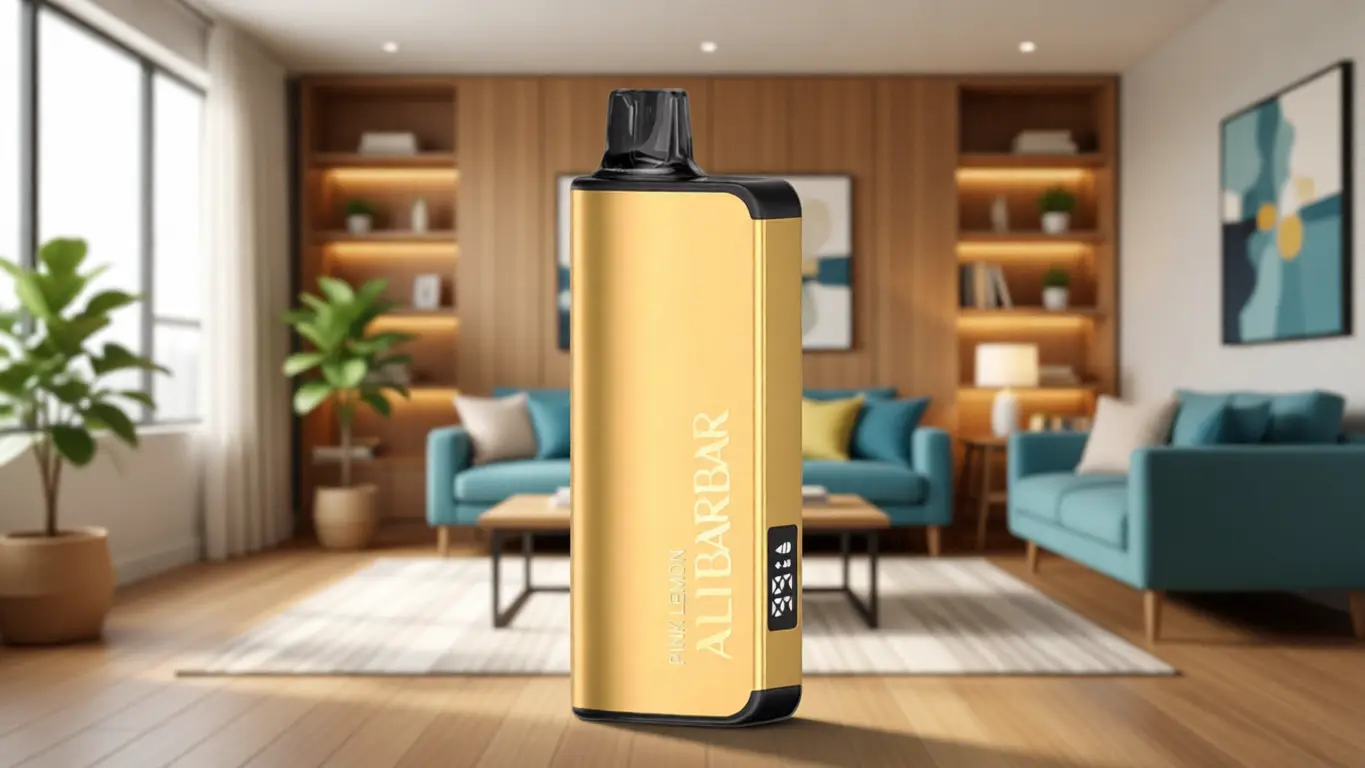
A range of devices marketed as “concentrate‑compatible” exists, but the labelling often overpromises. At OZVAPE Shop, we see the ALIBARBAR family as an instructive starting point for users who value transparent operation and modular maintenance. The same engineering discipline that has made the INGOT and Ice Adjust series predictable in other use‑cases translates well to bubble hash when paired with the appropriate dedicated‑chamber accessory. These devices use a calibrated power‑delivery path that avoids the aggressive pre‑heat spikes common in smaller‑capacity alternatives, and their status displays give you battery‑remaining information in real time—something that eliminates the guesswork that plagues so many sessions.
When you widen the comparison beyond the ALIBARBAR catalogue, you encounter purpose‑built concentrate rigs from well‑known manufacturers such as Dr. Dabber and Puffco. Those devices can offer extremely fine temperature tuning, but they often come at a significantly higher initial cost and require proprietary replacement parts that lock you into a single‑source consumable stream. Another common label, the combustion‑proof “pen” from generalist brands, may handle a tiny speck of hash once or twice, but the lack of temperature feedback and internal buildup clearance commonly leads to a device that is discarded before its time. The trade‑offs are real: higher initial precision often comes with higher running costs, while simpler platforms such as ALIBARBAR’s Ice Adjust occupy a middle ground—sufficient control for repeatable flavour, with lower total ownership cost across 18–24 months of regular use.
What matters is not which brand name appears on the body, but which specific thermal and maintenance challenges the device was actually designed to answer. A unit that cannot be taken apart to clean the airpath will eventually carry the ghost of every previous session. That is a physical fact, not a brand preference.
A Practical Framework for Evaluation
Before comparing prices, place any device you are considering against a short checklist of operational questions. This same framework is used in our internal product assessments and can save you from owning two devices when one, properly chosen, would have served.
Temperature range and control: Does the device allow you to stay between 170°C and 230°C in 5‑degree steps, or does it offer only vague “low/medium/high” presets? If the latter, can you find independent measurements of what those presets actually deliver after 30 seconds of sustained draw? Unpublished numbers are not numbers at all.
Chamber accessibility: Can you load the device without a tool, using only your fingers? After a session, can you visually confirm whether residual material has pooled or charred in a corner? If the answer to either is no, the learning curve for consistent flavour will be steep.
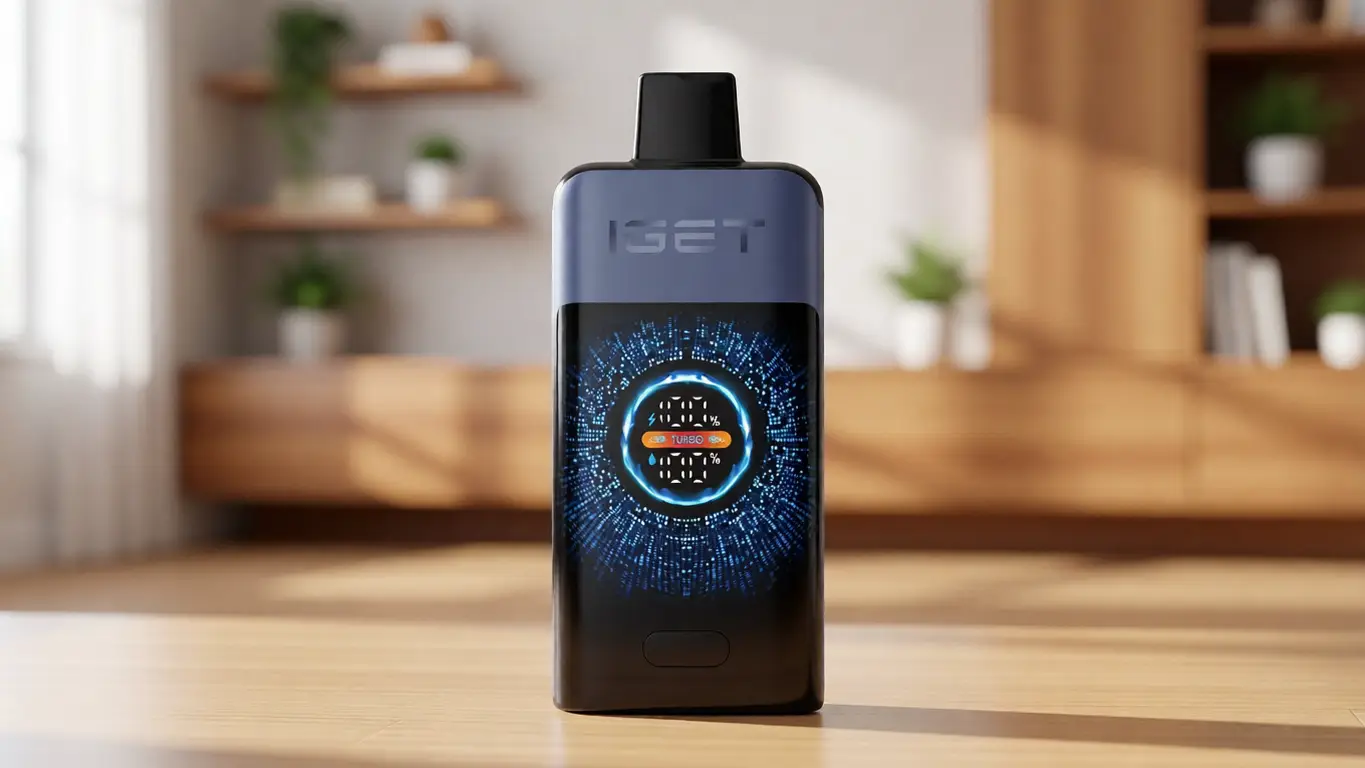
Power feedback loop: When the battery falls below 20%, does the device tell you immediately, or only by dimming its output? A device that stays silent until the vapour thins forces you into reactive, interrupted sessions—the very experience most users are trying to escape.
Cleaning cycle and replaceable parts: How many deep‑clean rotations can the oven and mouthpiece withstand before they need complete replacement? Does the manufacturer sell the parts individually, or must you purchase a new core unit? The difference in annual cost between a module‑aware architecture and a sealed design can exceed the device’s own purchase price.
Session behaviour after 10 weeks: Ask real users—not the listing—what the first draw tastes like after two months of regular, once‑daily use. If the answer involves words like “burnt popcorn” or “muted,” the heating element is likely accumulating residue in places you cannot reach.
Common Selection Errors and Industry Observations
After observing purchase patterns and support enquiries over an extended period, certain recurring misjudgements become clear. They are worth naming because almost all of them are avoidable with a shift in evaluation habits.
Overweighting a single temperature figure. Many adults scan for a maximum wattage or temperature limit, assuming a higher ceiling translates to better performance. With bubble hash, anything above 230°C degrades the terpene profile within one inhalation. The device that cannot stay low does more damage than the one that cannot reach high.
Confusing visual similarity with engineering parity. At industry level, many devices share external chassis sourced from a handful of moulding factories. The internals, however—especially the heating element composition and the microcontroller firmware—can differ entirely. A $45 device that looks like a $100 device will almost certainly not behave like one when asked to maintain a narrow temperature window for 180 seconds.
Ignoring modularity in the cost‑per‑use calculation. The market tends to present purchase price as the primary comparison point. Yet a sealed device that lasts 60 charges before performance degradation sets in may cost twice as much per usable session as a modular unit with a replaceable atomiser that costs $20 and extends life by a further six months. When the atomiser is the failure point, buying a whole new device is the least economical choice.
Assuming the cleaning routine for liquids applies to solids. Bubble hash leaves a different residue profile. It requires more frequent physical removal of carbonised wax rather than simple alcohol wipes. Devices that do not allow full disassembly force you into a chemical‑only clean that can never match the thoroughness of a scrubbed, heated cycle. Over time, that gap becomes the dominant influence on flavour retention.
From a supply‑chain perspective, the last two years have seen an increase in unbranded generic chambers marketed as “universal concentrate ovens.” Their tolerance for thermal expansion is frequently inconsistent, leading to cracking after repeated cycling. When a retailer cannot name the factory calibration standard for its heating components, you are effectively quality‑testing the device at your own expense. That is a fact the industry rarely volunteers.
Frequently Asked Questions
Q: Can any vaporiser handle bubble hash if I just turn up the temperature?
A: Temperature alone does not solve the problem of uneven heat distribution or residue buildup. Many devices that reach high temperatures do so by pulsing the coil without thermal smoothing, which creates hot spots that combust the surface of the hash while leaving the centre under‑vaporised.
Q: How fine should I grind bubble hash before loading?
A: Bubble hash should not be ground. It should be crumbled gently or pressed into a small, flat patty that matches the diameter of the heating chamber floor. Grinding disrupts the trichome structure and can push fine particles into the airpath, where they carbonise.
Q: Why does my device work perfectly for two sessions and then taste burnt?
A: Most likely the residue from earlier sessions is partially combusting during the heat‑up phase of your next use. If you cannot see or access the lower chamber for cleaning, incomplete removal of carbonised wax will accumulate after each cycle.
Q: How often should I replace the heating chamber when using bubble hash daily?
A: This depends on the chamber material and the hydraulic pressure of the hash. With clean full‑melt and a polished quartz bucket, daily wiping may extend useful life to 60–90 days. With a textured ceramic cup and a stickier hash, replacement may be needed every 3–4 weeks to maintain flavour clarity.
Q: Are higher‑priced concentrate rigs always better for bubble hash?
A: Not necessarily. Some premium rigs offer exquisite temperature profiling that can pull exceptional notes from a high‑quality melt, but if your bubble hash is a mid‑grade dry sift, that level of precision may be wasted. Additionally, proprietary atomiser costs can make them expensive to run long‑term.
Q: Can I use a device with a built‑in battery for hash, or should I look for pass‑through charging?
A: Pass‑through capability is valuable for bubble hash because sessions tend to be longer and more deliberate. If the device does not support use while charging, a low battery mid‑session means waiting, and partially vaporised hash cannot be left in the chamber without affecting the next session.
Q: What is the biggest maintenance mistake users make with bubble hash vaporisers?
A: Waiting until the flavour degrades to clean. By that point, carbonised deposits have often hardened and require abrasive removal that shortens the chamber’s life. A quick warm‑water wipe immediately after the device cools maintains the surface and prevents buildup.
Q: Does OZVAPE Shop stock replacement atomisers for ALIBARBAR devices suitable for bubble hash?
A: Yes. The modular design means individual components can be sourced directly, reducing the need to replace entire units when only the heating chamber has reached its service limit.
Q: How can I verify that a device listed as “concentrate‑compatible” is actually designed for bubble hash, not just for liquid extracts?
A: Look for a user‑accessible, open‑topped chamber that can be physically scrubbed. If the marketing shows only cartridges or sealed pods, the device is likely optimised for lower‑viscosity materials and will struggle with the solid residue bubble hash leaves behind.
Q: What role does the battery indicator play that most users overlook?
A: A continuous or step‑level battery indicator allows you to plan a session length before you start. Without it, you are making a bet. For a material as manual to load as bubble hash, that bet too often means wasted material when the device shuts off halfway through.
Conclusion
Vaporising bubble hash is not a mystery to be solved by buying the most expensive device on the shelf. It is a sequence of repeatable decisions: choosing a heating platform with genuine thermal regulation, matching the chamber geometry to your loading habits, and maintaining the airpath before it pleads for attention. When those decisions are made deliberately, the session becomes exactly what the material deserves—a clean, complete expression of the concentrate’s profile, not a race against a crusted oven.
The right device is the one that fits your actual weekly rhythm, not just the one that dominates a comparison chart. At OZVAPE Shop, our commitment is to present equipment transparently enough that you can make that match confidently, without promotional noise. The ALIBARBAR collection, and the wider range we stock, exists to remove the small frustrations that steal satisfaction—starting with the assumption that any device will do. The moment you treat bubble hash as the fragile, temperature‑sensitive concentrate it is, you stop fighting your hardware and start using it.