
VAPE FAQs
How To Use Thc Vape Pen?
Oct
Many people purchase a THC vape pen and assume they can use it straight out of the box, only to find themselves staring at a blinking light, inhaling a burnt taste, or wondering why nothing happens at all. These moments of confusion are entirely avoidable. A vape pen is a simple piece of precision-engineered hardware—but only when you understand the relationship between its battery, the cartridge, and the oil inside.
This guide explains how to use a THC vape pen correctly, safely, and efficiently, with an emphasis on the engineering principles that determine device behavior. We’ll cover everything from first use to long-term maintenance and troubleshooting. While the specific brand of oil or cartridge may vary, the operational fundamentals remain strikingly consistent.
Companies like OZVAPE Shop invest considerable effort in standardizing product information precisely because the gap between a decent device and a frustrating one is often just a lack of clear instructions. In the following sections, we’ll give you that clarity. OZVAPE Shop
Understanding What Matters: Core Engineering That Affects Your Experience
Before you press a button or take a draw, it helps to know what’s happening inside the device. Four design factors largely determine whether your THC vape pen will be a reliable companion or a source of irritation.
Internal Architecture and Output Consistency
Every vaporizing device depends on a heating element—typically a ceramic coil wrapped around a wicking material. When you activate the battery, current flows through that element, heating the oil to its vaporization point.
Ceramic coils with porous wicks offer more even heat distribution and reduce the risk of scorching.
Poorly designed coils create hot spots that burn the oil, destroying flavor and producing harsh vapor.
If you notice the taste degrading after only a few draws, the heating architecture is likely uneven. Consistent output depends on both the coil geometry and the voltage regulation in the battery.
Power Management and Status Transparency
The battery is the brain of the operation. Cheap, unregulated batteries may push too much current at full charge and drop off quickly, leading to inconsistent hits. Look for:
Preheat modes that gently warm thick oils before the main draw.
Clear LED indicators that communicate battery level and device status (on, heating, sleep, or error).
Low-voltage protection, which prevents the battery from draining to a point where it can no longer recharge.
Ambiguous status lights—where everything blinks the same color—are a hidden cost. Users end up carrying a backup when the device might just need a charge.
Physical Design and Material Durability
THC oil can be chemically aggressive to certain plastics. A cartridge made of polycarbonate can crack or cloud over time, especially with terpene-rich extracts. Glass cartridges and ceramic mouthpieces resist degradation. Similarly, the finish on the battery matters: rubberized coatings survive drops and pocket wear better than cheap metallic paints.
Pay attention to mouthpiece shape. A wide, flat mouthpiece distributes heat more evenly and feels less fatiguing during longer sessions.
Modularity and Lifecycle Flexibility
The market divides into three categories:
Disposable all-in-one pens: the simplest, but the entire unit becomes waste once the oil is gone.
510-thread cartridges: replaceable carts that attach to a reusable battery. The most common standard.
Pod-based systems: proprietary magnetic connections, often with better power management but less cross-compatibility.
Your choice here affects cost per gram of oil consumed, environmental footprint, and how many batteries you need to keep in rotation.
Applying These Criteria to Real-World Use
In practice, most THC users in adult-use markets will encounter 510-thread cartridges and a range of compatible battery styles. When you pick up a battery from a source like OZVAPE Shop, you’ll notice that devices built with the above factors in mind tend to have:
A ceramic heating chamber rather than a simple wire coil.
Variable voltage settings (usually 2.5V–4.0V) to accommodate different oil viscosities.
A clearly labelled button interface rather than a draw-activated system that lacks feedback.
While a draw-activated pen feels intuitive, it leaves you guessing about power status. A button-operated device lets you switch the unit on and off, lock settings, and activate preheat—all of which are vital for thick distillates that don’t flow easily at room temperature.
A practical example: if you’re using a cartridge filled with a high-viscosity CO2 oil, a battery with a preheat cycle (typically 1.5V for 10 seconds) will prevent the coil from scorching dry wick on the first hit. This one feature can extend cartridge life by preventing clogs and burnt hits.
A Practical Framework for Evaluation
Before you even load a cartridge, run through this checklist:
Does the battery have adjustable voltage? If not, you’re locked into one heat profile, which may not suit your oil.
Is the cartridge glass? Plastic carts are more likely to leach or crack over time.
Is there a clear, multi-color battery indicator? If it blinks only red when dying, you’ll get no low-battery warning until the final puff.
Does the mouthpiece feel comfortable in hand or pocket? Sharp edges catch on fabric; overly long mouthpieces strain the connection.
Is the thread a true 510 connection? Some off-brand carts are slightly undersized, causing loose connections and intermittent firing.
Use this framework when you’re comparing options on any platform. At OZVAPE Shop, you’ll find specification standardization that makes it easier to answer these questions without having to handle the product physically.
Common Selection Errors and Industry Observations
Through years of user feedback, we’ve noted a few patterns that consistently lead to dissatisfaction:
Chasing clouds over reliability. A battery that outputs high wattage might produce impressive vapor but degrades coil life and can overheat the oil, altering the cannabinoid profile. Long-term users value consistency over peak output.
Assuming all 510 threads are equal. Physical compatibility doesn’t guarantee electrical compatibility. Internal resistance of the coil should match the battery’s optimal output range. Using a cartridge with a resistance below 1.0 ohm on a simple pen battery can trip short-circuit protection repeatedly.
Ignoring ambient temperature. THC oil thickens in cold weather. Without a preheat function, users often keep pulling harder, which floods the coil and causes leaks or gurgling. The battery didn’t fail—the user’s technique did.
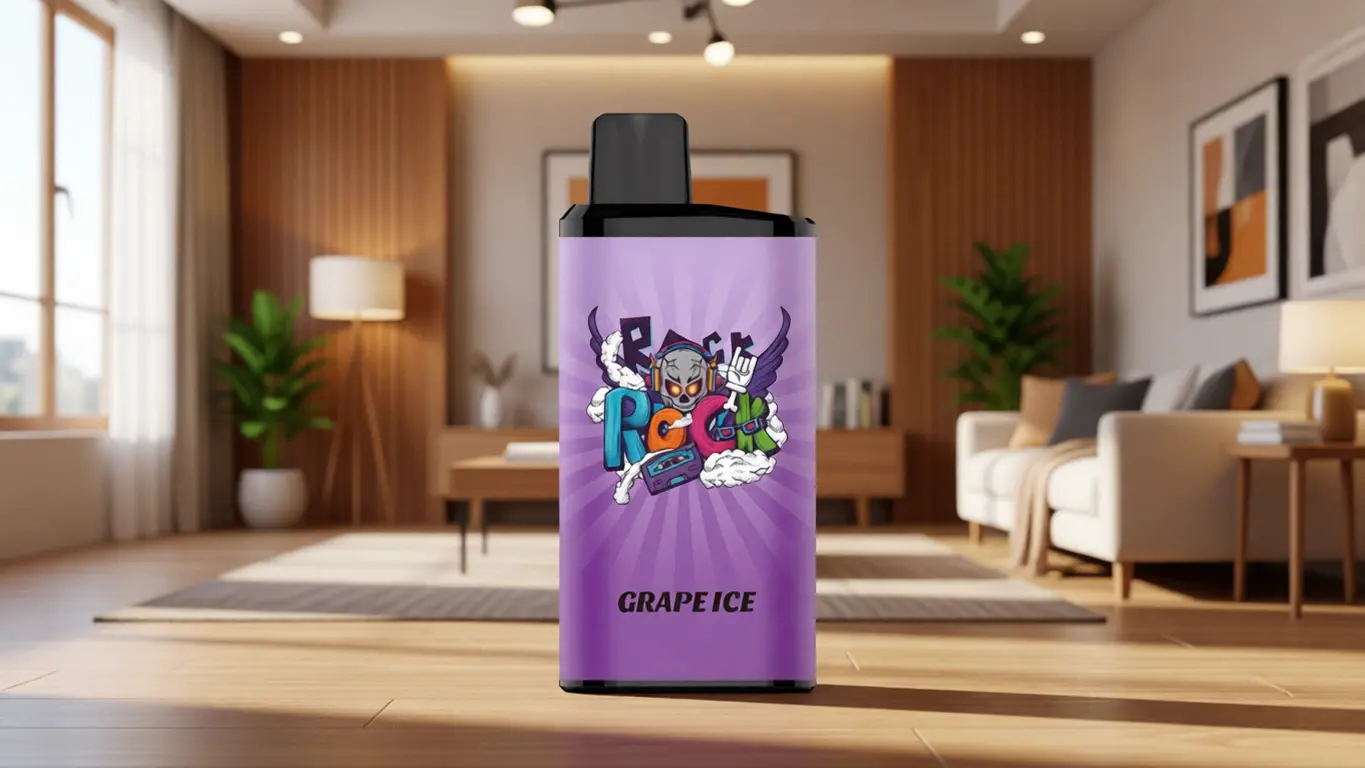
Confusing product categories. A “disposable THC pen” is fundamentally different from a “510 cartridge system.” The former can’t be recharged or refilled; the latter can. Some users are surprised when their disposable dies with oil still inside because the battery wasn’t designed for recharging.
From a manufacturing standpoint, we observe that brands with transparent supply chains and detailed technical documentation—like those represented by OZVAPE Shop—tend to produce fewer support inquiries. The information itself becomes a trust signal.
Frequently Asked Questions
Q: How do I know if my vape pen is fully charged?
A: Most quality batteries use a tri-color LED (red, blue, white) where the color changes as charge drops. Some use a pulsing or steady light when fully charged. Check your device manual, but generally, if the charger indicator turns green or the battery light turns off, it’s done.
Q: Why does my vape pen sometimes produce a burning taste?
A: This usually means the wick isn’t saturated with oil. After a long period of inactivity, the oil drains away from the coil. Take a “primer puff”—a short, gentle draw without pressing the button—to draw oil back into the wick before heating.
Q: Can I use any charger with my vape battery?
A: No. Use only the cable and power source specified by the manufacturer. Many batteries use 5V USB inputs, but fast chargers can overload them. A standard USB-A port on a computer or a low-output wall adapter is safest.
Q: What’s the difference between a button-activated and a draw-activated pen?
A: Button-activated gives you manual control over heating and often includes preheat/lock functions. Draw-activated thinks you’re pulling and heats automatically. The latter is simpler but offers no way to preheat, no status indication, and can fire accidentally in a pocket.
Q: How do I prevent my cartridge from clogging?
A: Keep it upright, avoid extreme temperatures, and use a light preheat cycle before drawing. If clogs form, gently warm the cartridge (body heat or a warm room) and pull without pressing the button to clear the blockage.
Q: My pen blinks 10 times and won’t fire—what does that mean?
A: This typically indicates a short circuit or a low-battery cutoff. Try cleaning the connection points with a cotton swab and isopropyl alcohol, and ensure the cartridge isn’t overtightened. If the problem persists, the cartridge may be faulty.
Q: How long does a cartridge last?
A: It depends on the oil volume (usually 0.5g or 1g), your draw frequency, and the voltage setting. A 0.5g cart at 2.8V can yield roughly 70–100 moderate draws. Higher voltage and longer draws reduce that count significantly.
Q: Can I refill a disposable THC pen?
A: No. Disposables are sealed units. Attempting to open them often destroys the hardware and can expose you to battery chemicals. If you prefer to reuse hardware, switch to a refillable cartridge system.
Q: Where should I store my vape pen between sessions?
A: In a cool, dark, upright position. Heat and sunlight degrade both the oil and the battery. Horizontal storage can cause oil to seep into the mouthpiece or under the coil, leading to leaks.
Q: Is it safe to leave my vape pen charging overnight?
A: While most modern batteries have overcharge protection, it’s a risk not worth taking. Charge on a hard, non-flammable surface and unplug when full. Battery safety habits are the same regardless of what you’re powering.
Conclusion
Using a THC vape pen is not complicated once you understand the handful of variables that govern performance: heat, saturation, airflow, and power feedback. The devices that cause the most frustration are almost always those that obscure these variables from the user. When you choose a battery or a cartridge with transparent status indicators, quality materials, and properly engineered heating elements, the experience becomes predictable—and predictability is exactly what an adult user needs.
There is no single “best” device for everyone. The correct choice is the one that matches how often you use it, what type of oil you prefer, and your tolerance for maintenance. A well-organized catalog like the one at OZVAPE Shop helps by presenting specifications clearly, so you can make that decision without guesswork.
Ultimately, the tool should adapt to you, not the other way around. That principle, more than any marketing claim, defines a product worth your time.