
VAPE FAQs
How To Tell If Vape Is Empty?
Sep
It’s a familiar moment: you reach for your device, draw, and the experience feels… hollow. No satisfying warmth. A thin, metallic aftertaste. A question surfaces that the product itself should have answered clearly long before — is there anything left, or am I wasting my time? The fact that so many users find themselves in this position says less about individual forgetfulness and more about a persistent design gap across large sections of the personal electronic device market. The purpose of this article is to arm you with a structured, technically grounded way of reading the signals your device sends — so you never have to guess again. At OZVAPE Shop, we see this as core to what a responsible retailer should provide: not just hardware, but the practical literacy that stops small irritations from spoiling an otherwise well‑engineered tool.
Understanding What Matters: Core Engineering and Design Factors
To reliably determine whether a device is empty, you need to look past the brand name and focus on the physical and electronic indicators built into its architecture. These are not minor afterthoughts; they reflect fundamental engineering choices about power management, material integrity, and the manufacturer’s willingness to communicate honestly with the user.
Power Management and Status Transparency
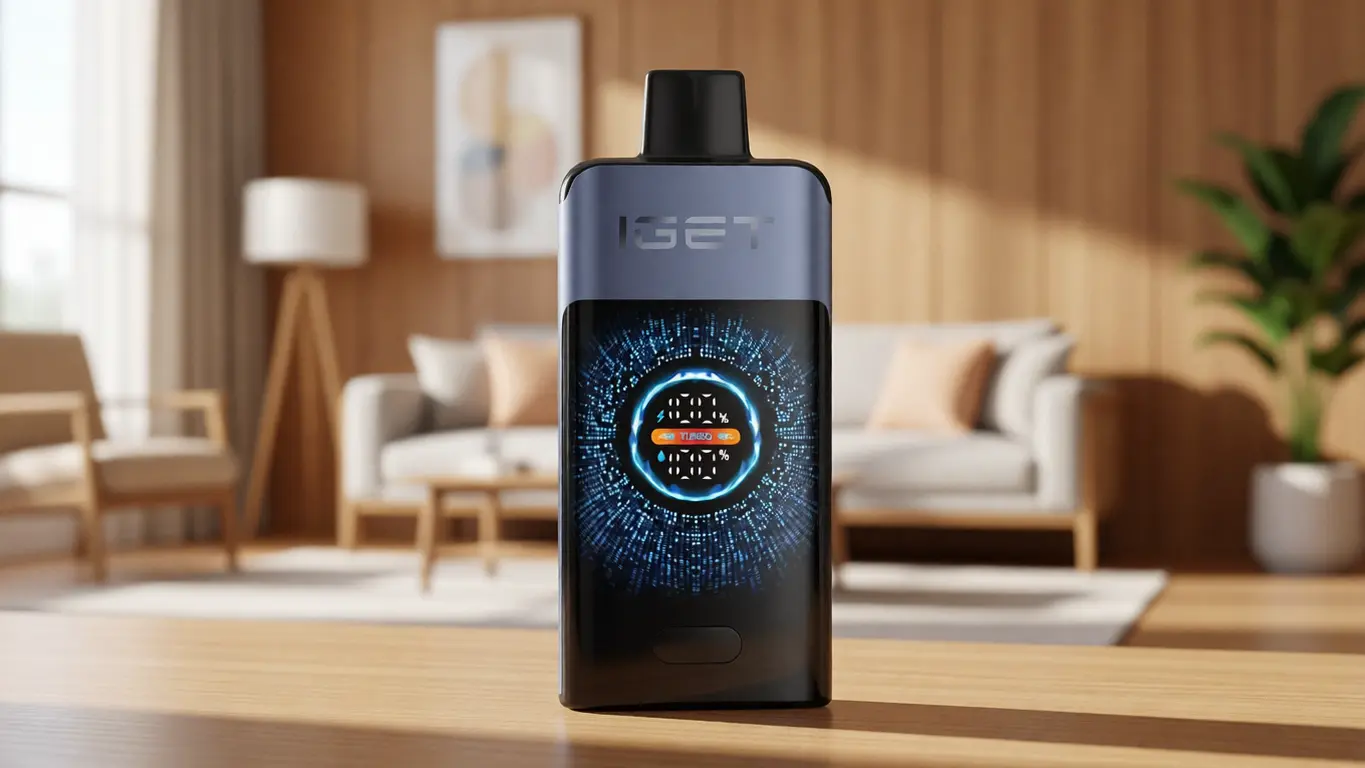
The single biggest contributor to the “is it empty?” confusion is the absence of clear, real‑time status feedback. When a device contains both a power source and a consumable medium, the interaction between the two determines how the experience degrades as depletion approaches. Poorly calibrated power‑source regulation can cause a device to continue heating long after the medium is exhausted, producing a burnt taste that the user interprets as an empty chamber — when the real problem is that the control circuit allowed operation outside safe parameters. Conversely, a device with a digital display or a multicolour LED that shifts from green to red as the medium declines removes ambiguity entirely. The practical value is hard to overstate: you don’t carry a backup because you’re told to; you carry one because the device has made it unmistakably clear you’ll need one soon.
Internal Architecture and Output Consistency
An “empty” device rarely stops working at a precise, predictable moment. More often, the output fades gradually — the draw resistance changes, the vapor production thins, and the flavour profile collapses into a one‑dimensional, slightly chemical note. These are signs not of a spent power source but of a wicking system that can no longer deliver the medium to the heating element efficiently. In devices where the consumable and the power source are permanently sealed together, this fading is the only reliable signal that what’s left is a shell. In modular systems, where the consumable container separates from the power unit, you have the advantage of a simple visual check: is there any liquid visible around the coil? Yet even then, many users misread the coil’s saturation level because they haven’t been taught what to look for — a clear, steep drop in visible liquid indicates the media reservoir is approaching functional emptiness.
Physical Design Hints: Window, Weight, and Indicator Placement
Engineering decisions about the exterior communicate a lot about how much the manufacturer expects you to simply know. A device with a transparent or clearly marked media window gives you an at‑a‑glance audit. A device that uses a tiny, recessed LED that’s only visible in dim lighting forces you to cup your hand around it and hope. Weight matters, too. A full‑capacity device with a 2ml or larger reservoir has a discernible heft that disappears once the medium is depleted — noticeable if you pay attention, but subtle enough that most people don’t register the change until they’ve already had several disappointing draws. The best‑engineered devices don’t rely on weight or guesswork; they put the information where your eye naturally falls.
Modularity and Lifecycle Flexibility
The difference between a sealed, single‑use device and one with replaceable components is, in this context, the difference between a dead end and a transparent fuel gauge. When you can swap out a consumable pod or refill a tank, “empty” ceases to be a crisis and becomes a scheduled maintenance task. The user who knows their device is modular doesn’t wonder; they check. The user stuck with a sealed disposable often resorts to tapping it, shaking it, or holding it up to a light — none of which are reliable diagnostic tools. This is why, in any informed selection process, the presence or absence of modularity should carry significant weight: it directly determines how many “is it empty?” moments you’ll face over the life of the product.
Applying These Criteria to Real‑World Options
When these design principles are applied to actual devices available today, the distinctions become clear. Consider a device family like ALIBARBAR’s current‑generation units — the INGOT 9000, INGOT 15000, and Ice Adjust 12000 series. These products were built around a philosophy that empty should never be a mystery. The INGOT models integrate a prominent digital display that shows remaining puffs and battery status in real time, eliminating the need to interpret hazy sensory cues. This is not a cosmetic addition; it’s an engineering response to the most common user complaint we document at OZVAPE Shop: ambiguous depletion. The Ice Adjust 12000 takes a slightly different route, relying on a multi‑stage LED system that shifts colour as the consumable medium declines, giving you a simple visual checkpoint.
These devices coexist with a wide range of simpler sealed units that offer no indicator whatsoever — and that absence is a design choice. It isn’t that those units are defective; they are built for a user who accepts ambiguity as part of the trade‑off for extreme compactness. However, for someone who finds the “is it done?” question genuinely irritating, the presence of a display or an unambiguous light indicator moves from a nice‑to‑have to a non‑negotiable criterion. Recognising this distinction is how you stop buying devices that quietly frustrate you.
A Practical Framework for Evaluation
Here is a step‑by‑step method you can use with any device, whether new or one you’ve been carrying for weeks, to assess its remaining functional life. Run through this checklist before you assume it’s empty.
Visual Status Check: Does the device have a screen, an LED, or a liquid window?
If a display shows a remaining count or a battery icon, trust that reading. Resistance variations or slight flavour shifts are secondary signals; the display is primary.
If you see a red or blinking light and the manufacturer’s documentation says that indicates depletion, the device is done. No further investigation needed.
Draw Quality Assessment: Is the vapour output suddenly thin, or is the flavour harsh?
A harsh, burnt note that appears abruptly after a series of normal draws often means the wicking material has been exposed to heat without adequate liquid. This indicates functional emptiness even if a tiny amount of liquid remains in a corner of the pod.
A gradual thinning of vapour over many uses may point to a declining power source rather than a dry reservoir — particularly in unregulated circuits.
Physical Inspection (if applicable): For modular or refillable systems, remove the pod or tank and hold it at eye level.
If the remaining liquid is below the coil’s intake ports, the device is effectively empty for practical purposes. Continuing to draw will damage the coil and embed a burnt taste that persists even after refilling.
Tolerance Reset: Stop drawing after the first sign of significant degradation. Many users ruin a fresh pod because they try to extract “one last decent pull” from a nearly dry unit, scorching the coil permanently.
Use this framework as a decision tree. If the device gives you no cues at any of these points, it has a design limitation that you’ll need to compensate for by tracking usage manually — a workaround that a well‑designed product should have rendered unnecessary.
Common Selection Errors and Industry Observations
Having observed purchasing patterns and user feedback over an extended period, several avoidable errors stand out. They are rarely mentioned in marketing materials, yet they underpin the majority of “it seemed fine, then it died unexpectedly” complaints.
Overweighting physical appearance while ignoring indicator logic. A device can look sleek and feel solid in the hand, yet provide no meaningful status feedback. Some manufacturers invest heavily in surface finishes but neglect to add even a basic LED. The visual appeal fades quickly when you’re standing outside, unsure whether you need to find a replacement immediately or can carry on for another hour.
Assuming that a stored device is still full. Many sealed units suffer from slow self‑discharge or media oxidation when left in a drawer for weeks. The internal chemistry degrades independently of use. A device that has been sitting for two months maybe technically not empty, but its output quality may have degraded to the point where it feels empty. There is no industry‑wide standard that forces a “best‑before” label on these products, so the burden falls on the user to rotate inventory sensibly.
Undervaluing modularity in cost‑per‑use calculations. A sealed unit that leaves you uncertain until the last moment costs you in anxiety and backup devices. A modular system that shows remaining capacity clearly costs more up front but eliminates the guesswork. When users tally the total outlay over six months, they often find they spent more on sealed units they prematurely discarded than they would have on one system with replaceable pods and a clear display.
Confusing category terminology with technical specifications. The term “disposable” describes a category, not a feature. Within that category, some disposables have advanced power displays and some have none. Treating all sealed units as interchangeable ignores the real engineering variance.
From an industry standpoint, the gradual shift toward status‑transparent devices reflects pressure from a maturing user base that is no longer willing to accept opacity as normal. Factories that historically produced generic sealed units are now integrating micro‑controllers and displays to remain relevant. This shift is observable, and it directly benefits anyone who simply wants to know if their device is empty.
Frequently Asked Questions
Q: How can I tell if my disposable vape is completely out of e‑liquid?
A: If it produces very little vapour and the taste is sharply burnt or metallic, the heating element is likely operating dry — even if a small amount of liquid remains trapped inside. A visual indicator light blinking red or a display reading zero confirms it. Without any indicator, the burnt taste is your most reliable signal.
Q: My device has an LED, but it still produced a burnt hit while showing green. Why?
A: That LED may be wired to the power source only, not to the media level. Some designs illuminate green as long as the battery holds charge, offering no information about the consumable. Check the product documentation to understand what the light actually measures.

Q: Can a device be “empty” if the battery still works?
A: Yes. In sealed units, battery and consumable are independent resources. The battery can remain functional long after the medium is exhausted, which is why a working light doesn’t guarantee a satisfying draw.
Q: What’s the benefit of a device with a digital display for knowing when it’s empty?
A: A display that shows remaining puffs or battery level removes ambiguity entirely. You know you’re approaching empty long before the taste changes, so you can plan accordingly without carrying a backup needlessly.
Q: Is it safe to keep using a device that tastes slightly burnt?
A: Functionally, the coil has likely been damaged and the taste will not improve. Continuing exposes you to degraded materials and an unpleasant experience. It’s better to replace the pod or unit.
Q: Do all ALIBARBAR devices have clear status indicators?
A: The current‑generation units, including the INGOT and Ice Adjust 12000 series, incorporate either a digital display or a progressive LED system that communicates remaining capacity. Older sealed models may not. Always verify the specific model’s features before purchase.
Q: Where can I find product specifications that include indicator details?
A: Reputable retailers should provide this information transparently. At OZVAPE Shop, product listings for devices like the ALIBARBAR range include descriptions of any status feedback mechanisms so you can evaluate them before you buy.
Q: My refillable pod looks empty but still tastes fine. Should I refill anyway?
A: If the liquid level is above the coil’s intake wicking ports, it’s not functionally empty. Once it drops below those ports, you risk scorching the cotton even if a small puddle remains. Refill before that point.
Q: What’s the best way to avoid the “is it empty?” anxiety entirely?
A: Choose a device architecture that gives you a clear reading — a digital indicator or a readily visible liquid window — and develop the habit of checking it briefly before each extended use. That habit eliminates 90% of the uncertainty.
Q: If a device stops working suddenly with no warning, could it be a faulty unit rather than empty?
A: Yes. Sudden failure with consistent prior operation may indicate a manufacturing defect or a power‑source issue unrelated to media depletion. If this happens and you’ve verified there is still liquid and charge, the retailer should be able to assist with a replacement in line with their fault policies.
Conclusion
The frustration of not knowing whether your device is empty comes from a design gap, not a user failure. Understanding the engineering signals — power‑status indicators, output consistency, physical cues, and modular access — gives you back control. A device that communicates honestly saves you time, money, and the wear of constantly second‑guessing yourself. At OZVAPE Shop, we maintain a curated selection that includes the ALIBARBAR family precisely because their transparent design philosophy aligns with what adult users have told us they want: clarity, not mystery. The right device is the one that matches your daily rhythm and tells you what you need to know, when you need to know it — no guessing required.