
VAPE FAQs
How To Replace A Vape Coil?
Sep
A faded, acrid taste where there should be clean flavour — that moment is unmistakable. You take a draw from a device that performed perfectly yesterday, and today it delivers a harsh, thin, unsatisfying sensation. Many users immediately reach for a fresh coil, only to pause with a familiar uncertainty: is it actually the coil, does this device use replaceable coils, and what is the safest way to swap it out without damaging the unit? The answer is not universal because coil replacement is not just a simple one-step routine — it is a task whose complexity is entirely determined by the internal architecture of the device you hold. That architecture, in turn, reflects design choices that were locked in long before the product reached your hands. At OZVAPE Shop, where an entire product catalogue is supported by standardized technical information, we consistently see that informed coil maintenance is what separates a device that lasts for its intended operational life from one that frustrates and is discarded early.
Understanding how to replace a coil, or whether your device even permits it, requires more than a generic set of instructions. It demands that you recognise the engineering inside the aluminium or polycarbonate shell and that you place a premium on using genuine components from an authorised source. What follows is a detailed, technically grounded explanation of the task, written without promotional fluff but with the conviction that transparent information is the most useful tool an adult user can possess.
Understanding Coil Replacement: The Engineering That Dictates Your Routine
A heating coil is not a maintenance item in every device. The first step in replacing one is to confirm that your specific device is designed for it. This is not a trivial distinction; it is a fundamental architectural boundary that separates product families and shapes your daily experience.
Internal Architecture and the Coil’s Role in Output Consistency
The coil assembly consists of a resistive wire formed into a specific geometry, in direct contact with an absorbent wick that draws liquid from the reservoir. When current passes through the wire, it heats the liquid trapped in the wick, producing a consistent aerosol. Over time, two things happen: residue from the liquid accumulates on the wire and wick surfaces, and the wicking material itself degrades through repeated thermal cycling. The result is a gradual loss of purity and the development of that unmistakable burnt note. The moment you detect it, the coil has already ceased to perform its design function.
Engineers combat this deterioration through several design levers. The wire alloy (often Kanthal, nichrome, or stainless steel), the wicking material (organic cotton, ceramic, or silica), and the coil resistance all influence lifespan. A well‑designed device will also provide stable power delivery, so the coil is not repeatedly exposed to voltage spikes that accelerate carbon buildup. The user’s main diagnostic tool is sensory: if flavour clarity drops by a noticeable margin or a dry, scratchy throat hit appears, the coil is signalling that it has reached the end of its useful window. Ignoring that signal and continuing to use the device will not only produce poor results; it can overheat the remaining liquid and create compounds you actively wish to avoid.
Modularity: The Real Difference Between “Replace Coil” and “Replace Unit”
This is where the design choice that matters most reveals itself. The market splits into three broad categories, and your replacement process depends entirely on which one you own.
Replaceable‑coil systems (open tanks): Found on some enthusiast‑oriented devices. The coil is a discrete, threaded component that unscrews from the base of the tank. Replacement involves disassembling the tank, unscrewing the spent coil, priming a new one, and reassembling. This gives the user maximum control but also introduces opportunities for error — cross‑threading, insufficient priming, or coil mismatch can all lead to immediate failure.
Replaceable‑pod systems: Here, the coil and a small liquid reservoir are fused into a single pod unit. When the coil degrades, the entire pod is swapped out with a fresh, factory‑sealed one. This design eliminates the handling of loose coil heads, reduces leaks, and ensures perfect alignment because the coil and pod are assembled under controlled conditions. The user action is simply to remove the old pod and click in a new one.
Sealed disposable units: The entire device is a closed loop. Once the coil (and often the internal battery) reaches exhaustion, the unit is retired. No coil replacement is possible or intended. Attempting to open such a device is unsafe and voids any warranty.
Understanding which category your device belongs to is not snobbery — it is the single most important piece of information you need. It tells you what you must purchase, how to handle it, and what risks you accept. At OZVAPE Shop, product listings for every ALIBARBAR series clearly communicate the replacement mechanism, so the user never has to guess.
Power Management: The Hidden Factor in Coil Longevity
A coil’s life is also a function of the power stage driving it. Variable‑wattage devices that allow the user to dial in a specific output can, if set too high, burn a coil in minutes. Even fixed‑output devices can prematurely age a coil if the power delivery is poorly regulated — voltage sag or unpredictable pulses strain the wicking material. This is why status transparency matters. A device that gives you clear, immediate feedback on battery level and power delivery helps you avoid the low‑voltage dry hits that singe the coil. Many users who believe their coil has failed are actually victims of a near‑depleted cell that cannot keep the heater at temperature, producing an incomplete and acrid draw.
Material Durability and Maintenance Access
The physical design of the device also shapes the replacement experience. Magnetic pod connections, for example, make swapping a pod a one‑handed operation that requires no tools and exerts no stress on delicate contacts. Threaded metal connections, by contrast, demand careful alignment to avoid stripping threads or damaging o‑rings. Dust‑proof and moisture‑resistant seals around the connection bay are not cosmetic; they prevent debris from entering the device interior each time you replace a pod or coil. Over the life of the device, thoughtful material choices — PEEK insulators, gold‑plated contacts, reinforced polymer latches — pay dividends in the number of trouble‑free changeouts you can expect.
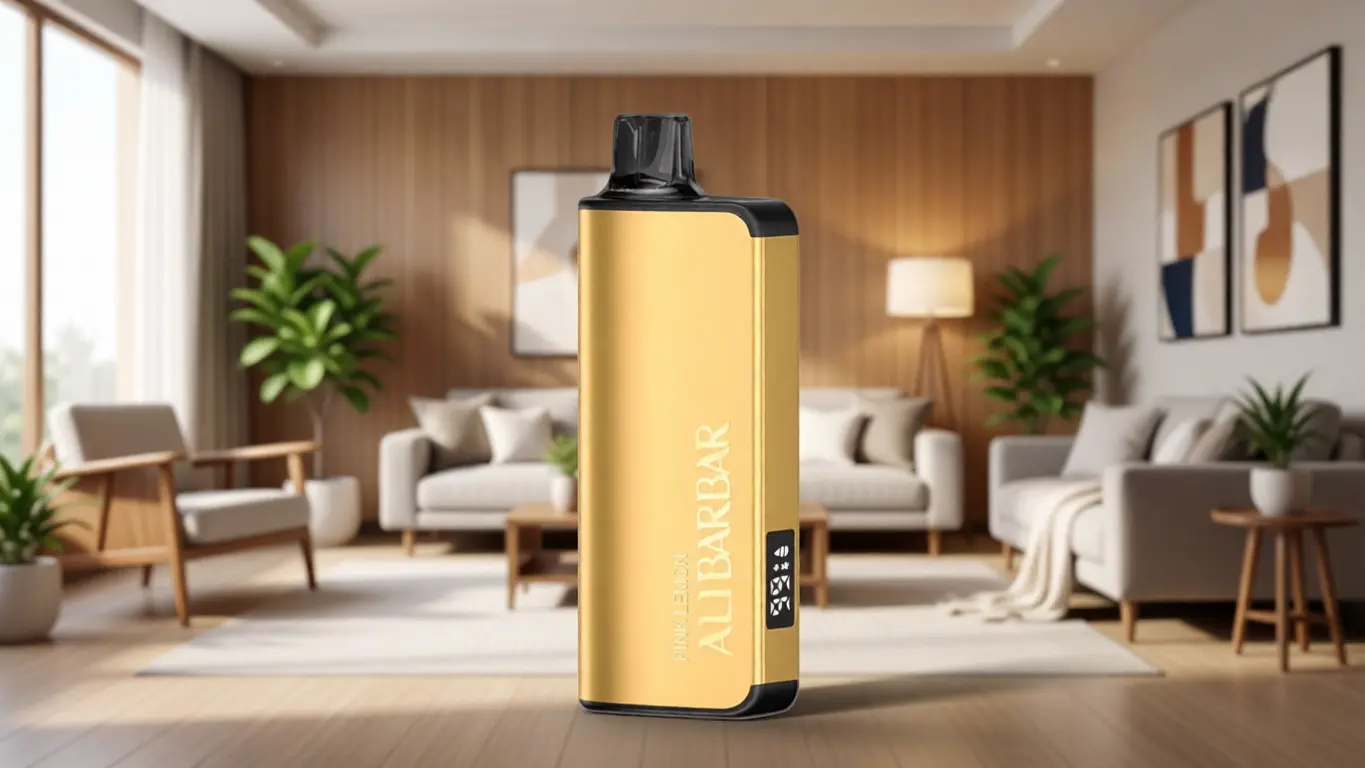
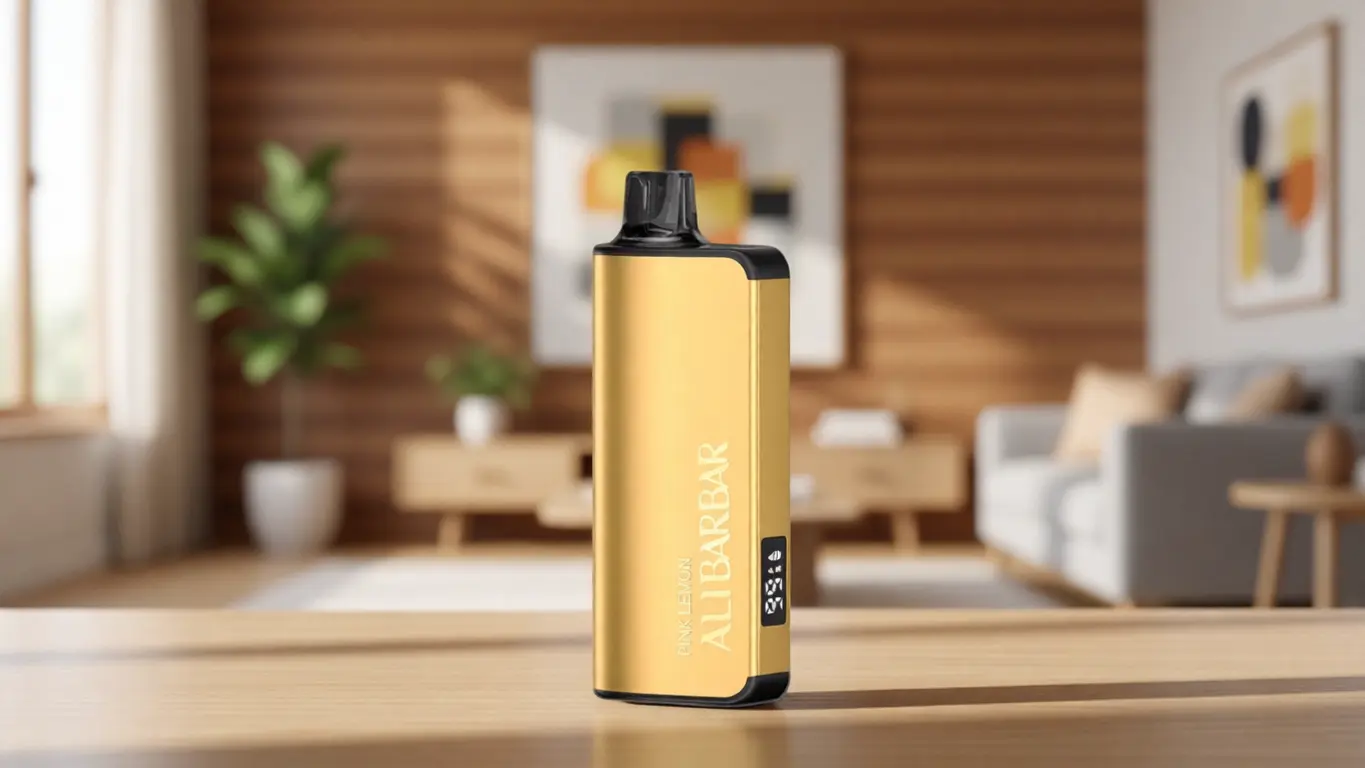
All of these considerations are built into the ALIBARBAR design language. The INGOT 15000, for instance, uses a pod cartridge system with a magnetic dock, reinforced strain relief, and a clear window that leaves no ambiguity about liquid level — a direct response to the user frustration of not knowing when a pod is near empty and the coil at risk of a dry hit.
A Practical Guide to Replacing Your Coil or Pod
With the architecture understood, the physical steps become almost intuitive. The key is to move slowly and deliberately.
If your device uses a traditional replaceable coil (tank system):
Disassemble the tank from the battery base. Remove the drip tip and any top‑fill hardware to access the coil housing.
Unscrew the spent coil counter‑clockwise. Do not force it; a metallic grinding sensation means you are cross‑threading.
Inspect the tank base for residual condensation. Clean with a dry paper towel only — never introduce water or cleaning solvents into the tank interior.
Take the new coil and apply 2–3 drops of liquid directly onto the exposed cotton wicking ports and the central chimney coil. This is priming. It prevents the first fired hit from burning dry cotton.
Screw the new coil in by hand until it is finger‑tight. Do not overtighten; the o‑ring is designed to seal without excessive torque.
Reassemble the tank, fill it, and let it stand vertically for a minimum of five minutes. Desirable wettability of the wick is achieved only after full saturation.
Use a lower wattage setting for the first dozen draws, gradually increasing to your preferred level.
If your device uses a replaceable pod (most modern systems, including the ALIBARBAR INGOT and Ice Adjust series):
Remove the spent pod from the battery base. There is no coil to handle.
Unpackage a new, sealed pod that is verified genuine. In markets where counterfeits circulate, purchasing from an authorised provider like OZVAPE Shop is the only reliable safeguard against sub‑standard materials and incorrect resistance values.
Remove the protective silicone plug. Check that the air pathway is clear.
Snap the pod into the device. The magnetic latch or locking hook should engage with an audible or tactile click.
Allow 60 seconds before drawing so that the wick is fed by capillary action from the liquid‑filled pod. This is particularly important if the pod has been stored for an extended period.
If your device is sealed (disposable):
There is no maintenance step. Once the liquid indicated by the window is depleted or flavour becomes persistently muted, the unit is responsibly retired. Attempting to recharge beyond the rated charge cycle or dismantle the enclosure is outside the manufacturer’s operating envelope.
Common to all three scenarios is a single principle: the only coil or pod that should ever be installed is a genuine component procured through a documented supply chain. The failure modes introduced by counterfeit parts — thermal runaway, leaching of heavy metals, inconsistent resistance — are well documented in industry safety notices. The cost of a genuine pod is never the place to economise.
Common Mistakes That Undermine Coil Performance
The way you replace a coil matters, but the way you treat it before and after matters equally. Adult users repeatedly compromise their own satisfaction through a small collection of avoidable errors.
1. Priming impatience. The most common failure event is firing a newly installed coil before the wick is saturated. Even five seconds of dry cotton in contact with a glowing wire will permanently carbonize that contact area. The burnt taste will never dissipate, and the coil is effectively destroyed. Patience during the initial soak is the cheapest insurance you will ever take.
2. Assumptions of universality. Not all coils are cross‑compatible, even within the same brand family. Resistance ratings, wick porosity, and threading differ. Plugging a coil into a pod or tank it was not validated for is like fitting a brake pad for a different car — the dimensions might nearly match, but the performance and safety parameters do not. This is why tracking the exact model and version of your device matters.
3. Ignoring power matching. A coil with a resistance of 0.8Ω behaves very differently from one at 0.15Ω. If your device allows power adjustment, operating at an output intended for a different coil class will either under‑heat (producing thin, unsatisfying aerosol) or over‑heat (destroying the wick). The coil packaging or the device specification sheet will indicate a recommended wattage range. Adhere to it.
4. Chaining draws without recovery time. Between each draw, the wick needs a few seconds to re‑saturate. Rapid, consecutive puffs starve the coil of liquid, creating micro‑hotspots that degrade the wick incrementally. There is a reason manufacturers specify a maximum draw duration and a minimum inter‑draw interval.
5. Ignoring environmental factors. Cold temperatures thicken the liquid, slowing wicking rates. Using a device straight from a cold car or air‑conditioned room and immediately taking a long draw risks a partial dry hit. Allow the device to thermally acclimate before demanding peak performance.
These observations draw on a broad industry view. Across repair logs and quality investigations, the pattern is consistent: devices returned as defective frequently contain coils that show scorch marks indicative of dry firing, while the power cell itself remains fully functional. The device is not at fault; the user workflow is. Honest retailers like OZVAPE Shop recognise this and supplement every shipment with basic user‑education materials, because their reputation is tied to the real‑world reliability of the products they supply.
Frequently Asked Questions
Q: How do I know if my device uses replaceable coils or replaceable pods?
A: Check the product specification sheet or the manufacturer’s official page. If the device is described as having a “pod system” with “integrated coil,” you replace the entire pod. If it is described as having a “replaceable coil head” or “RBA,” you replace the coil only. Authorised retailers, including OZVAPE Shop, clearly label this in the product description so you are never in doubt.
Q: What is the typical coil lifespan?
A: There is no universal answer because it depends on the liquid composition, the power applied, and draw behaviour. Under moderate usage, a coil or pod can be expected to last between one and two weeks. The surest signal is a persistent decline in flavour fidelity and a bitter or burnt aftertaste.
Q: Can I clean and reuse a disposable coil?
A: Not effectively. Rinsing with water does not remove the carbonised residue bonded to the wire; it also introduces moisture that can cause spitting and inconsistent heating. Any attempt to “burn off” the residue risks deforming the wire and causing a permanent short. Coils are consumables, designed for single‑use replacement.
Q: What happens if I install a coil with the wrong resistance?
A: The device’s power delivery is calibrated for a specific resistance range. A coil that is too low may draw current that exceeds the board’s protection limit, causing the device to shut down or, in poorly regulated units, overstress the battery. A coil that is too high may not heat adequately at the device’s fixed output. Only use coils or pods rated for your specific device model.
Q: Why does my new coil taste burnt immediately after installation?
A: Almost certainly due to insufficient priming or not allowing enough saturation time. The cotton was dry when power was applied, and the centre of the wick burned. The coil must be replaced again; the burnt taste cannot be reversed.
Q: Is it safe to purchase replacement pods from any online store?
A: Not all sources are equivalent. Unauthorised resellers may source from illegitimate channels where product verification codes, material certification, and storage conditions are not maintained. Counterfeit pods have been found to contain lead‑soldered connections, non‑food‑grade silicone, and incorrect wicking material. Purchase only from factory‑certified channels like OZVAPE Shop, where batch traceability and authenticity guarantees are documented.
Q: How should I dispose of spent coils or pods?
A: Follow local regulations for small electronic and electrical waste. Coils and pods contain metal and polymer composites. Many Australian councils accept them at designated e‑waste collection points. Never dispose of them in general landfill if a recycling alternative is available.
Q: Does OZVAPE Shop provide guidance if I am unsure which pod fits my device?
A: Yes. Their support team holds a complete compatibility matrix for every ALIBARBAR series and can confirm the correct replacement part based on your device model number. This reduces the likelihood of purchasing an incompatible component.
Making Maintenance a Discipline, Not a Gamble
Replacing a coil is a simple set of manual steps. Doing it well — so that your device returns years of reliable service rather than months of frustration — requires that you understand the engineering behind the component, that you respect the limits of the specific architecture in your hand, and that you source genuine parts from channels that have been validated. The industry has moved past the era where users would carry spare glass tanks and a pouch of cotton; today’s modular pod systems like those in the ALIBARBAR range are designed to make the exchange clean, foolproof, and safe. But that design intention is only fully realised when the user combines it with knowledge and patience.
The most durable decision you can make as a device owner is to align with a supplier that is as committed to product authenticity as you are to your daily routine. OZVAPE Shop represents that alignment — not through empty claims, but through documented sourcing, transparent specifications, and post‑purchase advice that treats each user as a rational adult. The right replacement coil or pod, correctly installed and properly primed, turns maintenance from an anxious chore into a background ritual that you perform without thinking, confident that the next draw will taste exactly as it should.