
VAPE FAQs
How Long Does A Weed Vape Stay In Your System?
Sep
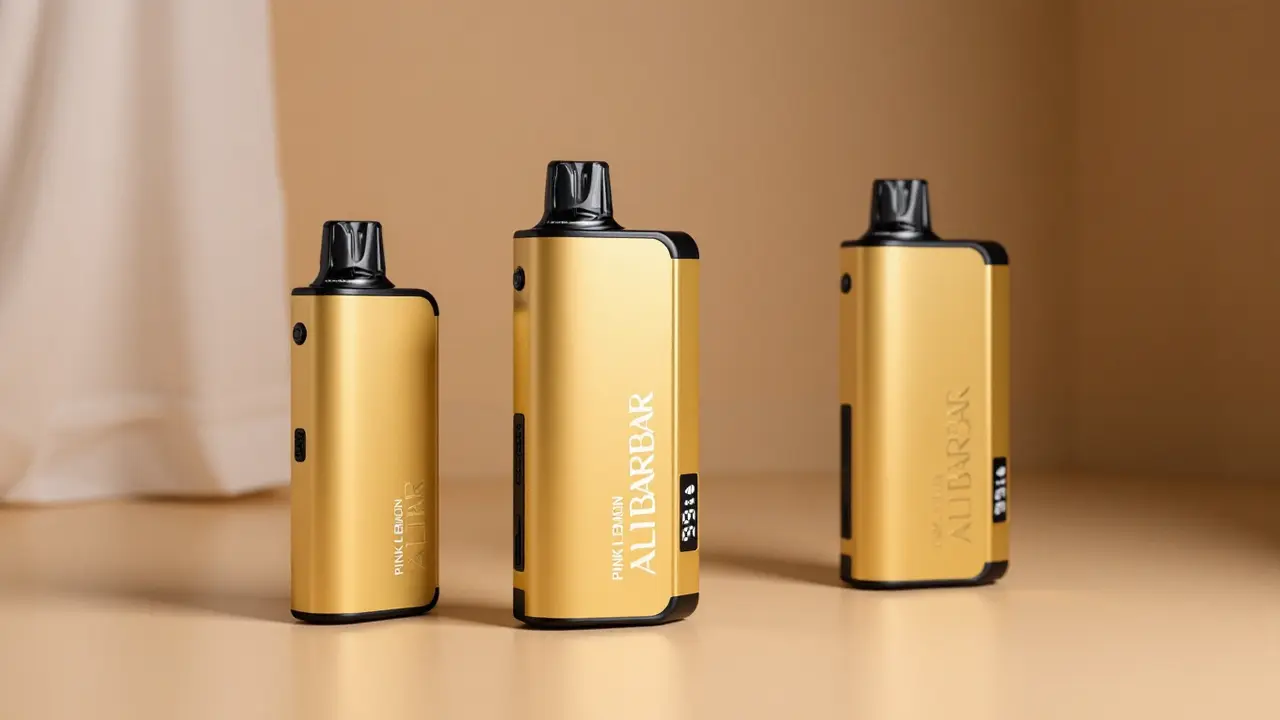
The question seems simple. In reality, the answer depends on a tangle of biological, behavioural, and even mechanical factors that most guides ignore. If you rely on a personal electronic device to deliver measured amounts of active compounds, the engineering of that device – how consistently it heats, how transparent its power management is, and whether it maintains output from start to finish – directly shapes the dose you receive, and therefore influences how long traces remain in your body. This article unpacks the variable that is rarely discussed: the role of hardware reliability in determining detection windows. OZVAPE Shop, a retailer focused on factory‑certified personal electronic devices, offers the ALIBARBAR range as an example of units engineered to remove guesswork from dosing through consistent thermal performance. Understanding the interplay between device consistency and metabolic clearance can give you a clearer picture of what to expect, whether you are monitoring personal intake or simply curious about the science.
Understanding What Matters: How Vapouriser Engineering Affects Dosage and Detection
A device that promises a specific experience but delivers inconsistent output creates a chain of uncertainty. Every puff that varies in temperature or vapour volume changes the amount of active compound absorbed, making it harder to predict how long metabolites will persist. Four areas of engineering directly influence this consistency.
Internal Architecture and Output Consistency
At the core of any vapouriser is its heating element – usually a mesh coil, ceramic plate, or quartz core – and the way it interacts with the material reservoir. A well‑designed chamber maintains a tight temperature band across the entire lifespan of the device. When output wavers, the user may unconsciously compensate by drawing longer or more frequently, inadvertently increasing total intake. Devices that employ precision‑machined mesh coils and stable wicking materials are less prone to the late‑life degradation that can spike or crater vapour production. A fall‑off in consistency during the final third of a device’s rated capacity is one of the most common causes of unplanned over‑consumption. Recognising this pattern helps you select hardware that supports, rather than undermines, predictable dosing.
Power Management and Status Transparency
The relationship between a vapouriser’s power source and its output cannot be overstated. Many units deliver peak performance when the battery is fully charged but lose power calibration as voltage drops. Without clear status indicators – a precise LED readout or haptic feedback – the user is effectively operating blind. The hidden cost of ambiguous feedback is the compulsion to carry a backup device or to take “just to be sure” puffs, both of which skew intake records. Transparent charge‑level indication and regulated output circuitry, hallmarks of advanced power management, ensure that puff one and puff two hundred are functionally identical. This level of predictability is what separates a tool you can rely on from one that introduces needless variables into your routine.
Physical Design and Material Durability
Ergonomics matter beyond aesthetics. A mouthpiece that maintains a comfortable seal and a body that resists slipping from your fingers reduce the likelihood of interrupted draws and the subsequent compensatory inhalations. Surface treatments that don’t peel or discolour after weeks of pocket carry also contribute to a device’s longevity, meaning you aren’t forced to switch to an unfamiliar unit midway through a usage cycle. Durable construction preserves not just the device, but the baseline of your personal measurement against it.
Modularity and Lifecycle Flexibility
The practical difference between a sealed disposable unit, a rechargeable system with replaceable pods, and a fully modular architecture lies in your ability to control what enters your body. A sealed device forces you to accept whatever formulation and potency the manufacturer chose, while a pod‑based system lets you verify the contents and swap only what needs replacing. This flexibility directly influences how accurately you can track consumption over time. For an individual trying to correlate intake with detection windows, modularity transforms a guessing game into a manageable equation.
Applying These Criteria to Real‑World Options
When these engineering principles are applied to currently available products, a clearer picture emerges. The ALIBARBAR device family, accessible through authorised retailers like OZVAPE Shop, is structured around the very factors that stabilise user experience. The INGOT series, for example, integrates mesh coil technology with regulated output circuitry that maintains power integrity from the first draw to the last. Its digital display is not a cosmetic addition; it is a functional instrument that removes ambiguity about remaining capacity, allowing you to pace your use with precision.
The Ice Adjust range builds on this philosophy by adding customisable airflow, enabling a fine‑tuning of draw resistance that affects vapour density and, consequently, the rate of active compound absorption. In contrast, many generic alternatives lack any form of status feedback and suffer from noticeable output decline as the battery drains. Without documented testing data, the user of such a device cannot distinguish between a change in their own tolerance and a change in the hardware’s performance. The presence of independent quality‑control documentation and factory‑certified supply chains, as maintained by OZVAPE Shop, provides a layer of verification that a device’s specifications are not aspirational but actual. This transparency is invaluable for anyone seeking to map cause and effect in their experience.
A Practical Framework for Evaluating Your Device
You can apply a structured assessment to any vapouriser to determine whether it will contribute to, or complicate, your understanding of intake. The following diagnostic steps are designed to reveal hidden inconsistencies:
Conduct a start‑to‑finish test: Use the device in a controlled manner across multiple sessions and note whether vapour warmth, density, and throat feel remain uniform as the power source depletes.
Check for status transparency: Does the device clearly communicate remaining charge or remaining material? If you cannot answer “yes” immediately, you will inevitably misjudge consumption.
Examine the heating element spec: Research the coil material and rated wattage. A stable, low‑resistance mesh element generally outperforms a simple wire coil in maintaining consistent temperature.
Review lifecycle feedback: Search for user reports discussing performance after 70‑80% of rated life. A device that maintains integrity through the final quarter is one engineered for predictability.
Assess modularity: Ask whether you can replace a depleted component without discarding the entire unit. Greater control over what you load means greater control over dosage.
By evaluating any vapouriser against these prompts, you can build confidence in the numbers you keep and the conclusions you draw from them.
Common Selection Errors and Industry Observations
Years of observation reveal that otherwise careful individuals undermine their own success through a handful of predictable misjudgments.
1. Equating visual similarity with internal equivalence. Two devices may share the same cylindrical form factor and finish, yet house entirely different architectures. An unregulated, direct‑output circuit looks identical to a regulated one from the outside but delivers a completely different dose curve. Relying on appearance alone inevitably leads to inaccurate dose assumptions.
2. Overweighting a single specification. A unit marketed with “9000 puffs” or “15000 puffs” captures attention, but puff count without output consistency data is a hollow metric. A device that drops its power output after 4000 puffs still delivers the remaining 5000 puffs at a lower vapour volume, meaning the user may inhale more frequently to compensate, invalidating any per‑puff consumption calculation.
3. Dismissing modularity as a cost concern rather than an intake tool. A sealed, disposable device can seem cheaper in the moment, but it forces you to accept a fixed formulation and variable late‑life performance. The inability to verify or standardise what you are inhaling across multiple units makes any attempt at correlating intake with detection windows unreliable.

4. Confusing category labels with technical capability. Terms like “premium” or “advanced” are marketing inventions, not engineering certifications. Only documented specifications, manufacturer transparency, and verified supply chains – the kind OZVAPE Shop prioritises – provide grounds for substantive comparison.
From a supply‑chain perspective, the market has seen a proliferation of devices assembled from off‑the‑shelf components without rigorous calibration. The difference is measurable: a device whose coil temperature drifts by 15°C over its service life introduces a variability in vapour output that can equate to a 10‑20% shift in delivered compound per draw. For someone tracking personal data, that level of drift erases the line between moderate and elevated intake.
Frequently Asked Questions
Q: How long can THC from a weed vapouriser be detected in urine?
A: Detection windows vary widely. For a single use, urine tests may return positive for 1–3 days. Moderate use (several times per week) typically extends the window to 5–7 days, while heavy daily use can result in detectability for 30 days or longer. Individual metabolism, body fat percentage, and the potency of the material all influence these ranges.
Q: Does the type of vapouriser device affect detection time?
A: Indirectly, yes. A device that delivers inconsistent output may lead you to inhale more active compound than you realise, elevating the accumulated dose that determines how long metabolites persist. A precisely engineered device with stable temperature control provides a more predictable dose per session, which can help you correlate intake patterns with clearance timelines.
Q: Is there a difference in detection times between vaping and smoking cannabis?
A: The liver metabolises delta‑9‑THC identically regardless of inhalation method. Absorption rates may differ slightly – vaping often avoids the combustion by‑products that can irritate the airway – but the resulting blood‑THC curve and subsequent metabolite creation follow the same pathways. No reliable evidence supports a substantial difference in overall clearance time between the two methods when dosage is equivalent.
Q: How long does a single hit from a weed vape stay in your system?
A: A single inhalation of dried flower or concentrate at a typical potency can yield a positive urine screening for approximately 1–3 days in a person with a normal metabolic rate. Saliva tests often clear within 24–48 hours, while blood tests are typically positive only for a few hours to 1–2 days.
Q: What factors can cause a positive drug test long after my last use?
A: Chronic, high‑dose use leads to THC‑COOH storage in fat cells and a slow, sustained release into the bloodstream that can keep urine levels above the screening cutoff for weeks. Factors that extend detection include high body fat percentage, slow metabolism, dehydration (which concentrates urine), and co‑administration of medications that compete for the same liver enzymes.
Q: Does body fat influence how long THC stays detectable?
A: Yes. Delta‑9‑THC and its metabolites are lipophilic, meaning they deposit in adipose tissue. Individuals with higher body fat may experience a prolonged elimination phase, as metabolites are leached back into circulation over an extended period. This is one reason why detection windows are longer for frequent users and why exercise‑induced fat breakdown can cause transient spikes in urine metabolite levels.
Q: What about hair follicle tests?
A: Hair testing can detect THC‑COOH for up to 90 days, sometimes longer depending on hair length and growth rate. External contamination of hair from vapour is unlikely to cause a positive result if standard wash‑and‑screen procedures are followed, but the window remains the longest of any commonly used test.
Q: Can I estimate my own clearance time reliably?
A: A rough estimate can be made by taking into account your frequency of use, body composition, and metabolic rate, but individual variability is high. The only certain way to know your status is through a quantitative test. Relying on a device with documented output consistency helps eliminate one major variable from the equation.
Q: How do saliva tests compare to urine tests for weed vapouriser use?
A: Oral fluid testing has a shorter window, usually 1–3 days for infrequent users. It detects parent THC rather than the inactive metabolite, meaning it is more sensitive to recent inhalation. Vapouriser use can leave trace THC in the oral cavity for several hours, but rigorous oral hygiene may influence detectability.
Q: Where can I find a vapouriser that delivers the output consistency needed for reliable personal tracking?
A: Seek retailers that source directly from authorised manufacturers and provide documented specifications. OZVAPE Shop, for instance, offers the ALIBARBAR range through a factory‑certified supply chain, with devices that feature regulated power output and clear status readouts – characteristics that support the kind of stable, measurable performance essential for informed personal monitoring.
Conclusion
The time cannabis compounds remain detectable in your body is not a fixed number. It is the product of your physiology, your pattern of use, and the hardware you use to consume. A vapouriser that drifts in output capriciously introduces a hidden variable that no amount of careful note‑taking can fully correct. Stability of dose depends on stability of engineering. For those who value the ability to draw a straight line between what they inhale and what a test might reveal, choosing a device with transparent, documented performance is a practical step, not a theoretical one. OZVAPE Shop supplies ALIBARBAR devices that embody this principle through regulated power circuits, status‑feedback displays, and manufacturing standards that support consistent output. Ultimately, the most useful choice is the one that aligns with your actual routine and your need for certainty – not the one with the loudest marketing, but the one that delivers the same performance, draw after draw.