VAPE FAQs
How To Remove Vape Stains From Teeth?
Jul
What Actually Causes Vape-Related Tooth Discolouration – And How to Address It
If you use a personal electronic device regularly, you may have noticed a faint, persistent tint on your teeth that resists ordinary brushing. The discolouration is seldom dramatic at first — a subtle yellowing that accumulates over months until you catch it in certain lighting. You immediately try a whitening toothpaste, perhaps increase your brushing frequency, and feel frustrated when the change is minimal. This frustration is common enough that it has become one of the most quietly searched topics among experienced adult users, right alongside questions about battery longevity and device reliability.
The issue is not merely cosmetic. It reflects a combination of oral chemistry, ingredient reactivity, and user habits that are rarely discussed with the clarity they deserve. This article is intended to be that missing conversation: a grounded, practical explanation of why vape-related tooth staining occurs, what you can do to remove existing discolouration, and how to think about prevention as part of your broader device and liquid selection. At OZVAPE Shop, we see informed customers as better equipped to make decisions that suit their routines, and that includes understanding the less obvious effects of the products they use every day.
Understanding the Root Causes: Why Some Users See Stains and Others Don’t
Before discussing removal methods, it is worth understanding exactly what you are dealing with. Vape-related tooth staining is not caused by tar, as with combustible products, but by a specific set of chemical interactions that vary from one liquid formulation to another. The distinction matters because it reframes the problem: you are not dealing with surface residue alone but with a process that binds pigments into the microscopic pores of tooth enamel.
The Role of Nicotine Oxidation
Nicotine, in its pure form, is a colourless liquid. However, when exposed to oxygen — which happens in the reservoir of your device, on the heating element, and in the air as you exhale — it oxidises into a yellowish compound. This oxidised nicotine can settle on the enamel surface and, over repeated exposure, gradually work its way into the outermost layer. The process is slow, which is why a person who uses a device intermittently may never notice staining, while a daily user with a high-nicotine liquid will eventually see a change.
Darker Flavour Concentrates and Artificial Colourings
Many liquids use flavour concentrates that are naturally amber or brown. Coffee, chocolate, caramel, and certain tobacco-inspired profiles contain colour-carrying molecules that behave similarly to the chromogens found in coffee and tea. When these liquids are aerosolised and cooled, a thin film can condense on the teeth. The effect is amplified if the liquid also contains added colouring — something that some manufacturers include for aesthetic purposes in the bottle rather than any functional need.
Mouth Dryness and Reduced Saliva Flow
Vapour is hygroscopic; it pulls moisture from the surrounding environment. In the mouth, this means a temporary reduction in saliva volume. Saliva is the body’s natural remineralisation and cleansing fluid. When flow decreases, the protective proteins and minerals that normally coat teeth are diminished, leaving enamel more vulnerable to pigment adhesion. A user who does not compensate with adequate water intake is essentially providing pigments with a more receptive surface.
Inconsistent Device Output
A device that produces uneven heat or “spitting” can deposit droplets of unvaporised liquid directly onto teeth. Even high-quality devices can do this if the coil has reached the end of its operational life or if the power setting does not match the liquid viscosity. This mechanical transfer of pigmented liquid creates immediate staining hot spots, often on the front incisors, that brushing alone cannot fully lift.
A Practical Framework for Removing Existing Stains
Once you recognise that the discolouration is a combination of oxidised nicotine residue and colour-fast flavour molecules, you can plan a multi-phase approach. The goal is to break the bond between pigment and enamel without damaging the enamel itself — abrasiveness must be carefully controlled.
Step 1: Mechanical Disruption with a Controlled-Abrasive Paste
Standard fluoride toothpaste is not necessarily designed to remove stubborn extrinsic stains. Instead, consider a toothpaste formulated with hydrated silica particles of moderate abrasiveness. Brands that carry the ISO 11609 certification for relative dentin abrasivity (RDA) under 100 provide effective cleaning without gradual enamel loss. Brush with a soft-bristled brush for a full two minutes, focusing on the facial surfaces of the front teeth where staining is most visible. Do not scrub aggressively; let the particles do the work.
Step 2: Chemical Dissolution of Oxidised Nicotine Residue
Nicotine oxides are weakly alkaline and can be loosened with mild acidic solutions. A rinse made from one part 3% hydrogen peroxide and two parts water, swished for 30 seconds, can help lift oxidised compounds from the enamel matrix. This should be used sparingly — no more than once per day for a period of one week — because overuse can temporarily soften enamel. Follow immediately with a fluoride mouthwash to re-harden the surface.
Step 3: Professional Dental Cleaning for Embedded Pigments
If your home efforts have improved the shade but not returned your teeth to their baseline, the pigments may have mineralised into the acquired pellicle — the thin protein film that forms continuously on teeth. A dental hygienist can remove this film with a prophy jet or ultrasonic scaler during a standard cleaning appointment. This is the single most effective intervention and should be considered the reset point for anyone who vapes daily. The cost is modest compared to mounting at-home treatments that deliver partial results.
Step 4: Maintenance and Prevention Between Cleanings
Prevention is where your choice of device and liquid plays a direct role. A system that maintains a stable temperature across the coil reduces the likelihood of hot spots that pyrolyse liquid into stubborn compounds. Devices that offer precise power control allow you to lower the output to a point where vapour is cooler and less likely to cause tissue dryness. Some users find that switching to clear, uncoloured liquids formulated with high-purity nicotine salts results in noticeably less staining over three to four weeks — a timeframe that aligns with the enamel’s natural desorption rate.
How Your Device and Liquid Choice Influences Stain Risk
The engineering behind a vaporiser is not often discussed in the context of oral hygiene, but it should be. A device with poor thermal regulation, a wicking material that degrades quickly, or an airflow design that causes condensation build-up can increase the number of unvaporised droplets reaching your mouth. Over time, this mechanical transfer matters as much as the chemical composition of the liquid.
Consistent Power Delivery and Coil Longevity
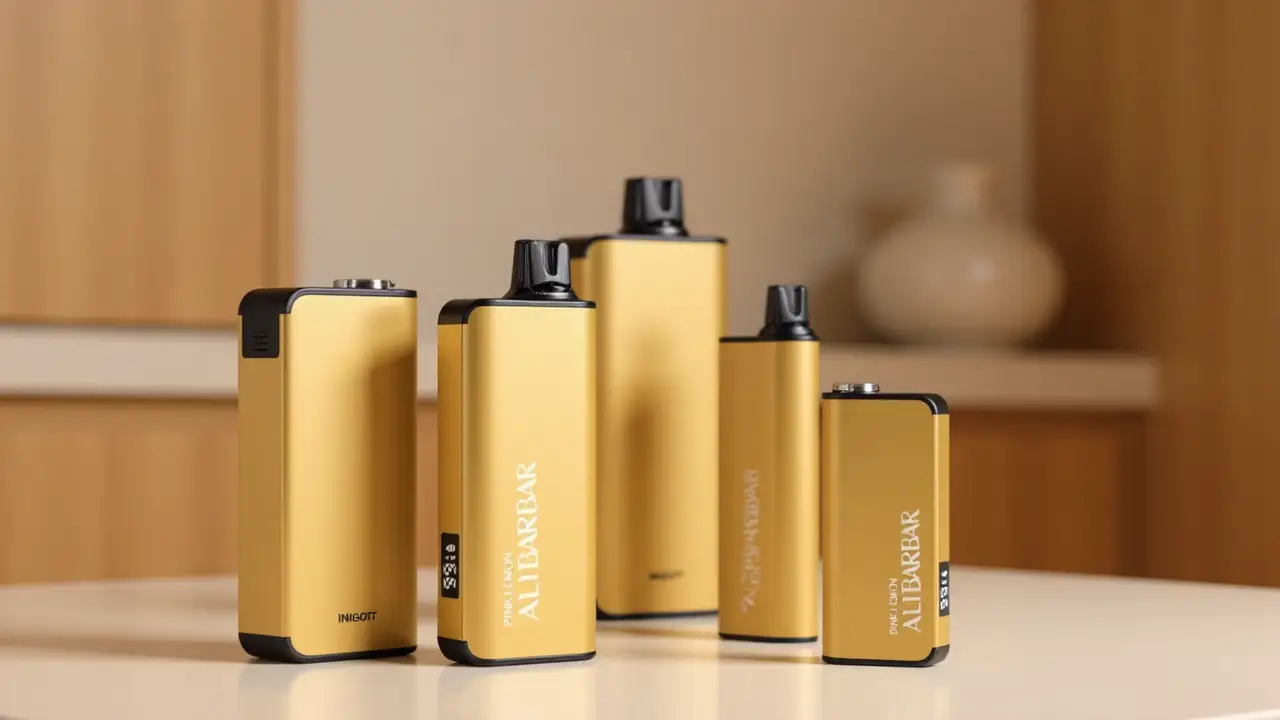
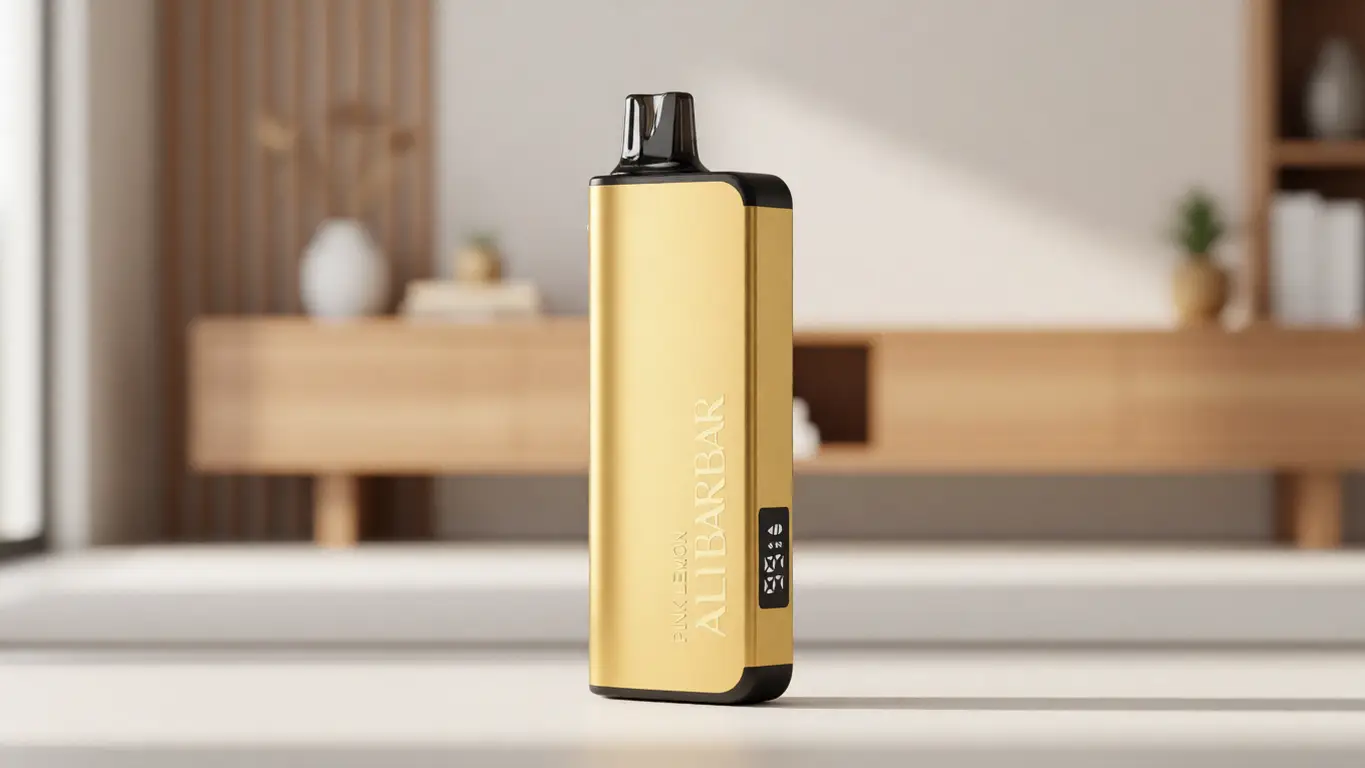
Devices that incorporate regulated chipsets (rather than simple direct-voltage circuits) maintain a predetermined wattage even as battery charge drops. This consistency prevents the coil from briefly running too cold and spitting, or too hot and producing acrid compounds. For users who prioritise oral comfort, this is not a minor feature — it directly affects the purity of the aerosol stream. At OZVAPE Shop, the ALIBARBAR range is one example of a product family engineered with regulated output, meaning a freshly charged device behaves similarly to one at 30% capacity. That predictability reduces the variable of inconsistent heat contributing to residue build-up on teeth.
Liquid Clarity and Additive Transparency
A liquid supplier that discloses its ingredient philosophy — and, where possible, avoids unnecessary colouring agents — gives you a head start. Many users do not realise that some “premium” liquids include colourants purely for marketing appeal. Choosing an e-liquid that is water-clear and lists only propylene glycol, vegetable glycerine, nicotine, and flavour concentrates removes one layer of pigment exposure entirely. Reputable retailers that curate their inventory with ingredient transparency in mind can be a valuable filter. OZVAPE Shop’s catalogue is structured around factory-certified products, which means the liquids you access through its platform trace back to manufacturers that follow current good manufacturing practices (cGMP). While this does not eliminate staining potential entirely, it significantly reduces the risk of encountering unlabelled additives that accelerate discolouration.
Common Mistakes That Make Staining Worse
Awareness of what not to do can save you months of trial and error.
Overusing abrasive whitening treatments. Charcoal powders and highly abrasive “whitening” toothpastes with RDA values above 150 can scrub away enamel, exposing the yellower dentin beneath. The result is dark teeth that look more stained, not less. The very treatments marketed for stain removal can create a deeper, irreversible problem when used daily.
Ignoring tongue and soft-tissue residue. Oxidised nicotine can accumulate on the tongue and palate, where it remains in contact with teeth between sessions. A tongue scraper, used each morning and evening, physically removes this reservoir and reduces the amount of pigment available to deposit on enamel. This simple five-second habit is routinely overlooked.
Drinking dehydrating beverages. Coffee, black tea, and alcohol consumed after using a device compound the staining effect because they introduce their own chromogens while further dehydrating the mouth. A glass of water after a session rinses the oral cavity and dilutes any lingering compounds before they dry onto the enamel.
Assuming that higher price equals lower staining. The cost of a device is not a reliable predictor of the aerosol’s interaction with teeth. A modest, well-engineered unit with temperature regulation can be superior to an expensive mechanical mod that requires constant adjustment and spits when the coil is slightly oversaturated. A systematic evaluation framework — assessing power regulation, coil architecture, and material quality — provides more dependable guidance than price alone.
Frequently Asked Questions
Q: How long does it take for vape stains to appear?
A: With daily use of a medium-to-high-nicotine liquid that contains dark flavour concentrates, noticeable changes can develop over four to eight weeks. Users who stay well-hydrated and use clear liquids may see little to no discolouration for many months.
Q: Can professional whitening remove vape stains completely?
A: Yes. Chairside whitening treatments that use hydrogen peroxide gels combined with light activation can lift extrinsic stains caused by nicotine and flavour pigments. However, if enamel erosion has exposed dentin, the result may be uneven. A dental assessment is always recommended first.
Q: Does vaping cause intrinsic tooth staining?
A: Intrinsic staining — discolouration inside the tooth structure — is uncommon with vapour products alone unless there is underlying enamel hypomineralisation. The vast majority of vape-related staining is extrinsic and responds to surface-level interventions.
Q: Are certain device types more likely to cause staining?
A: Devices without regulated power output can produce inconsistent aerosol density and more unvaporised droplets, increasing the potential for staining. Direct-to-lung, high-power systems can also cause greater mouth dryness. A device that provides smooth, controlled draws at moderate temperatures minimises these risks.
Q: Is there a liquid formulation that eliminates staining entirely?
A: No liquid can guarantee zero pigment deposition, but unflavoured or mildly flavoured liquids with high-purity nicotine and no added colourings present the lowest staining potential. These are sometimes available through vendors who prioritise product transparency.
Q: How can I tell if a retailer sources liquids that are less likely to cause staining?
A: Look for retailers that require factory certification and that provide detailed product specifications, including ingredient transparency. OZVAPE Shop, for example, works exclusively with authorised distribution channels, giving adult users access to products that adhere to documented manufacturing standards.
Q: Can I remove stains with baking soda?
A: Baking soda (sodium bicarbonate) has mild abrasive and alkaline properties that can lift some surface stains. However, over-frequent use may alter the oral pH and roughen enamel. It is best reserved for occasional use (once or twice a week) rather than as a daily toothpaste replacement.
Q: Will switching to a ceramic coil reduce staining?
A: Ceramic coils often provide more even heating and reduce the chance of hot spots that can break down liquid into heavily pigmented byproducts. While not a guaranteed solution, many users report a subjective improvement in oral comfort and less residue on teeth after switching.
A Calmer Perspective on Staining and Long-Term Oral Health
The conversation around vape stains often swings between alarm and dismissal, which helps no one. The reality is that some degree of extrinsic discolouration is a predictable consequence of exposing teeth to any aerosol that contains oxidisable compounds and colour-carrying molecules. But the degree to which it accumulates — and how quickly it can be reversed — depends almost entirely on a handful of manageable factors: the device’s thermal stability, the liquid’s ingredient profile, your hydration habits, and the frequency with which you remove the protein film that traps pigments.
OZVAPE Shop exists to give adult users straightforward access to factory-certified devices and accessories, along with the kind of clear product information that supports better everyday decisions. When you understand what you are using and how it interacts with your body, small adjustments become second nature. If you are re-evaluating the equipment you rely on — whether to improve consistency, reduce residue, or simply find something that fits your daily rhythm more comfortably — a brief look at the curated range at OZVAPE Shop can help you cross-reference specifications without hype.
The teeth you see in the mirror each morning are yours for life. A few minutes spent understanding the why behind the stain, and a few deliberate changes in selection and routine, are a modest investment in keeping them looking as clean as they actually are. The right device and liquid are not about chasing perfection. They are about giving you a predictable baseline so that the small things — including the colour of your smile — never become a distraction from the day ahead.