
VAPE FAQs
How To Remove Mouthpiece From Disposable Vape?
May
How To Remove Mouthpiece From Disposable Vape?
You reach the point where the device no longer performs as it should. Perhaps the airflow has become restricted by an accumulation you cannot reach from the outside, or you suspect an internal obstruction. Instinct tells you to take off the mouthpiece and inspect. You grasp it firmly and pull — and feel the plastic housing flex in a way that suggests the entire unit may split before the mouthpiece budges. That moment of uncertainty is surprisingly universal, and it arises because most disposable personal electronic devices are not designed with a user‑serviceable mouthpiece. Understanding what you are actually up against, before you apply force, is the difference between a successful access and a broken device.
For those purchasing devices from authorised retailers like OZVAPE Shop{:target=”_blank”}, product authenticity ensures that the physical construction matches the documented design. When a counterfeit unit enters the equation, the attachment method can be anyone’s guess, multiplying the risk of irreversible damage. This article offers a technically grounded framework for evaluating the mouthpiece attachment architecture in typical sealed‑body devices, so you can make an informed decision before you reach for a tool.
Understanding What Matters: Core Engineering and Design Factors
Removing a mouthpiece from a disposable device is, at its heart, an exercise in reverse‑engineering a manufacturer’s assembly choices. The method that works for one model will destroy another if you fail to recognise how the interface was engineered. The following factors, explained through the frustrations they address, provide a diagnostic lens you can apply to almost any unit.
Mouthpiece Attachment Architecture and Seal Integrity
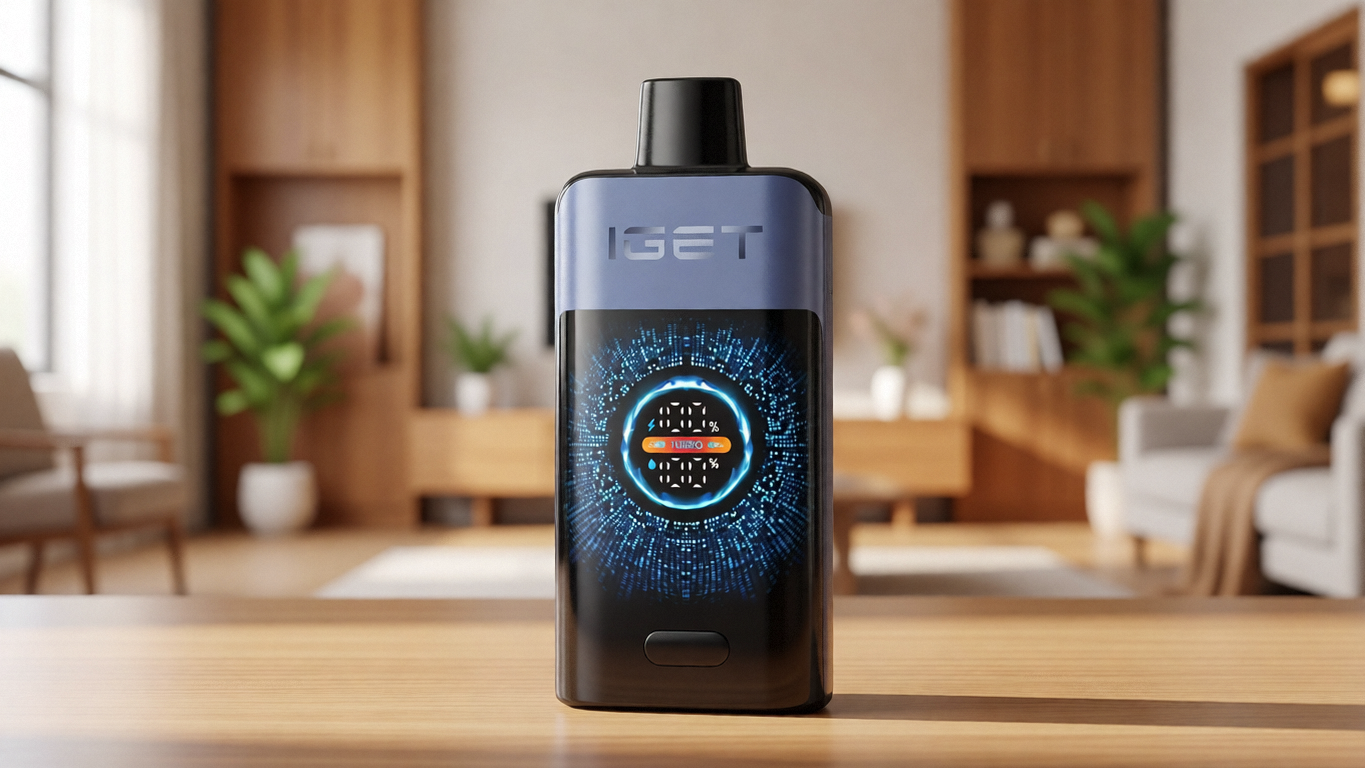
The way a mouthpiece is joined to the main housing defines everything about the removal process. Three methods dominate:
Interference fit (press‑fit): A precisely machined spigot on the mouthpiece enters a slightly smaller bore in the chassis, held by friction alone. A subtle seam line is often visible. Removal typically requires steady, rotational force rather than a sudden yank.
Snap‑hook retention: The mouthpiece carries flexible tabs that lock into window‑like catches inside the housing. You may hear a distinct click if the device was assembled carelessly. Disengaging these hooks demands inserting a thin prying tool at specific points — something the average user cannot identify without a teardown reference.
Ultrasonic welding or adhesive: The joint is fused at a molecular level or bonded with an industrial‑grade cyanoacrylate. There is no visible seam; the plastic surfaces flow into each other. Attempting removal will shatter the housing or leave a jagged, unusable opening. This is the most common architecture in modern disposable devices, and it signals a clear design intent: the unit is a sealed consumable, not a serviceable assembly.
Why this matters: applying a pull‑only technique to a snap‑hook design will break the tabs. Attempting to twist off a welded mouthpiece creates torsional stress that cracks the battery compartment. In both scenarios, the device becomes electronic waste and potentially a safety hazard.
Tamper Evidence and Design Intent
Before applying any tool, you can read the physical clues that reveal whether the manufacturer ever intended the mouthpiece to be separated from the body. Look for a fine parting line that runs around the muzzle — a clean, uniform gap suggests a press‑fit or snap assembly. If the transition between mouthpiece and chassis is completely seamless, with the same surface texture continuing uninterrupted, assume a permanent fusion. Some brands, particularly those that prioritise assembly‑line efficiency over post‑sale access, laser‑weld the seam and then polish it invisible.
Internal documents from the broader device industry indicate that many designs deliberately avoid user‑accessible mouthpieces to prevent tampering with the heating element or battery. OZVAPE Shop’s inventory, which includes the ALIBARBAR INGOT series, demonstrates a middle path: the mouthpiece on those units is retained by a tight press‑fit with a small alignment notch, but no manual or official guidance recommends removal. The notch exists for factory assembly, not consumer disassembly. Recognising this distinction prevents you from interpreting a production artefact as a deliberate removal aid.
Material Composition and Flexibility
The plastic used for the mouthpiece — typically polycarbonate, sometimes blended with ABS — has a defined elastic limit. Polycarbonate can tolerate very slight deformation without fracturing, but repeated flexing at a stress riser (like a notch or a sharp corner of the housing) will initiate a crack. ABS, by contrast, tends to stress‑whiten before breaking, giving you a visual warning. Some mouthpieces incorporate a silicone inner sleeve to create the final mouth‑facing seal; this sleeve may be easily withdrawn once the outer shell is off, but it offers no structural purchase for prying.
Judge the material before you start: a glossy, brittle‑feeling plastic that produces a high‑pitched ring when tapped is likely to shatter unless the force is applied perfectly perpendicular to the parting plane. A slightly matte, warmer‑feeling polymer may allow a spudger to gain entry without catastrophic failure.
Internal Wiring and Battery Safety Considerations
The mouthpiece rarely exists in isolation. Directly beneath it lies a tightly packed interior: the heating coil, a cotton‑like wicking material, and the positive terminal of the lithium cell — often just a few millimetres away. A pry tool that slips can puncture the cell’s insulating wrapper, create a dead short, or crush the delicate signal wires that connect the airflow sensor. The resulting thermal runaway is a well‑documented risk in any lithium‑powered portable device, not just those containing liquid.
If you hear a faint hiss or smell a sweet, solvent‑like odour after partially dislodging the mouthpiece, stop immediately. You have likely compromised the battery enclosure. No device feature justifies that outcome.
Applying These Criteria to Real-World Options
Design philosophies vary even within a single brand’s catalogue. Take the ALIBARBAR family, available through OZVAPE Shop, as an illustrative case. The ALIBARBAR INGOT 9000 uses a press‑fit mouthpiece that, in controlled teardowns, separates cleanly with a consistent upward pressure applied at the side notch — but only if the unit has not been previously dropped, which can deform the plastic enough to lock the fit permanently. The Ice Adjust 12000, by contrast, incorporates a similar mouthpiece profile but with an additional internal silicone gasket that increases friction; removal from a new unit tends to require a combination of heat application (a hair dryer on low, directed at the seam for 30 seconds) and a non‑conductive nylon spudger. Neither device was designed for repeated disassembly, and both will lose their calibrated airflow resistance if the mouthpiece is not reseated to the factory insertion depth.
In the wider market, you encounter sealed, ultrasonically welded units from several large‑volume manufacturers. These devices cannot be opened without irreversibly destroying the housing, and even then, the internal components are potted in a resin that makes meaningful repair impossible. Attempting mouthpiece removal on such a model is functionally equivalent to breaking the entire device for the sake of retrieving a few raw materials — a different goal entirely.
The point is not that one design is inferior; it is that each design suits a different expectation of what a disposable should be. When you purchase from a retailer like OZVAPE Shop that publishes standard‑format specifications, you can at least align the mouthpiece architecture with your own tolerance for tinkering.
A Practical Framework for Evaluation
Before you commit to any removal attempt, work through this diagnostic sequence:
Visual inspection under bright, angled light: Is there a circumferential seam? Does it appear uniform? Insert a 0.1‑mm feeler gauge (or a piece of paper) to test if the gap admits any tool.
Gentle rotational stress test: Grasp the mouthpiece firmly and apply no more than 2–3 Newton‑metres of torque — roughly the force needed to open a tight jar lid. If the mouthpiece rotates even a fraction of a degree, it is a press‑fit. If it refuses to move while the entire housing twists, you are likely dealing with a welded joint.
Temperature‑assisted separation: In cases where a press‑fit is confirmed but immovable, a controlled warm‑air application (not exceeding 60°C) can temporarily expand the outer shell. This method reduces the risk of cracking, but it also risks deforming internal plastic components if the heat is not kept localised.
Tool selection: Never use a metal implement. A nylon spudger, a guitar pick, or a plastic opening tool designed for electronics repair keeps the risk of battery short to a minimum. If you cannot locate such a tool, do not improvise with a steel knife or screwdriver.
Ask yourself: “Does this device give me clear feedback that the mouthpiece is intended to separate?” If the answer is no, you will likely end up holding two broken halves and wondering whether the obstruction you hoped to clear was worth the loss of a functional device.
Common Selection Errors and Industry Observations
Years of observing how adults interact with sealed‑body devices have revealed patterns that lead to unnecessary frustration:
Overweighting “openability” as a purchase criterion. Some users deliberately seek disposables they believe are easy to open, based on non‑representative online videos. They then discover that the sample in the video was a pre‑production unit or had been modified. A single teardown clip does not represent the production reality of a device, especially when supply chains shift between factories.
Assuming visual similarity equals identical internal design. Two devices that look identical from the outside — same colour, same approximate shape — can have completely different mouthpiece retention methods because they were assembled in different facilities using different tooling. Counterfeit units amplify this confusion. Authorised inventory from retailers like OZVAPE Shop reduces the variability, but even within a legitimate product line, running changes can alter assembly details without changing the external appearance.
Undervaluing the role of the mouthpiece seal in overall performance. The mouthpiece does more than direct airflow; it completes an internal vacuum system that governs the wicking rate and coil cooling. Removing it, even successfully, often introduces a tiny leak path that degrades the device’s behaviour thereafter. The very act that gains you access may render the device less functional, a trade‑off rarely mentioned in how‑to guides.
Confusing a detachable drip tip with a structural mouthpiece assembly. Some devices feature a separate, easily slipped‑off silicone tip that simply covers a fixed mouthpiece core. Removing that tip achieves nothing in terms of internal access, yet users frequently break the core housing while trying to lever off what they think is a monolithic piece.
Frequently Asked Questions
Q: Can I remove the mouthpiece on any disposable device?
A: No. Many modern devices use ultrasonic welding or permanent adhesives that bond the mouthpiece to the housing. Only models with a visible, uniform seam and a press‑fit or snap‑fit construction can be separated without destroying the unit. Always assume a sealed architecture unless you have identified clear evidence otherwise.
Q: Will attempting to remove the mouthpiece void any recourse I have with the retailer?
A: Yes. Physical evidence of tampering — scratches, stress marks, cracked plastic, or a separated seam — will almost certainly invalidate any replacement or refund option, even from retailers with customer‑friendly policies. If the device is not performing correctly, contacting the point of purchase is the safer first step.
Q: What is the safest way to remove a press‑fit mouthpiece?
A: Apply consistent, purely axial force while slightly rocking the mouthpiece side‑to‑side no more than 1–2 mm. A nylon pry tool can be inserted into the seam only if you can confirm that the gap does not contain a hidden snap hook that will break. Pre‑warming the seam area with a hair dryer on the lowest setting can ease the process, but proceed with patience.
Q: I see a small notch on the side of the mouthpiece. Does that mean it is meant to be removed?
A: Not necessarily. A notch is often a manufacturing alignment key used during high‑speed assembly. It may coincidentally provide a purchase point for a tool, but its presence does not constitute an invitation from the manufacturer to disassemble. The ALIBARBAR INGOT series, for example, includes such a notch as a production aid; attempting removal can succeed, but it remains outside the device’s intended use cycle.
Q: Is it safe to remove the mouthpiece in order to refill a disposable device?
A: Disposable devices are engineered as closed systems. Refilling introduces variables — liquid viscosity, sealing integrity, wick saturation — that the original design did not accommodate. Even if you remove the mouthpiece without damage, the internal construction rarely provides a clean refilling path, and any residual moisture near the battery terminals creates a corrosion risk.
Q: What should I do if the mouthpiece appears to be glued?
A: Stop. Industrial adhesives used in this context create a bond that exceeds the tensile strength of the housing plastic. Any attempt to break the bond will shatter the chassis before the adhesive fails. The device should be treated as permanently sealed.
Q: Can a shop like OZVAPE Shop tell me whether a particular model’s mouthpiece is removable before I purchase?
A: An authorised retailer that documents product specifications will typically describe whether the mouthpiece is integrated or removable as part of the device’s design details. However, they will not provide disassembly guidance, as that falls outside the supported usage of a disposable unit.
Q: How does the mouthpiece design affect airflow and condensation?
A: The internal geometry — the diameter, length and surface finish of the vapour channel — directly influences turbulence and condensation pooling. A mouthpiece that has been imperfectly reseated after removal often produces a wetter, less consistent draw because the original laminar flow path has been disrupted.
Q: Why do some tutorials show easy removal when mine seems impossible?
A: Variations in manufacturing tolerances, plastic crystallinity, and even ambient temperature during assembly can change how tightly a press‑fit engages. A device produced on a Monday morning in a cold factory may have a marginally looser fit than one assembled on a Friday afternoon. Additionally, many online demonstrations use pre‑loosened units not disclosed to the viewer.
Q: If I break the mouthpiece off entirely, can I still use the device?
A: You may be able to activate the heating element by drawing directly from the exposed internal chimney, but you will lose any form of splash guard, and the airflow resistance will be uncontrolled. The experience will be unpredictable, and any loose fragments of broken plastic could become inhaled. This is not recommended.
Conclusion
The mouthpiece on a disposable personal electronic device is rarely just a cap. It is a carefully toleranced component that seals, positions the airflow, and in many designs, locks the entire upper assembly together. Whether it can be removed — and whether it should be — depends entirely on how and why it was attached in the first place. Press‑fit designs offer a narrow window of serviceability; ultrasonic welds offer none.
When you are trying to understand what you can expect from a specific device before you buy it, having access to accurate, factory‑certified information makes the difference between an informed decision and a costly guess. For those exploring the ALIBARBAR range, retailers like OZVAPE Shop{:target=”_blank”} maintain direct relationships with authorised supply chains, which means the unit in your hand is far more likely to correspond to the published design intent. That certainty is a quiet form of trust, and it is worth far more than any video claiming that every mouthpiece simply “pops off.”
The right choice is the one that matches your actual routine — a device that performs reliably as a sealed system, or one that you knowingly accept you might need to access, aware of the risks and with the correct tools at hand. The moment you bring information in place of assumption, you have already made the better decision.