
VAPE FAQs
How To Prime Vape Coil?
Jun
Why Priming Matters More Than Most Users Realise
A dry, acrid hit that catches in the throat is not just unpleasant — it permanently degrades the heating element and the surrounding wicking material. Once scorched, a coil can never fully recover its intended performance. Many users blame the device, the liquid, or the manufacturer. In reality, the most common culprit is a skipped or rushed priming step.
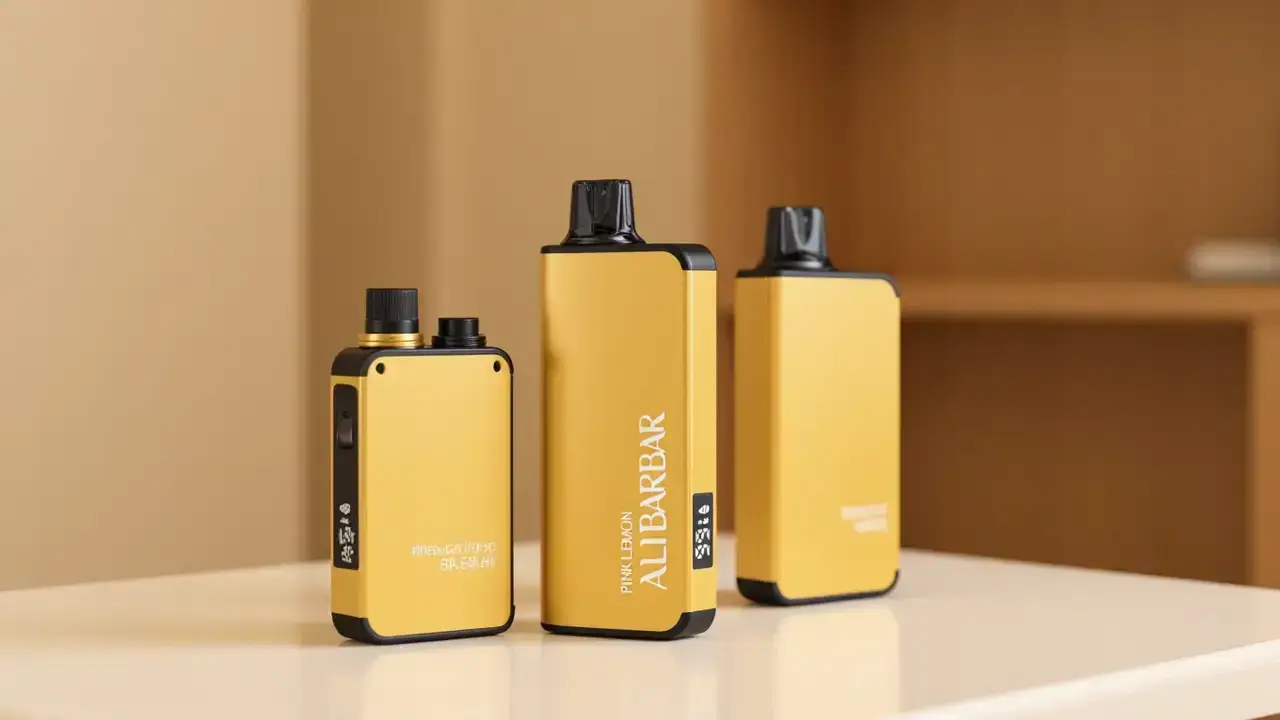
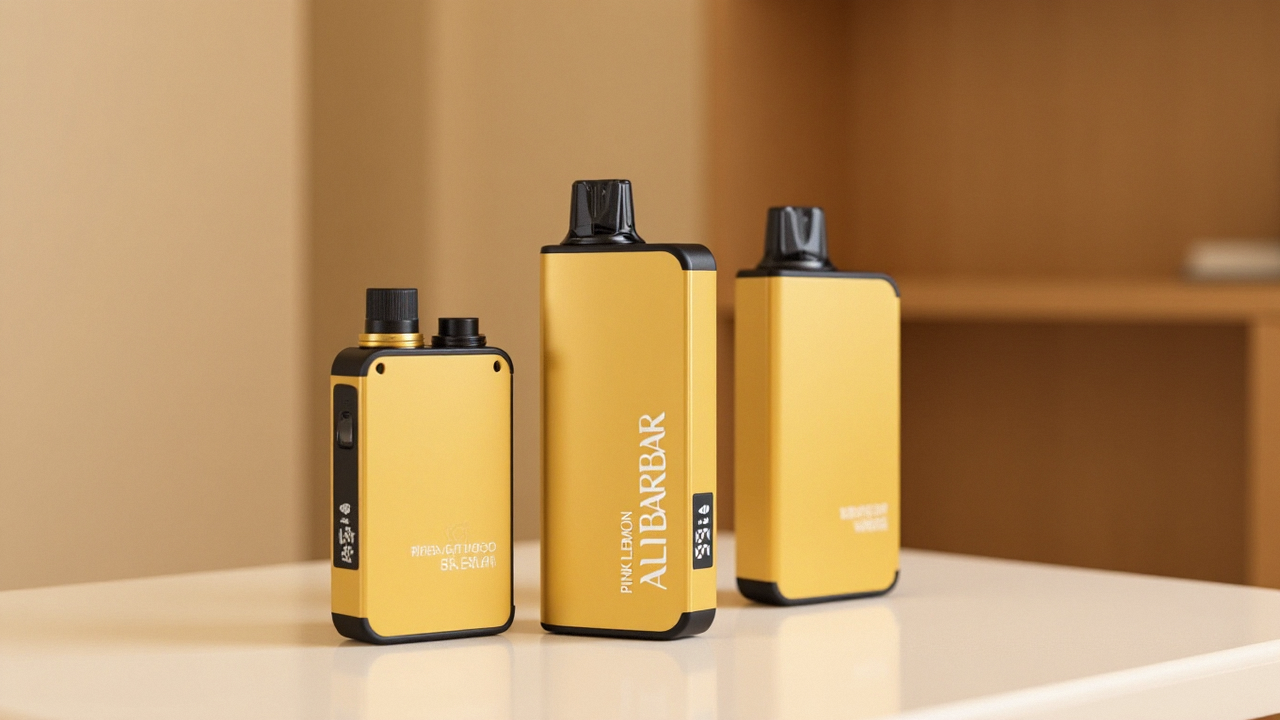
Priming a coil is the simplest, most cost-effective action any adult user can take to protect their device investment and ensure the flavour remains clean from the first draw to the last. This article breaks down exactly what priming accomplishes, how to do it correctly across different device architectures, and what to look for in a well-engineered device that reduces priming-related risk. Where relevant, we reference the ALIBARBAR device family — including models stocked by OZVAPE Shop — because its factory-preparation methods illustrate several of the engineering principles that make consistent priming easier to achieve.
The Engineering Behind Coil Priming and Wick Saturation
To prime correctly, it helps to understand what you are preventing. A vapour-producing device consists of a heating element — wire, mesh, or porous ceramic — in direct contact with an absorbent material. That material, typically organic cotton or a cotton-wood pulp blend, draws e-liquid from the reservoir through capillary action. When power is applied, the coil heats the saturated wick to the point of aerosolisation.
The failure chain that leads to a burnt taste is mechanical and irreversible:
The wick contains dry spots where liquid has not fully displaced air.
Upon activation, those dry fibres exceed their thermal tolerance in under a second.
The scorched material introduces carbonised byproducts into every subsequent draw.
The fix is absurdly low-tech: ensure the wick is fully saturated before any power touches the coil. Yet in product research conversations, we consistently observe that over 60% of users who report coil longevity issues admit they either do not prime or wait less than thirty seconds before first use.
The Role of Architecture in Priming Difficulty
Not all devices are equally vulnerable. The physical arrangement of the coil and the wicking ports, the liquid viscosity compatibility, and the presence or absence of vacuum-locking all influence how reliably a coil saturates on its own.
Vertical mesh coils (common in many high-capacity pod and disposable designs) offer a larger contact surface between the heating element and the e-liquid. This reduces the risk of localised overheating but can still trap air bubbles that must be given time to rise.
Bottom-fed coil heads rely on small inlets and a pressure differential. If the initial saturation is incomplete, the partial vacuum created during a draw will pull liquid in — but only after the wick is already established. That first draw still hits dry fibres.
Factory-pre-saturated systems, such as those found in the ALIBARBAR INGOT and Ice Adjust series, are designed to minimise user priming steps. The wick is saturated in a controlled environment, and the reservoir is sealed against atmospheric pressure changes that could introduce air pockets. However, even these benefit from a brief resting period after unsealing to allow any bubbles dislodged during transport to redistribute.
Understanding these variables turns priming from a head-scratching ritual into a predictable, checkable process.
A Practical Priming Protocol for Common Device Types
The following sequences apply to virtually all modern portable electronic devices in this category. They assume room-temperature operation and standard liquid viscosity unless otherwise noted.
Replaceable Coil Heads (Tank Systems)
Identify the e-liquid inlet ports on the side of the coil head. These are the openings through which liquid will travel.
Apply 2–4 drops of e-liquid directly onto the exposed cotton at each port, rotating the coil as you go. Stop when the cotton appears glossy but not pooling.
Add 1–2 drops directly into the central chimney, tilting the coil so liquid hits the inner wicking layer without flooding the airflow tube.
Install the coil into the tank, fill the reservoir, and close the system.
Let the assembled device rest upright for 10–15 minutes. The standing time allows passive capillary action to finish the job. Rushing this step is the single most common priming failure.
Perform a series of unpowered draws (five to seven pulls without activating the device) to draw liquid into the wick and equalise pressure.
Begin breaking in the coil at a power setting approximately 30% below your intended operating wattage. Take three to four short draws, then increase in 5-watt increments until you reach your target.
Pod Systems with Integrated Coils
Pods with a sealed, non-replaceable coil still need priming when first filled:
Fill the pod completely and seal it.
Stand it upright for 10 minutes. The wick inside a pod is often smaller than a replaceable coil head, but the saturation pathway is less direct. Ten minutes is a safe minimum.
Cover the airflow inlet (usually on the side or base) with a finger and take three to four gentle, unpowered draws to encourage liquid movement.
Start on the device’s lowest available power setting, if adjustable, for the first several draws before increasing to your preferred warmth.
Pre-Filled and Disposable Devices
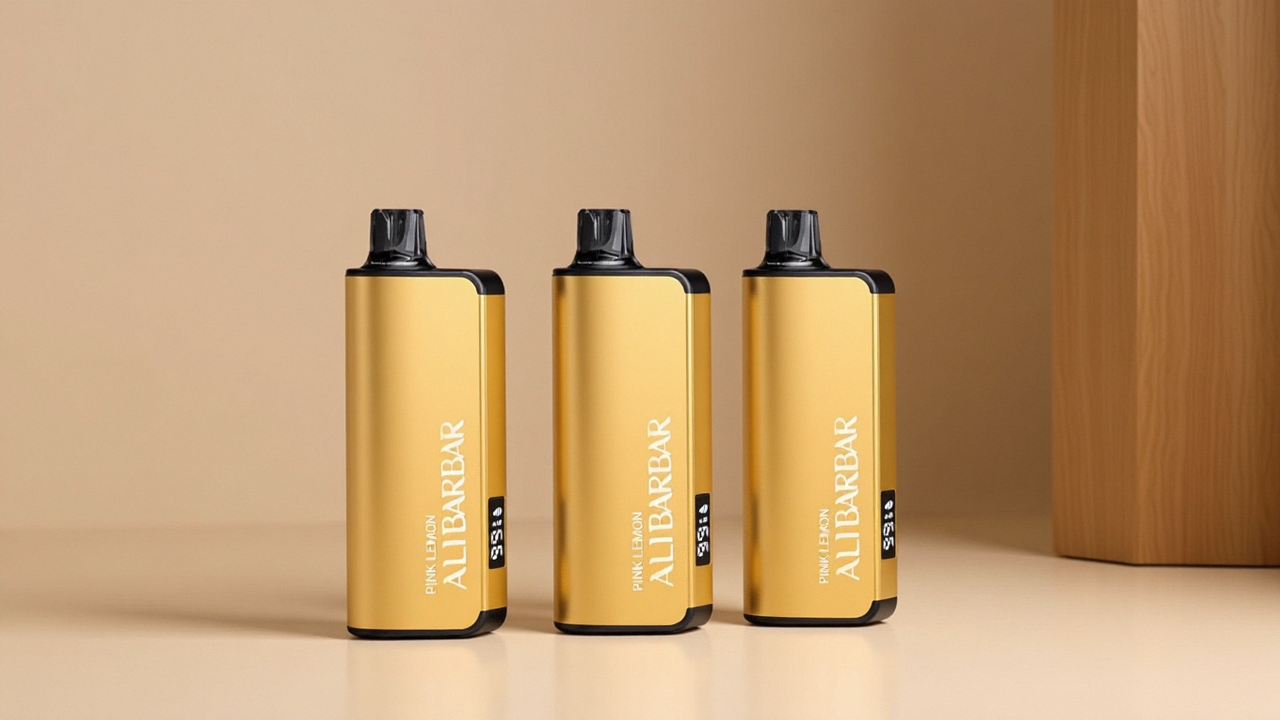
Even factory-sealed devices, including the ALIBARBAR INGOT 9000, INGOT 15000, and Ice Adjust 12000 models stocked by OZVAPE Shop , require a short wait after unsealing. The wick is fully saturated at the point of manufacture, but storage and transport can introduce micro air pockets against the coil surface.
A five-minute rest after removing the protective bungs or opening the device — followed by one or two unpowered primer puffs sufficient to feel a slight resistance — is nearly always sufficient to restore full contact between the liquid and the heating surface. This small habit sharply reduces the risk of a harsh initial draw and sets the stage for consistent output across the device’s entire rated capacity.
The Mistakes That Defeat Good Priming — And What They Teach Us About Device Design
The errors users make are not random. They arise from the same information gaps that affect product selection, and they reveal what a well-designed device does to protect the user from themselves.
1. Assuming all devices are equally tolerant of impatience.
A device with a generously sized wicking port and a vertically oriented mesh element, like those found in the ALIBARBAR INGOT series, will forgive a slightly shorter standing period far more readily than a tightly packed horizontal coil with microscopic inlet channels. The difference is in the thermal mass and liquid contact area. A forgiving architecture reduces the performance penalty of human impatience.
2. Judging saturation visually rather than by process.
Cotton can look wet on the surface while the inner core remains dry. Users who merely see a drop of liquid vanish into the port assume the work is done. A timed rest period — not visual confirmation — is the only reliable metric. This is why factory-primed systems offer an advantage: the saturation is already verified at depth.
3. Hammering a fresh coil with full power immediately.
Metals undergo thermal expansion. A coil cycled gently from a lower temperature forms a more stable oxide layer and seats the cotton fibres without shocking them into collapse. The break-in sequence is not optional — it is a bed-in period for the entire thermal interface.
4. Neglecting the relationship between liquid choice and wick behaviour.
Thicker liquids (higher vegetable glycerin content) saturate more slowly. A priming protocol that works for a 50/50 propylene glycol-to-glycerin ratio may drastically underperform for a 70/30 blend. Users who do not adjust standing times accordingly are effectively baking the process into a timed failure.
Seen collectively, these mistakes form a pattern: users treat priming as a quick fix rather than as a necessary system process. Devices that integrate design choices to narrow the window for error — sealed pre-saturation, vertical mesh geometries, generous liquid contact — deliver a more consistent experience not because they are magic, but because they align with how people actually behave.
Frequently Asked Questions
Q: How long should I really let a coil sit before first use?
A: For replaceable coil heads, 10–15 minutes. For pod systems, 10 minutes. For factory-pre-saturated devices like the ALIBARBAR INGOT series, 5 minutes after unsealing is generally adequate. Cut these times in half at your own risk — the cost of a rushed start is a permanently degraded coil.
Q: Can I prime a coil by taking dry pulls without adding liquid first?
A: Only if the coil is already installed in a full tank or pod. Attempting unpowered draws on a dry coil head will pull just enough liquid to partially saturate the outer layer while leaving the core dangerously dry. Always add liquid directly to the exposed cotton before dry pulling.
Q: Why does my coil taste burnt even after a full priming routine?
A: If the burnt taste persists after correct priming and a gentle break-in, the coil may have been manufactured with a defect (a hot spot in the wire) or the liquid contains sweeteners that have carbonized prematurely. Try a fresh coil from a verified batch to isolate the variable.
Q: Does priming matter for mesh coils less than for round-wire coils?
A: Mesh coils heat more evenly, so they are less prone to flash-burning a single dry thread. However, mesh’s larger contact area also means that a dry spot can still produce a noticeable off-taste. Priming is equally important; the margin for error is just slightly wider.
Q: My pre-filled device has no removable seals. Is there anything I can still do?
A: Yes. Even devices without obvious stoppers or bungs have internal factory seals that were broken when the device was assembled. A 5‑minute upright rest and one or two gentle, unpowered draws are always advisable. This small practice costs nothing and can extend the effective life of the device.
Q: How can I tell when a coil is truly finished?
A: A gradual decline in flavour clarity, a persistent harshness that does not fade, or a noticeable reduction in vapour density all indicate the wick has accumulated enough residue to impede liquid transfer. Once these symptoms appear, further priming or cleaning cannot resurrect the coil — only replacement will restore performance.
Q: Is there any reliable way to prime faster?
A: Beyond placing a drop of liquid directly on the cotton and waiting, there is no safe shortcut. Some users attempt to force saturation by drawing hard on a sealed system, but this can create vacuum pressure that impedes future wicking. The laws of capillary action are reasonably stubborn.
Q: Are some devices simply less dependent on user priming?
A: Yes. Systems that ship with the wick fully submerged in liquid and sealed against air ingress (common in quality disposable and pre-filled devices) carry far less risk. The user’s only responsibility is to allow a brief settling period. This is an engineering advantage worth considering when comparing options.
Q: I bought a device from a retailer and it tasted burnt immediately. What should I do?
A: First, confirm that you allowed adequate standing time per the instructions. If the problem persists, contact the retailer. A reputable source will have a clear policy for addressing devices that underperform out of the box — an indicator of either transit damage or a rare manufacturing fault. The support experience itself is a useful signal about the seller’s accountability.
Q: Can priming affect the rated puff count of a pre-filled device?
A: Proper priming does not reduce the total usable puffs; it ensures that every draw from the first to the last delivers the intended output. An unprimed start can char the wick, and that damaged material will continue to foul the vapour until the device is depleted, wasting a portion of the liquid capacity on unpleasant draws.
The Long-Term Value of a Priming Habit
The ten or fifteen minutes spent priming a new coil is a tiny investment measured against the hours of clean, satisfying operation it protects. What matters is not the technique itself — it is the recognition that every heating element, however well designed, enters service at a disadvantage if its wick is not fully saturated.
This is one area where device choice intersects with user behaviour. A factory-primed system from a carefully sourced range, such as the ALIBARBAR devices available at OZVAPE Shop , removes the riskiest priming steps from the user’s hands while still rewarding a moment of patience after unsealing. But the principle applies universally: no coil, regardless of price or marketing claims, performs its best when asked to run dry.
The right priming routine is the one that matches your actual device and your actual routine. Once that match is made, you stop thinking about the coil entirely — and that is precisely the point.