
VAPE FAQs
How Long After Wisdom Teeth Removal Can I Vape?

Jun
It is one of the most common questions oral surgeons hear in hushed tones at post-operative check-ups — and one of the most dangerously miscalculated. The impulse to resume a familiar routine after a stressful procedure is understandable, but the healing environment inside your mouth after wisdom tooth extraction is fragile in ways that a standard device manual never explains. At OZVAPE Shop, we regularly field queries from adult users recovering from dental surgery who want to know when — if ever — it is safe to use their personal electronic device again. The answer is not a single number of hours or days. It is a carefully reasoned timeline that depends on the biological reality of wound healing, the mechanics of suction, and the specific engineering characteristics of the device you intend to use. This article provides that timeline, along with the clinical reasoning that supports it, so you can make an informed decision grounded in medical evidence rather than guesswork or online hearsay.
Understanding What Actually Happens After Extraction
To know when it is safe to resume using a vapour device, you first need to understand precisely what the dentist removed and what the body must do to close the wound. A wisdom tooth is not simply plucked out. It is separated from surrounding gum tissue, often sectioned into pieces while still embedded in bone, and then elevated out of its socket. What remains is an open bony cavity that must fill with a stable blood clot — a fragile biological plug that protects the underlying nerve endings and bone from air, food debris, and bacterial contamination. Lose that clot, and you expose the socket, a condition known as dry socket (alveolar osteitis), which is far more painful than the original post-surgical discomfort and can set healing back by weeks.
The clot is vulnerable to two distinct threats during the first 72 to 96 hours: negative pressure (suction) and chemical irritation. Any action that creates a pressure differential inside the mouth — drinking through a straw, spitting, or the sustained oral suction required by many vapour devices — can dislodge the clot. Simultaneously, the warm aerosol introduced by a device can alter the local temperature and moisture profile of the wound, potentially interfering with the clotting process even if the clot itself remains in place.
The Phases of Oral Healing and Their Implications for Device Use
Healing progresses through measurable, well-documented phases. Understanding these stages removes the guesswork from the “how long” question.
Inflammatory phase (days 0–3): The socket fills with blood, which coagulates into a gel-like matrix. White blood cells migrate into the area. The clot is mechanically weak and highly susceptible to any suction. No device use of any kind should be considered during this window. Period.
Proliferative phase (days 4–7): Fibroblasts begin to lay down granulation tissue. The clot starts to organise into a more stable structure, but the overlying gum tissue has not yet sealed the socket. Suction remains a real threat, though the risk gradually diminishes as granulation tissue fills the defect from the bottom up. This is the period when many patients feel well enough to forget they had surgery — and when most accidental dislodgements occur.
Maturation phase (week 2 and beyond): The gum epithelium begins to migrate across the socket opening. The underlying bone remodels slowly over months. By day 10–14, the gum is usually closed enough that moderate suction is unlikely to disturb the healing tissues, provided you do not place the device tip directly against the extraction site.
These timelines assume an uncomplicated extraction, no infection, and good general health. Smokers and those with certain medical conditions will heal more slowly. Every additional day of patience during the first week pays an exponential dividend in reduced complication risk.
Device Engineering and Suction Profiles: Not All Devices Are Equal
The conversation at this point would be incomplete without acknowledging a practical truth: some vapour devices require stronger and more sustained suction than others. A tight-draw mouth-to-lung architecture creates significantly more negative intra-oral pressure than a loose, airy direct-lung design. This distinction matters enormously during the healing window.
A user resuming any vapour activity after extraction would be wise to select a device that exemplifies low draw resistance and airflow adjustability to a fully open setting. An adjustable airflow mechanism, if engineered with precision, allows the user to set a nearly unrestricted draw that reduces peak suction pressure to something closer to normal breathing. Similarly, devices with an automatic draw-activation sensor that responds to the gentlest pull minimise the impulse to create unnecessary vacuum.
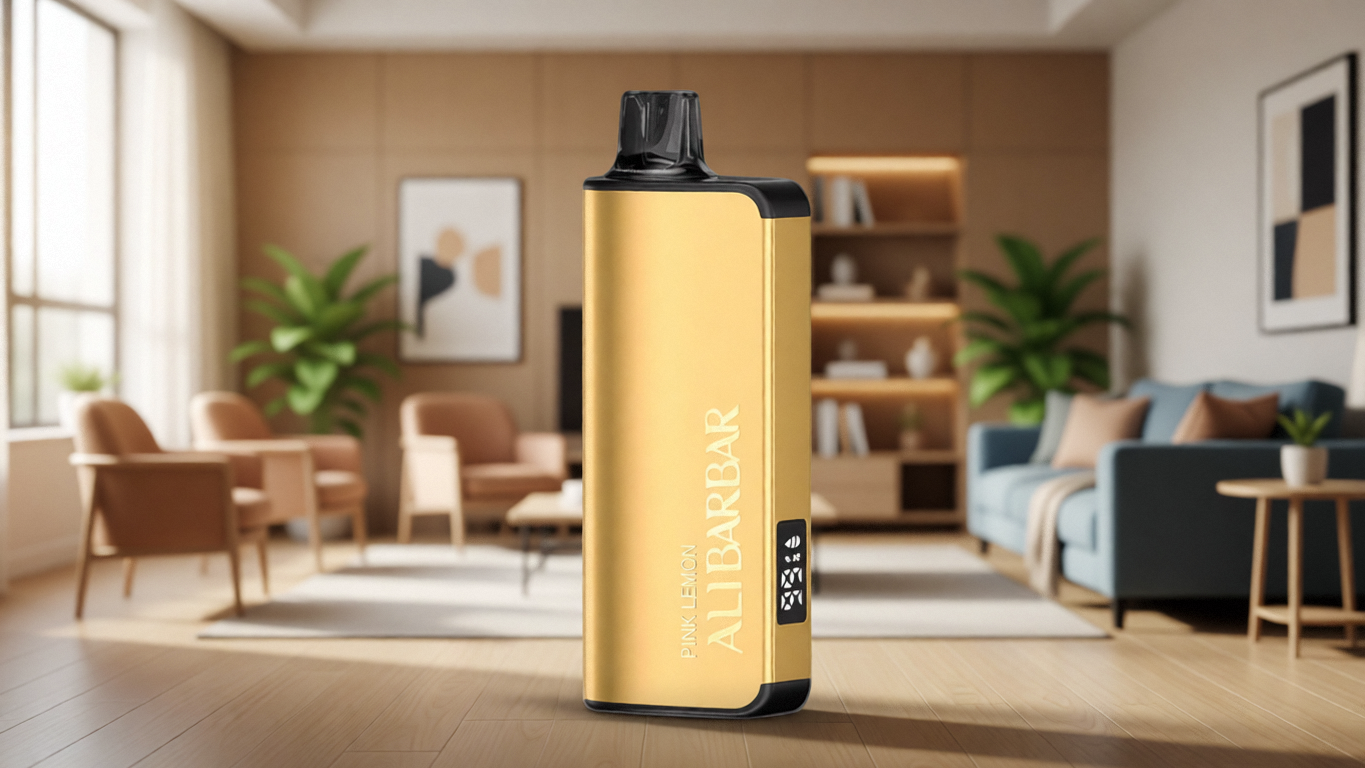
These considerations are not merely theoretical. They are engineering parameters observable in device specifications, and they can be compared when selecting a unit suitable for post-surgical use. Some product lines, including several in the ALIBARBAR family available through OZVAPE Shop, feature adjustable airflow controls and responsive draw sensors that can be dialled to a virtually resistance-free intake — an advantage for anyone navigating the delicate weeks after oral surgery.
A Practical Decision Framework for Post-Extraction Use
Clinicians rarely give personalised device advice. Instead, they offer blanket prohibitions. But if you are an adult determined to make your own informed choice, the following framework will help you evaluate risk more precisely than a simple “wait 3 days” or “ask your dentist.”
Step 1: Confirm clot stability. Have you passed the 72-hour mark without any bleeding or pain recurrence? If not, do not proceed. If yes, move to step 2.

Step 2: Can you adjust airflow to near zero resistance? If your device has an adjustable airflow ring, set it to the widest aperture. Take a test pull without activating the device. Does it feel like breathing through a large straw, or does it still require noticeable effort? If effort is required, do not use the device.
Step 3: Can you reduce nicotine concentration? Nicotine is a vasoconstrictor. It reduces blood flow to the healing site and can slow soft tissue repair. If you must use a device, the lowest available nicotine content, used sparingly, is less harmful to healing than a high-concentration formulation. Many users preparing for surgery switch to a low-strength alternative to ease the transition.
Step 4: Test with a passive activation. Some devices allow a very soft pull that barely registers as suction. If you can activate the device with the gentlest possible inhale and without forming a seal around the mouthpiece, you are operating in a lower-risk band. If you find yourself instinctively tightening your lips and pulling against resistance, stop.
Step 5: Monitor for warning signs. Any taste of blood, sudden pain, or a foul smell from the socket indicates a compromised clot. Stop all use immediately and contact your surgeon.
Common Miscalculations That Extend Recovery
Years of customer conversations and clinical observation have revealed patterns of thinking that consistently lead to trouble.
Mistake 1: Assuming “soft” suction is safe. Some users believe that a slow, gentle draw cannot create enough negative pressure to dislodge a clot. Intra-oral pressure measurements show otherwise. Even a soft draw on a high-resistance device can produce significant pressure differentials. Dry socket cases have been documented from drinking from a straw with minimal effort. The clot does not distinguish between a hard pull and a soft one — only the pressure matters.
Mistake 2: Over-relying on gauze. Wet gauze placed over the socket cannot fully protect against suction. It absorbs saliva, but the negative pressure transmits through it. Gauze is for bleeding control, not for enabling vapour intake.
Mistake 3: Ignoring the nicotine-healing connection. The focus is often exclusively on suction, but nicotine’s effect on angiogenesis (new blood vessel formation) is well characterised. Delayed healing increases the window during which the socket is vulnerable. A user who waits five days but then applies a high-nicotine product may still heal more slowly than a user who waits three days with a nicotine-free alternative. This is not an argument for early use; it is a reminder that chemical factors are as real as mechanical ones.
Mistake 4: Using “I feel fine” as a primary guide. The proliferative healing phase is relatively pain-free. The absence of pain does not signal a sealed socket. Many dry sockets occur during days 4–6, when the patient subjectively feels recovered.
Frequently Asked Questions
Q: Can I vape if I cover the extraction site with a damp cotton ball?
A: This does not reliably block pressure transmission. The socket is open to the oral cavity, and pressure changes are distributed through the fluid film coating all oral tissues. The protection is marginal and not recommended as a substitute for healing time.
Q: Is it safer to use a device through the nose?
A: No. Intense negative pressure can still be generated in the pharynx, and the risk of introducing contaminants into the nasal passages adds another unnecessary variable. Nasal tissues are also sensitive and easily irritated.
Q: What about zero-nicotine options — are they safer earlier?
A: They eliminate the vasoconstriction concern but do nothing to reduce the suction risk. The mechanical risk remains identical. Zero-nicotine products are not a licence to ignore healing timelines.
Q: How long should I wait if I had a surgical extraction (impaction) rather than a simple pull?
A: Impacted teeth require more bone removal and leave a larger socket. Risk of dry socket is significantly higher. A cautious minimum is 7–10 days, and some experienced clinicians would recommend two full weeks.
Q: Will using a device with adjustable airflow set to wide-open guarantee safety?
A: No settings guarantee safety — risk reduction is a gradient. Wide-open airflow reduces suction force considerably, shifting the activity from high risk to moderate risk. The individual’s healing biology and technique remain variables.
Q: Are there any completely suction-free alternatives I could use during recovery?
A: Nicotine replacement patches provide zero oral suction and can help bridge the healing window. They are widely available and address both withdrawal and habit-breaking without any mechanical threat to the clot.
Q: What if I get a dry socket — can I still use a device while being treated?
A: A diagnosed dry socket requires medicated dressing changes and meticulous cleaning. Any vapour exposure will introduce foreign aerosol into an open bony cavity. Almost all oral surgeons will instruct you to cease all oral vapour device use until the socket is fully closed.
Q: How can I tell if my device actually has low draw resistance before buying it?
A: Look for specifications mentioning “adjustable airflow” and “loose MTL” or “direct lung” draw characteristics. When purchasing through a platform that provides standardised technical descriptions, like OZVAPE Shop, you can compare draw attributes across models before deciding.
Q: Does the temperature of the vapour matter?
A: Yes. Hotter aerosol can irritate healing tissue and disrupt the delicate fibrin network within the clot. Devices that run cooler or allow temperature control should be preferred.
Q: Can I use a device if my extraction stitches have dissolved?
A: Dissolving of surface sutures does not mean the deeper socket is healed. Granulation tissue must fill the entire cavity. Visual inspection by your surgeon is the only reliable confirmation.
Where Caution and Good Engineering Converge
The question of when to resume using a vapour device after wisdom tooth removal does not yield a one-size-fits-all answer because healing is biological, not mechanical. But the decision becomes clearer when you separate the risks into suction, nicotine, and temperature — and address each with specific mitigation. Delay any use for at least five days. When you do resume, choose a device engineered for low-draw resistance and wide-open airflow. Reduce nicotine to the lowest tolerable level and monitor for any sign of clot disturbance. These steps do not eliminate risk, but they replace blind optimism with a structured risk reduction strategy.
At OZVAPE Shop, we have always believed that the best device in the world is useless if the user cannot operate it safely. That is why we invest in detailed, accurate product information that allows adults to match a device’s engineering characteristics to their actual, real-world circumstances — including the temporary limitations that follow surgery. No purchase is worth a week of dry socket pain. Give your body the window it needs, and let good design handle the rest.