VAPE FAQs
How To Make Vape Come Out Of Nose?
Jun
Most adult users discover vapour devices through the simple act of mouth‑to‑lung inhalation. It is familiar, undemanding, and close to instinct. Yet after weeks or months, a quiet realisation often settles in: you are leaving a significant portion of the sensory experience untouched. The nose is not just an airway; it is the seat of retronasal olfaction, responsible for the majority of what we perceive as “taste.” If you are not occasionally directing vapour through your nasal passages, you are effectively listening to music with half the instruments muted.
This article is a technical, anatomy‑respecting guide to exhaling vapour through the nose safely, consistently, and with maximum flavour fidelity. It does not assume any prior knowledge of the technique, nor does it gloss over the discomfort that can come from poor execution. Along the way, we will touch on the device characteristics that make nasal exhales smoother and why your choice of equipment — especially when sourced through a supplier that verifies authenticity, such as OZVAPE Shop — plays a quiet but decisive role in the whole affair.
Understanding Nasal Exhale: Anatomy, Safety, and Sensory Gain
Before covering the “how,” it is worth clarifying the “why” in physiological terms. Your olfactory epithelium sits high in the nasal cavity. When you inhale vapour through the mouth, volatile aroma compounds largely bypass this region unless you deliberately redirect them. A nasal exhale does exactly that: it pushes the vapour stream backward from the throat up into the nasopharynx and out through the nostrils, bathing the olfactory receptors in a concentrated burst of the same compounds that define a device’s flavour output.
Safety consideration — The nasal mucosa is sensitive, richly supplied with blood vessels, and not reinforced by the protective keratinisation found in the mouth. Ramming hot, dry, or excessively dense vapour through this tissue can cause immediate irritation, nosebleeds, or longer‑term discomfort. Any technique guide must therefore begin with a clear statement: if you feel stinging, burning, or dryness, stop. Properly executed, a nasal exhale should feel smooth, flavourful, and entirely lacking in acute physical sensation.
How to Perform a Nasal Exhale: Step‑by‑Step
Bring vapour into the mouth, not the lungs. Close your lips around the mouthpiece and draw gently, allowing the mouth cavity to fill with vapour. Keep the throat closed — this is a mouth‑hold, not a pulmonary inhale.
Let the vapour rest for a moment. A pause of one to two seconds allows the aerosol to cool slightly and turbulence to settle.
Open the soft palate. This is the muscle you move when transitioning between breathing through your nose and mouth. Consciously releasing it creates a passage from the back of the throat into the nasal cavity.
Push gently upward. Use your tongue and cheek pressure, not your lungs. A slow, controlled pulse of air from the mouth pushes the vapour through the nasopharynx and out the nostrils. There should be no forceful blowing.
Observe the stream. If performed correctly, you will see a twin‑plume of vapour exit the nostrils in a thin, steady ribbon. The flavour intensity will spike noticeably before fading.
Common stumbling point: Many first‑timers use lung pressure to force vapour out, which generates a harsh, turbulent stream and often causes a burning sensation. The difference between a pleasant retrohale and an uncomfortable one lies almost entirely in the gentleness of the push and the temperature of the vapour at the moment it enters the nose.
Device Characteristics That Affect Nasal Exhale Comfort
Not all vapour is equally suited to nasal passage. Two device‑level variables dominate:
Vapour temperature at the mouthpiece. High‑wattage, sub‑ohm devices that produce large, warm clouds can overwhelm the nasal mucosa. Compact, lower‑output units with efficient coil‑to‑mouthpiece cooling paths tend to deliver a smoother experience. This is not a matter of “better” or “worse” — it is a matter of suitability. If your current device runs hot, you can mitigate the effect by reducing the inhalation duration or cooling the vapour in the mouth longer before attempting a nasal exhale.
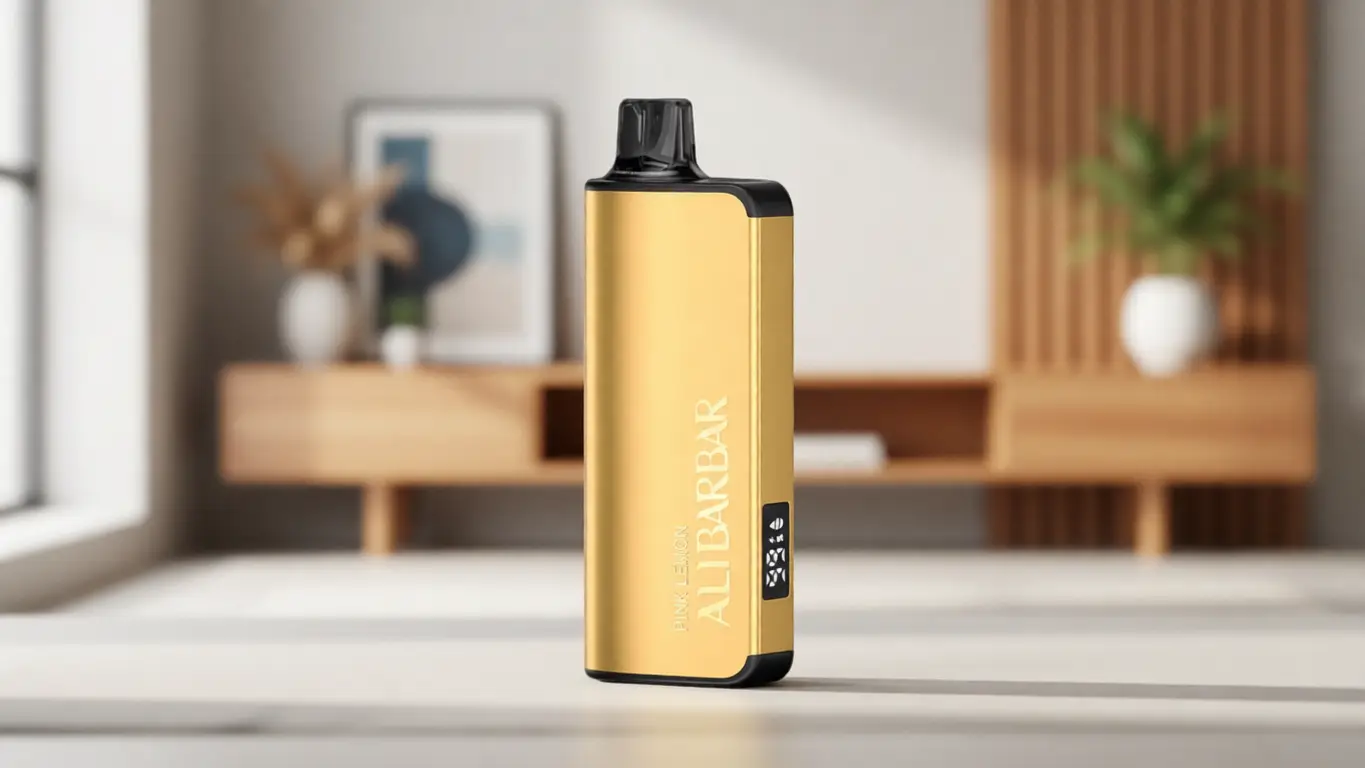
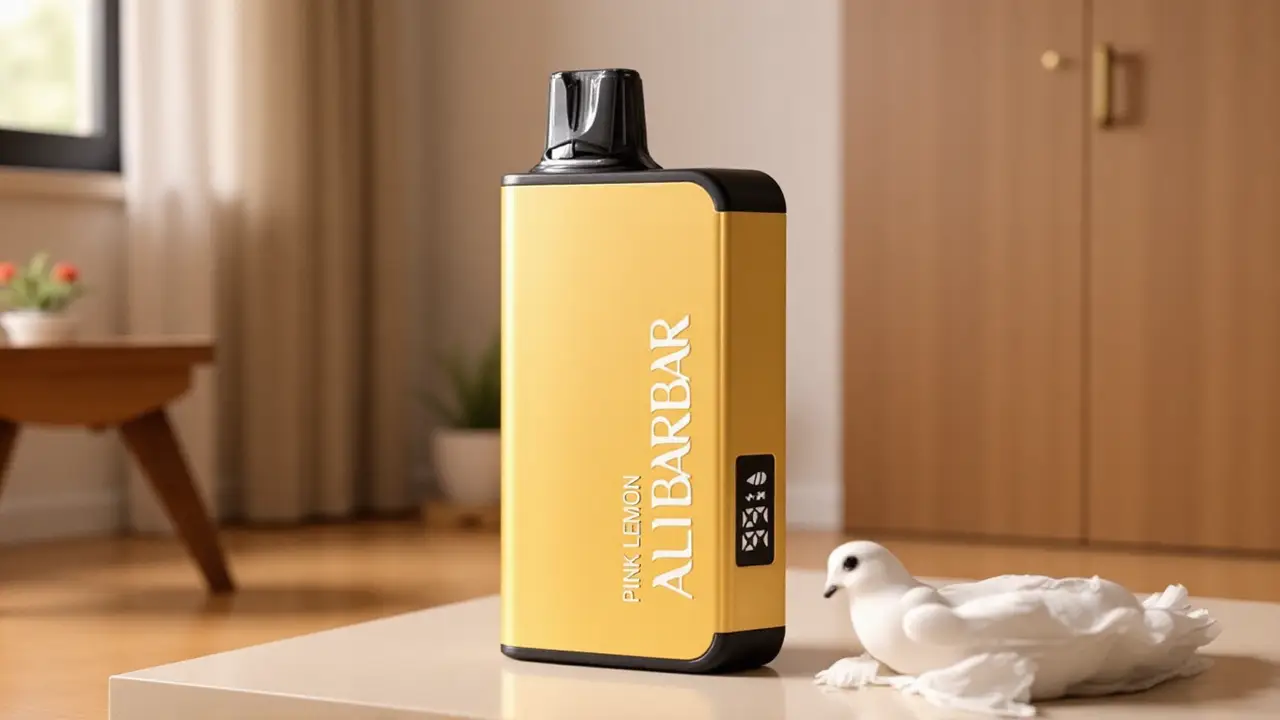
Flavour delivery consistency across the device’s lifecycle. Devices that maintain stable coil resistance and wicking over their useful life produce a predictable vapour density, which makes it easier to master the nasal exhale without adjusting technique from session to session. Many users report that devices from the ALIBARBAR Ingot series, for example, exhibit notably stable output from first use to last, which reduces the trial‑and‑error burden when learning sensory techniques.
These engineering subtleties are rarely highlighted in product descriptions but matter considerably when you are trying to build a repeatable, irritation‑free routine.
A Practical Framework for Learning the Nose Exhale
Instead of treating the nasal exhale as a binary skill — “I can do it” or “I can’t” — approach it as a gradient. Use the following self‑diagnosis prompts to locate where you are and what to adjust:
Can you produce any vapour from the nostrils without discomfort?
If yes, but flavour is weak: you are likely bypassing the olfactory area. Try a slower, longer push with more mouth‑held vapour.
If no vapour emerges: your soft palate is not opening fully. Practise with a warm saline rinse to become conscious of the muscle movement.
Does the vapour feel warm or stinging?
Reduce the vapour temperature: draw less vapour into the mouth, hold it for 2–3 seconds longer, and use a gentler push.
Is the stream uneven or exiting one nostril only?
Natural nasal asymmetry is normal. If one passage is consistently blocked, gently clear it before the session.
Integrating the technique into regular use is straightforward: reserve the nasal exhale for the final portion of each draw, after a standard mouth exhale has removed the warmest, densest vapour. This hybrid method gives you both the habit‑comfort of mouth exhaling and the flavour boost of retronasal exposure.
Common Mistakes and Industry Observations
Across user forums and direct feedback, several patterns recur that derail what should be a straightforward skill:
1. Confusing force with control.
Tightening the diaphragm and squeezing vapour through the nose like a deflating balloon is the single most common error. It can cause immediate burning and a lasting aversion to the technique. The correct action is more akin to letting vapour “float” upward by maintaining a gentle intraoral pressure.
2. Using devices with inconsistent vapour production.
If a device’s output fluctuates — often due to irregular coil heating or poor wicking — the nasal exhale becomes a lottery. A harsh draw mid‑session can trigger a cough reflex right when the vapour is at the back of the throat, making the technique impossible to practise safely. This is one reason why seasoned users gravitate toward equipment with proven output stability: it eliminates a variable that is hard to see but immediate in its consequences.
3. Ignoring hydration.
Dry mucosal tissue is more sensitive to vapour compounds. A hydrated nose is more resilient. The difference before and after a glass of water can be dramatic.
4. Assuming all flavours work equally well.
Menthol‑forward and cooling profiles tend to cause mild nasal tingling that some users misread as irritation. Conversely, warm dessert‑type flavours can feel smoother but may leave a heavier residue sensation. Experimentation across your existing range is the only way to map your personal tolerance.
From an industry vantage point, it is worth noting that the growing availability of low‑temperature, high‑efficiency coil systems has made nasal exhale a much more accessible technique than it was even three years ago. Manufacturers increasingly recognise that flavour sensitivity is a purchasing driver, and they engineer their devices to preserve volatile aromas that get lost when every exhale goes through the mouth.
Frequently Asked Questions
Q: Is it safe to exhale vapour through the nose regularly?
A: For most adults, yes — provided the vapour is not excessively hot and the nasal mucosa is not already compromised by allergies or infection. If you experience recurring dryness, reduce frequency and stay hydrated.
Q: Can I perform a nasal exhale with any device?
A: Technically, yes. In practice, devices that produce cooler, smoother vapour make the experience far more pleasant and easier to control. High‑output cloud‑chasing setups require greater care and a longer mouth‑cooling interval.
Q: Why do I sometimes taste more flavour through the nose than through the mouth?
A: Retronasal olfaction sends aroma signals to the same brain regions that process taste. Since the olfactory epithelium is significantly more sensitive than the tongue’s taste buds, the nasal route reveals nuance that the mouth alone misses.
Q: My nose burns immediately. What am I doing wrong?
A: Three likely culprits: the vapour is too warm, you are using too much force, or your nasal passages are dry. Try reducing the vapour held in the mouth, holding it for an extra few seconds, and exhaling as slowly as possible.
Q: Does a nasal exhale waste vapour potency?
A: No active compounds are lost more rapidly than during a standard oral exhale. In fact, because the vapour spends more time in contact with mucous membranes, absorption may be marginally higher. The primary purpose, however, is sensory, not bioavailability.
Q: Are there devices specifically designed for nasal exhale?
A: No manufacturer labels a product “nasal exhale compatible.” However, devices with consistent temperature output and tight airflow control — such as the ALIBARBAR Ice Adjust series — give users a more predictable platform to learn the technique.
Q: Can I exhale through one nostril at a time?
A: Yes. Some users find that alternating nostrils offers greater control. Simply occlude the less‑comfortable side with a finger and exhale gently through the open nostril.
Q: How do I know if the retailer I choose stocks authentic devices?
A: A credible retailer will explicitly state that its inventory comes from authorised distribution channels, and will provide batch traceability when asked. OZVAPE Shop, for instance, publicly documents its sourcing practices to remove doubt.
Conclusion
Learning to direct vapour through the nose is not a party trick; it is a practical method for accessing the fuller sensory dimension of what a well‑engineered device can deliver. The technique costs nothing, requires no additional accessories, and can be integrated into an existing routine in minutes once the basic mechanics click. The keys are patience, low force, and a device that does not fight you with unpredictable output.
When your equipment is reliable and your technique becomes second nature, the everyday ritual of using a portable electronic device shifts from merely functional to properly evaluative — you start noticing what the manufacturer put into the flavour, rather than just recognising it. That is the point at which informed selection, the kind supported by transparent retailers like OZVAPE Shop, moves from background theory to daily, tangible benefit.
Ultimately, the right choice of technique, just like the right choice of device, is the one that best matches your actual rhythm of use — not the one that impresses an onlooker. Learn the nasal exhale because it gives you more of what matters, and you will have taken a quiet but real step toward a more self‑aware, satisfying experience.