
VAPE FAQs
How To Make Thc Vape Oil?
Aug
Crafting a THC vape oil at home is not simply a matter of mixing concentrate with a diluent. The subtle art of achieving a stable, flavorful, and consistently vaporizing liquid often fails at the last, most overlooked step: the device. Many outdoor enthusiasts, long-shift workers, and home chefs invest considerable effort into their extraction and formulation, only to have the experience ruined by an inconsistent heating element, a clogged airway, or a power cell that dies without warning. This guide addresses both the formulation and the hardware. It explains why the engineering inside your vaporizing tool matters just as much as the botanicals you put into it, and why a source like OZVAPE Shop has become a reference point for adults who refuse to let substandard equipment undermine their preparation.
Understanding What Matters: Core Engineering and Design Factors
A well-made THC oil demands a well-engineered delivery system. The following factors directly influence whether your oil will taste as intended, last through a session, and avoid common failures like burnt wicks or leaks. We examine these through the lens of real user frustrations — the kind that drive people to carry backup units or abandon a batch entirely.
Internal Architecture and Output Consistency
The architecture of the heating chamber determines how uniformly your oil is converted into vapor. Devices with centrally mounted, vertically oriented ceramic or mesh heating elements tend to distribute heat more evenly across the liquid reservoir. Poorly placed coils, on the other hand, create hot spots that scorch the oil long before the surrounding material is vaporized. This is why users frequently report that a cartridge or pod tastes acceptable for the first day, then develops a burnt, metallic note. The damage is structural: uneven heat degrades the oil, altering its viscosity and accelerating coil fouling. In a well-designed unit, you’ll observe that the vapor production remains steady and the flavor clean throughout the life of the fill, not just when the device is freshly loaded.
Power Management and Status Transparency
The relationship between a power source and a THC oil is delicate. Too much heat, and you risk thermal breakdown of delicate terpenes; too little, and the oil never reaches its optimal vaporization range. A device that allows you to select precise temperature or wattage — and then communicates that state clearly — is more than a luxury. It’s a necessity for anyone who values reproducibility. Ambiguous LED indicators that blink without discernible meaning leave you guessing. You might pull too hard when the coil isn’t ready, flooding the airway. Or you might assume a dead battery is simply “resting” and miss the opportunity to recharge before heading out. The true cost of status ambiguity isn’t just inconvenience; it’s the weight of a second, backup device you carry because you can’t trust the first one.
Physical Design and Material Durability
Beyond aesthetics, the materials used in mouthpieces, chambers, and exterior coatings directly affect how long a device remains serviceable. PCTG and borosilicate glass provide better resistance against the esters and terpenes in your oil than polycarbonate, which can become cloudy or brittle over time. A mouthpiece contoured to sit comfortably between the lips without requiring a tight seal around the entire opening reduces user fatigue during prolonged sessions. Exterior coatings matter, too: a soft-touch finish that wears to a sticky shine after a week in a pocket can feel just as unpleasant as a broken circuit. Devices designed for daily carry use anodized aluminum or high-density resin that resists scratching and maintains a clean grip.
Modularity and Lifecycle Flexibility
Not every user has the same priorities. Some prefer the simplicity of a pre-filled, sealed pod that they can dispose of responsibly when empty. Others need the flexibility to refill with their own THC oil from a syringe, swapping coils as they degrade. A modular architecture that supports replaceable heating cores, adjustable airflow rings, and secure 510-threaded connections offers more than convenience — it reduces per-use cost and allows you to isolate a single failing component instead of discarding the entire unit. However, this flexibility comes with a learning curve. A sealed system minimizes user error but locks you into a fixed lifespan; a modular system gives you control but requires that you understand coil priming, resistance matching, and proper cleaning. Recognizing which trade-off suits your routine is the first step toward satisfaction.
Applying These Criteria to Real-World Options
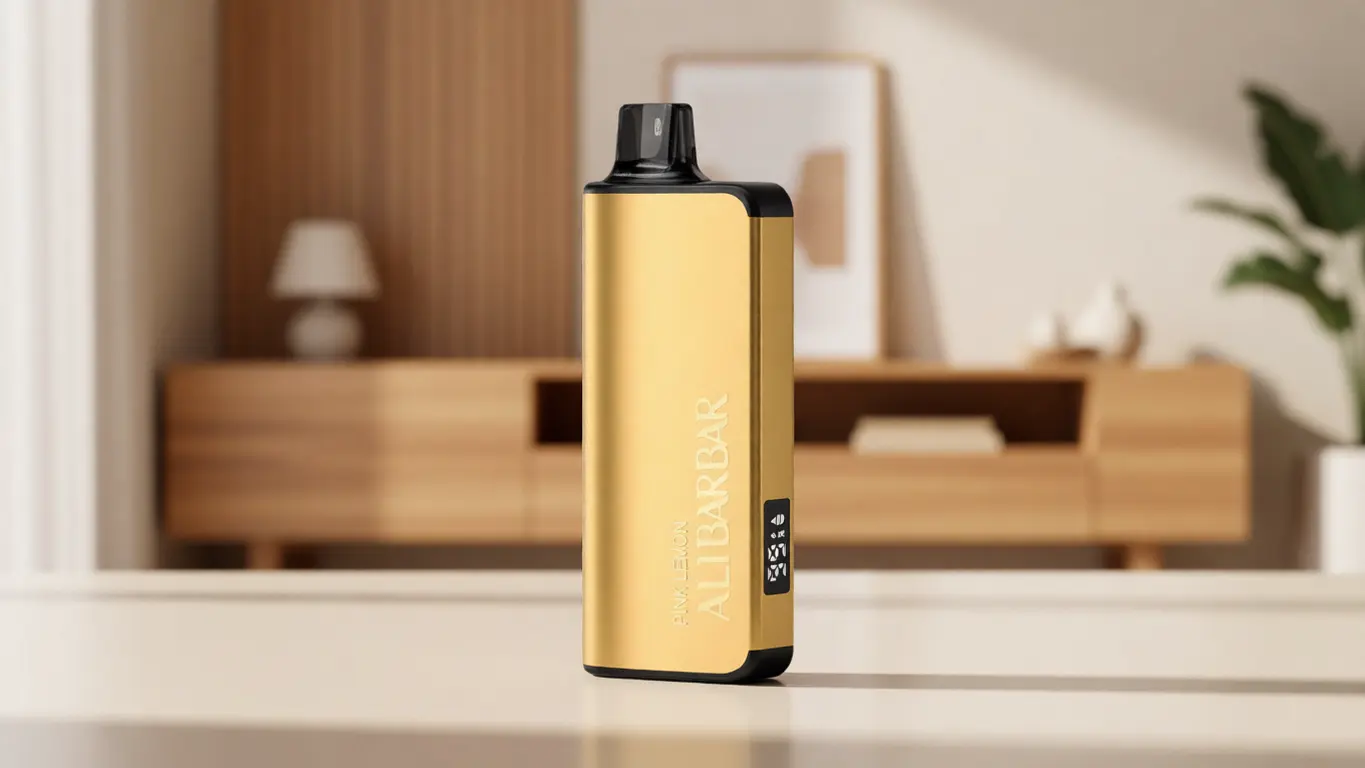
When you turn from theory to actual tools, the ALIBARBAR family stands out for how deliberately it addresses the engineering points above. Available through OZVAPE Shop, these devices are designed with a focus on predictable output and genuine durability, not novelty gimmicks.
Consider the ALIBARBAR INGOT 15000 series. Its heating element utilizes a ceramic core with optimized wicking pathways, which helps maintain consistent temperature even when the oil level drops close to the base. Users who fill their own tanks with home-formulated THC oil report fewer dry hits and a more gradual flavor fade compared to devices that rely on silica wicks. The power system includes a calibrated indicator that shows remaining charge in distinct stages, allowing you to plan recharges rather than react to a dead unit. Meanwhile, the ALIBARBAR Ice Adjust 12000 incorporates an airflow control mechanism that can be stepped down for oils with higher viscosity, preventing the thin, airy draws that frustrate users who prefer a denser vapor. These are not features dreamed up for marketing copy; they are direct responses to the common failure modes we described earlier.
Of course, no design is universally perfect. The INGOT’s substantial battery, while ensuring all-day power for most users, adds a degree of weight that may not suit those looking for an ultra-light pocket carry. And modular units, while user-serviceable, require you to purchase and install replacement pods correctly — a small but real barrier if you’re accustomed to disposable simplicity. The point is that you can identify a device’s strengths and limitations before you fill it, simply by asking the right engineering questions.
A Practical Framework for Evaluation
Whether you are evaluating an ALIBARBAR device or any other tool for your THC oil, the following step-by-step approach will sharpen your judgment:
Determine your oil’s viscosity. If your final oil is thick and honey-like, look for a device with larger wicking ports (1.2mm or above) and a ceramic coil that tolerates gentle preheating. If it’s thinner, a smaller port and lower wattage prevent spit-back.
Check the heating material. Ceramic and mesh elements generally provide more even surface-area heating than standard round-wire coils. Ask: does the product spec sheet mention the coil material explicitly? Vague descriptions are a red flag.
Verify status communication. During operation, can you easily distinguish between a device that is preheating, fully charged, mid-charge, or depleted? If the only feedback is a single blinking light with no pattern key, you will—predictably—carry a backup.
Examine the filling mechanism. For refillable devices, top-fill designs with a secure silicone stopper reduce leakage risk. Push-fit pod systems should snap into place with a physical, audible click, indicating proper alignment.
Assess airflow control. Fixed airflow works for many, but adjustable systems let you tune the draw to match your oil’s behavior under heat. Close it down for thicker oils that benefit from increased capillary action; open it for lighter formulations.
Confirm lifecycle costs. If a coil is replaceable, check the average cost per coil and its rated lifespan in milliliters. Compare that to the price of a sealed pod. Multiply by your monthly consumption. The difference may surprise you.
Common Selection Errors and Industry Observations
Even experienced users fall into traps that a little industry perspective can prevent. Here are three of the most persistent.
First, overweighting battery capacity while ignoring coil efficiency. A 1000mAh battery paired with a poorly wound coil will still produce uneven heat and drain faster than expected because the system compensates for resistance fluctuations. The amp draw and internal regulator quality matter more than the raw mAh number printed on the box.
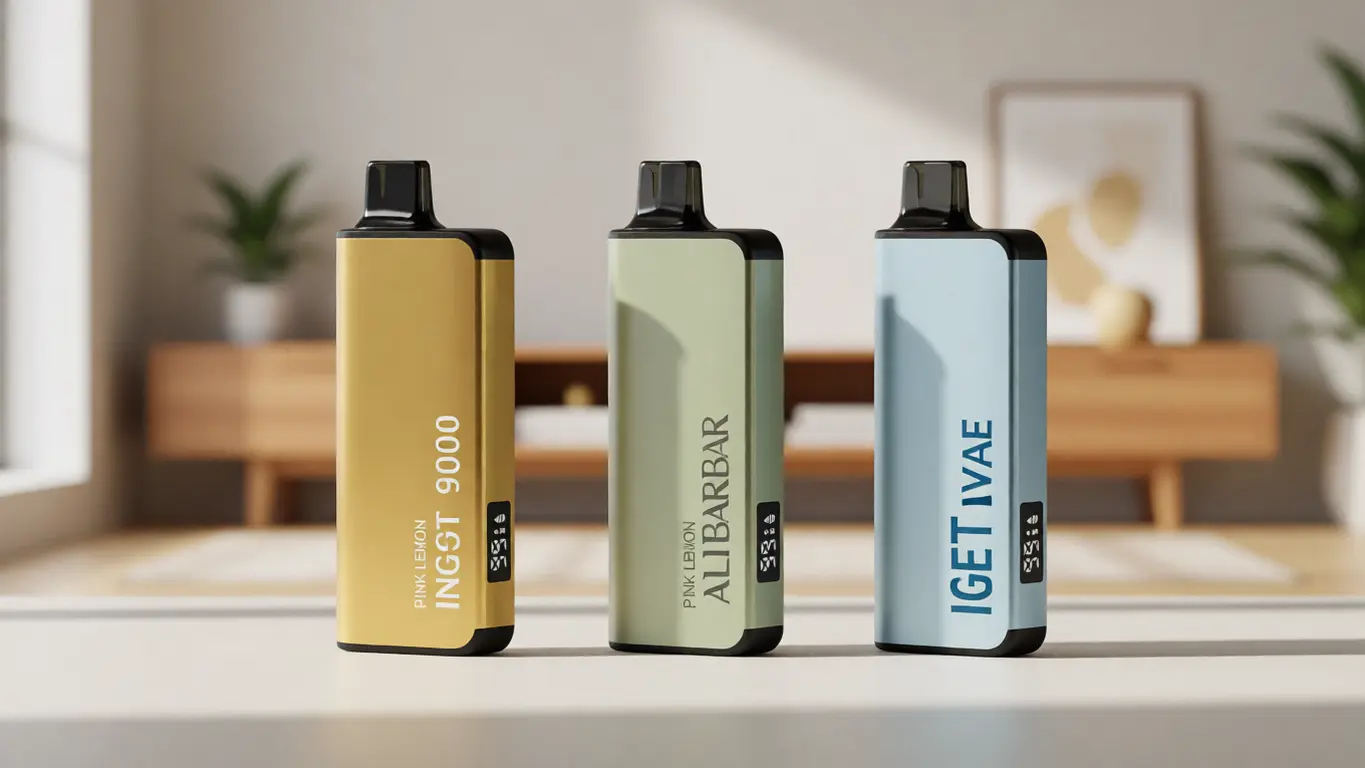
Second, assuming visual similarity means internal equivalence. Two devices with identical silhouettes can have entirely different heating architectures. One may use a vertical ceramic core that wicks from all sides; the other, a single-point wick that can’t keep up. This is particularly common in the unbranded segment, where external molds are shared but internals are sourced from the lowest bidder. Authorized channels like OZVAPE Shop help you avoid this problem because they source directly from factory-certified inventory, ensuring that the device you receive matches the documented specifications rather than a lookalike.
Third, undervaluing modularity in cost-per-use calculations. A disposable all-in-one might seem cheaper upfront, but when you discard the entire unit because a non-replaceable coil fouled after five milliliters, your real cost per session climbs steeply. Over six months, a modular system with replaceable pods often costs less than half of a disposable cycle, especially for those using their own carefully prepared oil.
From a manufacturing perspective, the most reliable devices come from producers who treat the vape as a precision thermal instrument, not a fashion accessory. This means investing in automated coil welding, batch-level resistance testing, and real-world puff-cycle validation. It is a level of quality control that is not always visible on the store shelf but becomes unmistakable after three weeks of daily use.
Frequently Asked Questions
Q: What diluent should I use to make THC vape oil that works with standard ceramic coils?
A: Terpene blends, liquefied THCa, or small amounts of high-purity propylene glycol (PG) are common. A terpene-to-extract ratio of 0.1–0.2 mL per gram usually yields a viscosity compatible with most ceramic coil devices. Avoid vegetable glycerin (VG) because its higher viscosity at room temperature struggles to wick efficiently and can mute flavor.
Q: How can I verify that the device I receive from OZVAPE Shop is an authentic ALIBARBAR unit?
A: Authorized retailers provide factory-encrypted authenticity labels that can be verified through the manufacturer’s official portal. OZVAPE Shop includes these as standard, along with batch-specific information that matches internal supply chain records. If a verification fails, the unit should be returned immediately.
Q: Will a device designed for e-liquid work with my homemade THC oil?
A: Sometimes, but not always. Look for a coil resistance between 1.0Ω and 1.8Ω, and a power range below 12 watts. Sub-ohm coils designed for high-volume clouds generate excessive heat that will degrade your THC oil. Many pod systems originally built for nicotine salt e-liquids, such as select ALIBARBAR models, perform extremely well with cannabinoid oils because they operate in a similar low-wattage, mouth-to-lung zone.
Q: What is the typical lifespan of a coil when used with THC oil?
A: It varies widely based on oil purity and use frequency. Well-filtered, dewaxed extracts can see a coil lasting 10–15 mL before flavor noticeably drops. Oils with higher lipid or plant wax content foul coils faster, sometimes in 3–5 mL. A modular device with replaceable coils lets you manage this cost effectively.
Q: How should I store my filled devices?
A: Keep them upright in a cool, dark place. Prolonged heat exposure thins the oil and increases the risk of leakage through the coil base. Avoid leaving devices in a car on a warm day. Silicone end caps on a cartridge or pod add an extra barrier against debris and slow oxidization.
Q: Why does my device sometimes blink when I try to use it?
A: Most blinking patterns indicate a short circuit, low battery, or connection error. Clean the 510 threads with isopropyl alcohol and a cotton swab, ensure the pod or tank is fully seated, and recharge fully before troubleshooting further. Refer to the specific device manual; ALIBARBAR units use a documented blink sequence to differentiate between battery depletion and atomizer protection modes.
Q: Can I use my THC oil in a device designed for pre-filled pods only?
A: Generally no, unless the pod is specifically designed to be refilled (e.g., some ALIBARBAR pods feature a silicone-sealed side fill port). Forcing open a sealed pod often breaks the sealing gasket and creates persistent leaks.
Q: What’s the safest way to know when a coil is truly dead?
A: A noticeable, persistent burnt taste even at reduced power settings indicates that the wicking material has been irreversibly charred. If the coil continues to produce vapor but flavor is muted and the draw has tightened significantly, it may be clogged but not yet burnt. A thorough isopropyl rinse (for coils that can be removed) can extend life, but never risk inhaling degraded material.
Q: Is there any way to recover oil from a dead, non-refillable pod?
A: It can be attempted with a syringe and blunt needle, but the residual oil is often contaminated with burnt particulates. It’s a poor-quality salvage. A better investment is a device that doesn’t trap your oil in a sealed, unserviceable chamber from the start.
Q: How do I know if my device’s temperature control is accurate?
A: Without laboratory equipment, you can approximate by observing the quality of vapor at known settings. A well-calibrated device delivering 350°F (177°C) should produce thin, terpene-forward vapor with little visible cloud. At 390°F (199°C) you’ll see more density. Sudden harshness or a popcorn-like smell at a set temperature suggests overshoot. Devices that use dry-hit prevention algorithms, like those in the ALIBARBAR Ice Adjust series, tend to maintain more consistent thermal output even as the wick ages.
Conclusion
Making THC vape oil is a craft that extends beyond the beaker. The oil you produce is only as good as the thermal pathway you give it. A tool that communicates its state honestly, distributes heat evenly, and can be serviced on your terms transforms an otherwise fragile preparation into a reliable daily companion. No device will rescue a poorly filtered extract, but the right device will faithfully reveal every nuance of a well-crafted one. The choice begins with understanding the engineering behind the parts, not with the boldest claim on a product page. When you are ready to select the hardware that respects your oil as much as you do, a source such as OZVAPE Shop offers a curated range of ALIBARBAR devices that meet these standards in practice, not just in theory. The right device is the one that aligns with your actual routine — not the one that looks most impressive in the palm of your hand.