
VAPE FAQs
How To Make Thc Oil For Vape?
Jul
The question of how to produce cannabis extracts for personal use has gained considerable attention as adult-use markets have matured and information has become more widely available. A significant number of individuals searching for methods to create THC oil at home are motivated by a desire for cost control, ingredient transparency, or access in regions where regulated products are not yet available. These are understandable concerns. However, the engineering and chemical realities of producing a stable, safe, and predictable extract for inhalation are far more complex than many online tutorials acknowledge.
Before addressing the technical methodology—which, for safety reasons, this article will not provide in detail—it is essential to understand why commercially manufactured products from regulated supply chains are overwhelmingly preferable to homemade alternatives. The risks associated with improperly produced concentrates include lipid pneumonia, solvent contamination, inconsistent potency that leads to unintended overconsumption, and the potential for microbial growth during storage. For any adult user considering this route, a thorough understanding of these hazards is the necessary first step.
This article does not endorse or instruct in the production of THC oil. Instead, it provides the factual framework necessary for any adult to make an informed decision about safety, legality, and the practical differences between homemade and commercially manufactured products. As a retailer focused on providing factory-certified, documented products, OZVAPE Shop regularly encounters customers who have had adverse experiences with unregulated or self-produced concentrates. The information that follows is drawn from those observations, along with published safety data and industry analysis.
The Chemical and Engineering Barriers to Safe Home Production
Solvent Selection and Residual Contamination
The most common methods for producing THC oil at home rely on solvents—typically ethanol, isopropyl alcohol, or butane—to strip cannabinoids and terpenes from raw plant material. In industrial settings, this process occurs in closed-loop extraction systems that operate under carefully controlled temperature and pressure conditions. Residual solvent levels are then verified through gas chromatography or similar analytical methods.
In a home environment, complete solvent removal is exceptionally difficult to achieve without specialised vacuum ovens or rotary evaporators. Residual solvent left in the final product can cause throat irritation, lung tissue damage, and, in cases of incomplete butane removal, a risk of combustion during vaporisation. Even ethanol, considered one of the safer solvents for personal use, can leave trace amounts that alter the vapour’s character and introduce unknown health risks when inhaled repeatedly.
Decarboxylation Precision
Raw cannabis flower contains THCA, a non-psychoactive cannabinoid that must be converted through decarboxylation to its active form, THC. This conversion is temperature- and time-dependent. If decarboxylation is incomplete, the resulting oil will have significantly lower psychoactive potency, leading users to consume larger volumes in an attempt to achieve the desired effect. If temperatures exceed approximately 160°C for extended periods, THC degrades into CBN, which produces a sedative effect that many users find undesirable.
Home ovens and hot plates rarely provide the temperature stability required for consistent decarboxylation across a full batch. Variations of even 5–10 degrees can produce dramatically different results from one batch to the next, making reliable dosing nearly impossible.
Microbial Safety
Raw cannabis flower can harbour bacteria, mould spores, and yeast, particularly if it has been stored improperly or grown without controlled environmental conditions. Commercial producers subject their flower to microbial testing and often employ gamma irradiation or other sterilisation methods before extraction.
Home producers have no practical means of verifying microbial safety. Concentrates made from contaminated starting material concentrate those pathogens into a smaller volume, increasing the risk of respiratory infection when the oil is vaporised and inhaled. This is not a theoretical concern: hospital admissions linked to contaminated homemade concentrates have been documented in jurisdictions where home production has become more common.
Legality and Regulatory Considerations
The legal status of cannabis and its derivatives varies considerably across jurisdictions within Australia. At the federal level, cannabis remains a controlled substance under the Narcotic Drugs Act 1967, with exceptions only for products dispensed through the Authorised Prescriber Scheme or under a Special Access Scheme. The production of cannabis extracts outside of a licensed framework is illegal in Australia, regardless of the intended use or the absence of a commercial transaction.
This is not a minor regulatory detail. Engaging in the extraction process—even for personal use—carries the risk of criminal penalties, including fines and imprisonment. For individuals using cannabis products under medical supervision, producing homemade oil also voids any legal protections provided by their prescription.
The decision to proceed with home production despite these legal realities is a personal one, but it should be made with full awareness of the potential consequences. Many users who attempt home extraction do so believing they are operating within a legal grey area. The available legal clarity suggests otherwise.
What a Regulated Product Offers That Home Production Cannot
| Factor | Commercial Regulated Product | Homemade Oil |
|---|---|---|
| Potency Verification | Lab-tested with certificate of analysis | Unknown, batch-to-batch variation |
| Solvent Safety | Verified residual solvent levels below regulatory thresholds | Unmeasured solvent residue |
| Microbiological Testing | Screened for mould, yeast, bacteria | No testing possible |
| Consistent Dosing | Standardised cannabinoid profile per unit | Variable potency, difficult to measure |
| Stable Formulation | Engineered for long-term storage without degradation | Susceptible to separation and spoilage |
| Legal Protection | Dispensed under regulated scheme | No legal protection, criminal risk |
For any Australian adult considering the use of cannabis extracts, the regulated medical access pathway offers a level of safety and consistency that home production simply cannot match. While the process of obtaining approval through an Authorised Prescriber can be administratively burdensome, the result is a product manufactured to pharmaceutical-grade standards with full documentation of its composition.
Identifying Authorised and Reliable Product Channels
For those who have obtained a prescription and are looking to source devices suitable for use with cannabis extracts, selecting a retailer that provides clear product documentation and traceable supply chains is critical. The same principle that applies to the oil itself applies to the hardware used to vaporise it: unverified products carry risks that documented, factory-certified alternatives do not.
At OZVAPE Shop, the product range is sourced exclusively through authorised distribution networks, with standardised specifications that enable direct comparison. This eliminates the guesswork that arises when hardware is purchased through unverified third-party sellers who may be offering counterfeits or devices that have been stored improperly for extended periods. For any adult user who has invested the time and legal effort required to access regulated cannabis extracts, pairing those extracts with verified hardware is the logical next step.
A Practical Framework for Evaluating Your Options
If you are considering whether to pursue home production or to seek regulated alternatives, the following diagnostic questions may help clarify the path that best matches your priorities:
Do you have access to lab-tested starting material? Without documented potency and microbial data, you cannot control the quality of your output.
Are you prepared to invest in equipment for solvent removal and potency testing? Vacuum ovens and analytical equipment typically cost several thousand dollars.
Can you verify the decarboxylation conversion rate of your process? If not, you cannot reliably predict the potency of the final oil.
Do you understand the legal risks in your specific jurisdiction? Legal advice, not anecdotal reports, is the appropriate source for this assessment.
If the answer to any of these questions is no, the risks of home production likely outweigh the perceived benefits.
Frequently Asked Questions
Q: Is it legal to make THC oil at home for personal medical use in Australia?
A: No. The production of cannabis extracts outside of a licensed framework is illegal under federal law, regardless of intent. Only products dispensed through the Authorised Prescriber or Special Access Scheme are legally protected.
Q: What is the safest solvent for home THC extraction?
A: No solvent is safe for home extraction without professional-grade equipment and verification methods. Ethanol is generally considered less hazardous than butane or propane, but residual contamination remains a serious concern.
Q: Can I use a standard kitchen oven for decarboxylation?
A: Home ovens lack the temperature stability required for consistent decarboxylation. Temperature fluctuations of 10–15°C are common, which can degrade THC or leave THCA unconverted.
Q: How can I test the potency of homemade oil without expensive equipment?
A: Reliable potency testing requires gas chromatography or HPLC analysis. At-home test kits provide only approximate results and are not considered accurate enough for dosing decisions.
Q: What are the signs that homemade THC oil has been improperly produced?
A: Dark colouration, a harsh or chemical taste, visible separation of components, or a strong solvent odour are all indicators of poor production quality.
Q: Is it safer to use dry herb vaporisers instead of making oil?
A: Vaporising whole flower eliminates the solvent extraction step and the associated contamination risks. However, the same legal restrictions apply to the cannabis material itself.
Q: Does OZVAPE Shop sell hardware specifically designed for cannabis extracts?
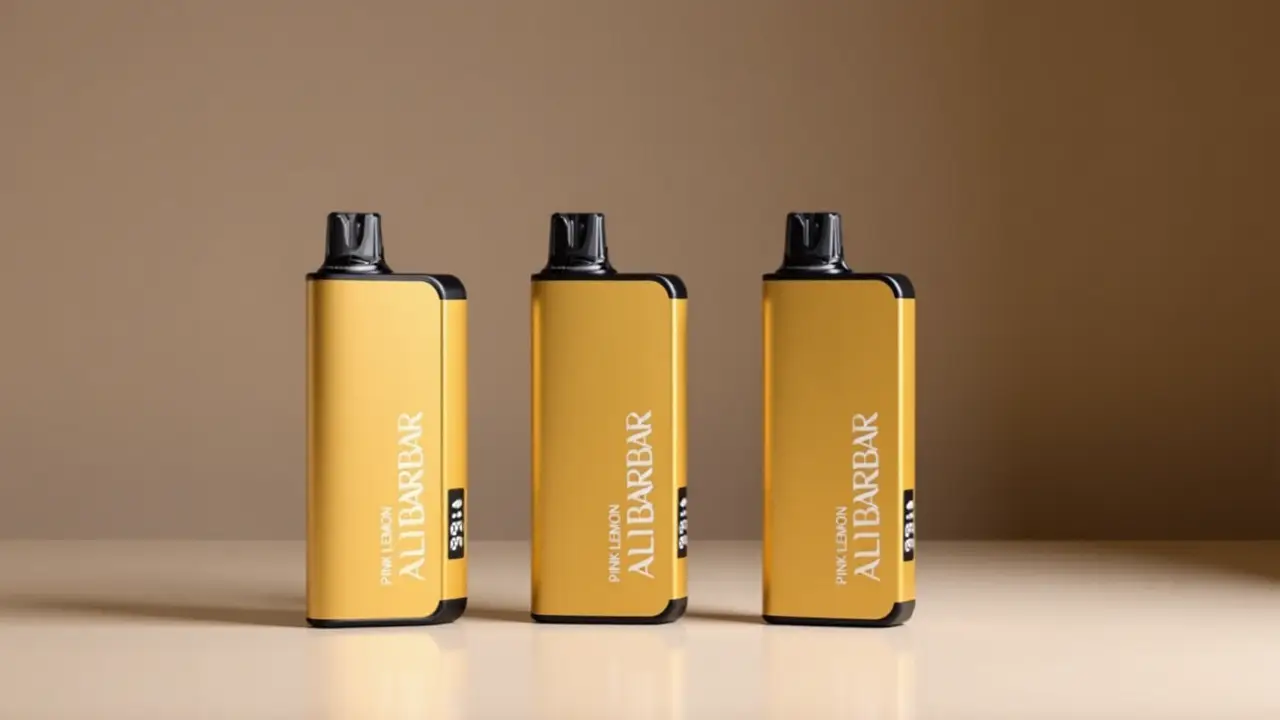
A: The ALIBARBAR product range is designed for use with standardised, factory-formulated concentrates. For specific queries about compatibility with regulated pharmaceutical products, contacting the OZVAPE Shop support team directly is recommended.
Q: What recourse is available if a purchased device does not perform as expected?
A: Products purchased from OZVAPE Shop are covered by standard consumer guarantees. For full details on returns and support processes, reviewing the OZVAPE Shop terms and conditions is advised before purchase.
Final Observations
The decision about how to access cannabis extracts involves considerations that extend far beyond simple economics. The safety of a product intended for inhalation, the legal framework within which it is obtained, and the reliability of the hardware used to consume it are all factors that deserve equal weight in the evaluation process.
Homemade THC oil represents a significant experiment in chemical engineering, carried out without the analytical tools or process controls that commercial producers rely upon as a minimum standard. For some users, the risks are acceptable. For many others, the appeal of lower upfront cost is quickly overtaken by the realities of inconsistent product, unexpected potency, or the legal consequences of working outside the regulated system.
The right approach is the one that aligns with your tolerance for uncertainty, your understanding of the legal environment, and your willingness to invest in proper equipment and verification. For those who choose the regulated pathway, pairing quality extracts with verified hardware from a known source—such as the offerings available through OZVAPE Shop—closes the loop on a well-considered decision.
Ultimately, the choice is yours. The information here exists to ensure that choice is informed, not to steer it in any predetermined direction. Safety, legality, and practical reliability should guide the process. The rest is personal judgment.