
VAPE FAQs
How To Make A Vape?
Jul
Introduction
For many adult users of personal electronic devices, curiosity about how their tools function often sparks questions about DIY assembly. While the idea of building a custom device may seem appealing, it’s critical to start with a clear understanding of the significant safety, legal, and performance risks involved. Unregulated DIY assemblies lack the rigorous testing and quality control that underpin certified products, leading to frequent reports of battery fires, overheating, and chemical exposure.
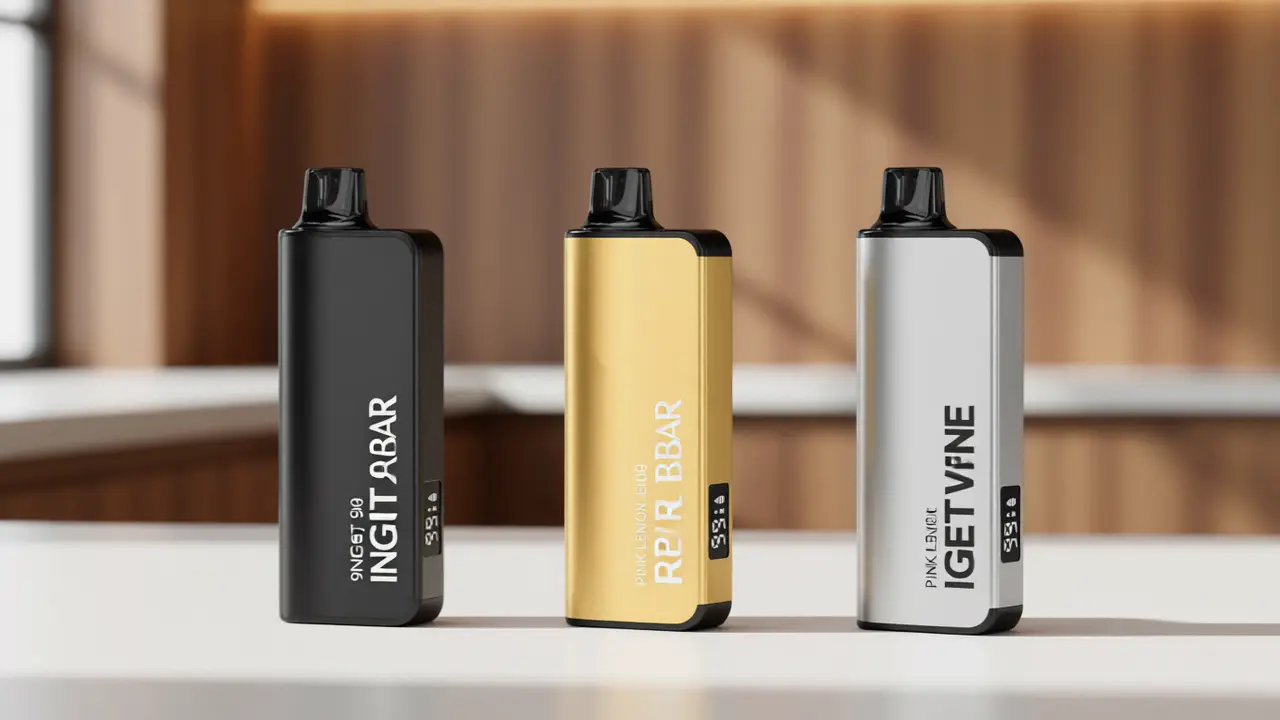
This article breaks down the technical components of a portable electronic device and outlines the steps enthusiasts might follow (for educational purposes only), but its core purpose is to emphasize why factory-certified, safety-tested options are the responsible choice. For users seeking reliable, compliant devices, OZVAPE Shop maintains an inventory of rigorously tested products from brands like ALIBARBAR, which adhere to strict manufacturing and safety standards.
Understanding the Core Components of a Portable Electronic Device (H2)
Every functional portable device relies on four interconnected systems, each with specific engineering requirements and safety constraints.
Heating Element (Atomizer) (H3)
The atomizer is the component responsible for generating heat to vaporize liquid. Two common types are wire coils (usually kanthal or stainless steel) and ceramic plates. Coil resistance (measured in ohms) directly impacts power draw: lower resistance coils require higher current, increasing the risk of battery strain if not matched to a compatible power source. Poorly wound coils can cause uneven heating, leading to burnt liquid or coil failure. Certified devices use precision-manufactured coils tested for consistent performance and durability.
Power Source (Battery) (H3)
Lithium-ion (Li-ion) batteries are the standard power source for portable devices due to their high energy density. Critical specifications include mAh (capacity) and continuous discharge rate (CDR), which dictates how much current the battery can safely deliver. DIY users often make the mistake of using unprotected batteries, which lack built-in safeguards against overcharging, short circuits, or overheating—leading to catastrophic failures like fires or explosions. Factory-certified devices use protected batteries with integrated circuitry to mitigate these risks.
Liquid Delivery System (H3)
This system transfers liquid from a tank or pod to the heating element via a wicking material (typically organic cotton or silica). Proper wicking is essential to prevent dry hits (when the coil heats without liquid, causing burnt vapor or coil damage). DIY assemblies often use low-quality wicking materials or improper placement, leading to inconsistent performance and increased wear. Certified devices are engineered with optimized wicking paths and high-quality materials to ensure reliable liquid delivery.
Control Circuitry (H3)
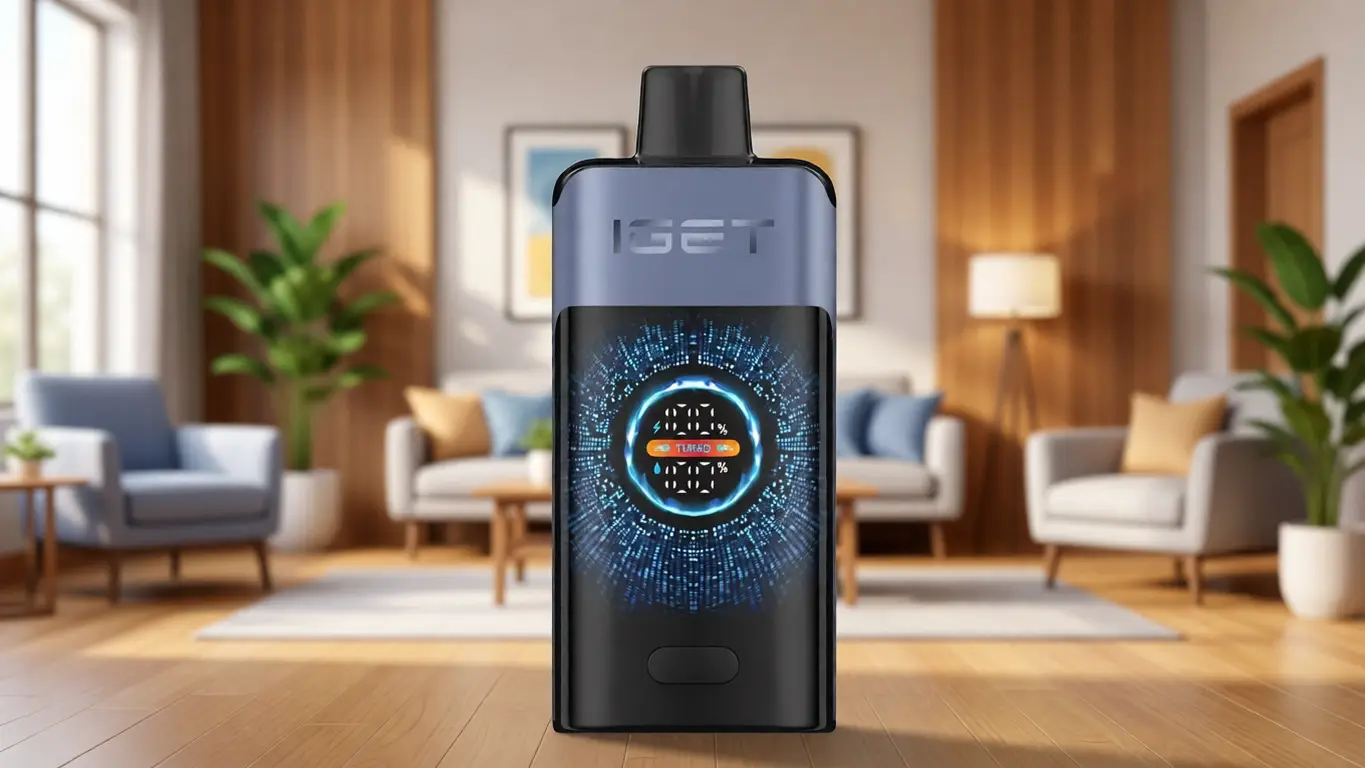
Modern devices include microprocessors that regulate voltage, monitor battery status, and activate safety features like overheat protection, short circuit detection, and low-battery shutoff. DIY mods often lack this circuitry, forcing users to manually adjust power settings without real-time feedback. This increases the risk of battery damage or user injury if settings are misconfigured.
Step-by-Step DIY Assembly (For Educational Purposes Only) (H2)
Critical Disclaimer: This process is provided solely for technical understanding. DIY devices are unregulated, untested, and pose severe safety risks. Building or using one violates consumer safety standards in most regions, including Australia.
Gather Certified Components: Source a protected Li-ion battery, pre-manufactured atomizer coil, food-grade tank, and high-quality wicking cotton. Avoid generic or unbranded parts, as they often fail safety tests.
Assemble the Atomizer: Thread the coil into the atomizer base, then wrap wicking cotton around the coil legs and tuck it into the coil’s center. Ensure the cotton is neither too tight (restricting liquid flow) nor too loose (causing leakage).
Attach the Tank: Fill the tank with liquid, then screw it onto the atomizer base. Prime the coil by letting the device sit for 5–10 minutes to allow the cotton to absorb liquid.
Connect the Battery: Insert the protected battery into the mod housing (if using a mod-style device) and ensure all connections are secure. Avoid using loose wires or makeshift connections.
Test Settings: If using a mod with adjustable power, start at the lowest voltage setting and gradually increase to avoid overheating the coil. Monitor the device for signs of overheating or leakage immediately after use.
Why Certified Devices Are a Safer Alternative (H2)
Factory-certified devices from brands like ALIBARBAR (available at OZVAPE Shop) eliminate the risks of DIY assembly through rigorous testing and quality control:
Compliance: Devices meet Australian consumer safety standards, including AS/NZS 62368 for electronic equipment.
Safety Features: Integrated circuitry prevents overcharging, short circuits, and overheating.
Quality Materials: Components are sourced from trusted suppliers and tested for durability.
Performance Consistency: Each device undergoes real-world testing to ensure reliable vapor output and battery life.
DIY devices cannot match this level of oversight, even with high-quality parts. The cost savings (if any) are far outweighed by the risk of injury or property damage.
Common DIY Mistakes and Risks (H2)
Enthusiasts often overlook critical details that lead to device failure or harm:
Using Unprotected Batteries: Unregulated batteries lack safety circuits, making them prone to overheating and explosion if short-circuited or overcharged.
Incorrect Coil Resistance: Using a low-resistance coil with a battery that can’t handle the current draw leads to battery strain and potential failure.
Poor Wicking: Improperly placed or low-quality cotton causes dry hits, burnt vapor, and coil damage.
Lack of Circuitry: Without control microprocessors, users can’t monitor battery status or adjust settings safely, leading to accidental overheating.
Frequently Asked Questions (H2)
Q: Is it legal to make your own portable electronic device in Australia?
A: No—DIY devices violate Australian Consumer Law, as they don’t meet mandatory safety standards. Selling or distributing unregulated devices is also illegal.
Q: Can I safely make a device at home?
A: No. Even with certified parts, untested assemblies lack critical safety features and pose significant risks of fire, burns, or chemical exposure.
Q: What’s the difference between a DIY mod and a factory-certified device?
A: Factory-certified devices undergo rigorous testing for safety, performance, and compliance. DIY mods are unregulated and lack these safeguards.
Q: Where can I get reliable, safe devices in Australia?
A: Authorized retailers like OZVAPE Shop offer certified devices from trusted brands like ALIBARBAR, which meet all local safety standards.
Q: Why do DIY enthusiasts build their own devices?
A: Some enthusiasts seek customizability, but this comes at the cost of safety and compliance. Certified devices now offer adjustable settings that meet most user needs without the risks.
Q: What should I do if I encounter a faulty certified device?
A: Contact the retailer (like OZVAPE Shop) immediately. Certified devices come with warranties and post-purchase support to resolve issues.
Q: Are there any legal risks to using a DIY device?
A: Yes—using an unregulated device can result in fines or legal action under Australian consumer safety laws.
Q: Can I modify a certified device to make it custom?
A: Modifying a certified device voids its warranty and may compromise its safety features. It’s not recommended.
Conclusion
While the technical mechanics of building a portable electronic device are straightforward, the safety risks and legal consequences of DIY assembly make it an irresponsible choice for most users. The best way to ensure consistent performance and safety is to choose a factory-certified device from a trusted retailer.
For Australian users seeking reliable, compliant devices, OZVAPE Shop offers a curated selection of ALIBARBAR products, each tested to meet strict safety standards. The right device is one that aligns with your needs while prioritizing your well-being—something DIY assemblies can never guarantee.