
VAPE FAQs
How To Make A Vape With A Battery?
Oct
Introduction
Many adult users curious about portable electronic devices wonder if they can build a functional unit using common components like a battery, driven by a desire for customization or perceived cost savings. But what often goes unmentioned are the catastrophic safety risks associated with unregulated DIY builds—from battery thermal runaway to improper heat distribution that can cause burns or device failure. This article explains the engineering principles behind how a battery powers these devices, outlines the critical components required, and clarifies why factory-certified options from trusted retailers like OZVAPE Shop (opening in new window) are the only responsible choice for everyday use.
Understanding What Matters: Core Engineering and Safety Principles (H2)
To grasp why DIY battery-powered portable devices are inherently risky, it’s essential to break down the technical requirements that factory-built units are engineered to meet. Each component interacts with the battery in a precise way to ensure safe, consistent performance.
Battery Selection and Safety (H3)
Lithium-ion (Li-ion) or lithium-polymer (LiPo) batteries are the only practical power sources for these devices, as they deliver high discharge rates in compact form factors. However, unprotected batteries—common in consumer electronics like remote controls—lack built-in circuitry to prevent overcharge, over-discharge, or short circuits. Factory-certified devices, such as the ALIBARBAR INGOT series sold at OZVAPE Shop, use protected batteries with multiple layers of safety protection to mitigate these risks. Using an unprotected battery in a DIY setup can lead to thermal runaway, a reaction that causes the battery to overheat, swell, or even explode.
Heating Element and Atomization (H3)
The heating element (typically a coiled wire) relies on Ohm’s Law to convert electrical current into heat. The coil’s resistance determines how much current the battery draws: lower resistance coils require higher current, which can strain unregulated power sources. Factory builds like ALIBARBAR’s Ice Adjust series use precision-wound coils calibrated to match the battery’s discharge capabilities, ensuring consistent heat without overloading the power source. DIY coil winding often leads to uneven resistance or short circuits, which can cause sudden battery failure or burns.
Enclosure and Thermal Management (H3)
A device’s enclosure serves two critical purposes: protecting internal components and dissipating heat generated by the heating element. Factory designs use heat-resistant materials (like food-grade stainless steel or high-temperature plastics) and engineered airflow channels to prevent overheating of the battery or user contact with hot surfaces. DIY enclosures—often repurposed from household items—lack these features, leaving users exposed to electrocution risks or burns from uninsulated components.
Circuitry and Protection Systems (H3)
Factory-built devices include printed circuit boards (PCBs) with integrated safety features: overcurrent protection, overheat shutdown, and short-circuit detection. These systems monitor the battery’s performance in real time and shut down the device if parameters exceed safe limits. DIY builds rarely include such circuitry, meaning even a minor wiring error can lead to catastrophic failure.
Applying These Criteria to DIY vs. Factory-Certified Options (H2)
When comparing DIY builds to factory-certified devices, the trade-offs are stark. While a DIY setup may seem cheaper upfront, it lacks every safety and performance control that makes factory units reliable. For example:
ALIBARBAR INGOT 15000: Sold exclusively through authorised retailers like OZVAPE Shop, this device uses a protected 650mAh Li-ion battery, precision-calibrated coil, and thermal shutdown system. It delivers consistent performance for up to 15,000 uses without safety risks.
DIY Build: A typical homemade unit might use an unprotected battery, hand-wound coil, and repurposed plastic enclosure. Even if it functions initially, it has no way to prevent overheating or short circuits, putting the user at risk of injury or property damage.
Factory devices also undergo rigorous third-party testing to comply with local safety standards (like Australia’s AS/NZS 62133 for portable batteries), a step DIY builds can never replicate.
Common DIY Selection Errors and Safety Risks (H2)
Most DIY failures stem from avoidable mistakes that highlight a lack of understanding of electrical safety and device engineering:
Overlooking Battery Protection: Using unprotected AA or 18650 batteries is the single most dangerous error. These batteries can enter thermal runaway if overloaded or shorted, leading to fires or explosions.
Ignoring Ohm’s Law: Users often wind coils with too low resistance, drawing more current than the battery can handle. This causes the battery to overheat or fail suddenly.
Poor Enclosure Design: Exposing wires, coils, or batteries to pocket lint, keys, or moisture increases the risk of short circuits. DIY enclosures rarely seal components effectively.
Skipping Quality Controls: Factory units undergo 100% functional testing before sale, but DIY builds rely on unregulated assembly, leading to inconsistent performance or hidden defects.
Industry observations confirm that emergency rooms see a steady stream of injuries from DIY portable devices, including burns, battery explosions, and electrocution—risks that are virtually eliminated with factory-certified products.
Frequently Asked Questions (H2)
Q: Can I use a regular AA battery to build a portable device?
A: No. AA batteries lack the high discharge rate required to power the heating element, and their output voltage is insufficient to generate consistent heat. Even if modified, they pose significant safety risks due to lack of protection.
Q: Are DIY builds legal in Australia?
A: In Australia, modifying or building electronic devices without proper certification may violate safety regulations under the Australian Consumer Law. Additionally, using unregulated devices can pose public safety risks.
Q: What makes factory-certified devices safer than DIY builds?
A: Factory-certified devices undergo rigorous testing for battery safety, thermal management, and circuit protection. Retailers like OZVAPE Shop source only authorised, factory-tested units that comply with local standards like AS/NZS 62133.
Q: Can I customize a factory-built device safely?
A: Some modular factory devices allow for limited customization (e.g., replacing coils), but only if using manufacturer-approved parts. Unauthorized modifications can void warranties and introduce safety risks.
Q: How do I verify if a device is factory-certified?
A: Look for authorized retailers like OZVAPE Shop, which provide documentation of sourcing from official distributors. Factory-certified devices will also display compliance marks (like the RCM mark in Australia).
Q: What should I do if my DIY device malfunctions?
A: Immediately disconnect the battery, place it in a fire-resistant container, and dispose of it at a certified battery recycling facility. Do not attempt to repair it, as this increases safety risks.
Q: Is there a cost-effective alternative to DIY builds?
A: Yes. Retailers like OZVAPE Shop offer affordable, factory-certified devices like the ALIBARBAR INGOT 9000, which provides consistent performance at a lower cost-per-use than DIY builds when accounting for safety risks.
Q: Why do factory devices have status indicators?
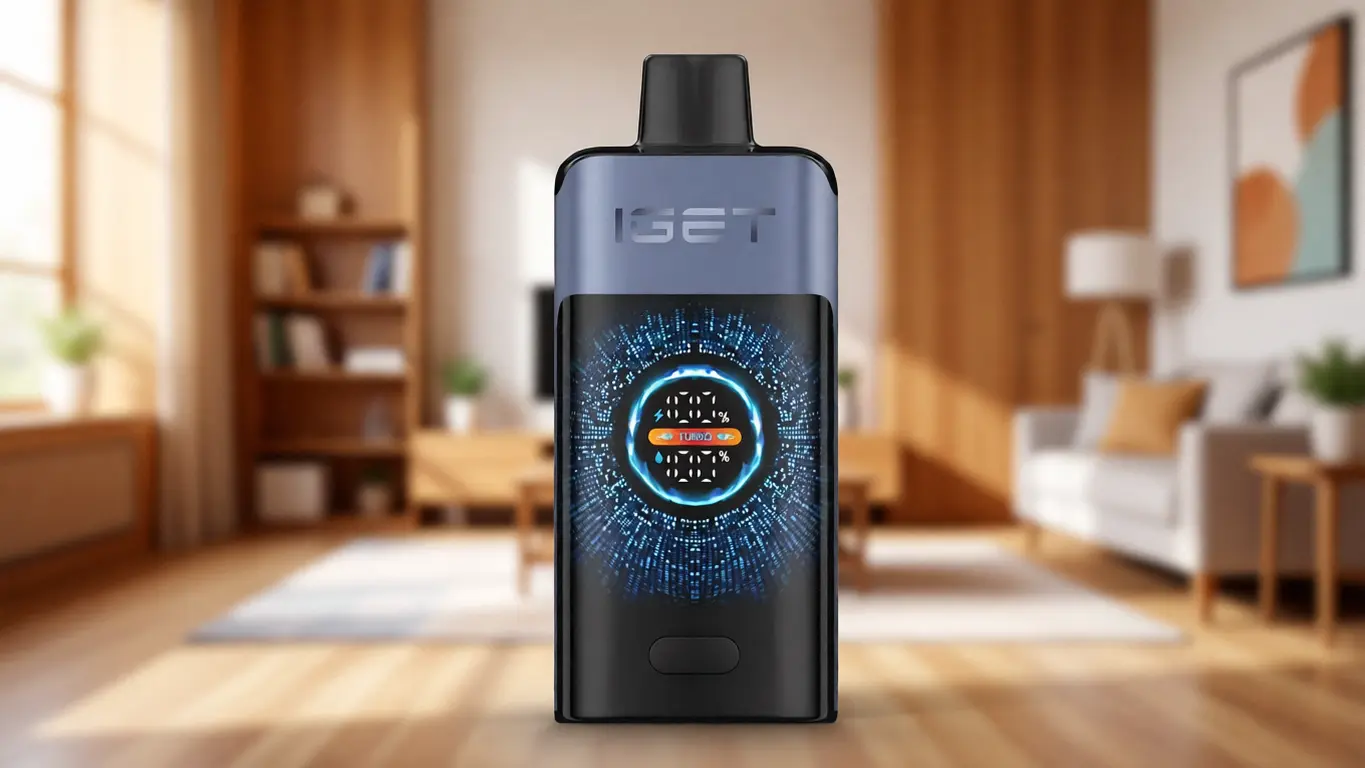
A: Status indicators (like battery level lights) provide transparent feedback about the device’s performance, allowing users to recharge before the battery depletes unexpectedly. DIY builds rarely include these features, leaving users operating blindly.
Conclusion
Understanding the engineering behind battery-powered portable devices is valuable, but attempting to build a DIY unit is an unnecessary and dangerous risk. Factory-certified devices are designed to eliminate the safety hazards and performance inconsistencies of homemade setups, offering reliable, regulated performance for adult users. For those seeking a trusted source of tested, compliant devices, OZVAPE Shop (opening in new window) provides access to the full ALIBARBAR range, backed by local support and transparent sourcing. The right choice is not the one that saves a few dollars upfront, but the one that prioritizes your safety and long-term satisfaction.