
VAPE FAQs
Can You Smoke Weed Out Of A Vape?
Oct
The question seems perfectly simple. In practice, it reveals a widespread misunderstanding of how modern vaporizing devices actually work, why they are built the way they are, and what happens when you ask a product to perform a task it was never engineered to handle. Many people assume that any device producing an aerosol can accept any consumable, but the engineering reality is far more specific. In this article, we will examine the thermal conditions, material constraints, and design architectures that determine whether a given device is capable of handling dried plant material — and why the distinction between “smoking” and “vaporizing” is the very first thing that needs to be clarified. If you are seeking accurate, standardised product information, trusted channels like OZVAPE Shop can serve as a reference point, but the understanding must come first.
The Fundamental Difference Between Smoking and Vaporizing
Before examining any device, it is essential to separate two processes that are frequently — and mistakenly — used interchangeably. Smoking relies on combustion: the material is ignited and burns, producing a complex mixture of gas and particulate matter that includes tar, carbon monoxide, and numerous pyrolytic compounds. The temperature in the burning zone can exceed 800°C.
Vaporizing operates on a completely different principle. By raising the material to a carefully controlled temperature below the combustion point — typically between 180°C and 220°C for botanical matter — the active compounds are released as a vapour without the material catching fire. No smoke is produced. This is not a minor semantic difference; it is a fundamental engineering constraint. A true vaporizer is, by definition, incapable of “smoking” anything. Conversely, a device that burns cannabis is not vaporizing it — it is simply a poorly designed combustion tool.
The relevance here is immediate: when someone asks whether you can smoke weed out of a vape, they are usually asking whether a common handheld electronic device can be used for cannabis consumption. The honest answer requires breaking that question down by device category, because the design intent of the hardware determines everything.
Understanding What Matters: Core Engineering and Design Factors
If you wanted to assess whether a given device is suitable for a particular botanical material, you would not start with the brand name. You would examine the internal architecture, the power delivery system, the chamber materials, and the feedback mechanisms. These factors directly address the frustrations that arise when a mismatched device fails — uneven heating, burnt taste, clogged components, and total absence of status information.
Heating Technology and Temperature Precision
For dried plant material, effective vaporization demands a heat source that can maintain a stable temperature within a narrow window — high enough to release vapour, low enough to prevent combustion. Conduction designs heat the material through direct contact with a heated surface; convection systems pass hot air through the chamber. Hybrid systems attempt to combine both. What matters for the user is whether the device can avoid “hot spots” that scorch the material and “cold spots” that leave it underutilised.
By contrast, a typical e‑liquid device — including most contemporary disposable and pod‑based systems — employs a low‑temperature coil wrapped around a wicking material. The liquid is drawn into the wick and heated just enough to aerosolise. Expose such a coil to solid plant matter, and you have two immediate problems: the contact surface is too small to heat the material evenly, and the temperature is not calibrated to reach the necessary range without combustion. The inevitable result is partial burning, harsh inhalation, and rapid degradation of the heating element.
Chamber Design and Airflow Consistency
A dry‑herb vapouriser uses a chamber — often ceramic, stainless steel, or glass‑lined — that is intentionally shaped to hold ground material while allowing air to pass through it evenly. The geometry of that chamber, the screen placement, and the air intake path are all designed to prevent material from escaping while still maintaining low draw resistance.
E‑liquid devices, regardless of their external appearance, rely on a tank or pre‑filled reservoir that feeds liquid onto a coil via capillary action. There is no empty chamber meant for solids, and the airflow is tuned for vapour from a saturated wick, not for particulate-laden air from dried herbs. Drop ground cannabis into a tank designed for liquid, and you will instantly block the liquid feed, burn out the coil, and inhale partially combusted particulate matter — none of which represents a functioning vaporization process.
Material Safety and Long‑Term Durability
Any heating cycle that involves temperatures high enough to vaporise herb can also extract residual compounds that accumulate on internal surfaces. In a properly engineered dry‑herb device, the vapour path is constructed from materials that resist thermal breakdown and can be disassembled for cleaning. Glass, ceramic, medical‑grade stainless steel, and high‑temperature silicone are the materials you typically find.
E‑liquid hardware was never built for this duty cycle. The plastics, adhesives, and synthetic wicks common in mass‑market vape devices can begin to degrade when exposed to the higher sustained temperatures needed for dry herb. Moreover, cannabis resins quickly foul coils and irreversibly clog airflow channels not designed to be cleaned. The device, which might have performed reliably for days or weeks with its intended liquid formulation, becomes useless after a handful of poorly executed herb attempts.
Power Delivery and Session Management
Vaporizing dry herb is energy‑intensive. A portable herbal vaporizer generally requires a battery that can sustain a chamber temperature around 200°C for a complete session of several minutes, often with active temperature regulation. The current draw and thermal management demands dwarf those of a low‑power e‑liquid device, which may fire for only a few seconds per puff and at far lower energy levels.
If you try to force a small, non‑replaceable battery to heat a dry herb chamber, you will see the battery life collapse, the temperature regulation fail, and the device likely shut down from thermal protection circuits — assuming it does not suffer permanent damage first. This is not a failure of the device; it is a consequence of demanding performance that the power system was never specified to deliver.
Applying These Criteria to Real‑World Options
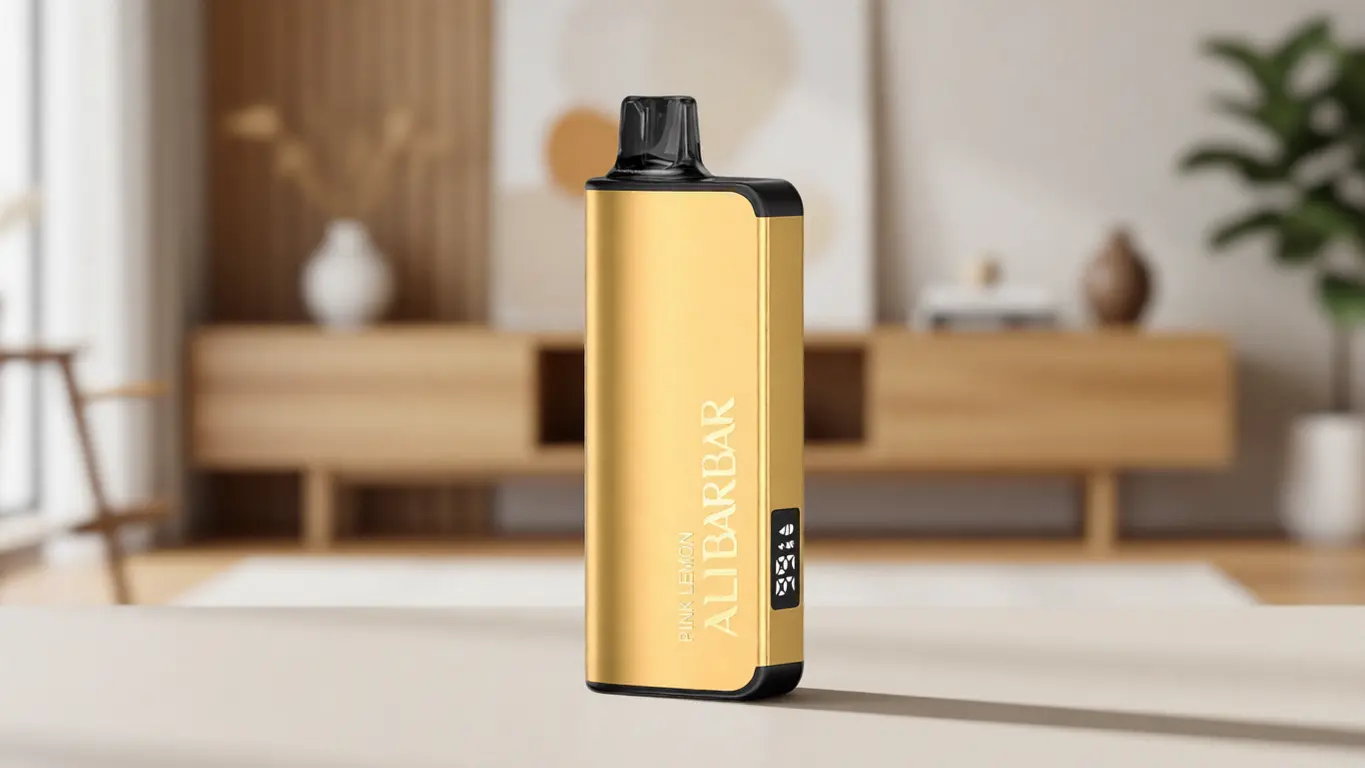
When you walk through the product listings of a retailer like OZVAPE Shop, what you encounter is a landscape of deliberately segmented device categories. A disposable unit such as an ALIBARBAR INGOT 15000 is a masterclass in standardisation: pre‑filled, pre‑charged, and calibrated to deliver a consistent number of draws within a tight performance envelope. Its value lies in that predictability — but that predictability is predicated entirely on the device being used with its intended liquid formulation. Take the same small, integrated battery and sealed reservoir and attempt to introduce ground cannabis, and you would be trying to turn a purpose‑built instrument into something it cannot be.
Dedicated dry‑herb vaporizers sit in a different category altogether. They are larger, feature temperature‑adjustment interfaces, and sacrifice the “no‑maintenance” convenience of disposables in favour of user‑serviceable chambers and replaceable batteries. They are sold by specialist manufacturers who publish the relevant temperature data, chamber materials, and charge‑cycle specifications. No amount of clever marketing can make a device engineered for e‑liquid perform like a device engineered for botanical solid matter. The category dictates the capability.
A Practical Framework for Evaluation
If you are trying to determine whether a device you are looking at can legitimately handle dried herb without burning it, you can apply a simple sequence of diagnostic questions:
Does the device have a user‑adjustable temperature setting expressed in degrees? If the answer is no, you are almost certainly dealing with a fixed‑temperature system optimised for a liquid, not a range suitable for dry herb.
Does it have a clearly described chamber volume, listed in cubic centimetres, meant for ground material? A tank capacity measured in millilitres belongs to a liquid device.
Are the chamber materials specified as ceramic, stainless steel, or glass? If you see “coil,” “cotton,” or “mesh” in the description, the device expects a wicking medium, not solid plant matter.
Does the manufacturer publish a true operating temperature range, and is that range between 160°C and 230°C? Vaporization without combustion only occurs inside that window. Anything lower will fail to extract; anything higher will burn.
Work through these questions dispassionately, and you will quickly separate genuine dry‑herb vaporizers from devices that merely share a common form factor.
Common Selection Errors and Industry Observations
The confusion around “vaping weed” is not accidental. It is sustained by category blurring, inconsistent terminology, and a tendency among buyers to overgeneralise from one successful product experience.
Error 1: Assuming visual similarity equals functional equivalence.
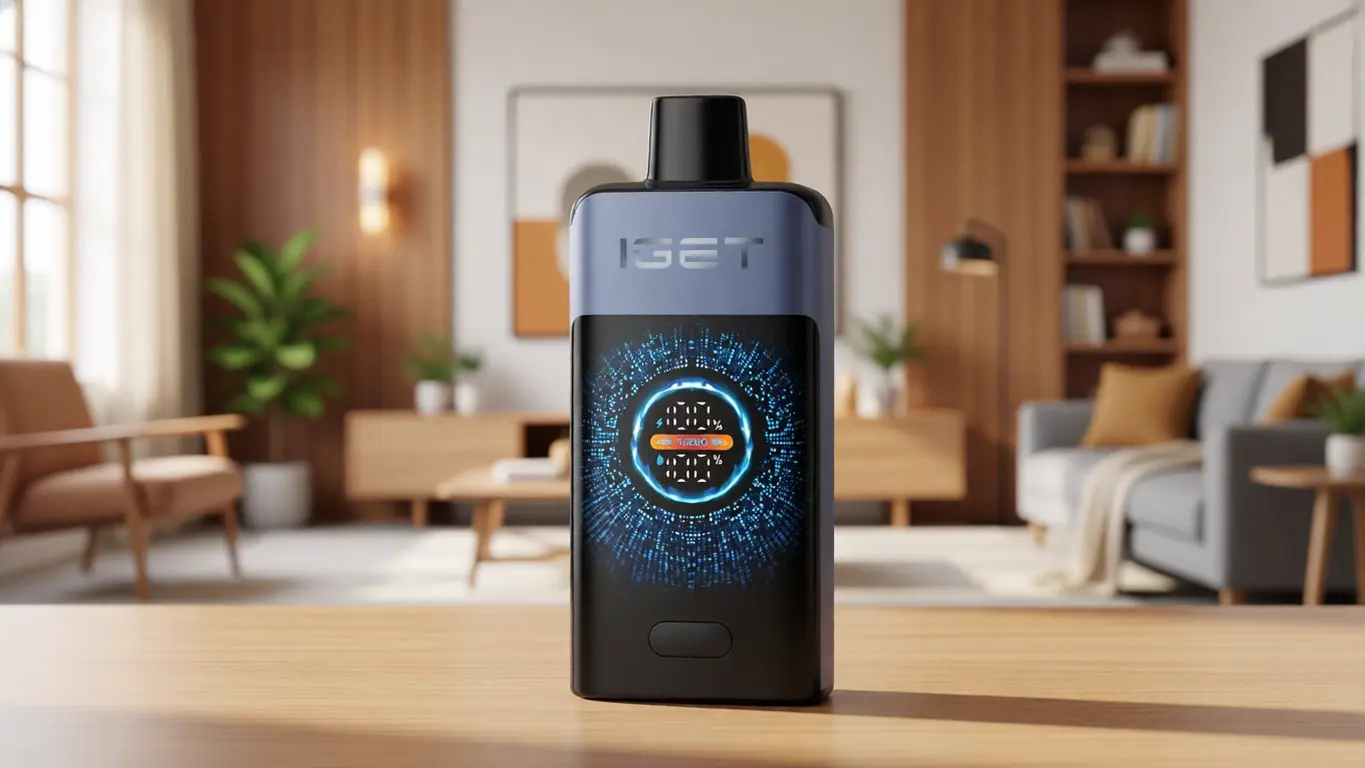
A cylindrical battery, a mouthpiece, and an LED indicator do not tell you what happens inside the chamber. Two devices that look nearly identical on a retail shelf can be built around fundamentally different thermal architectures. Believing otherwise is how users end up with a burnt, unusable unit within minutes.
Error 2: Overweighting the word “vape” without verifying the consumable format.
The term “vape” applies generically to liquid vaporizers, dry‑herb vaporizers, concentrate vaporizers, and even some heat‑not‑burn tobacco devices. Each operates on distinct principles. Using the right vocabulary when you search — “dry herb vaporizer,” not simply “vape” — eliminates most of the mismatched results immediately.
Error 3: Undervaluing temperature control and treating it as a luxury.
A device without precise temperature management cannot maintain the narrow temperature gap between effective vaporization and combustion. You might get a few usable draws, but the material will begin to scorch, the taste will degrade, and the whole experience will undermine the reason you wanted to vaporize instead of smoke in the first place.
Error 4: Treating a disposable device as a platform for experimentation.
Disposables and closed systems are engineered for single‑purpose reliability. Modifying them, refilling them with substances they were never tested for, or attempting to repurpose their heating elements voids the engineering safety margin. The device might appear to work briefly, but the risks — from inhaling degraded plastics to handling a stressed lithium cell — are simply not worth the outcome.
From an industry standpoint, the clearest sign of a mature manufacturer is the care with which it specifies the intended use case. Reputable brands do not claim their devices “work with everything.” They state, plainly, what the device is built for, what it contains, and where its limits lie. That specificity, not hyperbolic compatibility claims, is the most reliable trust signal in the current market.
Frequently Asked Questions
Q: Can I put ground cannabis directly into my e‑cigarette tank?
A: No. The tank is engineered for liquid that is absorbed by a wick. Solid material will not feed correctly, will burn unevenly on the coil, and will rapidly destroy the heating element while producing smoke rather than vapour.
Q: What is the difference between a dry‑herb vaporizer and a 510‑thread oil cartridge?
A: A dry‑herb vaporizer has a chamber designed for ground botanical solids and operates at temperatures high enough to vaporize those solids. A 510 cartridge contains an oil or distillate and uses a lower‑temperature ceramic or metal coil. They are not interchangeable.
Q: Are there any vapes that can handle both dry herb and concentrates?
A: Some advanced desktop and portable units offer interchangeable chambers or inserts intended for different material types. Even then, the user typically has to accept a compromise in performance compared with a dedicated single‑purpose device.
Q: Why does my dry‑herb vaporizer sometimes taste burnt if it is not supposed to smoke?
A: If the temperature setting is too high, or if the chamber is packed too tightly and restricts airflow, localized combustion can occur. True vaporization requires a temperature set below the combustion point plus adequate airflow to carry away heat.
Q: Is it legal to own a dry‑herb vaporizer in Australia?
A: The device itself is legal and is commonly sold for aromatherapy with legal herbs such as lavender or chamomile. How you use it — and what you place inside it — determines legality. Medicinal cannabis with a valid prescription is legal in Australia; recreational cannabis remains prohibited under federal and state law. Always verify your local regulations.
Q: Can an ALIBARBAR device be used for anything other than its intended liquid?
A: No. The ALIBARBAR range, including the INGOT and Ice Adjust series, is a closed system engineered specifically for its pre‑filled formulation. Modifying it or loading alternative substances compromises safety and voids any performance guarantees.
Q: Will I damage a standard vape battery if I try to heat a dry‑herb chamber with it?
A: Almost certainly. Dry‑herb chambers demand a sustained high current that small e‑liquid batteries were never rated to deliver. The cell can overheat, trigger a safety shutdown, or suffer permanent capacity loss.
Q: How can I tell if a device is a genuine dry‑herb vaporizer before buying?
A: Look for a stated temperature range (usually adjustable between 160°C and 230°C), a chamber volume listed in cubic centimetres, and materials of construction such as ceramic or stainless steel for the chamber. If the specifications talk about millilitres, nicotine, or resistance in ohms, it is an e‑liquid device.
Q: Do I need a special grinder for a dry‑herb vaporizer?
A: While not strictly necessary, a grinder produces a uniform particle size that improves air contact and heat distribution, leading to more consistent vapour production. Hand‑tearing the material often results in uneven extraction.
Q: Where can I find reliable information about what a specific vape device is designed for?
A: Start with the manufacturer’s official specification sheet. Authorised retailers like OZVAPE Shop present standardised product information that makes it easier to compare intended use, chamber details, and temperature data across different models, reducing the chance of a misinformed purchase.
Conclusion
The question “Can you smoke weed out of a vape?” collapses under its own ambiguity the moment you examine it closely. A genuine vaporizer — one designed for dry herb — does not produce smoke; it produces vapour, and it does so only when the material is heated to a precise, controlled temperature. A standard e‑liquid device, on the other hand, is not built for solid plant matter at all, and forcing the issue leads to burned material, damaged hardware, and a user experience that satisfies no one.
What the question actually reveals is a need for category literacy. Once you understand the thermal, material, and power‑delivery constraints that separate device types, the answer becomes obvious — not as a matter of opinion, but as a matter of applied physics. For those who navigate these categories carefully, retailers like OZVAPE Shop provide the structured product information that makes informed selection possible. Ultimately, the right device is the one that matches your actual usage pattern and does so within its clear design parameters. The skill lies not in making a device perform beyond its specification, but in choosing the one whose specification fits your needs from the start.