
VAPE FAQs
How To Know When A Vape Is Done?
May
You notice the output becoming thinner. The flavour that was once sharp now tastes faint, almost metallic. A device that felt reliable an hour ago suddenly hesitates, or stops entirely. Is it finished, or is there simply a temporary glitch? The uncertainty forces you to carry a backup, doubles your gear, and leaves you second‑guessing every pressed button. Most adult users have learned to live with this ambiguity, but it does not have to be this way. When you know precisely which signals a device uses to communicate its endpoint, you eliminate guesswork and gain real control over your daily carry.
Retailers that invest in detailed, standardised product information — like OZVAPE Shop — make this easier by clearly documenting battery capacity, level indicators, and expected cycle counts. This article is not a sales pitch. It is a practical field guide to reading the signs built into modern portable electronic devices, so you can recognise the difference between a unit that is genuinely depleted, one that is simply protecting itself, and one that is still substantially usable.
Decoding the Signals: How Personal Electronic Devices Communicate End‑of‑Life
Engineers embed discrete warnings into a device’s behaviour. These signals rarely consist of a single alert; they form a layered language of light, heat, taste, and tactile response. Learning that language converts a source of mild anxiety into straightforward information.
Battery Exhaustion Cues — Beyond the Blinking Light
Most devices use a light‑emitting diode (LED) to report remaining charge. The pattern matters more than the colour. A slow, pulsing white glow often indicates standby readiness; a rapid triple‑blink followed by shutdown almost always flags a depleted cell. On more advanced units, a small digital display shows a precise percentage. When that figure drops below 5%, the output management circuit typically begins to reduce power to protect the battery’s longevity. You will feel the device weaken deliberately — not because the consumable is gone, but because the source voltage can no longer sustain the programmed wattage.
If a device has been idle for several days, a low‑voltage lockout may engage. This protective state can mimic a dead unit, but connecting it to a charger for fifteen minutes will often restore normal function. Distinguishing between a true end‑of‑life cut‑off and a temporary safety lockout saves perfectly functional devices from the bin.
Consumable Depletion — Recognising the Dry Hit Before It Happens
In sealed systems, the consumable is the substance held inside a reservoir. Its exhaustion announces itself through changes in vapour density and flavour profile. A gradual thinning of the output over three or four cycles is far more common than a sudden end. The first sign is often a muted aroma; the second, a slight scratchiness at the back of the throat where none existed before. Both indicate that the wicking material is no longer fully saturated.
Once that reservoir is truly empty, a burnt, acrid note appears. That taste is not the consumable itself. It is the result of the heating element reaching temperatures far above its designed range because there is no fluid present to absorb thermal energy. Continuing to operate a device in this state will permanently degrade the coil, making even a refilled unit taste stale.
Coil Degradation — When the Heating Element, Not the Resource, Is Spent
The coil’s lifespan is independent of the consumable’s volume. Even if a device’s reservoir holds unused substance and the battery is fully charged, a worn coil produces harsh, uneven flavour. You may notice a metallic aftertaste or a persistent bitterness that no amount of resting the device can fix. In replaceable‑coil systems, this is a routine maintenance signal. In sealed, pre‑filled units, however, a degraded coil effectively means the entire device has reached its endpoint because there is no way to swap the heating component.
Some manufacturers design their coil resistance to shift predictably over time. A resistance that starts at 1.2 ohms might drift to 1.6 ohms before failure, and a smart power chip can detect that shift and disable the device to prevent further use. Understanding whether your device uses this kind of continuous monitoring — or simply relies on a fixed puff counter — clarifies whether a sudden stop is health‑related or simply a programmed termination.
Device‑Defined End‑of‑Life Lockouts
Many contemporary pre‑filled devices incorporate a puff counter that physically tracks each activation. Once a pre‑programmed limit is reached — often 800, 1200, or 5000 activations — the microcontroller permanently disables the power circuit. There is no way to override this. The logic is straightforward: the manufacturer guarantees consistent performance for exactly that many cycles, and anything beyond introduces the possibility of a degraded experience.
A device that locks out while still producing acceptable vapour has not malfunctioned; it has done exactly what its firmware instructed. Recognising this distinction prevents frustration and helps you calibrate expectations before purchase. Specifications that list both the number of activations and the mechanism of termination allow you to plan with certainty.
How Different Device Architectures Signal Completion
Terminology can obscure function. A “disposable” may contain exactly the same internal technology as a “closed pod system”, yet the way they signal expiry differs dramatically. Rather than sorting by category label, it is more useful to compare by indicator design.
Units with Digital Status Displays
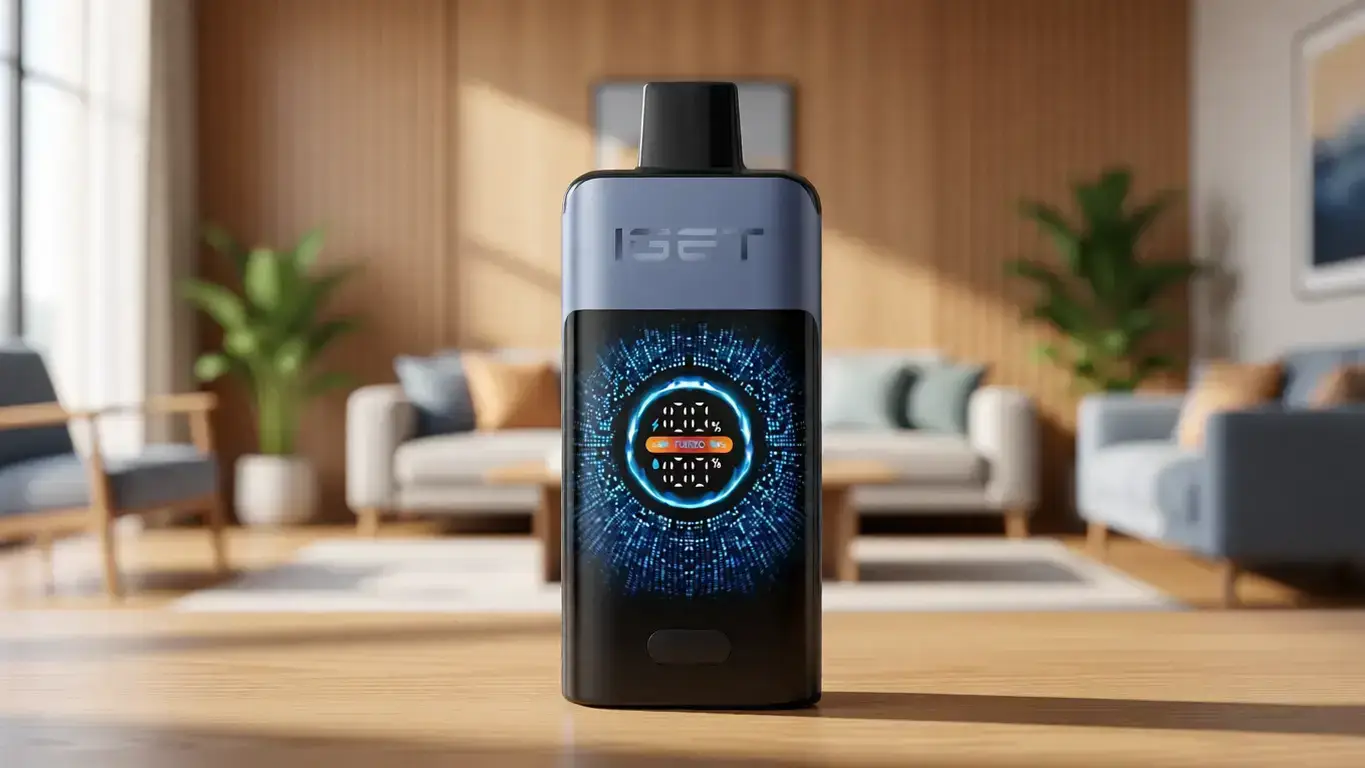
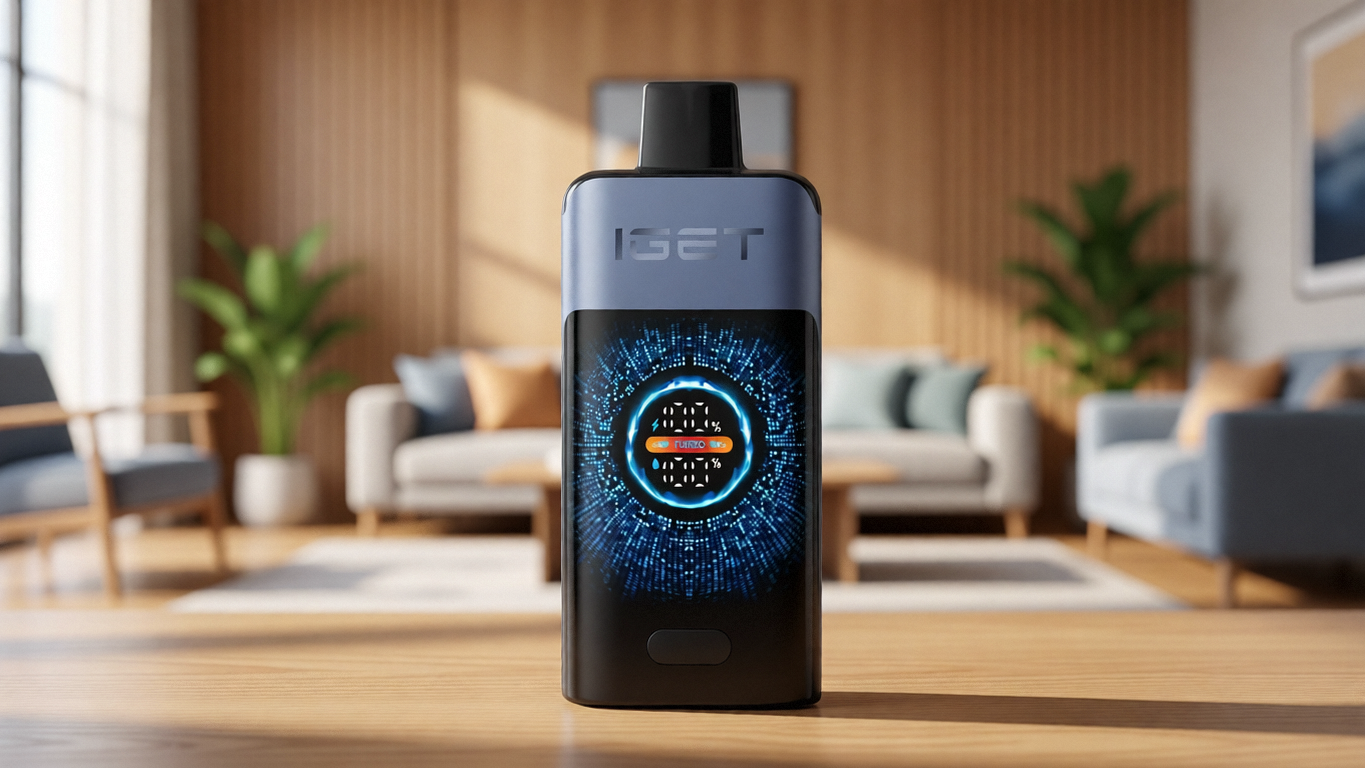
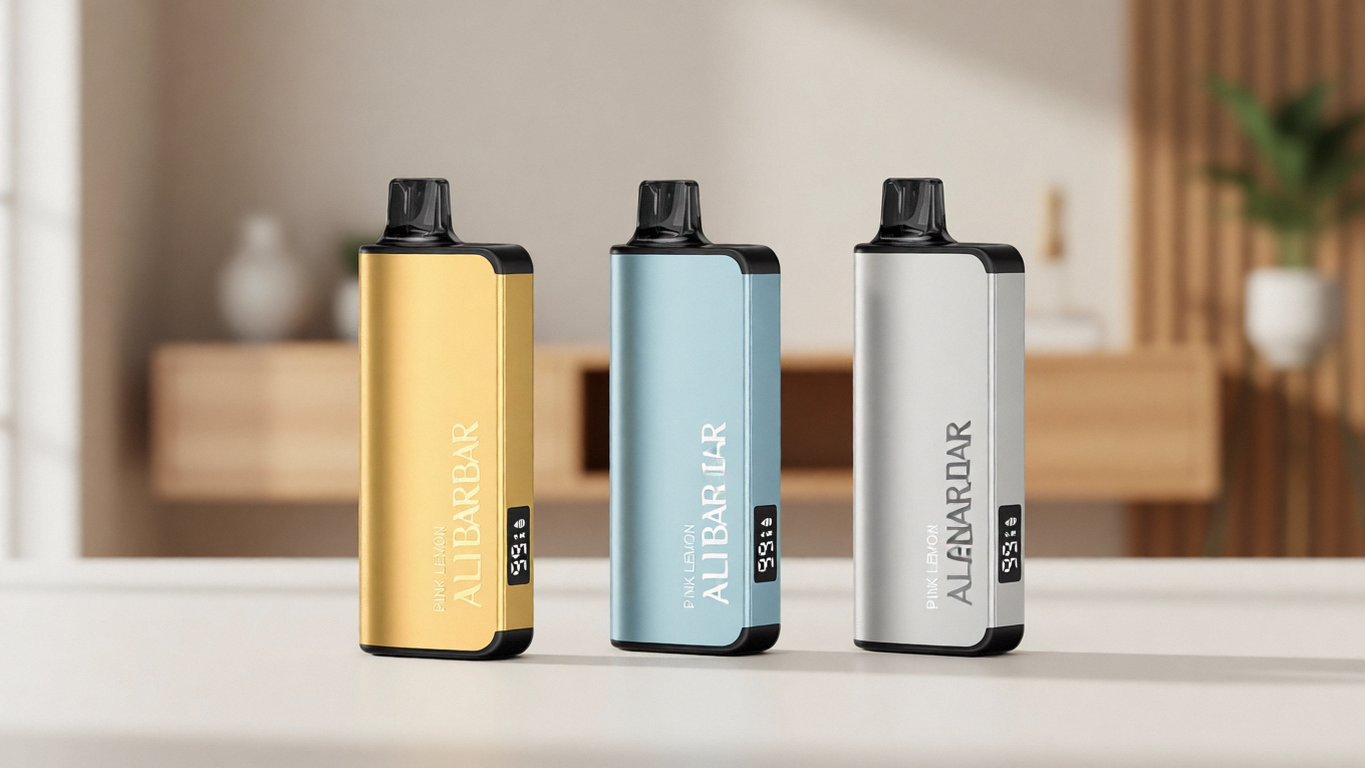
Certain contemporary series — the ALIBARBAR INGOT 9000 and INGOT 15000 are widely referenced examples — integrate a small screen that shows remaining battery percentage and consumable level simultaneously. A user never has to guess. When both indicators read zero, the device is done; if only one is empty, the device may still operate in a reduced capacity until the other resource is depleted. This transparency eliminates the classic “is it dead or just resting?” problem.
Because these displays draw from the same managed power circuit that runs the heating element, they offer an unusually honest picture of the device’s real‑time reserves. A retailer that publishes live specification sheets, such as OZVAPE Shop, ensures that these display functions — along with the exact puff‑count thresholds — are stated before purchase, not discovered by accident.
LED‑Only Feedback Mechanisms
The majority of compact devices rely on a single, multi‑colour LED. A steady green or blue often indicates a high remaining charge; a transition to red signals low battery. When that red LED flashes a set number of times and the device ceases to fire, the onboard protection circuitry has engaged. But without a secondary indicator for consumable level, you must use your senses to judge if the resource is also gone. A device that blinks red but still produces vapour may only have a depleted battery, while one that fires weakly and produces an off‑note taste likely has an exhausted reservoir, even if the light remains green.
Manufacturers who supplement the LED with haptic feedback — a subtle vibration at the 20% threshold, for instance — dramatically improve the user’s ability to anticipate an endpoint. That design choice reflects an attentiveness that separates engineering‑led brands from commodity assemblers.
Replaceable‑Component Systems
Open‑system architectures, where both the power source and the heating assembly can be swapped, rarely reach a single “done” state. Instead, they experience component‑level expiry. A battery that no longer holds adequate charge can be replaced, and a coil that tastes burnt can be swapped. The device chassis itself may serve for years. The practical methodology for knowing when a component is finished remains the same: monitor vapour quality, taste consistency, and power‑cell runtime. The difference lies in the response: replacement, not disposal.
A Step‑by‑Step Diagnostic Checklist
Before concluding a device is completely used, work through this sequence. It prevents premature waste and identifies reusable assets.
Check the power indicator. Is the LED blinking a deliberate pattern, or has the display hit zero? Connect to a charger if possible. A device that accepts charge and returns to normal function was merely low, not dead.
Assess vapour density. Hold the device in front of a dark background or light source and activate it. If visible output has dropped to less than half its usual volume, the consumable or the coil is nearing exhaustion.
Isolate the taste. Inhale lightly without swallowing. A clean, neutral taste with reduced density suggests a low reservoir. A burnt, popcorn‑like, or chemical note points to a coil that has scorched the wicking material. Two distinct problems; two distinct endpoints.
Evaluate consistency over consecutive uses. Take three gentle draws thirty seconds apart. If output quality declines noticeably from the first to the third draw, the device’s ability to re‑saturate the heating element is compromised — a sign that the consumable is critically low.
Inspect the device body. On units with transparent windows, visually confirm the consumable level. On sealed units, look for any physical damage or leakage. A leaking device may still function, but its reservoir integrity is compromised, effectively rendering it end‑of‑life for reliable use.
Common Misinterpretations That Lead to Premature Disposal
An informed user conserves both money and materials. The following errors account for a large share of devices discarded while still substantially usable.
Mistaking a Weak Hit for Total Exhaustion
When a device’s power management system detects that the battery voltage has fallen below a safe threshold, it intentionally reduces output to prevent a deep discharge. This “limp mode” may feel like a dead device. It is not. A short recharge often brings it back to full strength. The mistake is understandable: the user experiences a sudden drop in satisfaction and assumes the consumable is empty. In reality, the battery simply needed a top‑up.
Confusing a Safety Lockout with a Permanent Failure
Over‑temperature protection, short‑circuit detection, and low‑resistance alerts can all lock a device temporarily. A rapid set of flashes — often ten — followed by a refusal to fire signals that the microcontroller has isolated a potentially damaging condition. Removing the device from the charger, allowing it to cool for five minutes, and then attempting a single activation frequently resets this state. If the condition was a one‑time transient, the device will resume normal operation.
Assuming That All Devices Signal the Same Way
A user accustomed to a device that blinks blue at 10% battery may misinterpret a different device’s red flashing as a critical error. Without cross‑checking the manufacturer’s documentation, it is easy to misread benign signals. The lack of a standardised communication protocol across the industry means that each device family speaks its own dialect. Looking up the specific blink‑code table for your unit — something that a specification‑oriented retailer will often include in product descriptions — resolves this ambiguity.
Ignoring the Distinction Between a Depleted Resource and a Worn Coil
As described earlier, flavour degradation can stem from either consumable absence or coil degradation. The user who throws away a refillable pod simply because the taste turned unpleasant may be discarding a device that only needed a fresh heating element. In sealed units, this point is moot, but in modular systems, it is the difference between a recurring expense and a one‑time replacement.
Frequently Asked Questions
Q: My device blinks ten times when I try to use it. What does that mean?
A: Ten blinks is a common signature for a short‑circuit or low‑resistance protection trigger. Disconnect the device from any charger, let it sit for a few minutes, and try again. If the problem persists, the internal heating element may have failed, and the unit is at its endpoint.
Q: Can I safely store a device that still has some charge but no consumable left?
A: For sealed units, storage brings no benefit; the device has reached functional end‑of‑life. For open systems, remove the empty pod or cartridge, clean the contacts, and store the power unit with a partial charge — ideally around 50% — to preserve battery health.
Q: Is it normal for flavour to fade before the device stops producing vapour?
A: Yes. As the consumable level drops, the wick draws in less resource, reducing the concentration of aromatic compounds. Vapour may continue for dozens of cycles after taste fades, but the experience is already degraded. For many users, a significant taste drop is the practical signal that the device is done.
Q: How can I verify that a device I purchased is authentic and will perform as described?
A: Purchase from an authorised retailer that sources directly from factory‑certified distribution. Look for platforms that publish standardised specifications, not just lifestyle imagery. An authorised source such as OZVAPE Shop confirms inventory provenance and provides post‑purchase support, ensuring that the device’s indicators and cycle counts match the documented design.
Q: Does cold weather affect how a device signals its endpoint?
A: Low temperatures can temporarily reduce battery voltage and thicken consumable fluids, mimicking a depleted state. A device that appears dead in cold conditions may recover fully once warmed to room temperature. Allow at least twenty minutes of acclimatisation before making a final determination.
Q: What is a puff counter, and should I rely on it alone?
A: A puff counter is a software tally of activations. It offers a rough estimate, but actual usage — draw length, intensity, and rest intervals — affects real‑world lifespan. Use the counter as a planning tool, not a definitive endpoint indicator; always cross‑reference with sensory checks.
Q: Can I recharge a device that has a burnt taste?
A: Recharging will not fix a burnt coil. The unpleasant taste originates from a compromised heating element, not a low battery. If the device is sealed, that taste marks the end of its useful life. If the device supports coil replacement, swapping the heating assembly is the correct step.
Q: Why do some devices stop working even though the LED still glows?
A: The LED circuit can draw minimal current even when the device’s main protection has tripped due to low voltage, a short circuit, or a completed puff‑count limit. The light persisting does not indicate that the heating circuit is active. Refer to the specific blink or colour code to interpret the fault.
Q: Is it better to wait until a device completely stops, or to change it when performance dips?
A: This depends on your priority. Waiting until total stop may extend usage but risks off‑flavours and potential leakage. Swapping when performance noticeably declines — roughly at 80% of the device’s rated lifespan — ensures a consistent experience. Both approaches are valid; the key is understanding the trade‑off.
Q: How do I dispose of a device once it is done?
A: Treat the device as electronic waste. Many components, including lithium‑ion cells, require specialist recycling. Check local municipal guidelines for small electronic item disposal, and never discard a device in household waste without confirming that it is permitted.
Conclusion
Knowing when a personal electronic device is truly finished is not a matter of waiting until it simply stops. It is a three‑part skill: interpreting the electronic cues built into the hardware, distinguishing between a depleted battery, an empty reservoir, and a worn coil, and applying a simple diagnostic routine before discarding anything. Devices that communicate clearly — with digital displays, standardised blink codes, and honest puff‑count limitations — transfer that skill directly to the user.
When a retailer such as OZVAPE Shop makes specification sheets, indicator descriptions, and lifespan data accessible before purchase, it closes the gap between what a manufacturer intended and what the user experiences. The decision about when a device is done becomes personal, informed, and waste‑free. You are no longer reacting to a blinking light. You are reading the language the engineers embedded, and responding with precision. That kind of control is worth far more than any single product.