
VAPE FAQs
How To Inhale Vape Smoke?
Sep
It’s a question that seems simple on the surface, yet the practical answer explains a surprising amount about why two people can use the same device and walk away with completely different levels of satisfaction. One coughs, one doesn’t. One tastes layered flavour, the other gets a dry, thin sensation. The difference rarely comes down to the hardware alone. It almost always involves how the vapour is drawn, held, and released — and the mismatch between the user’s instinctive technique and the specific architecture of the device they have in their hand.
At OZVAPE Shop, we find that the most common post-purchase question isn’t about battery life or power output; it’s a variation of “Am I doing this right?” The guide that follows is not a promotional walkthrough of any single product. It is a plain-language, technically grounded explanation of the physical and engineering factors that govern how vapour behaves, and how adjusting your technique to align with those factors can turn an uncomfortable, inconsistent experience into a comfortable, repeatable one.
Device Factors That Influence Inhalation Technique
Before discussing breath control, it’s necessary to understand the physical system you’re interacting with. A personal vapour device is a carefully balanced combination of air inlet, heating element, wicking material, and power delivery. Your inhalation technique is the final variable that either respects that balance or throws it off.
Airflow Architecture and Draw Resistance
Every device has an airflow pathway — the route outside air takes from the intake ports, across the coil, and into your mouth or lungs. The tightness or openness of that pathway creates what is commonly called “draw resistance.” A mouth-to-lung (MTL) device is engineered with a narrow, cigarette-like draw that requires gentle, sustained negative pressure. A direct-lung (DL) device uses wider airflow channels designed for a faster, deeper pull, similar to breathing through a wide straw.
Why this matters: If you pull too hard on an MTL device, you overwhelm the wicking system. The coil runs dry, the temperature spikes, and the vapour becomes thin, hot, and irritating — often described as a “dry hit.” If you pull too softly on a DL device designed for high airflow, the coil doesn’t receive enough air cooling. It overheats, degrading the flavour and potentially shortening the coil’s operational life. The right draw is always the one that matches the engineering.
Power Output and Vapour Temperature
The relationship between power (wattage) and coil resistance determines the temperature at which the liquid is vaporised. Higher power generates more vapour volume per second, but it also increases the temperature of that vapour. Your inhalation speed controls how quickly that vapour moves past the coil, carrying away heat. A slow, gentle draw on a high-power device gives the vapour time to linger and overheat. A brisk, consistent draw pulls heat away effectively, delivering cooler, denser vapour.
Understanding this interplay means you can adjust on the fly. If a device feels uncomfortably hot, you can either lower the power setting (if variable) or increase your draw speed to provide better cooling. There is no single “correct” power level without considering how you inhale.
Mouthpiece Design and Comfort
The mouthpiece is the only part of the device that contacts your body, and its geometry shapes your draw mechanics more than many users realise. A narrow, rounded tip encourages a lip-seal that naturally slows the draw — ideal for MTL. A wide, flared tip promotes an open, faster inhalation suitable for DL. Poor ergonomics here lead to air leaks, inconsistent pressure, and jaw fatigue during longer sessions.
Devices that ship with multiple mouthpiece options or interchangeable drip tips recognise that comfort is personal. A mouthpiece that feels awkward will cause you to unconsciously break your lip seal, altering the airflow and lowering vapour density. A properly fitting one makes the technique effortless.
Coil and Heating Element Response
Coil mass affects ramp-up time. A heavy, complex coil needs a moment to reach operating temperature. If you begin inhaling the instant you activate the device, the first half-second of your draw passes over a coil that hasn’t reached full heat, producing thin, sputtering vapour. Preheating — pressing the activation button for a fraction of a second before you start drawing — compensates for thermal inertia and gives you a full, clean stream from the first moment.
Conversely, a low-mass, instant-on coil requires no preheat and actually performs worse if you delay your draw, because the vapour builds up without airflow, causing condensation and eventual leakage into the airflow path. The correct technique is determined by the coil type, and this is information that responsible retailers make available. At OZVAPE Shop, we document the coil specifications for each ALIBARBAR device so users can understand the thermal behaviour they are working with, not guess at it.
Inhalation Styles and the Devices That Suit Them
The broad categories of inhalation technique are not marketing terms. They are descriptions of real physiological patterns, and each one places different demands on the hardware.
Mouth-to-Lung (MTL)
This is the intuitive draw for anyone who previously used combustible cigarettes. You draw vapour into the mouth first, holding it there briefly before inhaling it into the lungs. It works best with high-resistance coils, low power, and a tight airflow. The vapour is typically mouth-warm, flavour-forward, and produced in smaller, discrete clouds.
Technique specifics: A slow, steady pull lasting 2–4 seconds, with the cheeks doing most of the work. The diaphragm remains relatively still. A slight pause at the end of the draw allows the vapour to cool in the mouth before the secondary inhalation. That pause is crucial — skip it, and you’ll often trigger a coughing reflex because the vapour hits the throat hot and fast.
Direct-to-Lung (DTL or DL)
This is functionally closer to breathing. You inhale the vapour directly into the lungs in one continuous motion. The airflow is wide open, the coil resistance is low, and power is typically higher. The vapour volume is larger and the temperature at the coil is hotter, but the fast-moving air cools it effectively.
Technique specifics: A firm, consistent draw of 1–3 seconds, like taking a deep breath. Mouth pressure is minimal; the lungs expand. Exhalation should be controlled — a slow, steady release because the vapour is dense and can be harsh if expelled forcefully. Users new to DL often cough on the first few attempts because they hit the device too tentatively, starving the coil of air. A confident, decisive pull is safer than a cautious one.
Restricted Direct-to-Lung (RDL)
A middle ground where airflow is partially constricted, offering some of the warmth and mouth-feel of MTL with the volume and directness of DL. It asks for a moderate draw—not as slow as MTL, not as fast as full DL. The technique is the most forgiving of variation, which is why many all-purpose devices are designed around this airflow profile.
Recognising which style a device is designed for is a matter of reading, not intuition. A good retailer provides clear airflow specifications and draw-activation behaviour. If the product page only says “smooth draw,” it’s telling you nothing useful. If it describes the intake port dimension, the coil resistance, and the power range, you can confidently select a style that matches your existing habits. The ALIBARBAR range, available through OZVAPE Shop, separates its devices by inhalation profile — the Ice Adjust series, for example, is engineered for a more open DL experience, while other series lean toward MTL — and that specification transparency eliminates guesswork.
A Practical Framework for Evaluating Your Technique
Instead of chasing abstract “perfection,” apply a diagnostic approach. The following framework helps you isolate what needs adjustment.
Check vapour temperature at the mouthpiece tip. If it’s uncomfortably hot, increase your draw speed or reduce power. If it’s cold and thin, you’re drawing too fast for the coil to keep up.
Listen for gurgling or popping. A flooded coil produces a bubbling sound. Increase draw strength briefly to clear excess liquid, then return to a normal pace. Persistent flooding suggests your draw is too weak for the airflow setting.
Observe vapour density on exhale. Thin, wispy clouds on a device rated for higher output indicate insufficient power, a dying coil, or a draw that is too brief. Dense, hot vapour that causes throat irritation suggests you’re pulling too slowly on a high-power coil.
Monitor the length of a coil’s usable life. If coils degrade significantly faster than the rated operating span, your draw technique may be causing dry hits or excessive heat. A coil that lasts reliably for its stated cycle count confirms your technique is thermally balanced.
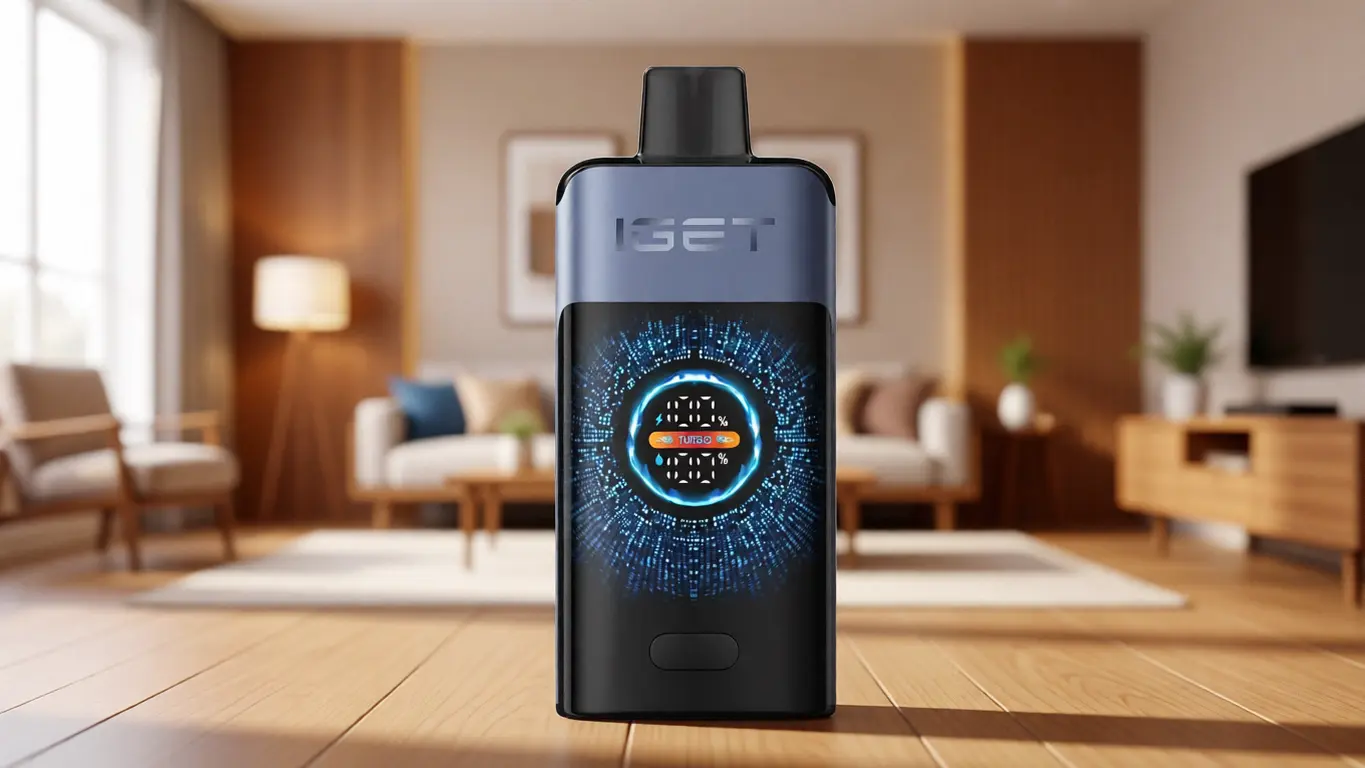
If a device provides no status feedback — no clear indication of firing, no battery level, no draw-activation feedback — you are operating blind. This is a design failing, not a user error. The solution is to choose devices that give you real-time information. This is an area where premium manufacturers invest, and it is one of the first things we check when evaluating any new addition to the OZVAPE Shop catalogue.
Common Errors and the Industry Patterns Behind Them
The mistakes people make when learning to inhale vapour are not random. They recur across demographics, and they reflect deeper misunderstandings about how these devices are built.
Assuming Visual Similarity Means Functional Similarity
A device that looks like a cigarette does not automatically behave like one. Many users instinctively apply smoking-draw patterns — short, sharp puffs — to a device designed for a slower, longer pull. The result is a hot, starved coil and an unpleasant vapour. The industry’s visual shorthand for “familiarity” has trained people into incorrect technique.
Overweighting Nicotine Strength While Ignoring Vapour Volume
A user who experiences throat harshness often assumes the nicotine concentration is too high, but frequently the problem is vapour volume combined with draw speed. A small, fast DL pull from a high-power device at 3 mg can feel harsher than a slow MTL draw at 20 mg. Focusing on concentration alone ignores the physical volume of vapour hitting the throat per second.
Treating Every Device as a Single Universal Tool
Switching from an MTL device to a DL one requires deliberate technique change. Yet many users carry the same draw habit across devices and then blame the new hardware. The industry rarely communicates this clearly, leaving the user to fail repeatedly. A more honest approach — the one we take — is to state plainly: this device works well with these draw patterns, and if you prefer a different pattern, this other device is a better fit.
Ignoring the Coil’s Operational Window
Every coil has a recommended power range and a recommended airflow range. Operating outside that window — by restricting airflow too much or firing at too low a wattage — doesn’t just produce weak vapour; it causes incomplete vaporisation that clogs the coil prematurely. This is a mechanical fact, not a matter of preference. Respecting the coil’s envelope extends its life and improves every draw.
From an industry perspective, the most responsible manufacturers are now including airflow guides and coil specifications in their packaging, not as an afterthought but as a central part of the user manual. This shift reflects a growing recognition that device performance is a shared responsibility between the engineer and the user. The ALIBARBAR documentation, for instance, explicitly maps each device to its intended draw style — something that was rare even two years ago.
Frequently Asked Questions
Q: Should I draw vapour into my mouth or directly into my lungs?
A: It depends on the device’s airflow design. Mouth-to-lung devices require you to hold vapour in the mouth briefly before inhaling. Direct-lung devices are designed for a single continuous breath into the lungs. Check the product specifications; if the airflow is described as tight or has a narrow drip tip, MTL is usually intended.
Q: Why do I cough on the first draw even though I take it gently?
A: A too-gentle draw on a direct-lung device starves the coil of cooling air, causing the vapour to become hot and harsh. Try a slightly faster, more confident pull. If the device is MTL, a too-fast draw can cause a similar problem by pushing too much hot vapour into the throat at once. Match the draw intensity to the airflow restriction.
Q: How long should a single draw last?
A: For MTL, 2–4 seconds is typical. For DL, 1–3 seconds is common. These are not rules but starting points. Adjust based on vapour temperature and density. If the vapour is too hot, shorten the draw or speed it up. If too weak, lengthen the draw slightly or increase power.
Q: Does the way I exhale matter?
A: Yes. Exhaling slowly and steadily reduces throat irritation, especially with dense DL vapour. A forceful exhale can concentrate irritants at the back of the throat. A slow, open-mouth exhale spreads the vapour and makes the experience smoother.
Q: Can I use the same device for MTL and DL?
A: Some devices with adjustable airflow can support both, but they are compromises. A coil optimised for MTL will produce unsatisfying vapour if you try to DL with it, and vice versa. Devices with interchangeable coils or pods for different styles are a better choice if you want flexibility. The ALIBARBAR range separates its lines by intended draw style, which avoids this compromise.
Q: Why does my device gurgle or leak when I inhale?
A: Gurgling signals excess liquid in the coil chamber, often from drawing too softly and not fully vaporising the liquid. Increase your draw strength slightly to clear it. If it persists, the coil may be oversaturated due to a damaged seal or a viscosity mismatch with the e-liquid.
Q: Is there a “correct” angle to hold the device while inhaling?
A: Hold it in a natural position that keeps the liquid in contact with the wicking ports. Tilting it excessively can expose the wick and cause dry hits. Most devices are designed to work upright or at a slight angle, not horizontal or inverted for extended draws.
Q: How do I verify my device is working correctly before I inhale?
A: Check for an activation indicator — a light or subtle vibration on draw-activated devices. On button-activated devices, ensure the coil fires audibly before you draw. If no feedback is given, the device is either off, locked, or empty. Without status indicators, you’re guessing; reputable products include these as standard.
Q: What should I do if vapour tastes burnt mid-draw?
A: Stop immediately. A burnt taste means the wick was dry and the coil overheated. Allow the device to rest for a few minutes so the wick can resaturate, then test with a short, gentle draw. If the taste persists, the coil is permanently damaged and needs replacement.
The Right Technique Is the One That Matches Your Equipment
Every aspect of vapour inhalation — the draw strength, the duration, the pause, the exhale — works in tandem with the specific coil, airflow, and power configuration of the device you’re holding. There is no single technique that works across all devices, and the frustration many users feel comes from applying the same habit to fundamentally different pieces of engineering. Once you understand that the device isn’t just a passive container but a dynamic thermal system, the adjustments become second nature.
Choosing a device that communicates its status clearly and whose airflow and power characteristics align with your natural draw style removes most of the learning curve. The rest is simply paying attention to the feedback your senses give you — temperature, density, sound — and responding calmly. At OZVAPE Shop, we structure our product information to make that alignment easy, because an informed user who understands how their device works will always get more out of it than one who relies on instinct alone. The right choice isn’t the most popular device or the one with the highest claimed capacity; it’s the one whose physical behaviour fits your actual daily routine.