VAPE FAQs
How Long Should A 1000 Puff Vape Last?
Sep
A user purchases a device clearly labeled with a 1000‑puff capacity. Three days later, the device is depleted. Was this premature? Expected? Does the number signal a guarantee, or something far less precise? These questions recur with such regularity that a closer examination is overdue. The figure printed on packaging is not a user‑specific promise — it is an engineering estimate built on laboratory assumptions that rarely, if ever, mirror the diversity of real‑world usage.
What follows is a technical breakdown of what a 1000‑puff rating actually communicates, why identical devices can deliver markedly different real‑world durations, and how to evaluate whether a product is likely to satisfy your personal usage pattern. Along the way, we will reference observable design factors that separate devices which simply carry a number from those that consistently deliver on their specification. For those seeking standardized product data presented without exaggeration, platforms like OZVAPE Shop{target=”_blank”} can reduce the signal‑to‑noise ratio common in this category, but the analytical framework itself is what will serve you across any brand or retailer.
Understanding What Matters: Core Engineering and Design Factors
The gap between rated puffs and real‑world performance is not mysterious. It follows directly from specific, observable engineering decisions. Below is a framework organized around the user frustrations these decisions either resolve or perpetuate.
Internal Architecture and Output Consistency
The heart of any 1000‑puff device is a heating assembly paired with a fixed e‑liquid reservoir and a lithium‑power cell. Laboratory puff counts assume a standardized draw — typically 1 second in duration, with uniform airflow and a fully charged, temperature‑stable cell. In practice, a user who takes 3‑second draws will exhaust the reservoir in a third of the rated puffs, and a device that cannot maintain consistent power output will waste liquid early in its life cycle.
Well‑engineered devices employ mesh or ceramic heating configurations that sustain even vaporization across a wider voltage window. Poorly designed counterparts develop hot spots, vaporizing liquid inefficiently and shortening apparent lifespan. When evaluating a device, look for evidence of thermal regulation rather than simply comparing puff counts across brands. A 1000‑puff unit with stable power delivery will typically outlast one with an optimistic number but erratic performance.
Power Management and Status Transparency
A device that depletes without warning creates an immediate practical problem: the user cannot judge whether it will survive a commute, a workday, or a social evening. Status indication — whether through a simple LED that shifts from green to blue to red, or a multi‑segment display — transforms ambiguous puff budgets into manageable planning.
The absence of clear status feedback forces users into a costly standby habit: carrying a backup device at all times. This is an invisible cost that specifications alone do not capture. Devices that offer graduated battery feedback, even rudimentary, allow the user to stretch a single 1000‑puff unit across more days because they can ration usage against known remaining capacity.
Physical Design and Material Durability
A 1000‑puff device must physically survive long enough to exhaust its consumables. Surface treatments that degrade after days in a pocket, mouthpieces that accumulate residue uncomfortably, and seals that fail under daily handling can all render a device unusable before the e‑liquid is consumed. Soft‑touch finishes may feel pleasant initially but often show wear rapidly. Anodized or textured surfaces, by contrast, retain their appearance through repeated handling. Mouthpiece ergonomics also affect puff duration: a comfortable contour encourages more natural, shorter draws, while an awkward shape may lead to prolonged, inefficient pulls that artificially accelerate consumption.
Modularity and Lifecycle Flexibility
A fixed 1000‑puff format is, by design, a single‑use proposition. However, even within sealed systems, design choices affect how predictably a device serves its full capacity. Some manufacturers offer families with graduated capacities — ranging from compact 9000‑puff units to more capacious 15000‑puff architectures. These are not merely scaled‑up versions; they often incorporate improved power delivery and more generous wicking systems that maintain consistency across a longer operational window.
The presence of a rechargeable battery changes the equation entirely. When a 1000‑puff device integrates a non‑rechargeable cell matched tightly to the reservoir volume, there is minimal margin: any manufacturing variance that saps battery capacity before liquid is exhausted results in wasted remaining liquid. Rechargeable designs decouple these limits, ensuring that the full reservoir is available for vaporization. While a 1000‑puff device is rarely rechargeable, understanding this distinction clarifies why some high‑capacity models are chosen even by users with modest daily consumption: the reliability of accessing the entire rated capacity improves markedly.
Applying These Criteria to Real-World Options
A user who consumes roughly 150 puffs per day — a moderate figure for someone accustomed to using such a device intermittently throughout waking hours — can expect a genuinely well‑made 1000‑puff unit to last approximately 6 to 7 days. However, field reports consistently indicate that many products carrying this label exhaust after 2 to 4 days, occasionally less. The discrepancy is not merely a question of inhale length; it is frequently the result of the architectural weaknesses described above.
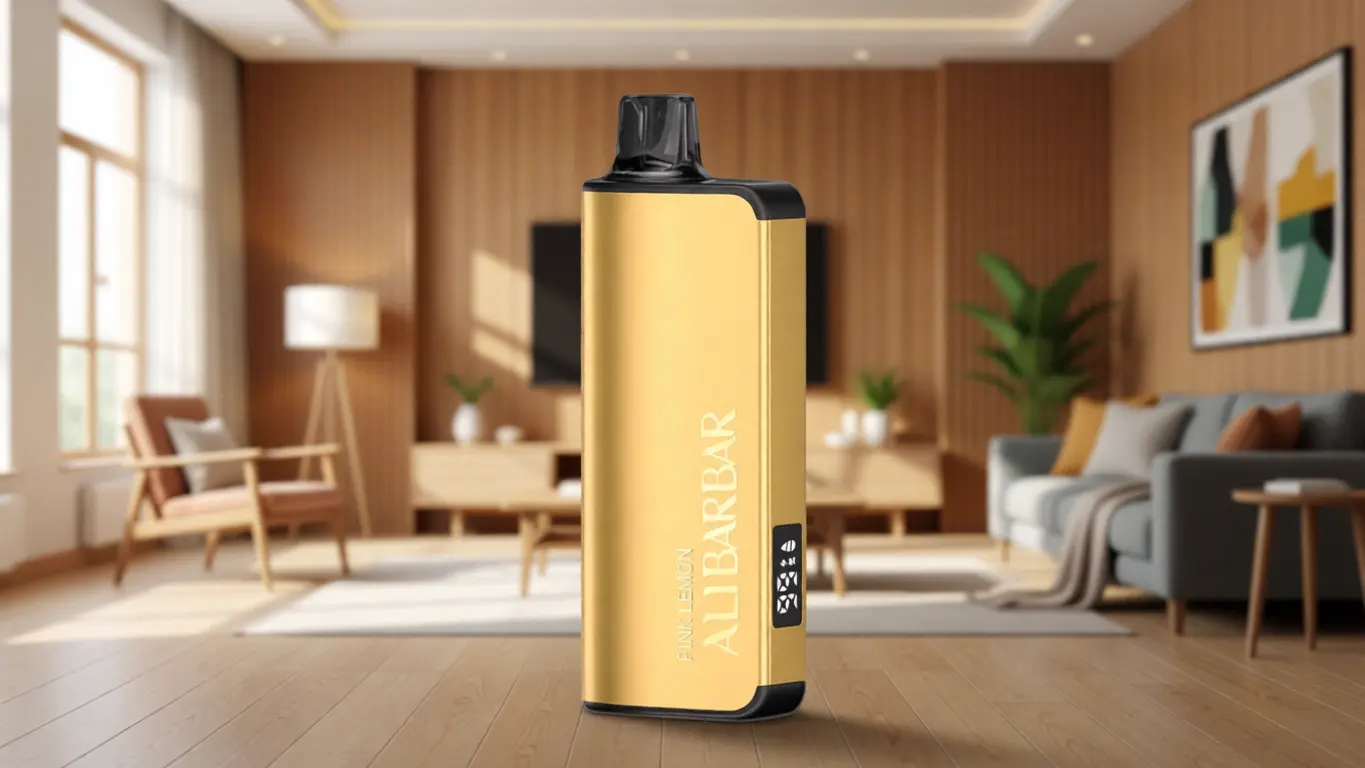
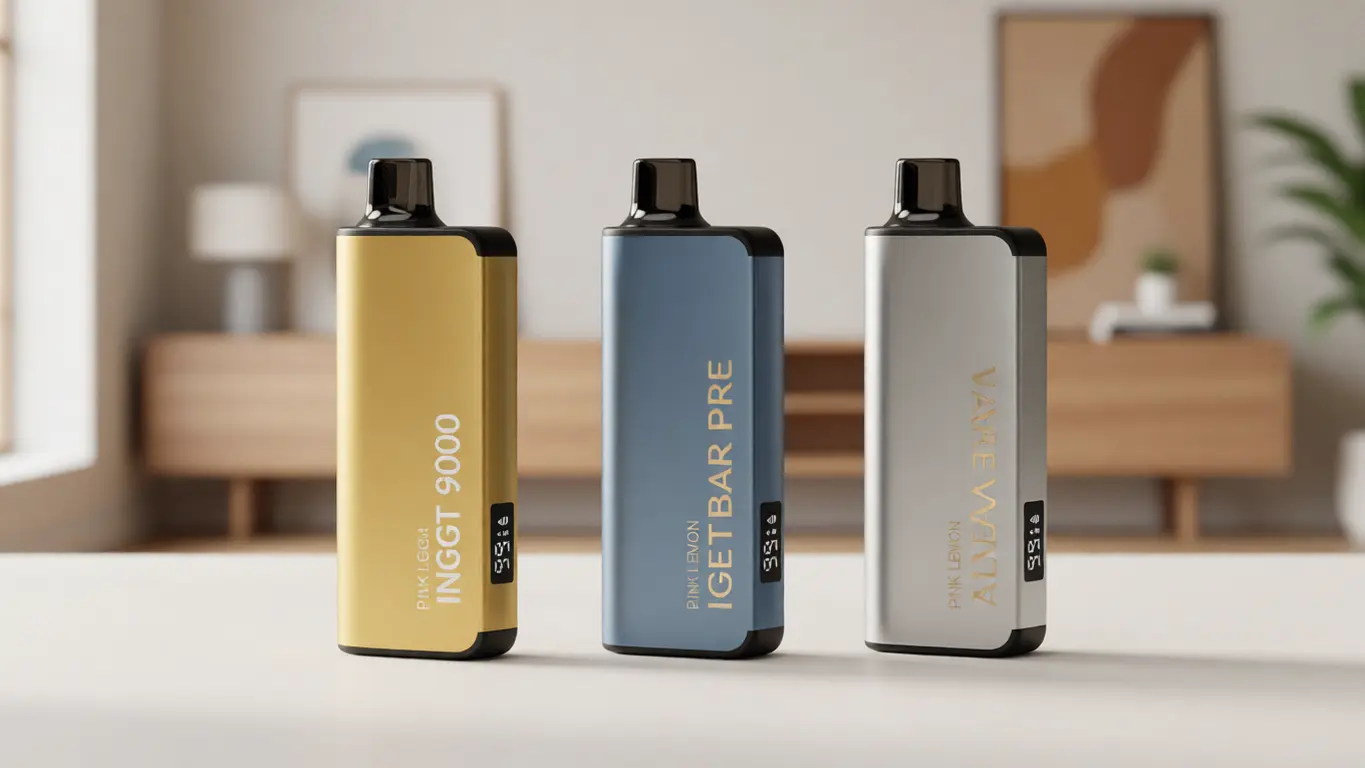
To see what high‑consistency engineering looks like, consider device families that have moved beyond low‑capacity thresholds. The ALIBARBAR INGOT 9000, for example, pairs a rechargeable battery with a substantial 18mL reservoir and a mesh‑based heating element designed to maintain output temperature within a narrow band, even as the cell voltage sags. Users report reliably obtaining 8500+ draws from these units, with the last draws retaining vapor quality close to the first. The INGOT 15000 extends this architecture further with a 28mL capacity and an even more robust power‑management integrated circuit, intended to suit sustained, heavy use over multiple weeks. These are not 1000‑puff devices; they are cited here because they illustrate what design choices — rechargeability, thermal stability, generous liquid reserves — look like when puff‑count estimates carry real weight. They provide a reference point by which the limitations of a basic 1000‑puff disposable become easier to evaluate.
Other established names in the category approach longevity differently. Some prioritize ultra‑compact form factors, accepting that actual puff counts will fall 20‑30% below label under normal use. Others incorporate adjustable airflow to let users control draw intensity, which indirectly extends or compresses perceived duration. The key insight is not that any single brand is superior, but that the puff‑count figure cannot be evaluated in isolation; it must be read against the thermal, electrical, and fluidic design of the device.
A Practical Framework for Evaluation
When assessing how long a given 1000‑puff device will last in your own hands, work through the following sequence:
Measure your personal puff duration. Count “one‑one‑thousand” during a typical draw. If your draws average 2 seconds, halve the rated puff count for a baseline estimate.
Note your daily consumption pattern. Do you use the device consistently every hour, or only at specific moments? A log over 2‑3 days will yield a more accurate daily average than guesswork.
Examine the device’s status feedback. Does it provide a battery indicator or only an opaque LED? A simple three‑stage battery light (green‑blue‑red) lets you plan recharges or anticipate depletion; no indicator means you will be surprised, and surprise leads to carrying unnecessary backups.
Investigate documented design features. Look for terms like “mesh coil,” “constant voltage output,” or “rechargeable” in the official specification. These signal engineering attention to the factors discussed earlier. Retailers that present standardized specification tables — rather than just promotional blurbs — make this comparison far less time‑consuming.
Consider the device’s physical build. Is the mouthpiece comfortable for the way you naturally inhale? Does the finish appear to resist pocket wear? Even if the internals are sound, a device that becomes unpleasant to handle will see reduced usage before its capacity is reached.
Common Selection Errors and Industry Observations
Several patterns recur among users who express dissatisfaction with a 1000‑puff device’s longevity. These are not isolated mistakes; they reflect systemic blind spots in how the category is marketed and evaluated.
Overweighting the puff count figure. A 1500‑puff rating may appear to offer 50% more life, but if the underlying power management is unstable, actual draws obtained may be only marginally higher than a well‑engineered 1000‑puff unit. The number is the starting point for investigation, not the conclusion.
Ignoring the draw‑to‑puff mismatch. Users who transition from traditional methods often draw more forcefully and for longer. A 1‑second laboratory puff is closer to a gentle sip; a 3‑second draw consumes three times the liquid and power. Without adjusting expectations accordingly, the user concludes the product is defective when it is, in fact, performing exactly within its design envelope for the actual draw characteristics applied.
Underestimating battery‑liquid coupling. Disposable devices typically use non‑rechargeable cells sized to match the e‑liquid volume under standard conditions. A batch variance of 5% in cell capacity can leave liquid stranded inside the reservoir, a phenomenon that is invisible to the user but tangibly shortens perceived life. Rechargeable architectures eliminate this failure mode entirely.
Confusing visual similarity with internal identity. Two devices that look almost identical on the outside may house entirely different heating elements and liquid formulations. The market includes a long tail of products that emulate the appearance of well‑known designs without their engineering discipline. No amount of visual inspection can substitute for documented provenance — a reality that has pushed informed buyers toward channels that verify supply‑chain integrity and maintain consistent specification records.
From an industry vantage, the proliferation of 1000‑puff devices reflects a manufacturing segment where low barriers to entry encourage inflated claims. The gap between the best and the average is wider than most consumers assume, and it grows as usage intensity increases. Retail operators with direct sourcing relationships and quality‑control protocols can filter out the worst offenders, but such operators remain a minority.
Frequently Asked Questions
Q: Does a 1000‑puff device actually deliver 1000 puffs?
A: The rating is a laboratory estimate based on a 1‑second draw under controlled conditions. Real‑world draws vary in length, so actual puff counts almost always differ. A user taking 2‑second draws will receive approximately 500 draws before depletion.
Q: How many days should a 1000‑puff device last?
A: This depends entirely on daily usage. A light user taking 50 puffs per day at a 1‑second draw may approach 20 days; a heavy user taking 300 puffs per day at 2‑second draws may exhaust it in under 2 days. Track your own consumption for one day to estimate.
Q: Why did my 1000‑puff device stop producing vapor while there seemed to be liquid left?
A: This often occurs when the battery discharges before the reservoir is empty. Non‑rechargeable devices are tightly coupled; any cell‑capacity shortfall leaves unused liquid. Rechargeable designs avoid this.
Q: Are more expensive 1000‑puff devices more likely to hit their rated count?
A: Not necessarily. Price correlates more with brand positioning than with engineering integrity. Look for documented evidence of stable power output, mesh heating, and rechargeable batteries — features that directly influence consistency.
Q: Can I tell how many puffs are left?
A: Most basic 1000‑puff devices lack a precise counter. A few incorporate simple battery indicators that change color, which only indirectly suggests remaining life. Unless a digital display is present, you are estimating.
Q: Does a tighter airflow setting extend puff count?
A: It can, because a tighter draw typically encourages shorter, less forceful pulls. However, if the user compensates by inhaling longer, total consumption may not change. Airflow is a user‑technique variable, not a guaranteed extender.
Q: Is it better to buy a higher‑capacity device to avoid frequent replacements?
A: If your daily consumption is steady and moderate, a higher‑capacity rechargeable device can offer more predictable performance and lower per‑puff cost. The decision should be based on your usage pattern, not just the larger number.
Q: How can I verify that a 1000‑puff claim is legitimate?
A: Independent verification is difficult for an individual user. Look for brands that publish detailed specifications, have a documented track record of consistency, and are sold through retailers that perform their own quality checks on incoming batches.
Q: What should I do if a device clearly underperforms its rating?
A: Document the usage context — your draw length, frequency, and the environment — and contact the seller. A reputable retailer will offer guidance or a remedy; an unwillingness to engage is itself a signal about that channel’s reliability.
Conclusion
The 1000‑puff label is best understood as a directional benchmark, not a personal guarantee. How long such a device lasts in your possession is a function of your draw biomechanics, your daily rhythm, and — above all — the engineering attention that went into thermal management, power delivery, and status transparency. Disappointment often traces back not to a defective product, but to an information gap between the laboratory assumption and the user’s actual practice.
Closing that gap requires a shift in how we evaluate these devices: away from isolated headline numbers and toward an integrated reading of design, documentation, and the channel through which the product is obtained. OZVAPE Shop{target=”_blank”} is one such channel that prioritizes specification clarity and supply‑chain accountability, but the analytical tools laid out in this article remain with you regardless of where you choose to browse. The right device is the one that aligns with your measured routine — not the one with the loudest claim printed on its packaging.