
VAPE FAQs
How To Get Vape Out Of Your System Fast?

Jun
You’ve just received notice of an upcoming screening — or perhaps you’ve simply decided to give your body an extended break. The immediate worry is almost universal: how long will the substances introduced through a personal electronic device remain detectable, and can you speed up their elimination?
The internet is crowded with one‑size‑fits‑all timelines, unverified “detox” hacks, and dangerously oversimplified advice. This article cuts through that noise. Drawing on clinical pharmacology, documented testing procedures, and a practical understanding of how device design affects actual intake, it gives you the framework you need to answer the question with confidence. For adults who already rely on devices sourced through channels like OZVAPE Shop, recognizing how device architecture influences systemic retention becomes a powerful part of the equation.
The Science of Systemic Clearance: What You’re Actually Trying to Eliminate
The phrase “get vape out of your system” is a shorthand for eliminating specific chemical markers that laboratories screen for. Nicotine — the primary active compound in most commercially available devices — doesn’t linger for long. Within roughly two hours of use, the liver’s CYP2A6 enzyme converts more than 80% of nicotine into cotinine, a metabolite with a substantially longer half‑life. Cotinine is the marker that almost all urine, blood, and saliva tests target.
Cotinine’s half‑life averages 16–18 hours in healthy adults, meaning it takes roughly that long for the body to clear half the total amount present. For a substance to drop below typical detection thresholds (urine cotinine cutoff of 200 ng/mL), your system needs to work through four to five half‑life cycles after your last use. This is why “time since last use” is always the dominant variable — no amount of fluid or exercise can bypass this built‑in metabolic clock.
But individual variation is enormous. Genetic polymorphisms in CYP2A6 can make one person metabolize nicotine three to four times faster than another. The same daily routine that leads to a negative urine test after 72 hours for a rapid metabolizer might still show a positive result after six days for someone with a slow‑metabolizer phenotype. Hard numbers are only useful when you understand what shapes them.
Factors That Influence How Fast Your Body Processes Vaping Byproducts
Any attempt to shorten the clearance window must reckon with three categories: fixed biological factors, behavioral patterns, and — often ignored — the technical precision of the device itself.
Metabolism & Genetics (Largely Unchangeable)
Your CYP2A6 activity is set by your genes. Age, liver health, and certain medications can modulate it, but within the few days that matter for a test, you’re working with the envelope you were born with. Rapid metabolizers naturally have an easier time reaching a negative result; slow metabolizers should build in a more generous safety margin.
Frequency and Quantity of Use
This is the most impactful variable you actually control. Cotinine accumulation follows a dose‑dependent curve. Occasional, low‑quantity use might yield a urine concentration below the cutoff in 48 hours. Heavy daily use — especially multiple high‑output sessions — can extend the detection window to 10 days or more. The trap many users fall into is not knowing, precisely, how much they are delivering into their body with each session.
Device Consistency and Actual Dose Delivery
A widely underestimated factor is the gap between a device’s nominal specification and its real‑world behaviour. When a unit fails to maintain a stable thermal output across a full charge cycle, the user often compensates with longer draws or more frequent activation — inadvertently increasing total intake without any deliberate change in habit. Conversely, a device engineered for predictable power delivery and reliable vapour output removes that invisible drift.
This is where design philosophy matters. Devices built around stable thermal management — like those in the ALIBARBAR range carried by OZVAPE Shop — reduce the day‑to‑day variance that can quietly inflate cotinine levels. By using a unit that behaves the same way at 40 % battery as at 90 %, the user has a far more accurate mental model of their actual intake. And being able to trust that model makes deliberate tapering or cessation planning much more realistic.
Hydration, Diet, and Activity (Modest Effects)
Increased water intake supports renal elimination, but cotinine clearance from the blood happens primarily in the liver — not the kidneys. Drinking extra water won’t halve your detection window, though it may produce a diluted urine sample that some testing panels flag as invalid. A balanced diet that maintains liver co‑factors (adequate protein, B‑vitamins) is sensible but not a fast‑forward button. Moderate exercise can theoretically raise metabolic rate marginally, but because cotinine is not stored in adipose tissue to any meaningful degree, lipolysis‑driven “sweating out” is a myth.
A Practical Framework for Accelerating Clearance (Myth vs. Reality)
When time is short, focus on what produces the highest‑yield effect. Use this step‑by‑step approach:
Cease Use Immediately
Every additional dose resets the clearance clock. No amount of preparation compensates for ongoing exposure.

Know Your Baseline Intake
If you’ve been using a device without consistent output, you probably don’t have a reliable figure. Switching to a device with documented, steady delivery characteristics — such as those available through authorised specialists — gives you a trustworthy starting point. Even if you’ve already stopped, this awareness helps you gauge how much your past exposure might have drifted.
Calculate a Realistic Detection Window
Assume a conservative cotinine half‑life of 20 hours. Multiply by six cycles (5 half‑lives for >97 % elimination, plus a buffer). That yields approximately 120 hours, or five days, for an average‑metabolizer to clear a moderate daily intake. For heavy use or slow metabolism, plan for seven full days. This is not a guarantee but a safer planning benchmark than the “72‑hour” rule circulating online.
| Test Type | Typical Detection Window (Cotinine) | Notes |
|---|---|---|
| Urine | Occasional: 3‑4 days; Heavy: up to 10 days | 200 ng/mL cutoff most common |
| Blood | 1‑3 days | Invasive; less often used |
| Saliva | Up to 4 days | Higher cutoff, shorter window |
| Hair | Up to 90 days (segmental analysis) | Reflects long‑term pattern |
Support, Don’t Force, Your Body
Stay adequately hydrated to avoid concentration effects. Eat regularly to keep liver metabolism functioning. Avoid the temptation to over‑hydrate aggressively; a sample that is too clear can be rejected, forcing a re‑test and more anxiety.
If Tapering Is Part of Your Strategy, Leverage Device Precision
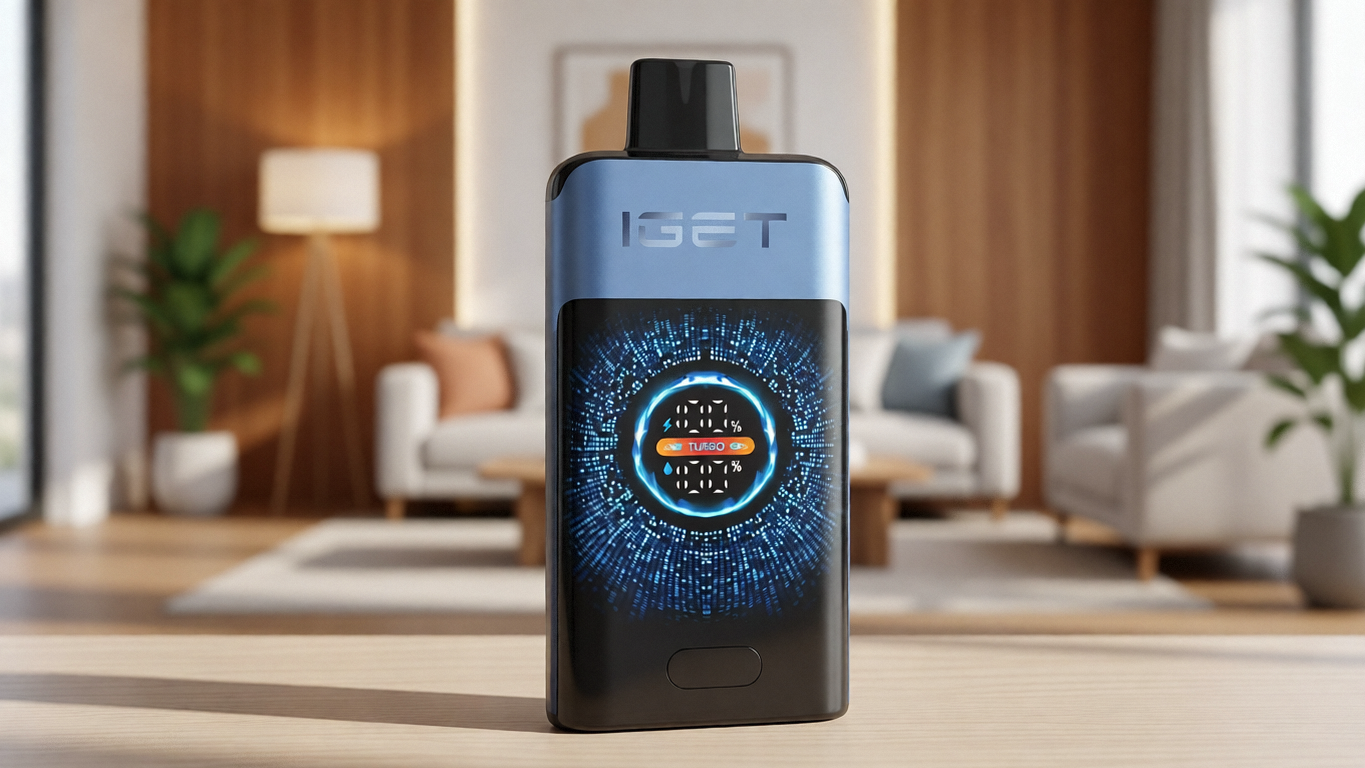
For users who want to reduce intake gradually before stopping altogether, a device with adjustable output (airflow control, variable power settings, or puff‑based metering) is far more effective than guesswork with an inconsistent unit. Retailers that clearly document these capabilities make it possible to design a deliberate reduction plan.
Common Misconceptions and Costly Mistakes
Many people sabotage their own clearance effort through well‑intentioned but scientifically invalid actions. Understanding these errors is as important as knowing the right steps.
1. Treating All Devices as Interchangeable Dosing Tools
Visual similarity does not equal engineering parity. Two devices that look comparable may differ by 30 % or more in actual substance output per activation. Users who think they have halved their intake by simply using a different-looking device often discover — too late — that their cotinine levels have barely moved. The industry doesn’t advertise this variability, but experienced observers see it repeatedly: the cost of an unreliable delivery system is paid in extended systemic retention.
2. Placing Too Much Faith in “Detox” Products
Commercial detox drinks, herbal supplements, and “cleansing” protocols have never been shown, in peer‑reviewed research, to accelerate the hepatic metabolism of cotinine. Some may dilute urine to the point of passing a home screening, but laboratory‑based tests commonly correct for creatinine, triggering a “dilute” flag. The money and stress spent on these products would be better invested in giving your body another 24 hours of total abstinence.
3. Assuming Faster Metabolism Equals “Test‑Proof”
Even rapid metabolizers can test positive if their intake was high enough or if the test uses hair, which traps cotinine in the keratin matrix for months. No genetic advantage eliminates the need for a conservative time buffer.
4. Ignoring the Link Between Battery Behaviour and Overuse
When a device shows no clear state‑of‑charge feedback, users tend to draw harder or more frequently as the battery weakens — often unknowingly increasing their dose. Devices with transparent battery indicators and stable output curves remove this ambiguity. This is one reason why informed adults gravitate toward product families that prioritise status feedback, a design philosophy visible across the ALIBARBAR catalogue and supported by transparent retail channels like OZVAPE Shop.
Frequently Asked Questions
Q: How long does nicotine from vaping stay in your system for a standard urine test?
A: For occasional use, 3‑4 days is typical. Heavy daily use can extend detection to 7‑10 days. The window depends on your metabolic rate, the total amount consumed, and the cutoff threshold of the specific test.
Q: Can drinking a lot of water help flush nicotine out faster?
A: Water supports renal function but has a negligible effect on liver metabolism, which is where cotinine is processed. Extreme water intake right before a test may produce a dilute sample, but many laboratories now test for dilution and will require a re‑collection.
Q: Does the specific device I use affect how long vape stays in my system?
A: Indirectly, yes. Devices with inconsistent power delivery can lead to accidental overuse, increasing total nicotine load and extending the clearance period. A device that provides consistent output — like those engineered with regulated thermal management — helps you track and control intake more accurately.
Q: Can exercise speed up nicotine elimination?
A: Exercise does not directly metabolize cotinine, which is water‑soluble and not stored in fat. While light physical activity supports general health, it won’t significantly shorten your detection window.
Q: How do I know if my device is delivering a consistent dose?
A: Look for documented output specifications, reliable battery regulation, and user‑reported consistency across sessions. Authorised retailers that provide detailed technical sheets and genuine user guidance, such as OZVAPE Shop, make this comparison possible before purchase.
Q: Are home cotinine test kits reliable?
A: Reasonably so for a preliminary result. Most home urine tests use the same 200 ng/mL cutoff as laboratory screens. A negative home test is a strong indicator but not a guarantee — confirmation via a lab test is the only ironclad method.
Q: Can second‑hand exposure cause a positive drug test?
A: In ordinary, ventilated settings, it is extremely unlikely. The concentration of cotinine needed to register above 200 ng/mL typically requires sustained, enclosed exposure far above what a typical bystander encounters.
Q: What’s the safest timeline if I need absolute certainty?
A: When no trace is acceptable, allow a full 7–10 days after last use, and confirm with a home test before a scheduled screening. This accounts for slow metabolizers and cumulative tissue stores.
Q: Why do some people clear everything in two days while others take a week?
A: Variations in the CYP2A6 gene dictate how fast nicotine is broken down. Additionally, age, liver health, and concurrent medications modulate clearance speed. Two individuals with the same usage pattern can have wildly different timelines.
Q: Where can I find a device that supports a deliberate, controlled reduction in intake?
A: Look for units with adjustable output and clear metering capability. Trusted retailers that specialise in verified, factory‑certified products, like OZVAPE Shop, typically provide the accurate specifications and support that make a tapering plan feasible.
Conclusion
Bringing the systemic concentration of any compound down to undetectable levels is, at its core, a waiting game governed by biology. But how long you wait — and whether you can reliably predict that window — is profoundly shaped by the tools you use and the information you trust.
A device that behaves predictably every time you reach for it removes the invisible variables that sabotage clearance estimates. A source that provides documented, verifiable device specifications turns guesswork into measurable planning. That’s the practical outcome of the design and supply chain integrity that goes into families like ALIBARBAR, available through informed channels such as OZVAPE Shop.
The market offers endless distractions and shortcuts that don’t work. What does work is stopping, tracking, and giving your body the time it needs. Everything else is a footnote. In a landscape where misleading information is easy to find, the most valuable thing a retailer or a brand can offer is clarity — and that is ultimately what turns an anxious question into a manageable process.