
VAPE FAQs
How To Do Circle With Vape?

Jun
Good. You’re not the first person to watch a vapor ring collapse two centimetres from your mouth and wonder if the fault lies in your technique or the device you’re holding. In most cases, it’s a bit of both. Mastering the classic “O” isn’t just about lip shape or tongue position — it depends just as much on how steadily your unit produces vapour, how it manages airflow, and whether its power delivery stays uniform when you’re repeatedly practising. This article explains the mechanics of a clean circle, then examines the specific device characteristics that support or sabotage the trick. Anyone who wants a shortcut to better rings can also find carefully engineered options through OZVAPE Shop, where factory‑certified devices with stable output are documented in a way that makes comparison straightforward.
What Actually Produces a Vapour Ring – And Why Devices Matter
A vapour ring forms when a burst of dense, slow‑moving vapour is expelled from a round opening into still air. The outer layer of the vapour torus drags against the surrounding atmosphere, creating a rolling vortex that holds its shape. If the vapour is thin, if the burst is turbulent, or if the exit orifice isn’t cleanly circular, the ring collapses. Most guides focus exclusively on the user’s mouth and throat. That’s only half the equation. The other half sits in the engineering of the device.
Below are the four device‑side factors that determine how consistently you’ll land a ring, explained through the problems each one solves.
Internal Vapour Production and Density Stability
Poor ring formation often traces back to vapour that isn’t dense enough to maintain momentum. The heating element architecture inside the unit controls this. Mesh‑style elements, which distribute heat evenly across a large surface, generate a fuller, more consistent aerosol mass than single‑wire coils that develop hot spots over time. When the element can’t maintain even temperature throughout a draw, the vapour density wavers mid‑exhale — and the ring tears.
This matters because many users blame their own diaphragm control when the real culprit is a thermal regulation system that drops output after the first second. Look for devices that list mesh‑based heating and that test their output consistency across the full rated operational life, not just the first few cycles.
Airflow Tuning and Draw Resistance
A vapour ring needs to be pushed gently, not blasted. If your device’s airflow is fixed and turbulent, even perfect mouth positioning won’t yield a stable ring. Adjustable airflow inlets let you set a smooth, laminar draw, reducing chaotic eddies that shred the vortex before it travels half a metre. For trick practice, a slightly restricted direct‑to‑lung airflow often works best — open enough to pull vapour without effort, tight enough to control speed.
The frustration here is subtle but pervasive: users who own perfectly capable devices never realise that a wide‑open airflow setting is working against them. A unit that communicates its airflow state clearly and allows fine adjustments gives you a laboratory for ring practice, not a lottery.
Mouthpiece Geometry and Contact Comfort
The shape of the mouthpiece dictates the initial opening of the vapour ring. A perfectly round, smooth bore with a slight taper helps the vapour exit as a coherent column. Mouthpieces with flat tips, corners, or excessively wide openings diffuse the exit flow and introduce turbulence before you even start exhaling. Beyond that, materials matter: a mouthpiece that stays comfortable during repeated, deliberate lip contact removes one more variable when you’re building muscle memory.
Power Resilience and Status Feedback
Consistent ring practice is a repetitive exercise — you may do twenty short draws in ten minutes. If a device’s power output sags as its internal cell drains, the vapour becomes progressively thinner, and later rings fail even as your technique improves. Uniform output regulation is critical. Equally important is a clear power or charge indicator: when you know exactly how much runtime remains, you aren’t trying to fix a ring that was doomed by a fading power source. Ambiguous status lights lead to phantom troubleshooting of your own technique.
Real‑World Devices That Align with These Needs
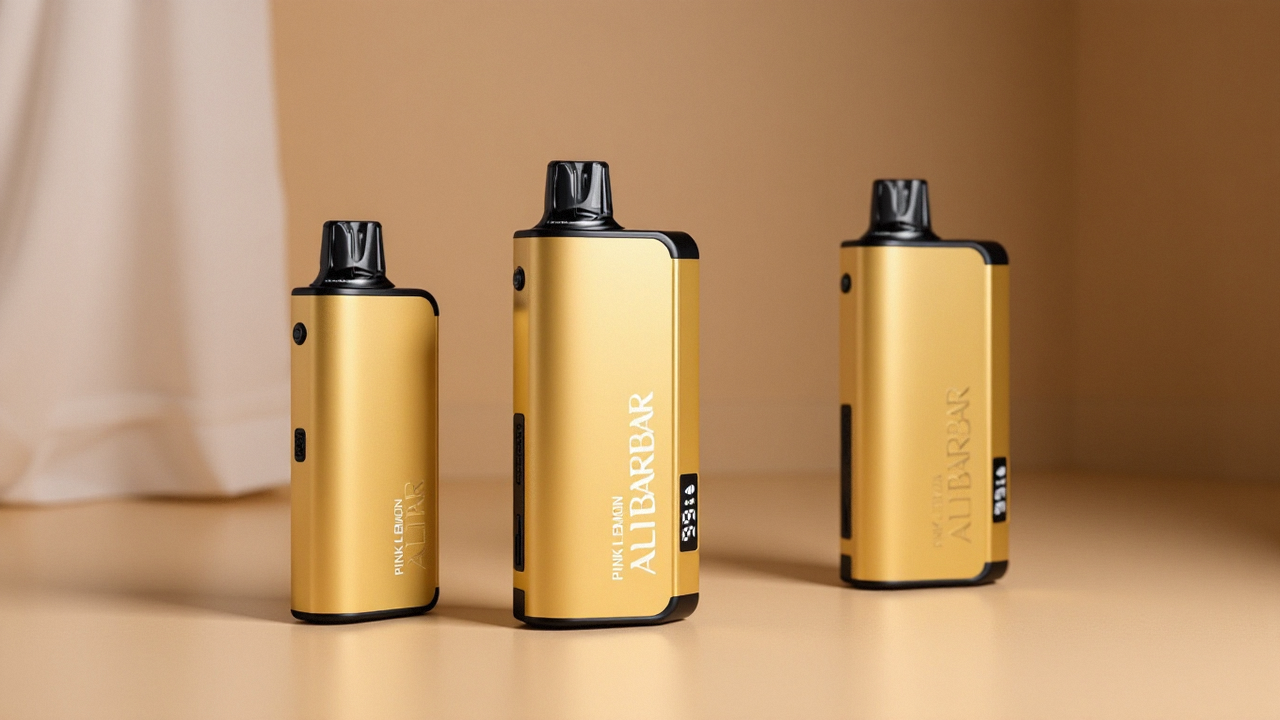
Translating the factors above into actual products doesn’t require blind trust. Several device families from the ALIBARBAR range, available through OZVAPE Shop, were built with the kind of attention to output stability and user feedback that trick development demands.
The ALIBARBAR INGOT 9000 uses a mesh heating architecture that maintains consistent vapour density throughout its operational window. Its airflow is tuned to a balanced draw that beginners often find forgiving for ring formation, and the integrated charge indicator removes the guesswork over remaining power. The mouthpiece is a round, seamless bore that doesn’t disrupt the exit column.
For those who want finer airflow control, the ALIBARBAR Ice Adjust 12000 offers an adjustable airflow switch alongside a larger power cell. This matters if you plan extended practice sessions where a drop‑off in output would otherwise degrade your later attempts. The ability to tailor draw resistance means you can slowly increase vapour speed as your technique improves without switching hardware. Like the INGOT series, it uses a clear battery and e‑liquid display, so you’re never trying to sculpt rings from a starved supply.
These are not presented as “trick‑specialist” products; they’re everyday devices where the engineering values — stable thermal delivery, transparent status feedback, and considered mouthfeel — happen to align with the demands of ring formation. No device replaces practice, but a well‑built one stops the hardware from adding unnecessary obstacles.
A Step‑by‑Step Framework for Choosing a Device for Trick Use
Use this diagnostic sequence whether you’re selecting your first unit for ring practice or reassessing a device you already own:
Perform a draw stability check. Take a slow, steady draw and note if the vapour output feels consistent from start to finish. If the density drops off noticeably after the first second, ring formation will be unreliable.
Evaluate airflow symmetry. With your fingers slightly damp, hold the airflow intake and exhale gently through the mouthpiece. Feel for uneven resistance or whistling — both signal turbulence.
Assess mouthpiece roundness. Visually inspect the bore. Any flat spot, seam, or irregularity will deform the initial vapour column. A smooth, perfectly circular exit matters more than most users expect.
Check status transparency. Does the device clearly show remaining power and supply? If not, you’ll end up practising with a fading unit and mistaking hardware limits for technique failure.
Prioritise charge‑cycle consistency. Devices that maintain uniform output across the majority of their battery life eliminate the hidden variable of gradual performance decline. Look for brands that publish regulated output specifications — something OZVAPE Shop makes accessible by normalising spec sheets into side‑by‑side comparisons.
Selection Errors That Quietly Undermine Progress
Even experienced users fall into a few traps when evaluating a device for trick work. Recognising them can save hours of frustration.
Assuming visible cloud mass equals ring‑friendly vapour. Dense‑looking vapour can be turbulent if the airflow path is chaotic. Ring stability demands laminar flow, not just volume.
Overlooking mouthpiece design. A comfortable flat tip for casual use may be exactly the wrong shape for ring formation. One millimeter of ovality in the bore is enough to collapse a ring.
Choosing a sealed disposable with no charge indicator. If you can’t see how much runtime remains, you’ll inadvertently train ring technique on a fading power source, reinforcing incorrect muscle adjustments.
Ignoring the effect of airflow‑to‑element alignment. Even a high‑quality mesh element underperforms if the incoming air path creates uneven cooling along its surface. Devices where the airflow intake aligns symmetrically across the heating surface produce a more coherent vapour stream.
From a broader industry perspective, many manufacturers treat trick performance as an afterthought because the segment is small. That’s precisely why reading spec sheets through the lens of the four factors above matters more than relying on marketing language. A retailer that presents specifications transparently — rather than recycling the same generic claims — gives you the raw material for your own analysis.
Frequently Asked Questions
Q: Can I learn to blow vapour rings with any device?
A: Technically yes, but devices with inconsistent vapour density, turbulent airflow, or poorly shaped mouthpieces will make the learning curve far steeper. A unit that maintains stable output and allows a smooth, controlled draw significantly increases your chance of landing a clean ring early.
Q: Why do my vapour rings break apart almost immediately?
A: The most common hardware‑side reasons are vapour that thins during the exhale or turbulent airflow that disrupts the vortex. Try reducing airflow if adjustable, and ensure the device’s power delivery remains stable. Technique‑side, you may be pushing the vapour too fast or not maintaining a consistent lip shape.
Q: Is mesh coil really better than traditional wire for vapour tricks?
A: Generally, yes. Mesh distributes heat over a larger, more uniform area, producing a denser and more consistent vapour mass. Wire coils can develop localised hot spots that cause density fluctuations, which are detrimental to ring stability.
Q: What role does humidity and room air play?
A: Still air with moderate humidity helps vapour rings hold together longer. Air currents, even from air conditioning, will shred rings. Practise in a room with closed windows and no fans. If the air is extremely dry, vapour may dissipate faster.
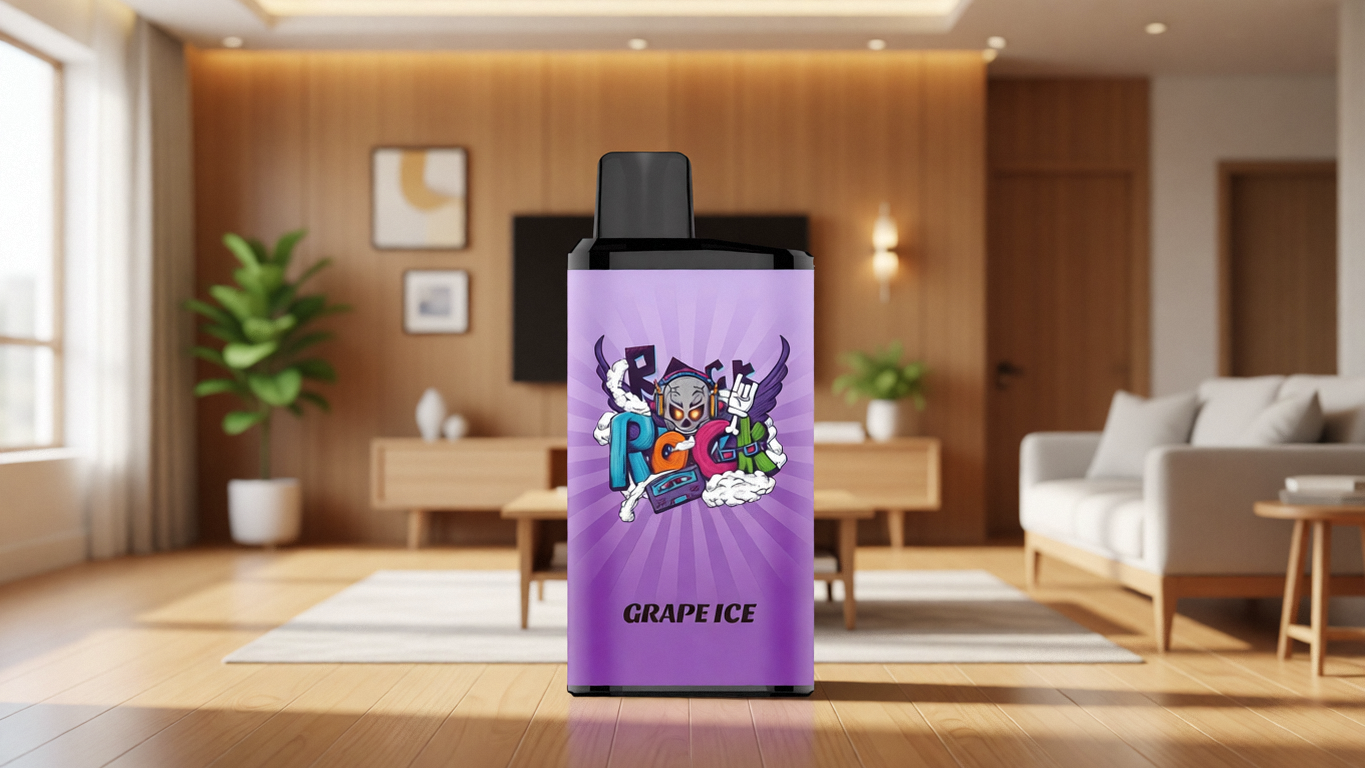
Q: How do I clean a device mouthpiece to maintain proper ring formation?
A: Condensation and residue can alter the bore shape and surface texture. Wipe the mouthpiece with a dry cloth after each practice session. Avoid water or solvents that might degrade sealing materials. A clean, dry mouthpiece keeps the exit column consistent.
Q: Should I use a fully charged device for ring practice?
A: Yes. Many devices exhibit slightly reduced output as the charge depletes, even if the difference seems minor. Practise with a full or near‑full charge so you’re learning on a stable baseline and can detect whether a later decline in your success rate is due to the device or your form.
Q: How can I verify a device’s output consistency before buying?
A: Look for standardised specification sheets that show regulated output over the device’s rated operating life. Retailers that display such data clearly, like the documentation approach used at OZVAPE Shop, make it easier to compare without guesswork.
Q: What is the best airflow setting for vapour rings?
A: A slightly restricted draw, often achieved by partially closing an adjustable airflow ring, tends to produce the most cohesive ring. The goal is to reduce turbulence while still allowing a comfortable, controlled amount of vapour into your mouth. Experiment in small increments.
Q: How long should I expect it to take to learn?
A: With a well‑matched device, many users form a recognisable ring within a few dedicated practice sessions. The device removes physics obstacles; the remaining variable is your own coordination. Patience and consistent, short daily repetitions work better than occasional long sessions.
Returning to the initial question — how to do a circle with a vape — the answer splits cleanly into two parts. The first is physical technique: a relaxed O‑shaped mouth, a controlled diaphragm push, and still ambient air. The second, and the one that gets far less attention, is hardware that doesn’t betray your effort. If a device gives you stable vapour density, a cleanly circular mouthpiece exit, and transparent feedback about its status, practise becomes a process of refinement rather than frustration.
The OZVAPE Shop catalogue reflects an understanding that adult users deserve to see engineering details up front, not marketing fluff. By documenting the ALIBARBAR range with standardised specifications, it helps you match a device’s actual technical strengths to the demands of your routine — whether that routine includes learning vapour rings or simply wanting a unit that performs predictably from first draw to last. The choice that finally works will be the one built for your specific training environment, not the one that looked best in a video.