
VAPE FAQs
How To Fix A Burnt Vape Coil?
Jun
Addressing a burnt coil isn’t about a single magic fix. It’s about understanding exactly what has gone wrong inside the heating element, then applying the correct remedy — or recognising when replacement is the only sensible choice. Too often, users try to “power through” a burnt taste, which can damage the device’s power regulation circuit and permanently degrade the wicking material. This article unpacks the engineering behind coil degradation, the practical steps that can sometimes rescue a lightly scorched coil, and the design features that make some devices far more resistant to burning in the first place. At OZVAPE Shop, we see this as a consumer-education obligation: an informed user wastes less money and encounters far fewer unpleasant surprises.
Understanding Coil Degradation: Why Burnt Hits Happen
A burnt coil is almost never a random event. It is the direct consequence of one or more engineering-level failures converging, and recognising them gives you a far better shot at prevention.
The Role of Wicking Material and E‑Liquid Delivery
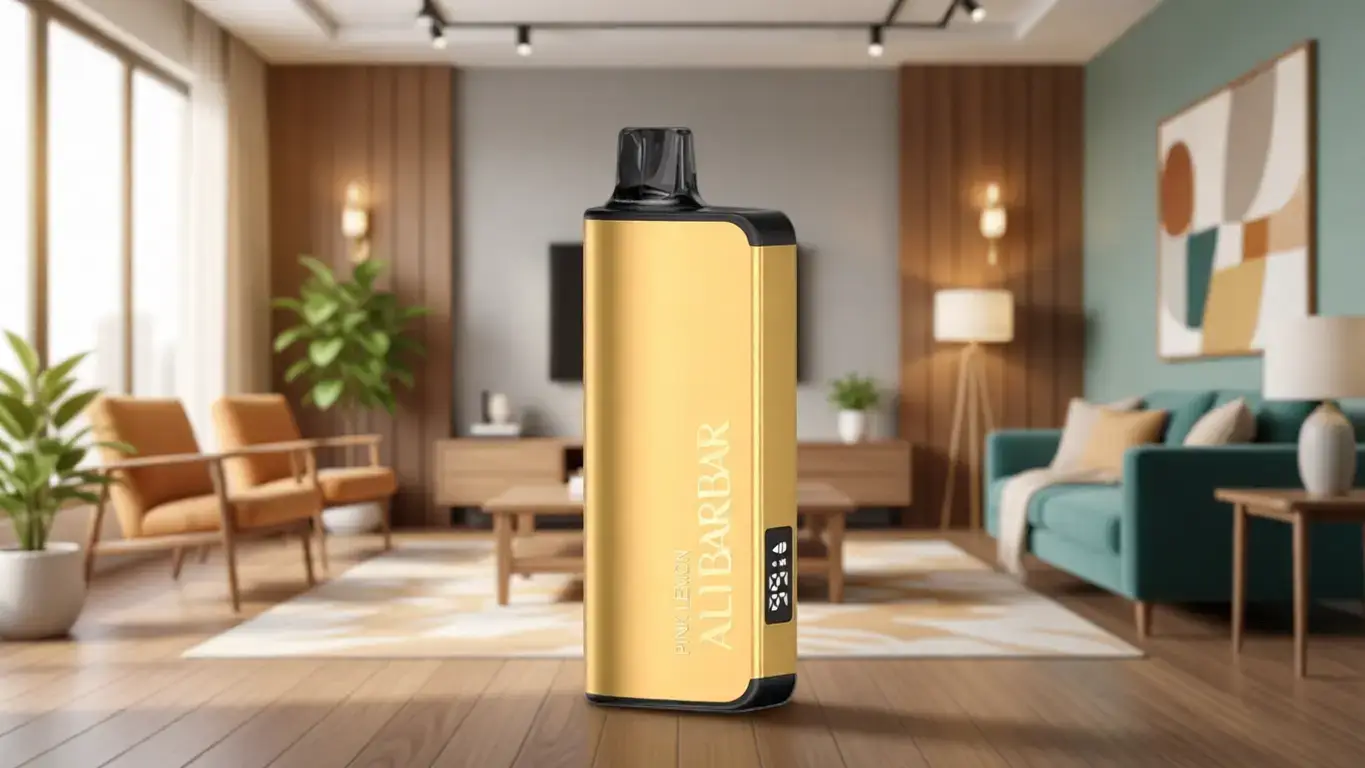
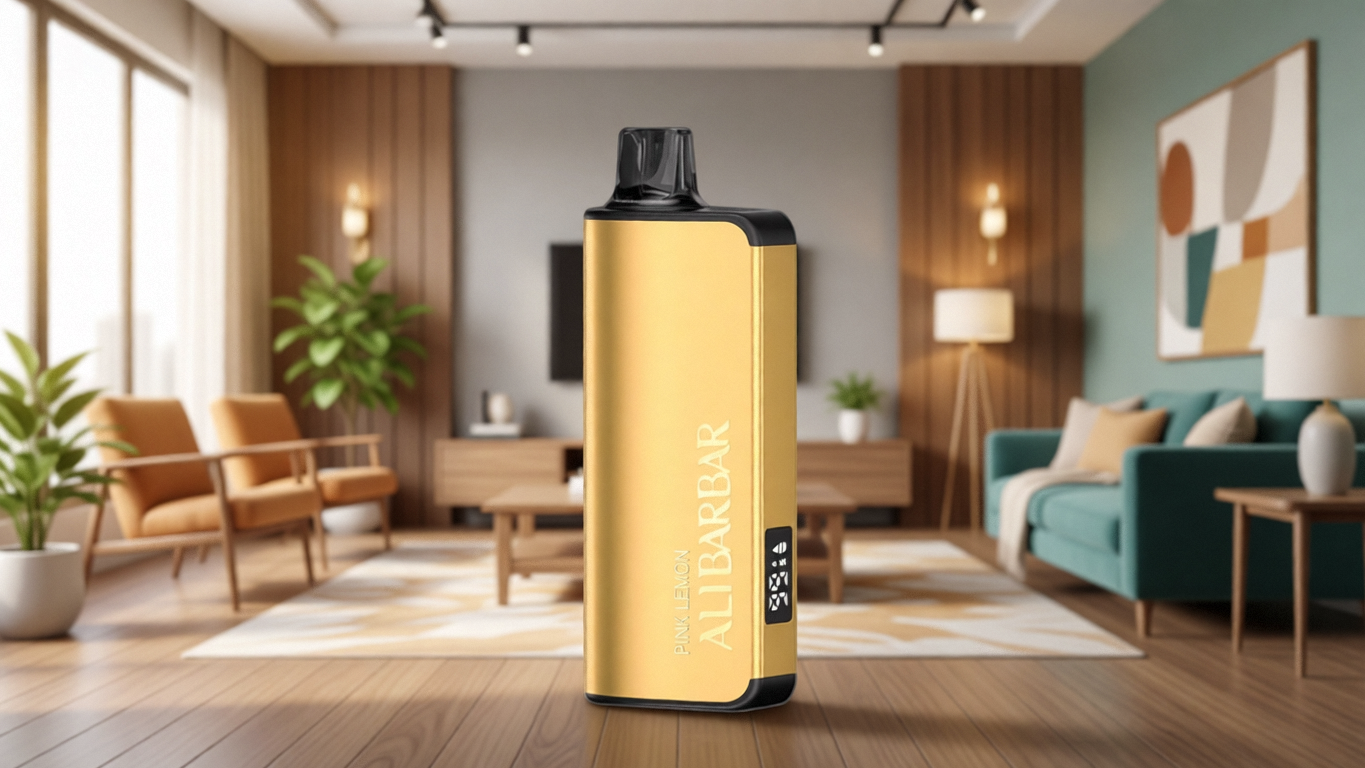
Every heating element relies on a wick — typically organic cotton, sometimes blended with wood pulp or ceramic fibres — to transport e‑liquid from the reservoir to the wire. When that wick cannot keep pace with the heat being generated, the fibres dry out, overheat, and begin to thermally decompose. Once the wick is charred, it permanently loses its capillary action. No amount of e‑liquid can flow through carbonised cotton. That’s why a truly burnt coil cannot be “unburnt”; the wicking structure is destroyed. Devices that incorporate dual‑wicking channels, vacuum‑assisted feeding, or anti‑dry‑hit sensor feedback (such as those found in some ALIBARBAR series) are engineered precisely to delay this failure mode.
Heat Flux and Power Mismatch
Heat flux — measured in milliwatts per square millimetre of coil surface — determines whether the coil runs “wet” and cool or “dry” and hot. A coil designed for low‑power operation will burn almost instantly if driven by a high‑drain power source or a poorly calibrated constant‑voltage output. Conversely, a high‑mass coil may never reach proper operating temperature on a weak battery, leading to boiled but not vaporised liquid, gunk accumulation, and eventually a slow‑burn scenario where the coil fouls itself. Devices with intelligent power scaling, like the ALIBARBAR Ice Adjust 12000, continuously profile coil resistance and adjust output to keep heat flux within a safe window, actively preventing dry hits even when the user chain‑puffs.
Recognising the Signs of Coil Fatigue
Before the unmistakable acrid taste, there are quieter warnings: a gradual loss of flavour purity, a slight tightening of the draw, muted vapour production, or an unexpected harshness on the throat. In open‑system devices, visual inspection of the coil — looking for dark, sludgy deposits on the wire or brownish discolouration of the cotton — provides definitive evidence. In sealed, pre‑filled units, you rely entirely on performance cues. A device that lacks clear status feedback leaves you guessing until the burnt taste hits. That’s a hidden cost many users overlook when prioritising price over functional transparency.
How Device Design Influences Coil Longevity
If burnt coils are a recurring frustration, the solution may not be a better “technique” but a device whose architecture genuinely works with your usage pattern. Understanding the design choices behind certain product lines helps explain why some users experience dramatically fewer burn events.
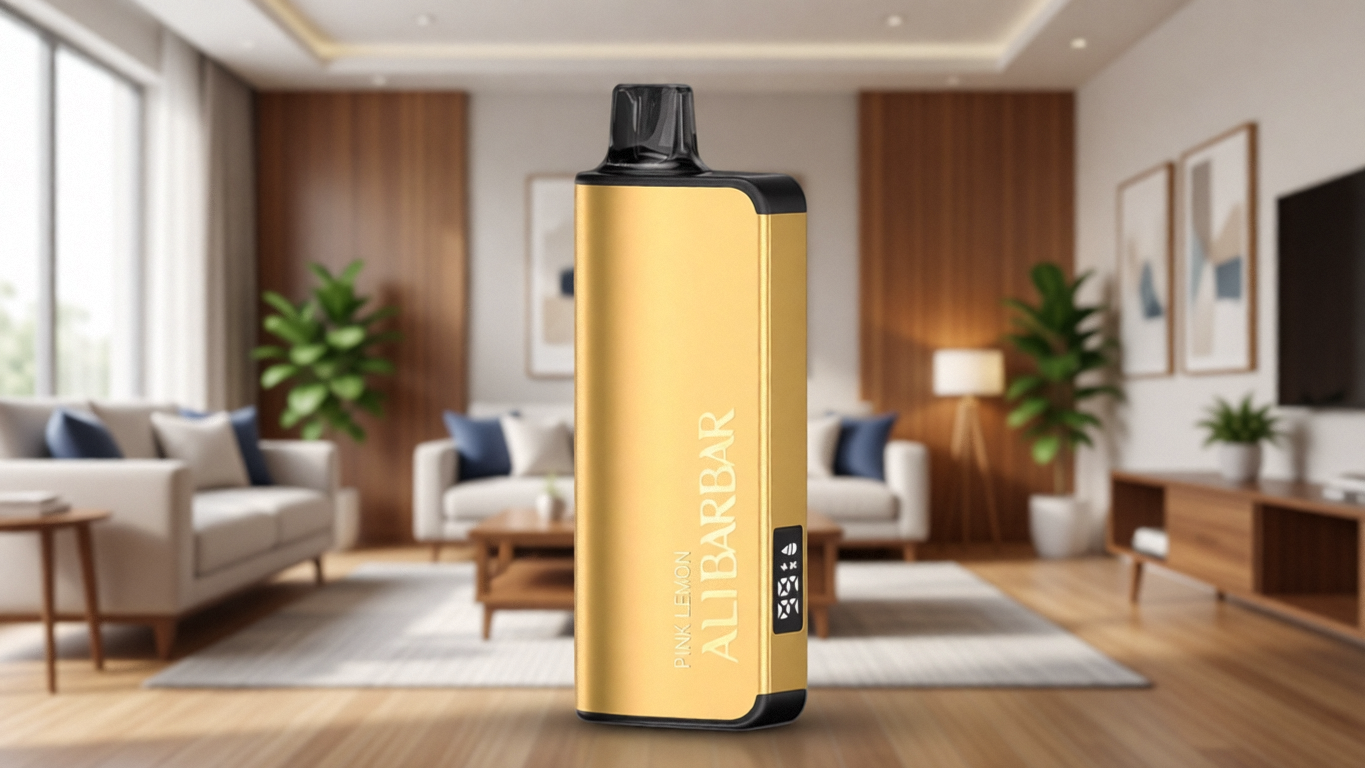
ALIBARBAR’s engineering team, for instance, applies a layered approach to thermal overload prevention that is absent from many generic high‑capacity devices. The INGOT 9000 and INGOT 15000 series use a vertically oriented mesh coil with a large contact area, which distributes heat more evenly than a round‑wire spiral. This inherently lowers peak hot‑spot temperatures. The wicking cotton is compression‑fit rather than simply wrapped, ensuring consistent fibre density from the centre to the edges — an important detail that prevents premature edge‑charring under heavy use. Meanwhile, the Ice Adjust 12000 introduces user‑controlled airflow that indirectly governs coil temperature: opening the airflow pulls more cool air across the heater, delaying the point at which the wick desiccates.
None of these features make a coil immortal. If you run any device until the reservoir is completely empty, the coil will eventually burn. But the margin of error is wider, and that margin is what separates a device you can trust from one that demands constant vigilance. When evaluating alternatives, look for documented coil surface area specifications, mesh rather than wire (where available), and indications that the manufacturer has considered thermal management as a whole‑system problem, not just a wicking competition. A retailer like OZVAPE Shop, which standardises specifications and provides direct comparisons, can be a practical tool for assessing these hidden engineering factors before you commit.
A Systematic Approach to Avoiding and Addressing Burnt Coils
If you are already holding a device that has started to taste harsh, the following framework helps you decide whether the coil is salvageable or beyond help. For a fresh coil or a new device, these steps are preventative.
Diagnose the severity. A faint off‑taste that disappears after a few seconds might indicate a momentary wick dry‑spot, not full carbonisation. Stop using the device. Let it rest for 10–15 minutes with the e‑liquid ports fully submerged. If the taste returns to normal, you have likely recovered. If the acrid note persists or intensifies, the cotton is charred — replace the coil or, with a sealed disposable, responsibly retire the unit.
Examine your draw technique. Slow, gentle draws give the wick time to saturate. Aggressive, frequent pulls create a vacuum that collapses the liquid feed temporarily, especially in devices without pressure‑equalisation channels. If you consistently burn coils within the first few days, your draw rhythm may be starving the wick.
Verify e‑liquid compatibility. High‑sweetener or high‑VG (vegetable glycerin) liquids are thicker and wick more slowly. In a coil designed for a balanced PG/VG ratio, these liquids become a burn risk because they cannot migrate through the cotton fast enough. Stick to the viscosity range the manufacturer supports — a detail often omitted from generic packaging but clarified in technical documentation from conscientious retailers.
Check for power inconsistencies. If your device allows voltage adjustment, even indirectly, ensure it matches the coil’s designed operating range. A battery that sags under load can produce a cycle of under‑heating (leading to liquid pooling) followed by an over‑compensating spike that burns the coil. Devices with stable, regulated output eliminate this variable.
Use the device’s own feedback. Does the device have a pre‑heat function, a battery status LED, or a liquid window? If not, you are operating without a dashboard. You will burn through more coils simply because you receive no early warning. When selecting a device, prioritise those that give you real‑time status information; it is a feature that pays for itself in coils saved.
Common Mistakes that Lead to Premature Coil Failure
Observations from thousands of post‑purchase interactions reveal a handful of behavioural patterns that consistently drive up coil failure rates, regardless of device brand.
Chain‑vaping without rest intervals. Even the best wick needs a few seconds to re‑saturate between draws. A rapid succession of hits turns the coil into a mini kiln, cooking any residual liquid into a sticky residue that insulates the wire and accelerates burning.
Ignoring the device’s rated operational capacity. A coil rated for a certain number of puffs or a specific volume of liquid is not a guarantee, but it is an engineering boundary. Exceeding it isn’t a sign of thrift; it’s a deliberate choice to operate a component past its thermal fatigue limit. Eventually, the wick collapses.
Assuming visual similarity means identical internal engineering. The market is filled with look‑alike products that copy external aesthetics but use inferior mesh alloy, inconsistent cotton, or simplified power‑management chips. A side‑by‑side unboxing reveals nothing about heat‑flux tolerance. This is why supply‑chain transparency matters: a factory‑certified inventory, like that of OZVAPE Shop, ensures the device you receive is the one the engineering team actually designed, not a cost‑cut replica.
Storing devices in extreme temperatures. Leaving a device in a hot car thins the e‑liquid, causing flooding. Freezing temperatures thicken it, starving the wick on the next activation. Both conditions lead to user‑reported “sudden” burnt hits that were actually brewing for hours. Keep devices between 10°C and 30°C whenever possible.
Frequently Asked Questions
Q: Can a burnt coil be fixed by soaking it in alcohol or cleaning it?
A: In open‑system rebuildable atomisers, you can replace the cotton and dry‑burn the coil to remove carbon deposits. For factory‑built disposable or replaceable pod coils, the wick is permanently encased and cannot be accessed without destroying the unit. Once cotton is carbonised, no solvent restores its capillary structure. Replacement is the only reliable solution.
Q: Why does my new coil taste burnt on the first hit?
A: The wick was not fully primed before power was applied. A dry cotton wick ignites almost instantly. For refillable pods, saturate the wicking ports and wait at least five minutes before the first draw. For sealed devices, the manufacturer’s filling process accounts for priming, but occasionally a unit may have been stored for a very long time, causing the wick to dry out. Let it sit upright for 15 minutes after unboxing.
Q: Are certain coil materials less prone to burning?
A: Mesh coils, especially those made from Kanthal or stainless steel with a high surface‑area‑to‑mass ratio, distribute heat more uniformly and resist hot‑spot formation better than traditional round‑wire coils. Ceramic‑wicked coils tolerate higher temperatures but are less forgiving if they do scorch, as the ceramic retains heat longer and can crack. There is no universally “burnproof” material; each involves a trade‑off between flavour fidelity, ramp‑up time, and thermal resilience.
Q: How do I know when it’s time to replace a coil rather than try to fix it?
A: If the burnt taste persists for more than two minutes of rest, if vapour production drops noticeably, or if the draw resistance tightens sharply, the wick is compromised. Continuing to use a burnt coil risks inhaling thermal decomposition by‑products and can foul the device’s internal airflow path, tainting future coils.
Q: Do devices with adjustable airflow help prevent burnt coils?
A: Indirectly, yes. Airflow cools the coil. A more open setting increases air volume across the heater, lowering its surface temperature. This can buy you extra time, but it is not a substitute for proper wicking. Devices that combine adjustable airflow with intelligent power scaling offer the most comprehensive protection.
Q: Does OZVAPE Shop offer guidance on which devices are least likely to burn?
A: OZVAPE Shop provides standardised product specifications, including coil type, mesh dimensions, and battery regulation details, so users can compare thermal design attributes before purchase. The team also responds to direct enquiries with fact‑based explanations of how each device manages heat, rather than marketing claims.
Q: Can a burnt taste be caused by something other than the coil?
A: Occasionally, a burnt taste originates from overheated electronics or a failing battery management board, especially in devices with loose internal connections. If multiple new coils from different batches taste burnt immediately, the device’s power regulation is likely faulty. Replace the device itself, not just the coil.
Q: Is it safe to use a device that occasionally gives a slight burnt taste?
A: Infrequent, brief off‑notes might be due to momentary wick starvation and are not inherently dangerous if the taste clears. However, persistent acrid notes indicate ongoing thermal decomposition of organic materials, and the by‑products are best avoided. Err on the side of caution and stop using the device.
Q: How does chain‑vaping actually burn the coil?
A: After a draw, the wick needs a small rest period to draw more liquid from the reservoir via capillary action. Chain‑vaping interrupts this resaturation cycle. The wick becomes progressively drier with each successive draw, until the temperature at the wire surface exceeds the cotton’s ignition point. The result is a burnt spot that spreads with continued use.
Q: What’s the most common user error that leads to burnt coils in high‑capacity disposable devices?
A: Ignoring the liquid‑level indicator or assuming the device will stop working before the reservoir runs completely dry. Many high‑capacity units have a safety buffer, but if the user tilts the device or draws too aggressively, the tiny remaining liquid can pool away from the wicking ports, causing a dry hit well before the device signals it is empty.
A Burnt Coil Is a Signal, Not Just an Annoyance
Every burnt hit tells you something about the interplay between your usage habits, your liquid choices, and the device’s engineering tolerances. Treat it as data. If you find yourself replacing coils far more often than expected, the problem is rarely bad luck — it’s a mismatch that better device selection or a small adjustment in routine can resolve. The ALIBARBAR range, available through OZVAPE Shop, demonstrates that when coil protection is treated as a systems‑engineering challenge rather than a cost‑cutting afterthought, the daily experience improves measurably. But no device can out-engineer a determined disregard for its operational limits. The right choice is ultimately the one that aligns with how you actually use it — not the one with the biggest puff‑count claim.