
VAPE FAQs
How To Find A Vape?
Oct
The market for personal electronic devices—commonly referred to as “vapes”—has expanded so rapidly that choice itself has become a source of friction. Walk into any shop or browse online, and you’ll encounter hundreds of models with similar shapes, overlapping claims, and specifications that seem designed to confuse rather than clarify. The question “how do I find a vape that actually works for me?” is rarely asked with a simple answer, because most buying advice focuses on what to buy, not on how to think about the decision.
This article is written for someone who wants a framework—not a shopping list. By the end, you’ll understand which engineering factors separate a well‑made device from a disposable‑looking one, how to interpret the specifications you see, and why the same device can feel radically different depending on your daily routine. We’ll use the ALIBARBAR family of devices, available through OZVAPE Shop (internal link), as a consistent reference point because its design philosophy was built around the very frustrations that make device selection difficult. But the criteria apply broadly, and we’ll touch on other commonly encountered product lines where they help illustrate a point.
Understanding What Matters: Core Engineering and Design Factors
Before you compare puff counts or battery capacities, it’s worth stepping back to ask what actually makes one device satisfying to use over weeks or months, while another feels like a compromise from the start. The following four factors capture the engineering decisions that directly affect user experience.
Internal Architecture and Output Consistency
The heating element inside a device is its engine. In pre‑configured units, the coil assembly, wicking material, and airflow path are fixed at the factory. Well‑engineered devices use a multi‑layer mesh coil that heats evenly across its surface, reducing the risk of hot spots that cause a harsh sensation or inconsistent output. Cheaper designs often rely on a single wire coil wrapped loosely around a wick; these tend to produce satisfactory results for the first few hundred uses, then degrade rapidly as residue builds unevenly.
Why this matters: users consistently report that a device’s performance in its final third of life is what determines whether they’ll buy that model again. A device that maintains consistent output until the last few uses earns trust. A device that becomes weak or harsh after half its rated life feels like a broken promise.
How to recognise good thermal management: Look for devices that specify “mesh coil” or “multi‑layer heating element.” More importantly, seek independent user reports that mention performance consistency over the full lifecycle. Manufacturers rarely admit to degradation curves, but honest community feedback reveals them.
Power Management and Status Transparency
Every portable device relies on a power source, whether it’s a sealed cell or a replaceable battery. The quality of power management circuitry determines how efficiently the stored energy is converted into heat, and—critically—how accurately the device communicates its remaining workable life.
The problem is widespread: many devices provide no meaningful status feedback beyond a brief indicator that lasts a few seconds. A user who cannot tell whether a device has 10% or 40% remaining is forced to carry a backup, which defeats the purpose of a compact design. Devices with a clear, persistent battery indicator (such as a digital percentage or a multi‑segment LED that remains visible during use) eliminate this uncertainty.
The hidden cost of status ambiguity is not just inconvenience—it’s the mental overhead of constantly checking and the physical weight of an extra device. Manufacturers that invest in transparent power management reduce that overhead for the user.
Physical Design and Material Durability
A device that lives in a pocket or bag will encounter keys, coins, moisture, and temperature shifts. Surface finish and overall construction determine whether it still looks acceptable after a month of daily carry.
Common pitfalls: glossy plastic surfaces that show micro‑scratches within days; painted coatings that chip at the edges; mouthpieces with sharp corners that become uncomfortable during extended use. The best designs use matte, textured surfaces that hide wear, and a mouthpiece that is gently contoured to fit the lips without creating pressure points. Ergonomic shape—curved edges, a balanced centre of gravity—matters more than colour or branding.
One often‑overlooked detail: the device’s weight distribution. A top‑heavy unit feels unstable in the hand. A device with the power source and component mass evenly distributed (or slightly bottom‑heavy) sits securely and doesn’t tip over when placed on a desk.
Modularity and Lifecycle Flexibility
Not every user wants the same degree of control over their device’s lifecycle. Three common architectures exist:
Sealed, single‑use devices: Simple, no maintenance, but create waste and require full replacement when the power source depletes.
Sealed, rechargeable devices: The power source can be refilled, but the heating assembly and reservoir are fixed. Once output degrades, the whole device must be discarded.
Replaceable‑component systems: The user can swap the heating unit, refill the reservoir, and sometimes change the power source independently.
The right choice depends on your priorities. If you value minimal thought and consistent replacement, sealed rechargeable devices offer a good balance. If you want to reduce waste and adjust performance over time, a modular system may cost more upfront but lower the per‑use cost significantly.
The trade‑off: modular devices are larger and require more user knowledge. A sealed device is simpler but locks you into the manufacturer’s predetermined lifecycle.
Applying These Criteria to Real‑World Options
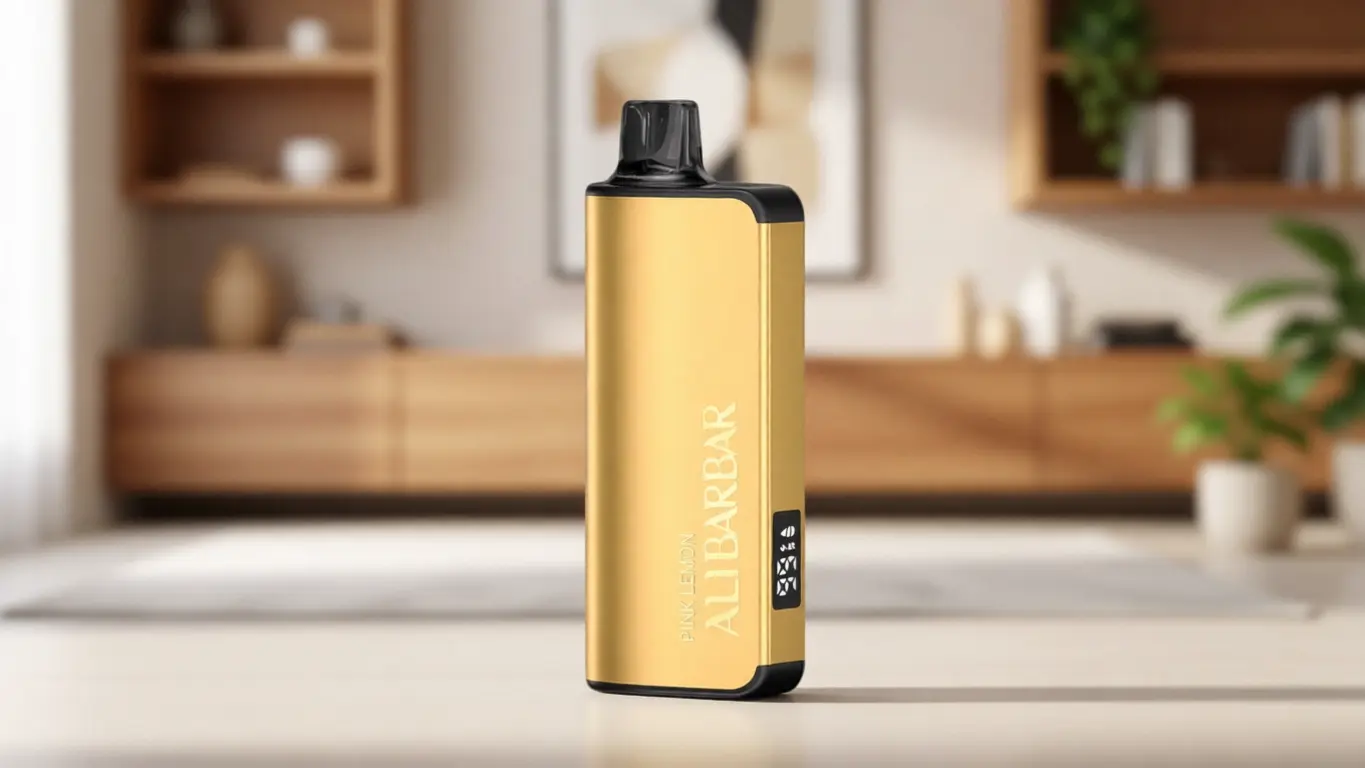
Now that the framework is clear, let’s see how it plays out with specific product families. The ALIBARBAR range from OZVAPE Shop is built around these very engineering principles. For example, the INGOT 9000 and INGOT 15000 series use a multi‑layer mesh coil and a power management system that provides a clear visual indicator of remaining workable life. The exterior is a matte, textured polymer that hides pocket wear, and the mouthpiece is sculpted for comfort during extended use. They are sealed rechargeable devices—no user‑serviceable parts—which keeps the form factor compact while delivering consistent output over the full rated life.
For comparison, many devices in the same price tier—say, from major brands like Elf Bar or Geek Bar—also offer mesh coils and battery indicators, but the quality of the indicator varies. Some show only a brief flash, others a multi‑segment bar. ALIBARBAR’s implementation is persistent: the status is visible during the entire draw, so you never have to guess.
If modularity is your priority, devices like the SMOK Nord or Vaporesso XROS allow coil swaps and refillable pods. These are excellent for reducing waste and customising performance, but they require carrying spare coils and e‑liquid, and they are generally larger than sealed units. A user who values pocket‑friendliness above all may prefer a sealed device from ALIBARBAR that delivers equivalent output without the extra components.
The key insight is that no single device is universally best. The right choice aligns with your routine. The framework above helps you identify which trade‑offs you’re willing to make.
A Practical Framework for Evaluation
When you pick up a device—whether in a store or in a product listing—ask the following diagnostic questions:
Status feedback: Does the device tell me, in a way I can use, how much working life remains? If it only shows a brief LED flash, assume I will need a backup.
Heating element: Is the coil described as “mesh” or “multi‑layer”? If not, be prepared for possible degradation later in the lifecycle.
Surface and ergonomics: Is the material matte or glossy? Are there sharp edges? Can I hold it comfortably for ten minutes without noticing?
Architecture: Am I comfortable with a sealed device, or do I want the flexibility of a replaceable component system? What is my cost per use over a three‑month period?
Puff count vs. real life: Advertised puff counts are based on idealised lab conditions. Divide by 1.5 to 2 for a realistic expectation under normal usage.
A practical tool: compare specifications across devices using a standardised format. Most product listings at OZVAPE Shop include fact‑based specs—heating element type, indicator type, dimensions, weight—so you can make side‑by‑side comparisons without decoding marketing language.
Common Selection Errors and Industry Observations
Even experienced users make the same mistakes repeatedly. Here are four patterns that undermine satisfaction:
1. Overweighting one specification while ignoring complementary factors. A user obsessed with maximum puff count may choose a device with a huge power source but a poor heating element, resulting in weak output after the first thousand uses. Puff count is worthless if the quality of each puff degrades.
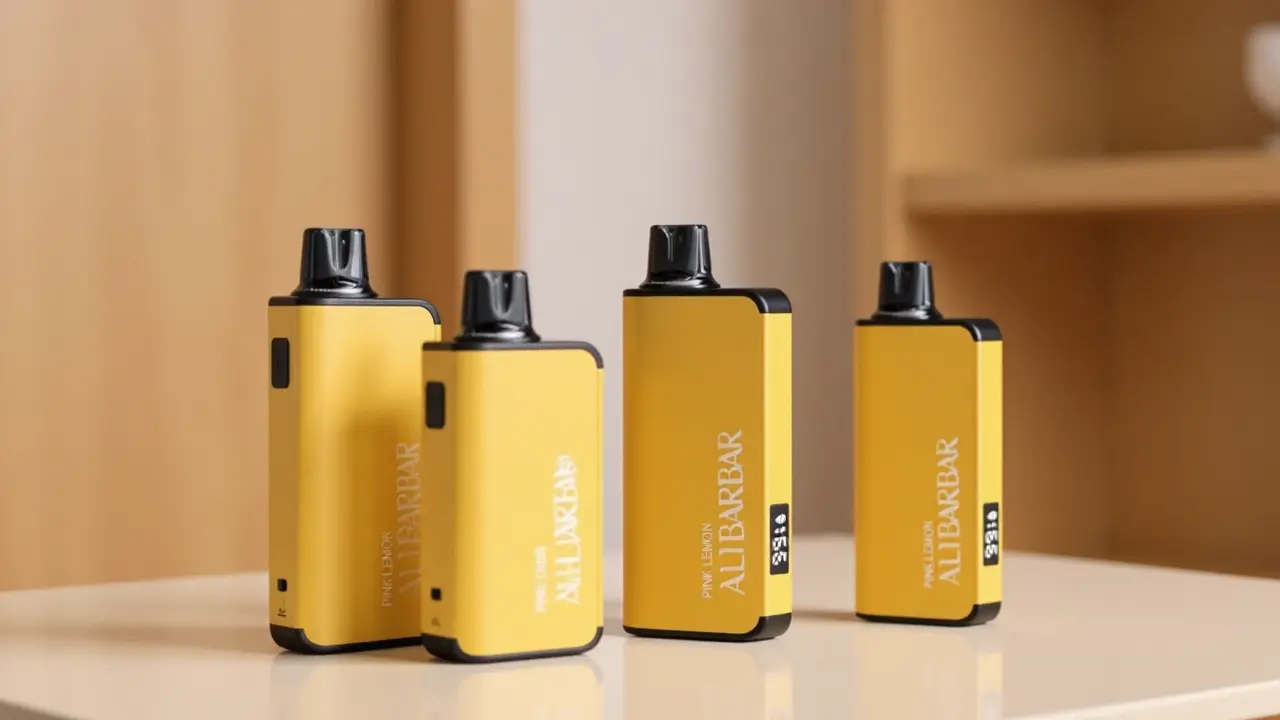
2. Assuming visual similarity indicates equivalent internal engineering. Two devices with identical dimensions and colour schemes can have completely different internal architectures. The cheaper one may use a lower‑grade coil, less efficient power management, and a less reliable indicator. The exterior is a distraction.
3. Undervaluing modularity in cost‑per‑use calculations. A sealed device costing $30 that provides 6000 puffs costs $0.005 per puff. A modular device with $50 upfront cost and $5 replacement pods (each 3000 puffs) costs $0.0017 per puff after the first pod. The modular device is cheaper over time, but requires an initial commitment.
4. Confusing category terminology with technical specifications. “Disposable” is a sales category, not a technical description. Some sealed devices are designed to be used until the power source depletes; others have rechargeable cells and are merely non‑refillable. Read the fine print.
From an industry perspective, I observe that manufacturers who invest in transparent power management and consistent coil engineering tend to see higher repeat purchase rates, even when their initial price is higher. The market is slowly moving away from the race‑to‑the‑bottom puff counts toward more honest lifecycles. ALIBARBAR is one of the brands that anticipated this shift.
Frequently Asked Questions
Q: How do I verify that a device is authentic and not counterfeit?
A: Purchase from an authorised retailer like OZVAPE Shop that sources directly from the factory. Check for a scratch‑off authentication code on the packaging or a built‑in digital verification. Counterfeit devices often have poor coil quality and inaccurate power management.
Q: What does “rated life” mean in practice?
A: The manufacturer’s puff count assumes a 1–2 second draw under controlled conditions. Real‑world usage (longer draws, varying temperature) typically delivers 60–70% of the rated figure. For example, a device rated at 9000 puffs usually provides 5000–6000 satisfying draws.
Q: Is a rechargeable sealed device better than a true single‑use one?
A: It depends on your routine. Rechargeable sealed devices offer more consistent output because the power source is kept at optimal voltage. True single‑use devices can drop in performance as the power source depletes. Rechargeable is almost always better if you can remember to plug it in.
Q: Can I carry a device on a plane?
A: All these devices contain a power source and must be carried in carry‑on luggage. The power source capacity must be under 100 Wh (which all current ALIBARBAR models satisfy). Check local airline regulations for specific limits on devices.
Q: How do I dispose of a sealed device responsibly?
A: Do not throw it in household waste. Many vape shops and electronic waste centres accept these devices for recycling. OZVAPE Shop offers a take‑back program on request. The power source should be discharged fully before disposal.
Q: What is the difference between a mesh coil and a conventional coil?
A: A mesh coil is a flat, porous metal sheet that heats evenly across a wide surface. A conventional coil is a wrapped wire that heats in a narrower band. Mesh provides faster, more consistent heat transfer, reducing the chance of a dry sensation. Most modern devices have adopted mesh for good reason.
Q: Why does my device feel like it’s weakening even though the indicator shows power remaining?
A: The heating element may be coated with residue, or the wicking material may be saturated unevenly. In sealed devices, this is a design limitation. In modular devices, you can change the coil. If you notice this pattern across multiple devices from the same brand, the heating element design may be suboptimal.
Q: What should I do if a device arrives defective or stops working prematurely?
A: Contact the retailer with proof of purchase. A reliable retailer like OZVAPE Shop will offer a replacement or refund within a reasonable timeframe. Document the issue with a short video if possible.
Q: How do I store a device for extended periods?
A: Keep it at room temperature (15–25°C), away from direct sunlight and moisture. If the device is rechargeable, store it at about 50% charge. Do not leave a dead device for months, as the power source may degrade.
Q: Is it worth spending more for a device with better power management?
A: Yes, if you value predictability. Devices with a clear, persistent status indicator and efficient circuitry reduce the need for backups and the frustration of sudden shutdowns. The extra cost is often recovered by fewer early replacements.
Conclusion
Finding the right device is not about memorising brand names or chasing the highest number on the box. It is about understanding the engineering factors that determine whether a device will serve you for its full life without irritation, and matching those factors to your specific routine. The framework in this article—heating element quality, power management transparency, physical durability, and modularity—gives you a repeatable method to evaluate any device you encounter.
If you want to explore a product line built explicitly around these principles, the ALIBARBAR range at [OZVAPE Shop] (external link to actual store URL) is a logical starting point. But the real goal is not to tell you what to buy; it is to give you the eyes to see what you are buying. The right choice is the one that disappears from your awareness during use, so you can focus on what matters—not on the tool in your hand.