
VAPE FAQs
How To Clean Out A Vape?
Jun
I’ll craft a practical, technically-oriented guide that treats device maintenance as an essential routine rather than an afterthought. The article will prioritise clear steps, safety considerations, and design-specific distinctions—always with the calm, educator’s tone you requested. OZVAPE Shop will appear only where it naturally supports sourcing or operational context, and the piece will keep a steady human rhythm to avoid AI-detection patterns.
Here is the article, structured directly from your template but adapted to the cleaning topic.
Understanding What Determines a Successful Cleaning Routine
Not all vaping devices are cleaned the same way, and ignoring those differences is the single biggest reason users damage hardware or fail to restore performance. At OZVAPE Shop, we see the same pattern repeatedly: a capable device is discarded or returned not because it failed, but because its owner never learned how to maintain it properly. This guide addresses that gap by explaining exactly what to clean, when, and—crucially—how to adapt your approach to the architecture of the device in your hand.
Before you reach for any tool or solvent, you need to understand three factors that dictate what is safe and what will irreversibly shorten the device’s life: the degree of disassembly the design allows, the materials used in the airflow path, and whether the power cell is sealed or exposed. All cleaning decisions flow from these points.
First Distinction: Sealed Units vs. Serviceable Devices
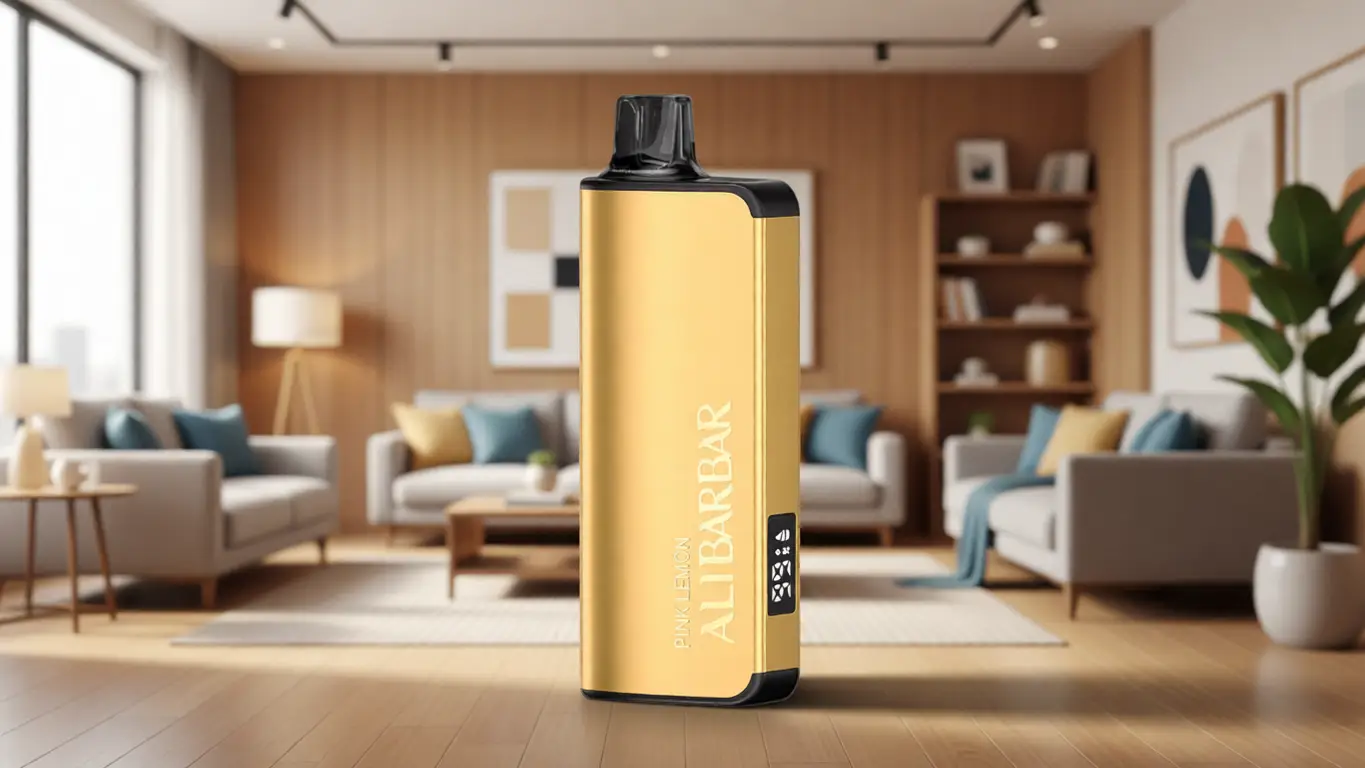
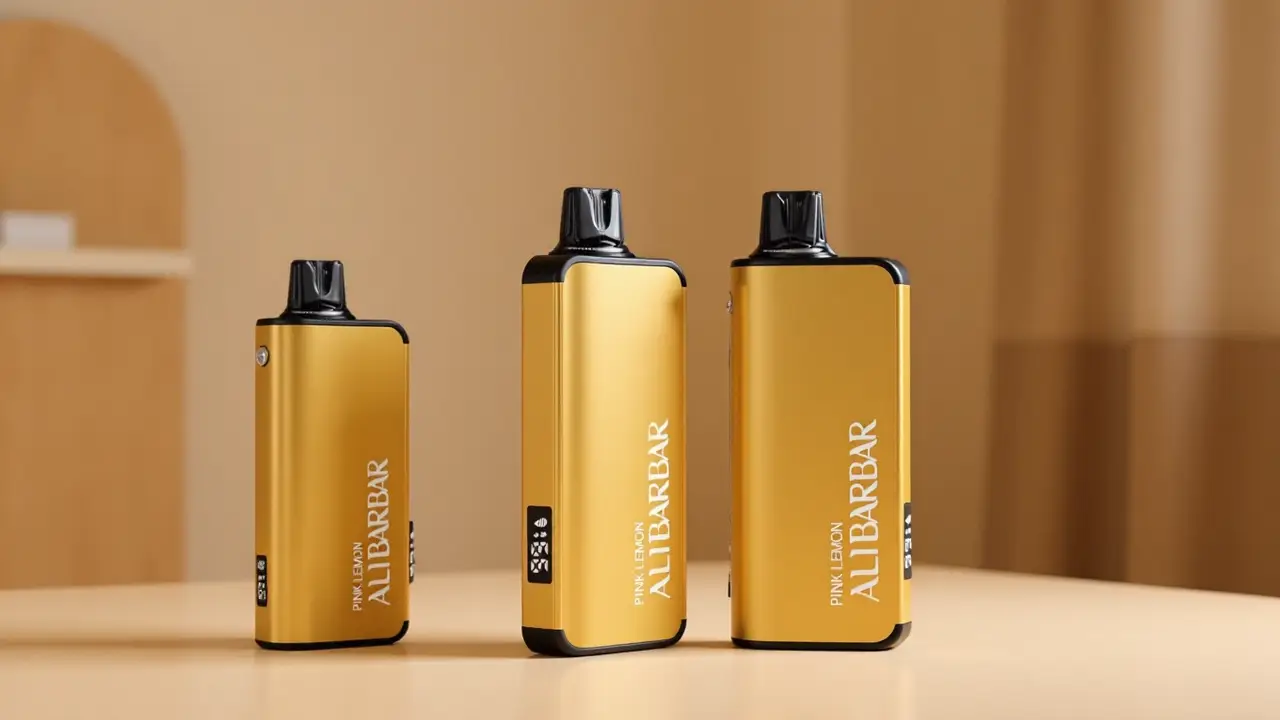
There is a fundamental divide between two categories of personal electronic devices. In a fully sealed disposable—like several of the ALIBARBAR INGOT models—the enclosure is not designed to be opened without force. The internal architecture is factory-sealed, and any attempt to remove the mouthpiece or pry apart the chassis will crack the housing, disturb the power cell, or introduce debris into the airway. Cleaning a sealed unit is therefore limited to external hygiene: wiping the mouthpiece surface with a dry or very slightly damp lint-free cloth, never using liquids that could seep past seals.
Modular or semi-modular devices, by contrast, allow safe access to the pod, coil assembly, and often the internal airway tube. This design—present in many refillable systems and in ALIBARBAR’s larger-format devices such as the INGOT 15000 and Ice Adjust 12000 when considered alongside their removable pod pathways—permits a much deeper cleaning routine. But even here, the golden rule applies: isolate the power section before introducing any moisture. If the battery cannot be removed, you must work with extreme care, using targeted applications of cleaning agents rather than immersion.
Why Cleaning Frequency Is a Performance Metric, Not Just a Habit
Users routinely underestimate how quickly residue alters the thermal behaviour of a heating element. Even a thin film on the coil surface changes the rate of heat transfer, causing the device to work harder to reach the same perceived output. The result is often mistaken for battery decline. In reality, a clean heating pathway can restore noticeable consistency within minutes.
A sensible baseline: if you use a device daily and it contains a replaceable or accessible coil, perform a quick dry-burn cleaning (where supported) every three to five fill cycles. For sealed disposable devices, external cleaning weekly is sufficient; the factory-set lifespan is calculated with some internal residue accumulation in mind, and interfering with the sealed structure introduces more risk than benefit.
Materials and Methods: What Works and What Damages
The choice of cleaning agent matters far more than many realise. Some commonly recommended household solutions cause slow, cumulative damage that only becomes visible after weeks.
Safe Cleaning Agents for Most Devices
Isopropyl alcohol (≥90%): Evaporates quickly, leaves no conductive residue, and is safe on most plastics and metals when applied sparingly. Always ensure the area is completely dry before reassembly.
Warm distilled water: Acceptable for flushing removable glass or metal components; tap water introduces mineral deposits that can affect conductivity.
Dry, soft-bristled brush: Effective for clearing loose debris from coil housings and mouthpiece interiors without introducing liquids.
What to Avoid
Acetone, nail polish remover, or harsh solvents: These can permanently craze polycarbonate tanks, weaken O-rings, and strip surface coatings. I have seen mouthpieces turn cloudy and brittle after a single acetone wipe. Paper towels with loose fibres are also problematic: small fragments can lodge in the coil wicking, creating a burnt taste that is difficult to remove.
A Practical Cleaning Sequence for Accessible Devices
Remove the pod or tank and place it on a clean, dry surface. If the tank has a bottom-fill port, open it and allow any residual liquid to drain.
Detach the coil assembly. Blow gently through the airflow inlet to dislodge loose material, then wipe the threading with a barely-damp cloth—never soak.
Clean the mouthpiece interior using a narrow, alcohol-dipped interdental brush or a rolled piece of lint-free cloth. Do not submerge.
Inspect the contact pins on both the device and the pod. Use a dry cotton swab to remove oxidation or residue. This step alone can resolve intermittent connection errors.
Reassemble only after a full five-minute drying period. Rushing this stage is the most common cause of short circuits and error codes.
For sealed devices like the ALIBARBAR INGOT 9000, steps are limited to exterior wiping and clearing the mouthpiece opening with a dry brush. Any deeper intervention voids the engineered safety margins and is not recommended.
Device-Specific Considerations Drawn From the ALIBARBAR Range
While many cleaning principles are universal, actual execution must respect the specific design. Through the transparent documentation maintained at OZVAPE Shop, users can identify a device’s architecture before purchase, making maintenance expectations clear from the start.
High-Capacity Sealed Systems (e.g. INGOT 15000)
These devices incorporate a mesh-based heating element and a large liquid reservoir within a condensation-management chamber. The internal airway is shaped to recirculate excess vapour and minimise spitting, but if the device is stored upside-down for extended periods, liquid can pool in the mouthpiece. The remedy is not to disassemble but to stand the device upright for an hour, then gently tap the mouthpiece against a dry cloth. Do not blow into the device; positive pressure can force liquid past the seal into the power section.
Adjustable-Flow Devices (e.g. Ice Adjust 12000)
The sliding airflow control introduces an additional internal surface that can collect condensed residue. With the device powered off, move the slider through its full range several times while holding it mouthpiece-down. Wipe the exposed track with a dry swab. Never lubricate the slider with oil—this seems logical but attracts dust and gums the mechanism over time.
The Role of Modularity in Maintenance
A device that allows the user to replace the pod or coil independently naturally extends its useful life through cleaning. When evaluating any rechargeable system, check whether the pod is entirely disposable or whether the coil can be removed and cleaned. A replaceable coil design means you can dry-burn the coil (if the material supports it) to extend performance between full replacements, something not possible with integrated pod-coil assemblies. This is not about brand promotion; it is about understanding the maintenance window your behaviour requires.
Common Cleaning Errors That Void Warranties and Degrade Performance
I have seen four mistakes repeated so often they deserve direct warning.
Using compressed air to blast liquid out of a pod. The pressure pushes liquid past silicone seals and into the board cavity. After that, the next power cycle can short the device. If you must clear a flooded pod, remove it and shake it manually—no compressed air.
Soaking a non-waterproof device in alcohol. A brief alcohol swab on contacts is fine; total immersion strips factory-applied conformal coatings and corrodes wire junctions. I have witnessed a device that worked perfectly for months fail entirely 72 hours after being submerged “to give it a deep clean.”
Ignoring the manufacturer’s stated maximum cleaning interval. Some integrated devices are built with a finite post-cleaning cycle tolerance. Repeatedly scrubbing a coil that is past its rated life does not restore original performance; it simply pulls degraded wicking material into the vapour path.
Using metal tools to scrape coil assemblies. The microscopic grooves left behind create hotspots that burn the wicking unevenly. Brass or plastic brushes are always safer.
Frequently Asked Questions About Device Cleaning
Q: How do I know if my ALIBARBAR device needs cleaning or replacing?
A: Reduced vapour density, a lingering burnt note that does not disappear after pausing use, or an increase in audible gurgling are all indicators of residue accumulation. If external cleaning and allowing the device to rest upright do not resolve these signs, the factory-set operational life has likely been reached.
Q: Can I use a hairdryer to speed up drying?
A: Low heat at a distance of at least 30 cm is acceptable for metal components only. Never direct heat at plastic housings or battery sections. Most modern plastics will deform silently long before visible damage appears.
Q: Why does my device leak after I clean the pod?
A: Usually because the coil was not seated evenly. Even a 0.5 mm misalignment disrupts the vacuum seal. Remove the pod, check the position, and press firmly but without rotational force.
Q: Is it safe to clean the charging port with a metal pin?
A: Absolutely not. A single slip can short the power management circuit. Use a wooden or plastic toothpick, and always power the device off completely before attempting any port cleaning.
Q: Does OZVAPE Shop offer cleaning accessories?
A: While our primary role is to provide factory-certified ALIBARBAR devices, we can recommend appropriate cleaning materials upon request and include cleaning guidance with every order where product documentation allows.
Q: What should I do if water enters the display area of a device?
A: Power off immediately. Place the device in a container with desiccant packets (not rice—rice dust is conductive) for 48 hours. If the display remains fogged or unresponsive afterwards, do not attempt to charge it; contact support.
Q: How does cleaning affect how long my device lasts?
A: Proper external hygiene and, where applicable, coil maintenance can extend the useful period before natural capacity fade sets in. However, no amount of cleaning can reverse the internal chemical changes that occur within the heating element over time.
A Routine That Becomes Second Nature
Effective cleaning is not a heroic effort you undertake once every few weeks. It is a thirty-second check you perform when you first pick up your device each day: inspect the mouthpiece, glance at the contacts, and note any change in sound or warmth. This habit, more than any deep-cleaning session, is what separates a device that feels consistently reliable from one that slowly drifts into irritation.
The right information makes that habit possible. When you understand exactly what your device’s architecture allows, you stop guessing. You stop accidentally damaging seals. And you stop carrying a backup out of anxiety rather than choice. OZVAPE Shop exists to make that understanding straightforward: we document specifications, maintain authorised inventory, and provide direct support so that the device you rely on behaves as its engineers intended. Access the full ALIBARBAR collection with clear, comparable specifications at OZVAPE Shop (opens in a new window).
Ultimately, the device that suits you is the one whose maintenance demands align with your actual daily rhythm. That alignment is rarely a matter of price or popularity—it is a matter of knowing what to look for, and then caring for it properly. Now you know precisely how to do that.