
VAPE FAQs
How To Clean My Vape?
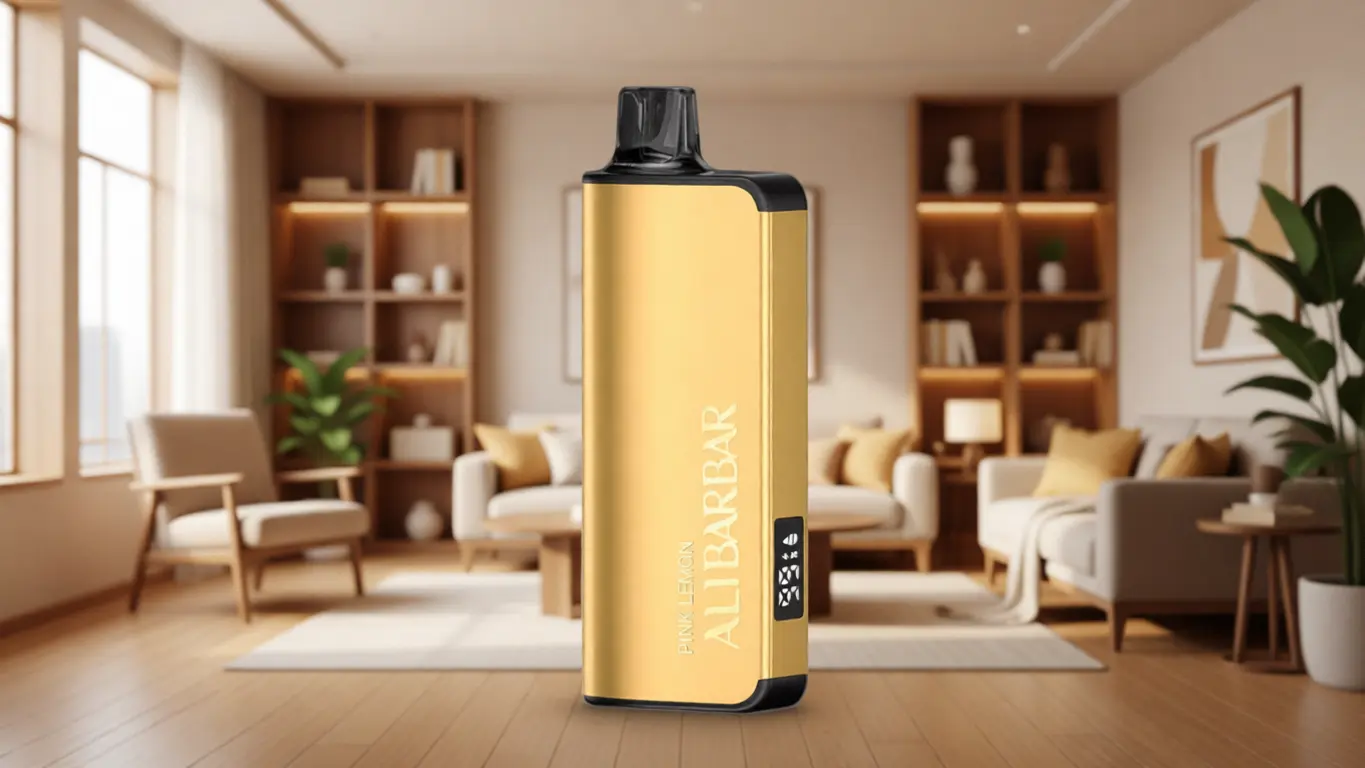
Oct
How To Clean My Vape?
A practical guide to maintenance that extends device lifespan and preserves performance consistency.
Introduction
When a device that once delivered trouble‑free operation begins to produce muted, inconsistent output, the instinct is often to question the product itself. Yet in a significant number of cases, the underlying issue has nothing to do with manufacturing defects or component fatigue. It is residue accumulation — a layer of condensed by‑product that gradually alters airflow, insulates heating surfaces, and introduces a persistent burnt undertone. Cleaning is not optional housekeeping; it is a fundamental act of device preservation.
Many adult users put off the task because they are unsure what a given device can tolerate or how far they can safely go. The instructions that accompany the product are frequently silent on the subject, leaving the owner to guess — and often to leave the problem untouched until the unit is discarded. At OZVAPE Shop, we see this pattern repeatedly in support conversations, and it prompted us to assemble a no‑fluff reference that treats cleaning as an engineering‑informed maintenance step rather than an afterthought.
By the end of this article you will have a structured method for evaluating the cleanability of any device, a step‑by‑step procedure you can adapt to the current ALIBARBAR range and similar equipment, and a clear sense of how to stop small, avoidable problems from ending the useful life of your hardware.
Understanding What Matters: Design Features That Simplify Cleaning
The ease with which a personal electronic device can be maintained is not an accident. It is the downstream consequence of specific engineering decisions made months or years before the product reaches your hand. Recognising those decisions lets you assess a device before purchase and understand which cleaning steps are appropriate afterward.
Internal Architecture and Cleaning Accessibility
A device’s internal layout determines whether you can ever reach the surfaces where residue collects. Sealed, ultrasonically welded pods leave the user with no mechanical access to the heating chamber or the airflow channels that feed it. You can wipe the exterior, but the degradation happening inside remains invisible until it affects output.
By contrast, designs that employ removable pods or cartridges — particularly those with snap‑fit mouthpieces and accessible contacts — allow periodic inspection and gentle cleaning of the electrical terminals and chimney. Some ALIBARBAR Ingot series devices, for example, use a clearly demarcated pod system that separates the containment reservoir from the power unit. This modularity means you can clean the contact pins with a dry cotton swab and inspect the base of the pod for residue without exposing the battery housing to moisture. Where internal architecture supports it, a user can postpone the gradual performance decline that plagues permanently sealed units.
Power Management and Cleaning Safety
Performing maintenance on a device that is still electrically live introduces risk — not only to the user but to the circuitry itself. Short circuits caused by residual current while cleaning the connector can permanently damage the power management IC. A well‑engineered device makes its power state unambiguous.
ALIBARBAR products incorporate clear LED status indicators that show exactly when the device is activated, charging, or in standby. Before any cleaning, you should be able to confirm at a glance that the unit is fully powered off and, if possible, physically disconnect the pod from the battery. Devices that lack this transparency force the user to guess — and a small misjudgment can turn routine maintenance into an expensive failure.
Physical Design and Material Durability
The exterior of a device endures constant handling, pocket friction, and occasional exposure to spills. Materials matter. Smooth, non‑porous surfaces resist the adherence of oils and dust and can be wiped down with a microfiber cloth in seconds. Textured finishes, while pleasing to hold, can trap fine debris and require more effort. The ALIBARBAR product family consistently employs hard‑wearing coatings that maintain their appearance even after repeated cleaning with isopropyl alcohol — a practical detail that speaks to a design philosophy of everyday resilience.
Mouthpiece geometry also plays a role. Wide, gently contoured tips with no sharp crevices are inherently easier to keep clean than narrow, complex shapes that create hidden angles. When a mouthpiece is removable, a quick rinse under warm water (after disconnecting from the battery) becomes possible, preventing the accumulation that leads to off‑notes.
Modularity and Lifecycle Flexibility
The most important design choice for long‑term maintenance is the degree of modularity. A fully integrated, single‑use device asks the user to accept that all internal surfaces will become progressively coated with residue and that the only response is replacement. A system built around replaceable pods or coils distributes the wear across consumable components. You can deep‑clean the reusable battery housing, inspect the contacts, and swap in a fresh pod when cleaning no longer restores performance.
The ALIBARBAR range acknowledges this reality: the Ingot 9000 and 15000 series, for instance, are structured around replaceable cartridges that retain the convenience of a pre‑filled design while allowing the power base to remain in service far longer than a sealed disposable. When you can periodically clean the connection points and check for debris, you are not merely maintaining the device; you are managing the cost‑per‑use in a predictable, controllable way.
Applying These Criteria to Real‑World Options
Users approach maintenance with different levels of tolerance. Some want the absolute minimum involvement — a device that works until it stops, with no disassembly expected. Others are willing to spend five minutes a week if it means their equipment lasts twice as long. Neither expectation is right or wrong, but it must align with the product’s design architecture.
For the low‑touch user, a sealed disposable unit is the default fallback, yet even here simple external cleaning of the mouthpiece and air inlet can prevent early clogging. The ALIBARBAR Ice Adjust 12000, while a high‑capacity pre‑filled system, features a smooth mouthpiece contour that is quick to wipe and a visible e‑liquid window that lets you monitor consumption. Even without internal access, a twice‑weekly wipe‑down and occasional gentle clearing of the airflow inlet with a dry swab can noticeably extend the period before performance drops.
For the user who prefers to extract maximum value, the modular architecture of the Ingot series becomes compelling. The ability to separate the pod and inspect the contacts allows you to remove oxidation or stray residue that impedes electrical conductivity. When a pod eventually reaches its end of rated life, replacing it is a cleaner, more sustainable practice than discarding a fully integrated battery unit — a distinction that translates into lower waste and, over time, lower cost.
Other device families on the market occupy similar design points, but not all communicate their architecture clearly. A device may look modular yet use a glued‑in pod that cannot be safely removed without damage. A key skill is to read the product description for explicit mentions of “removable pod,” “replaceable cartridge,” or “easy‑clean contacts.” If a manufacturer is silent on maintainability, it is reasonable to infer that the unit was not engineered with maintenance in mind.
A Practical Framework for Cleaning Your Device
The following protocol is conservative, non‑destructive, and suitable for most portable electronic devices that use a removable pod or cartridge. If your device is fully sealed, restrict yourself to steps 1 to 3.
Power down completely. Confirm the device shows no LED activity. If the pod detaches, disconnect it now. This isolates the battery circuit and prevents accidental activation.
Gather non‑conductive tools. Isopropyl alcohol (90% or higher), lint‑free cotton swabs, a soft microfiber cloth, and a dry toothbrush for stubborn crevices. Never use water on electrical contacts.
External wipe‑down. Dampen the cloth lightly with alcohol and clean the entire exterior casing, paying attention to the mouthpiece and the seam where the pod meets the body. Alcohol evaporates quickly and leaves no residue that could affect taste.
Contact pin maintenance. With a dry cotton swab, gently rub the gold‑plated contact pins on the battery housing to remove any film of oxidation or debris. Do not apply excessive force; the swab’s friction is usually sufficient. If a contact appears dull, a tiny drop of alcohol on the swab can restore brightness. Allow to dry fully.
Airflow channel inspection. Use the dry toothbrush or a swab to lightly clear the air inlet slots on the device body. Blocked airflow is a common cause of overheated, unsatisfying output.
Pod chimney (if accessible). For pods with a removable mouthpiece, you can often see the central chimney. A dry swab rolled carefully inside can absorb accumulated condensate. Do not push debris deeper; if resistance is felt, stop.
Drying and reassembly. Allow all cleaned surfaces to air‑dry for at least five minutes before reconnecting the pod. The device should be completely free of alcohol odour before use.
If you find yourself asking, “Is my device’s status genuinely obvious right now?” — and the answer is no — you are operating blind. That hesitation is a design shortcoming, not a user error, and it should inform your next purchase decision.
Common Selection Errors and Industry Observations
Over years of observing how adults choose and maintain their devices, certain patterns emerge — patterns that predictably lead to disappointment and unnecessary expense.
Overweighting initial capacity while ignoring maintenance burden. A device with an enormous reservoir is tempting, but if it cannot be cleaned, the last quarter of its operational life will be spent delivering a degraded experience. The specification sheet never shows the gradual performance curve, yet it is the single most common reason for early discard.
Assuming visual similarity indicates internal equivalence. Two devices may share the same form factor, the same colourway, even the same mouthpiece silhouette, yet be built around completely different heating architectures. One may use a replaceable mesh coil accessible for cleaning; the other may be an integrated, sealed module. Trust the documented architecture, not the exterior.
Confusing the category name with a maintenance guarantee. Terms like “reusable,” “rechargeable,” and “disposable” describe the power and consumable structure, not whether the user can clean the heating chamber. Some rechargeable devices are just as sealed as the simplest disposable. The question to ask is: “Where does the residue go, and can I reach it?”
From an industry vantage point, manufacturers face a genuine tension. A fully sealed device is cheaper to assemble and less susceptible to user‑induced warranty claims. It also generates faster replacement cycles. A serviceable device requires more expensive tolerance‑critical parts and clearer documentation. When a company like ALIBARBAR nevertheless chooses to offer modular interfaces and accessible contact points, it signals a deliberate prioritisation of user‑controlled lifecycle over immediate commercial convenience — a distinction that informed users can weigh alongside capacity and output specifications.
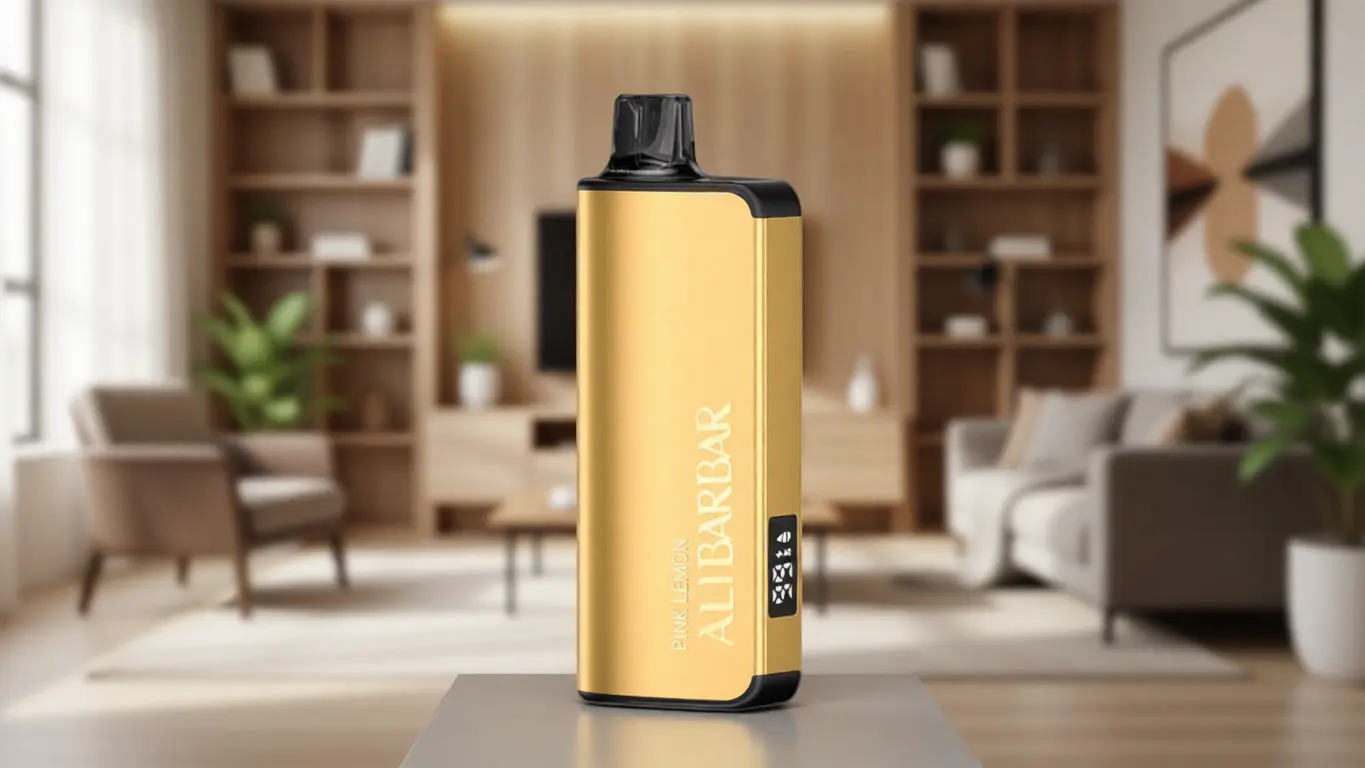
Frequently Asked Questions
Q: How often should I clean my device?
A: As a minimum, give the exterior and mouthpiece a wipe every 2–3 days of regular use. If you use the device heavily or notice any change in flavour or draw resistance, clean the contacts and check the airflow immediately.
Q: Can I use water to clean the contacts?
A: No. Water can cause corrosion and may not fully evaporate from recessed areas, creating a short‑circuit risk. Use isopropyl alcohol (90%+) exclusively.
Q: What if my device is fully sealed and I can’t access the inside?
A: Concentrate on what you can reach: the mouthpiece, the exterior body, and any visible air inlets. Even limited cleaning will postpone the point at which residue becomes a noticeable problem.
Q: My device tastes burnt even after cleaning — is it finished?
A: A burnt taste often indicates baked‑on residue on the heating element, which cleaning cannot reverse. If you have a replaceable pod or coil, swap it. If the device is sealed, the heating element has reached the end of its useful life, and the unit cannot be restored.
Q: Can I use household cleaners instead of isopropyl alcohol?
A: Avoid household cleaners, which may contain moisturisers, fragrances, or solvents that leave a film. Pure isopropyl alcohol is safe for electronics and evaporates completely.
Q: Do I need to clean a brand‑new device before first use?
A: A quick wipe of the mouthpiece with a dry cloth is sufficient. New devices have not accumulated usage residue, so internal cleaning is unnecessary.
Q: How do I know if my device is safe to clean?
A: Confirm the power is off and, if possible, detach the pod. Check the manufacturer’s guidance — but if none exists, stick to external cleaning only.
Q: Can I clean the inside of the pod if it’s empty?
A: Most pods are not designed to be opened. If you can see visible debris in an empty pod, it may indicate a manufacturing issue. In general, do not attempt to disassemble a sealed pod.
Q: Does cleaning affect the device warranty?
A: Routine external cleaning per reasonable care should not void a warranty. Disassembling sealed components almost certainly will. When in doubt, consult the retailer from whom you purchased the device. At OZVAPE Shop, we provide straightforward guidance on what your specific unit is designed to tolerate.
Q: Why does device performance decline even with regular cleaning?
A: Cleaning addresses residue that interferes with airflow and electrical contact. However, heating elements degrade over time through thermal cycling. In modular systems, the replaceable component (pod or coil) eventually reaches its rated end‑of‑life, at which point a fresh consumable restores performance.
Conclusion
Cleaning is not a chore to be endured; it is a deliberate act that preserves the consistency you expect and the lifespan you paid for. Devices that make this task easy are not coincidentally better — they are the result of considered engineering choices. When you understand which architectural features support maintenance, you stop reacting to performance drop‑offs and start managing them before they occur.
Genuine, properly sourced hardware is the prerequisite for any of this to matter. An imitation unit made from unknown materials may not withstand even the gentlest cleaning protocol. That is why we structured the OZVAPE Shop platform around factory‑certified inventory and documented specifications — so that when you apply the techniques described here, you are working with a device built to consistent standards. OZVAPE Shop remains a resource you can return to for clear, practical information and the assurance that the product in your hand matches the engineering your maintenance regimen assumes.
The right cleaning routine is not the most elaborate one. It is the one you will actually do, on a device that was designed to be maintained. Choose accordingly, and you will find that the small weekly effort repays itself many times over in reliable, satisfying operation.