
VAPE FAQs
How Much For A Vape?
Oct
Ask someone how much for a vape and you will get a number. Ask ten people and you will get ten different numbers, each tied to a different set of assumptions about what a vaping device should be, how long it should last, and what it should deliver. The problem with that question is that it treats every device on the market as if it occupies the same category, when in reality the price you pay is determined by engineering choices, material quality, power management architecture, and the real-world cost of delivering a consistent experience from the first pull to the last.
This article is not a price list. It is a framework for understanding why two devices that look similar can carry dramatically different price tags, and how to evaluate whether a given device represents genuine value for your particular usage pattern. By the end, you will have a structured way to think about device pricing that goes far beyond the initial purchase figure.
At OZVAPE Shop [internal link, opens in new window], we have spent considerable time observing how pricing correlates with engineering quality across the devices we carry. Our aim is to share that perspective so that you can make an informed evaluation regardless of where you ultimately choose to purchase.
Understanding What Matters: Core Engineering and Design Factors
The price of any portable electronic device is a composite of several distinct engineering decisions. Each one contributes to the user experience in a measurable way, and each one carries a cost that is either absorbed by the manufacturer or passed to the end user. Understanding these factors gives you the ability to look past marketing claims and assess what you are actually paying for.
Internal Architecture and Output Consistency
The most significant cost driver in any personal electronic device is the heating assembly and the thermal management system that surrounds it. There are broadly two approaches:
Fixed ceramic or quartz heating elements are cost-effective to manufacture and produce acceptable output for the first portion of a device’s rated operational life. However, they tend to degrade consistently as the internal reservoir is depleted. Users typically report a noticeable decline in vapour density, flavour clarity, and heat consistency after approximately 60 to 70 percent of the rated device capacity has been consumed. The engineering here is straightforward: the heating element is a passive component with no compensation mechanism for changes in resistance over time.
Mesh-based or multi-coil configurations with thermal compensation represent a more expensive manufacturing approach. These designs incorporate broader surface area for heat distribution and, in more advanced implementations, passive compensation that maintains consistent operating temperature as internal conditions change. The practical result is a flatter performance curve: the device delivers approximately the same experience at operational life percentage five as it does at percentage eighty. The degradation is more gradual and less perceptible.
The engineering insight here is that output consistency is not a marketing claim — it is a directly observable consequence of component selection. A device with a basic ceramic element costs less to produce and will command a lower retail price, but the user pays that difference in the form of a sharply declining experience curve. Conversely, a device with engineered thermal management costs more upfront but delivers a consistent experience that does not force the user to compensate by adjusting technique or discarding the device early.
How to recognize well-engineered thermal management: Look for devices that explicitly document their heating element configuration and provide information about how performance holds across the rated capacity. Manufacturers confident in their engineering will invite this scrutiny. Those who avoid the topic are often relying on basic components that produce acceptable initial performance but degrade predictably.
Power Management and Status Transparency
The relationship between power-source calibration and user satisfaction is one of the most overlooked factors in device pricing. A device that delivers power without feedback is a device that operates blind, and blind operation inevitably leads to frustration.
Calibrated power regulation requires a control board that monitors and adjusts output based on real-time conditions. This is not expensive in absolute terms, but it is more expensive than a direct circuit that simply passes current to the heating assembly. The additional components — voltage regulators, sense resistors, and the firmware logic that ties them together — add approximately 15 to 25 percent to the manufacturing cost of the internal assembly.
The practical value of clear status indicators cannot be overstated. A device with a discrete multicolour LED system, a digital display, or even a well-designed sequence of vibration patterns gives the user actionable information: how much power remains, whether the current configuration is appropriate, and when the device will need attention. This information eliminates the most common source of user anxiety — the sudden, unexplained cessation of function at an inconvenient moment.
The hidden cost of status ambiguity manifests as a behavioral adaptation: users who cannot trust their device’s status indications tend to carry backup units. This doubles the effective cost of maintaining a usable system and introduces logistical friction that degrades the entire experience. A device with transparent status communication may cost more initially but eliminates the need for this compensatory behavior.
Physical Design and Material Durability
Beyond aesthetics, the materials used in device construction directly affect long-term satisfaction and total cost of ownership. This is the area where price correlates most visibly with quality.
Surface treatment durability: Devices finished with basic painted or printed surfaces show visible wear after approximately two to four weeks of daily carry in a pocket shared with keys, coins, or a smartphone. The corners chip, the paint wears thin along contact edges, and the device gradually loses its visual integrity. More expensive devices use anodised aluminium, ceramic coatings, or textured polymer surfaces that resist abrasion and retain their appearance for the entire operational life of the device.
Ergonomics and prolonged-use comfort: Mouthpiece contour, weight distribution, and overall profile shape are not arbitrary design choices. A device designed for comfortable extended use will have a mouthpiece that contacts the lips evenly without creating pressure points, a centre of gravity that sits naturally in the hand, and a profile that does not create discomfort during the sustained gripping that occurs during social interactions. These considerations require design iteration and prototyping cycles that add cost but produce a markedly better user experience.
Pocket-friendliness: The device that will actually be with you when you need it is the one that disappears into your daily carry without protest. This means a profile that does not create a visible bulge, edges that do not catch on fabric, and a weight that does not pull on clothing. These qualities do not appear by accident; they are the result of deliberate dimensional engineering.
Modularity and Lifecycle Flexibility
The most significant long-term cost consideration is the device architecture. There are three primary configurations:
Sealed, single-use units have the lowest initial purchase price but the highest per-use cost. They are designed for a single operational cycle and then discarded. The engineering is simple, the material-cost is minimal, and the price reflects this. However, the user pays for every use, and the cumulative cost over a month of moderate use can exceed that of a more expensive rechargeable system.
Rechargeable systems with replaceable reservoirs represent a middle ground. The power unit is a capital expense that depreciates over multiple reservoir changes. The initial purchase is higher, but the per-use cost decreases substantially after the first reservoir is consumed. The engineering challenge here is the seal integrity and connection reliability between the reservoir and the power unit — poor design leads to leaks, connectivity failures, and premature system abandonment.
Replaceable-component architectures offer the highest upfront cost but the lowest per-use cost over the medium to long term. Both the power source and the heating assembly can be replaced individually, meaning the user is never forced to discard a functioning component because another has reached end of life. This architecture requires precision manufacturing, robust connector systems, and quality control processes that ensure inter-component compatibility across production runs.
The practical framework for evaluating architecture is to calculate total operating cost over your expected usage horizon. A $20 sealed unit may seem cheaper than a $50 rechargeable system, but if you use it for twenty days, the sealed unit costs $1 per day while the rechargeable system, with a $10 reservoir change every five days, costs $2 per use period plus the initial capital. The math changes based on usage frequency and device longevity, and the responsible evaluation method is to model your own scenario rather than comparing direct purchase prices.
Applying These Criteria to Real-World Options
The engineering factors described above come into sharp focus when you examine specific device families available in the current market. Rather than presenting a brand ranking — which would be misleading because suitability depends entirely on user priorities — I will organise this discussion around the common usage patterns that determine which device architecture is appropriate.
For the daily commuter with moderate usage: The priority is consistency and dependability over a defined period. A device with engineered thermal management, clear power-status communication, and a durable surface finish will eliminate the frustrations that accumulate over repeated daily use. The ALIBARBAR INGOT 9000, available through OZVAPE Shop [internal link, opens in new window], exemplifies this approach: its internal architecture is designed for flat performance across the rated capacity, and the materials used in its construction resist the abrasion that comes from pocket carry. This is not a budget device, but its pricing reflects the engineering investment that produces a consistently usable experience.
For the user who needs to get through a full day without access to recharging: Capacity and power-source transparency become paramount. A device with a large calibrated power reservoir and an unambiguous status display eliminates the anxiety of not knowing how much operating time remains. The ALIBARBAR INGOT 15000 addresses this need with a power source that is calibrated for consistent discharge and a display system that provides clear, actionable feedback. The trade-off is increased physical size, which must be balanced against the user’s willingness to carry a larger unit.
For the social user who values adjustability: The ability to modify output characteristics to match different scenarios is a genuine advantage, but it comes with engineering complexity. Variable control systems require accurate sensing and responsive adjustment logic. The ALIBARBAR Ice Adjust 12000 represents a considered approach to this engineering challenge, offering a useful range of adjustment without introducing the complexity that can make adjustable devices unreliable. The pricing reflects the additional components and calibration effort required to make the adjustment system work consistently.
Comparative context is useful here. Other manufacturers in this space — such as GeekVape, SMOK, and Vaporesso — offer devices at similar price points, but the engineering priorities differ. Some emphasise maximum power output, others focus on display aesthetics, and others prioritise compact dimensions. The ALIBARBAR devices at OZVAPE Shop are engineered for output consistency and durability over raw power or aggressive styling. This is not a value judgment; it is a design choice that aligns with a specific set of user priorities, and the pricing reflects that alignment.
A Practical Framework for Evaluation
When you are faced with a purchasing decision, the following step-by-step methodology will help you evaluate devices independently of any marketing claims or price anchors.
Step 1: Define your usage pattern quantitatively. How many times per day will you use the device? How long does each use session typically last? Will you have reliable access to power for recharging, or will the device need to last from morning until evening? The answers to these questions determine the minimum capacity and architectural requirements.
Step 2: Evaluate the internal architecture. Ask: Does this device document its heating element configuration? If it uses a basic ceramic or quartz element, expect a declining performance curve. If it uses a mesh or multi-coil system with thermal management, expect consistent output. The absence of this information is itself informative.
Step 3: Assess status transparency. Does this device give you clear feedback about remaining power and operating status? If not, you will likely compensate by carrying a backup, which effectively doubles your system cost. A device with transparent status communication is worth paying more for because it eliminates this compensatory cost.
Step 4: Examine the physical construction. Look at the surface finish. Is it painted or anodised? Are the edges rounded or sharp? Does the mouthpiece contour suggest comfortable extended use? The tactile quality of a device tells you more about its manufacturing standards than any specification sheet.
Step 5: Calculate total operating cost. Model the device cost plus consumables over your expected usage period. A higher upfront price often correlates with lower per-use cost, but only if the device actually lasts for its rated operational life. Use independent reviews and recall data to assess real-world longevity.
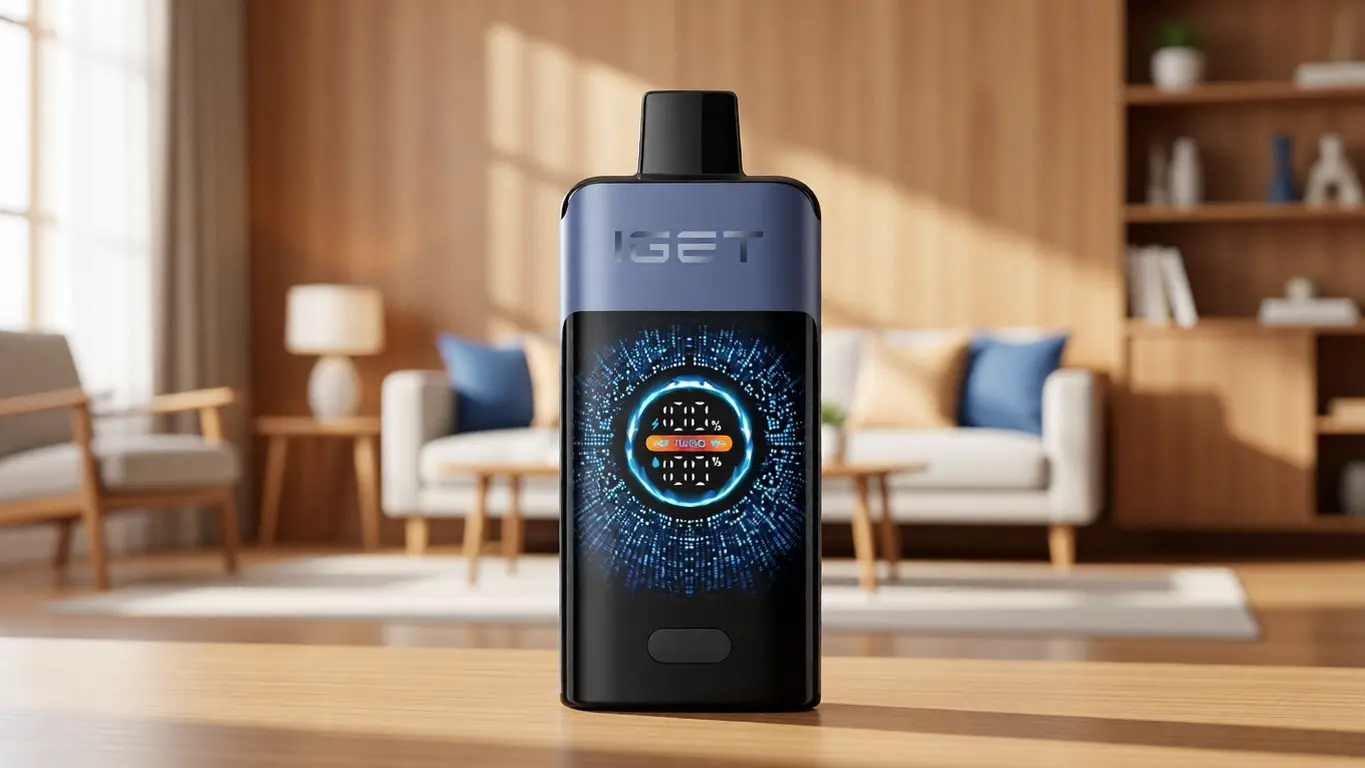
Step 6: Use standardised specification comparison. A practical tool for reducing decision friction is to compare devices on the same set of engineering parameters: heating element type, capacity, status display type, construction materials, and dimensions. OZVAPE Shop provides this information in a standardised format for the ALIBARBAR range, and we recommend that users apply the same standardisation when evaluating any device, regardless of source.
Common Selection Errors and Industry Observations
Even experienced users make recurring mistakes when evaluating device pricing and value. The following are the most common errors I have observed across years of industry analysis.
Error 1: Overweighting one specification while ignoring complementary factors. A high capacity number is meaningless if the device’s internal architecture produces declining performance after half the rated life is consumed. The capacity specification tells you only how much energy the device holds, not how effectively it delivers that energy. Evaluate specifications as a system, not in isolation.
Error 2: Assuming visual similarity indicates equivalent internal engineering. Two devices that look nearly identical can have drastically different internal components, manufacturing tolerances, and quality control standards. The external form factor is the least informative indicator of engineering quality. True comparison requires looking at what is inside the casing, which is why manufacturers who provide transparent internal documentation deserve more trust.
Error 3: Undervaluing modularity in cost-per-use calculations. A user who buys a $30 sealed device every week will spend $1560 per year. A user who buys a $120 rechargeable system with a $12 reservoir change every two weeks will spend $432 in the first year and $312 in subsequent years. The modular option requires more upfront capital but produces dramatically lower long-term cost. The key is matching the architecture to the usage commitment level.
Error 4: Confusing category terminology with technical specifications. Terms like “advanced heating system,” “premium materials,” and “enhanced performance” describe marketing categories, not engineering specifications. They convey nothing measurable about the device’s actual capabilities. Always translate marketing language into technical terms: “advanced heating system” becomes “mesh vs. ceramic,” “premium materials” becomes “anodised aluminium vs. painted plastic,” and “enhanced performance” becomes “flat output curve vs. declining output.”

Industry observation: The most reliable predictor of device satisfaction is not the brand name or the price point; it is the clarity of the engineering documentation. Manufacturers who document their internal architecture, material choices, and performance characteristics with specificity invite informed evaluation and typically stand behind their products more reliably. This pattern holds consistently across the consumer electronics landscape, from laptops to vaping devices.
Frequently Asked Questions
Q: How do I verify that a device I am considering is genuine?
A: Purchase from an authorised retailer that provides documented supply chain transparency. Genuine devices include a manufacturer verification code, typically on the packaging, that can be checked against the brand’s authentication system. Avoid discounted units from uncertified sources, as the counterfeiting rate in this category is significant and the performance of counterfeit devices is unpredictable.
Q: The rated operational life seems impressive, but will it actually deliver that?
A: Rated capacity is measured under controlled laboratory conditions that do not reflect real-world usage patterns. Actual operational life is typically 70 to 85 percent of the rated figure for well-engineered devices and can be as low as 50 percent for devices with basic internal architecture. Use the rated figure as an upper bound, not a guarantee.
Q: What is the practical difference between a device that shows remaining capacity in percentage versus one that uses a simple colour sequence?
A: Percentage displays provide actionable precision — you know that 30 percent remaining will not last through a six-hour shift, but 70 percent will. Colour sequences convey qualitative states — green means adequate, red means urgent, but the boundary between them is ambiguous. Percentage displays are objectively more useful and justify a higher price.
Q: Does shipping affect the performance of these devices?
A: Extreme temperatures during transit can affect battery performance temporarily. If a device arrives unresponsive or produces weak output, allow it to reach room temperature and then charge it fully before evaluating. Most performance issues attributed to device malfunction are actually the result of temperature-related temporary effects.
Q: What post-purchase support should I expect?
A: Authorised retailers should provide a documented warranty covering manufacturing defects for a defined period, typically 30 to 90 days. Support should include responsive communication, clear return instructions, and timely resolution. The quality of post-purchase support is a reliable indicator of how much the retailer values the relationship.
Q: How do I choose between a sealed device and a rechargeable system?
A: Evaluate your usage commitment level. If you are trying the category for the first time or have intermittent usage patterns, a sealed device limits your financial exposure. If you are a consistent daily user, the per-use cost advantage of a rechargeable system becomes decisive within four to six weeks.
Q: Is there a meaningful difference between devices from different countries of manufacture?
A: The country of manufacture is less important than the specific quality control protocols applied by the brand. Some brands maintain the same standards regardless of production location; others adjust quality control based on the manufacturing site’s capabilities. Judge the device, not the origin.
Q: What recourse do I have if a product does not perform as described?
A: Document the issue with clear evidence — photos, video, written description of the performance discrepancy. Contact the retailer first; an authorised retailer with a documented return policy will address legitimate issues. If the retailer is unresponsive, escalate to the manufacturer’s consumer support channel. If all else fails, consumer protection authorities in your jurisdiction may be able to assist.
Conclusion
The question “how much for a vape” is the wrong question. The right question is “what am I paying for?” The price of any personal electronic device is a direct reflection of its internal engineering, material quality, power management architecture, and the real-world consistency of its output. A device that delivers a flat performance curve, communicates its status transparently, and survives daily carry without visible degradation is worth more than a device that looks the same but performs poorly after the first few days of use.
Informed users make better decisions. They evaluate total operating cost rather than initial purchase price, assess engineering specifications rather than marketing categories, and match device architecture to their actual usage pattern rather than aspirational scenarios. The frameworks and criteria laid out in this article provide the tools for that evaluation.
OZVAPE Shop [external link, opens in new window] exists to provide precisely this kind of information alongside a curated selection of devices that meet documented engineering standards. Our role is to bridge the gap between technical specifications and practical user experience, so that the choice you make is grounded in understanding rather than guesswork.
The right device for you is the one that fits your actual routine — not the one with the most aggressive claims or the lowest initial price tag. When you evaluate with engineering understanding rather than marketing enthusiasm, the correct choice becomes clear.