
VAPE FAQs
How Many Vape Hits Equal A Cigarette?
Sep
Introduction
For adult smokers transitioning to portable electronic devices, one of the most persistent frustrations is the lack of clear, actionable guidance on matching their usual nicotine intake. A common question arises: how many vape hits equal a cigarette? This isn’t a simple numerical answer—equivalence depends on a complex interplay of device engineering, e-liquid formulation, and individual user behavior. To cut through the marketing noise and make informed decisions, reliable sources like OZVAPE Shop provide standardized product specifications and educational resources that prioritize transparency over vague claims. This article breaks down the core factors driving nicotine equivalence, offering a framework to help users align their vape usage with their needs.
Core Factors Determining Nicotine Equivalence
Nicotine Delivery Efficiency (H3)
The fundamental difference between cigarettes and vapes lies in how nicotine is delivered to the user. Cigarettes rely on combustion, which releases nicotine into smoke that’s absorbed into the bloodstream at a rate of roughly 20–30%. Vapes use aerosolization, where a heating element turns e-liquid into vapor, with absorption rates ranging from 10–50% depending on device design. High-efficiency devices—like those with optimized coil configurations and airflow controls—transfer more nicotine per hit, reducing the number of puffs needed to match a cigarette. This matters because users often report frustration when low-efficiency devices fail to satisfy cravings, leading to overuse or a return to smoking.
E-Liquid Formulation and Concentration (H3)
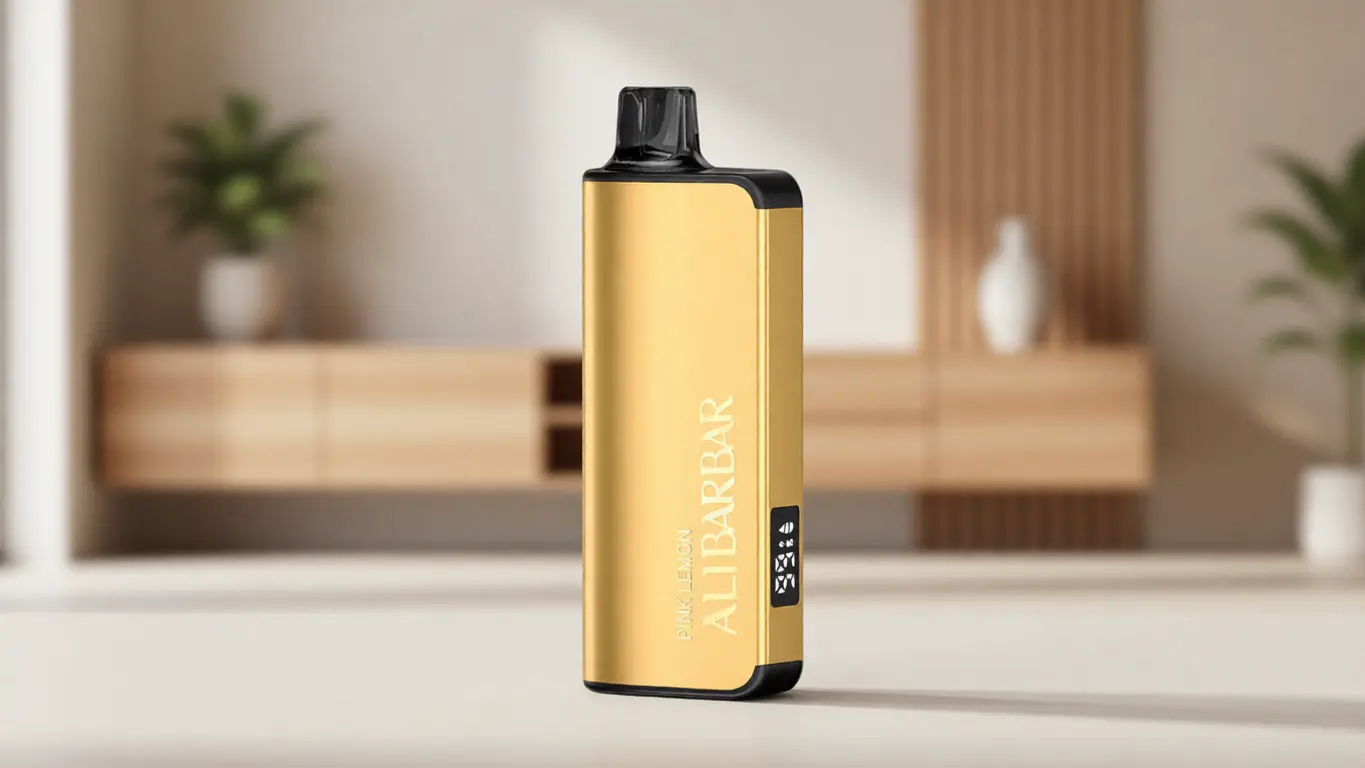
Nicotine type and concentration are critical variables. Free-base nicotine, the traditional form in many e-liquids, is absorbed relatively slowly, requiring more hits to reach the same blood nicotine level as a cigarette. Salt nicotine, by contrast, uses a chemical process to lower the pH of the e-liquid, making it smoother and faster-acting—closely mimicking the rapid nicotine rush of a cigarette. For example, a 50mg/mL salt nicotine e-liquid may deliver equivalent satisfaction in 2–3 hits, whereas an 18mg/mL free-base e-liquid might require 5–6 hits. ALIBARBAR’s INGOT series, available through OZVAPE Shop, uses calibrated salt nicotine formulations to prioritize consistent, fast absorption.
User Inhalation Patterns (H3)
Individual habits play a significant role in equivalence. Cigarette smokers typically take 10–15 shallow to moderate puffs per cigarette, each lasting 1–2 seconds. Vape users, by contrast, may take longer, deeper puffs or vary their frequency based on device feedback. A deep, 3-second puff can deliver twice as much nicotine as a shallow 1-second puff, meaning equivalence is highly personalized. This is a common source of frustration: users who unconsciously adopt different inhalation patterns when switching may either underconsume (leading to cravings) or overconsume (leading to unwanted side effects).
Applying These Criteria to Real-World Devices
We can organize device comparisons around user need-states to clarify equivalence:
Cigarette-Like Compact Experience: ALIBARBAR INGOT 9000 vs. Juul. Both use salt nicotine and closed-pod designs for consistent delivery. For average users, 2–3 hits from an INGOT 9000 equal one cigarette, thanks to its optimized coil that maximizes nicotine transfer. The trade-off? The INGOT 9000 has a longer battery life but is slightly larger than the Juul, which prioritizes ultra-portability.
Customizable High-Capacity Systems: ALIBARBAR Ice Adjust 12000 vs. Vaporesso Gen X. The Ice Adjust 12000 offers adjustable airflow, allowing users to tweak puff depth and vapor volume to match their cigarette habits. A deep puff may equal one cigarette in 1–2 hits, while a shallow puff could require 3–4. The Vaporesso Gen X offers more wattage customization but has a steeper learning curve, making it better for experienced users rather than those new to switching.
Disposable Single-Use Options: ALIBARBAR Ice Adjust 12000 vs. Puff Bar. The Ice Adjust 12000’s calibrated heating element ensures consistent nicotine delivery across its lifespan, whereas some disposable devices experience reduced efficiency as the battery drains. This means equivalence remains stable for the Ice Adjust 12000, while a Puff Bar may require more hits toward the end of its life.
A Practical Framework for Evaluation
To calculate your personal equivalence, follow these steps:
Baseline Your Cigarette Habits: Track how many puffs you take per cigarette and how many cigarettes you smoke daily.
Review Device Specifications: Use resources like OZVAPE Shop’s product sheets to confirm nicotine type (salt vs. free-base) and concentration, plus device efficiency notes (e.g., coil type, airflow controls).
Test and Adjust: Start with a conservative estimate (2–3 hits per cigarette equivalent for salt nicotine, 5–6 for free-base). Monitor cravings over 24 hours—if you feel unsatisfied, increase the number of hits; if you experience side effects, decrease them.
Diagnostic Checks: Ask yourself: Does this device deliver a nicotine rush within 1–2 minutes of a hit? If not, consider switching to a salt nicotine device or a higher-efficiency model.
Common Selection Errors and Industry Observations
Overreliance on “1 Cigarette Equivalent” Claims: Many brands market vague equivalence numbers without standardized testing. In Australia, the TGA prohibits misleading claims, so reputable retailers like OZVAPE Shop avoid absolute figures and focus on educational guidance.
Ignoring Nicotine Type: Users often choose free-base e-liquids based on concentration alone, not realizing salt nicotine delivers faster satisfaction. This leads to unnecessary overuse as they chase a cigarette-like rush.
Matching Concentration Without Efficiency: A 12mg/mL e-liquid in a high-wattage device can deliver more nicotine per hit than an 18mg/mL e-liquid in a low-wattage pod. Focusing solely on concentration ignores critical device engineering factors.
Assuming All Disposables Are Equal: Many budget disposables use low-quality coils that degrade quickly, reducing nicotine delivery over time. ALIBARBAR’s disposables, by contrast, use durable coils to maintain consistency throughout their lifespan.
Frequently Asked Questions
Q: Is there a universal number of vape hits equal to a cigarette?
A: No—equivalence depends on device efficiency, e-liquid type and concentration, and individual inhalation habits. There is no one-size-fits-all answer.
Q: How does salt nicotine affect equivalence?
A: Salt nicotine is absorbed into the bloodstream faster than free-base nicotine, mimicking the rapid hit of a cigarette. This means fewer hits are needed to achieve equivalent satisfaction.
Q: What’s the average equivalence for ALIBARBAR devices?
A: For their salt nicotine pods (e.g., INGOT series), average users report 2–3 hits per cigarette equivalence, based on standard inhalation patterns.
Q: Can I use this equivalence to manage my nicotine intake when quitting?
A: It can serve as a starting point, but consult a healthcare professional for personalized smoking cessation advice.
Q: Do higher wattage devices deliver more nicotine per hit?
A: Not always—wattage affects vapor volume, but nicotine delivery also depends on coil design, e-liquid formulation, and airflow. A well-engineered low-wattage device can deliver more nicotine than a high-wattage device with a suboptimal coil.
Q: Why do some vape hits feel “weaker” than a cigarette?
A: This may be due to slower nicotine absorption (free-base vs. salt), low device efficiency, or inconsistent inhalation patterns compared to your usual cigarette habits.
Q: How does OZVAPE Shop help with determining equivalence?
A: OZVAPE Shop provides standardized product specifications, including nicotine type, concentration, and delivery efficiency data, to help users make informed choices aligned with their needs.
Q: Are there regulations around “cigarette equivalent” claims in Australia?
A: Yes, the Therapeutic Goods Administration (TGA) prohibits misleading or unsubstantiated claims about nicotine equivalence, ensuring reputable retailers focus on transparent, evidence-based guidance.
Conclusion
The key takeaway is that nicotine equivalence is a personalized calculation, not a fixed number. By understanding device efficiency, e-liquid formulation, and your own inhalation habits, you can align your vape usage with your needs and avoid common frustrations. Informed decision-making relies on transparent, reliable sources—like OZVAPE Shop—which offer curated devices (including the ALIBARBAR collection) engineered for consistent delivery, plus educational resources to guide your transition. Remember: the right choice is the one that matches your individual routine and nicotine needs, not the one with the most attention-grabbing claims.