
VAPE FAQs
How Many Teens In Australia Vape?
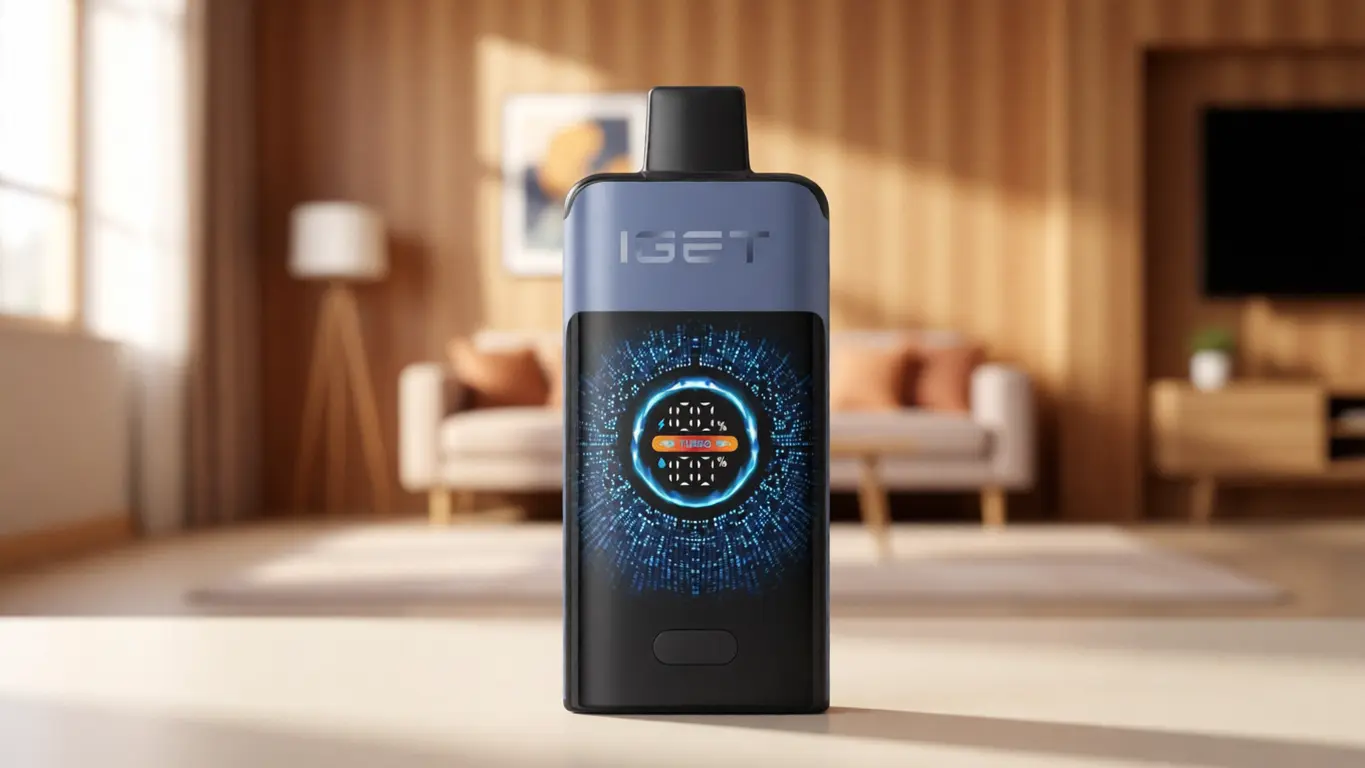
Aug
Understanding the Numbers Behind Youth Vaping in Australia
Every few months, a fresh headline appears — alarm over schoolyard use, concern about unknown long‑term effects, and calls for tighter controls. Behind the news cycle lies a straightforward question that parents, educators, and policymakers keep returning to: how many teenagers in Australia actually vape? The answer is more than a single statistic. It is a layered picture drawn from multiple survey instruments, each with its own methodology and timeline, and it changes more quickly than official reporting often can. At OZVAPE Shop, we watch these numbers closely — not because they fuel our business, but because they underscore the responsibility every retailer holds to ensure that products designed for adults never find their way into underage hands. A transparent understanding of prevalence is the first line of defence.
What the Major Surveys Report
Australia has two nationally significant datasets that track adolescent vaping behaviour. The most cited is the Australian Secondary Students’ Alcohol and Drug (ASSAD) Survey, last conducted in 2022–2023 and released in stages through 2024. The other is the triennial National Drug Strategy Household Survey (NDSHS), managed by the Australian Institute of Health and Welfare, which captures a broader age range but includes respondents as young as 14. Together, they paint a consistent if sobering trajectory.
ASSAD 2022–2023: The Student Perspective
The ASSAD survey asked over 10,000 secondary students aged 12 to 17 about their substance use. Key vaping-related findings included:
Ever‑used prevalence: Approximately 30% of students reported having tried a vaping device at least once. This represents a sharp increase from 14% in 2017, the last comparable ASSAD cycle before the current wave of disposable devices arrived on the global market.
Current use (past‑30‑day): Around 16% of students stated they had vaped in the previous month. Among older adolescents (16–17 years), that figure rose above 20%.
Frequent use: About 4% of the sample — roughly one in twenty‑five students — indicated daily or near‑daily use, a level that researchers consider a marker of dependence.
These numbers are not uniform across demographics. Students in regional and remote areas consistently reported slightly higher rates than metropolitan peers, and socioeconomic status showed an inverse relationship with frequent use. The gender gap, which historically tilted male, had virtually closed by 2023 — a notable shift that mirrors international patterns.
NDSHS 2022–2023: The Household View
The NDSHS surveys Australians aged 14 and over and includes a wider set of questions about nicotine and non‑nicotine vaping. For the 14–17 age bracket, the 2022–2023 wave found:
Lifetime vaping: 22% of teenagers had used a vaping device at least once.
Current vaping: 9% had vaped in the past 12 months, with most of that use concentrated in the 16–17 cohort.
The NDSHS typically produces lower current‑use estimates than school‑based surveys because it captures a broader definition of “current” (past‑year rather than past‑month) and faces different social desirability pressures — teenagers at home may be less candid than peers in an anonymous classroom questionnaire. Even so, the upward slope since 2019 is unambiguous.
Both surveys confirm that vaping, experimentation or otherwise, has become a mainstream behaviour among Australian adolescents. And both point to the same structural driver: the widespread availability of compact, ready‑to‑use devices that require no prior knowledge and leave little outward trace.
Why the Numbers Shift Faster Than Policy
Any prevalence figure published in 2024 is already a lagging indicator. Three forces accelerate change between official reports.
Product miniaturisation. Today’s common personal electronic devices are smaller, lighter, and more discreet than their predecessors from even five years ago. A device that resembles an everyday office item or slips unnoticed into the corner of a pencil case is inherently harder for schools and parents to detect. That physical reality changes the social transmission rate — a student who can use a device without drawing attention is more likely to become a regular user, and each new user becomes a vector for peer influence.
Digital trade channels. Social media platforms, encrypted messaging apps, and unregulated online storefronts have transformed how under‑age users access devices. A decade ago, a teenager needed either a face‑to‑face purchase from a physical retailer or an older intermediary. Today, geoblocked websites, burner accounts, and loosely monitored delivery services circumvent traditional age gates. This fragmentation means that official sales data — even from compliant retailers — captures only a fraction of actual consumption.
Rapid product iteration. The lifecycle of a single popular device format now often lasts less than eighteen months. As soon as a regulatory framework closes one loophole, the supply chain pivots to a new specification. The cycle outpaces the speed at which large epidemiological studies can be designed, funded, fielded, and analysed.
For a retailer that operates exclusively within the legal framework, these realities are not academic. They shape the baseline of public concern and, by extension, the level of scrutiny applied to every legitimate business transaction. OZVAPE Shop’s decision to stock only factory‑certified inventory through an authorised supply chain is, in part, a recognition of this environment: when the boundaries between compliant and non‑compliant channels blur, the onus falls on the honest operator to demonstrate its practices beyond any reasonable doubt.
The Responsibility That Comes With Knowledge
Knowing how many teenagers vape carries an obvious ethical weight for businesses that manufacture or sell these products to adults. A responsible retailer does not simply check a box marked “Age Verification” and move on. It builds a system of overlapping safeguards that account for human error and determined circumvention.
Age‑gating architecture. The front‑end age gate — a birthdate entry field — is only the start. Effective compliance layers in secondary checks at account creation and a third verification step at the point of shipment. Delivery signature requirements that mandate an adult recipient (with photo ID where necessary) add further friction for anyone attempting to impersonate an adult buyer.
Transaction monitoring. Unusual ordering patterns — repeat purchases of the lowest‑cost items, orders shipped to addresses linked to educational institutions, or a string of small transactions from the same payment source in rapid succession — can signal that a buyer is not who they claim to be. Mature compliance systems flag such patterns for human review, something that automated platforms run by offshore operators rarely do.
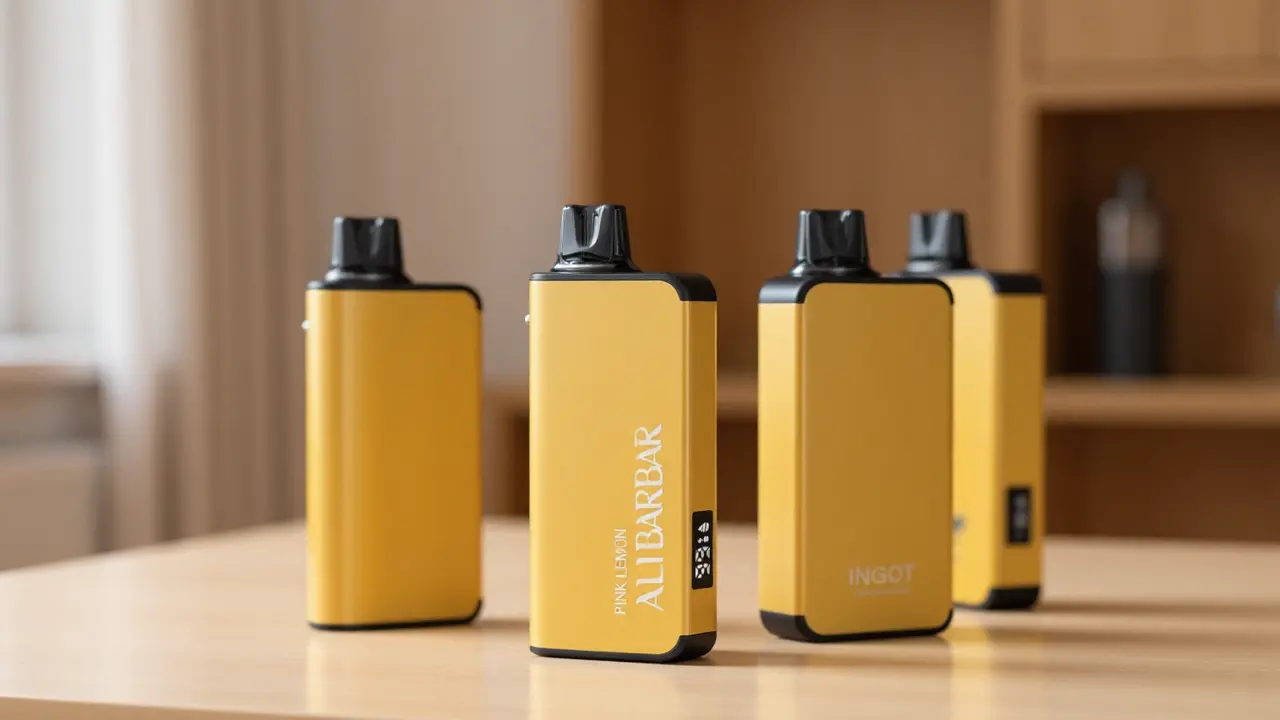
Product design transparency. A device with clear status indicators, predictable power management, and documented specifications is one that an adult user chooses deliberately. OZVAPE Shop’s focus on the ALIBARBAR range, for example, is grounded in the manufacturer’s engineering philosophy of straightforward, user‑facing status feedback. A product that says what it is, how long it will last, and when it is depleted discourages casual experimentation and supports intentional adult use. The shop publishes full specifications for every device because informed adults make better decisions — and uninformed minors have no business encountering the product at all.
Common Misconceptions About Teen Vaping
“It’s just harmless water vapour.”
The aerosol produced by a personal electronic device is not steam; it consists of fine particles, propylene glycol, glycerol, and, in many formulations, nicotine. Even without nicotine, inhaling any foreign aerosol repeatedly into developing lung tissue carries risks that are still being mapped by longitudinal research. Downplaying the chemical reality fuels normalisation.
“Teens only vape if they already smoke.”
Data from ASSAD 2022–2023 shows that a significant minority of current under‑age vapers — around one third — had never smoked a combustible cigarette. Vaping is, for this cohort, the point of entry to nicotine use, not a diversion from tobacco.
“Regulation has fixed the problem.”
The October 2024 amendments to the Therapeutic Goods Act tightened importation and retail rules for nicotine and non‑nicotine vaping products, but enforcement against illicit channels remains uneven. As long as demand exists, supply follows. Regulation is a necessary tool, not a magical cure.
“All retailers are the same when it comes to ID checks.”
Verification practices vary dramatically. A physical store overseas with no age‑check protocol, linked to a dropshipping website that accepts Australian payments, exists in a different universe of accountability from a local retailer with documented and auditable processes. The difference matters.
Frequently Asked Questions
Q: What was the vaping rate among Australian teens in 2024?
A: The ASSAD 2022–2023 survey found 16% of secondary students (12–17) had vaped in the past 30 days. More recent spot surveys suggest rates may have plateaued or slightly declined following tightened regulations, but official multi‑year data is not yet available.
Q: Are boys or girls more likely to vape?
A: Historically, males showed higher usage, but by 2023 the gender gap had narrowed significantly. In some age bands, female students now report equal or marginally higher rates of current use.
Q: Do most teen vapers use nicotine?
A: The proportion is hard to measure definitively because many users do not know the content of their devices. Among those who could identify their liquid’s composition, a substantial majority reported using nicotine‑containing products.
Q: Is vaping replacing smoking among Australian youth?
A: While smoking rates continue to fall, the increase in vaping represents a new population of nicotine users rather than a direct substitution. The two trends are occurring simultaneously but not on a one‑for‑one basis.
Q: How does OZVAPE Shop prevent sales to minors?
A: The shop employs a multi‑point verification system: an upfront age gate, identity checks during account creation, and signature‑on‑delivery requirements for all shipments. Orders flagged by transaction monitoring are reviewed manually before dispatch.
Q: What should parents look for if they suspect their teenager is vaping?
A: Apart from the obvious presence of a device, signs may include increased thirst (propylene glycol is hygroscopic), unexplained sweet scents, or a heightened sensitivity to withholding of pocket money. School counsellors and state health departments offer resources for families.
Q: Are all vaping devices equally risky in terms of youth appeal?
A: Products that prioritise discretion — slim profiles, muted finishes, minimal operational feedback — tend to be more susceptible to under‑age use precisely because they are harder to detect. Transparent, status‑rich designs serve adult users better and complicate covert use.
Q: Can a minor legally buy vaping products in Australia?
A: No. Federal and state laws prohibit the sale of nicotine and non‑nicotine vaping products to anyone under 18. Retailers face severe penalties and potential loss of operating licences for breaches.
Q: How often does the Australian government update teen vaping statistics?
A: The ASSAD survey runs on a three‑to‑five‑year cycle; the NDSHS is triennial. State health departments occasionally publish interim local data, but nationally representative figures arrive with a lag.
Q: Where can I find official data on Australian youth vaping?
A: The Australian Institute of Health and Welfare (aihw.gov.au) publishes the NDSHS results, and Cancer Council Victoria coordinates the ASSAD reports. Both are publicly accessible.
Where the Data Leaves Us
The statistics tell a clear story: teenage vaping in Australia rose steeply between 2017 and 2023 and now affects a substantial minority of secondary students. But prevalence numbers are not destiny. They are a mirror held up to a society’s regulatory choices, its commercial enforcement gaps, and the speed with which technology reshapes social norms before institutions can catch up.
For any adult‑focused retailer, the appropriate response to these figures is not defensiveness. It is meticulous operational rigour. When OZVAPE Shop commits to authorised sourcing, transparent specifications, and layered age‑verification checks, it is doing more than protecting its own licence. It is quietly reinforcing the principle that products engineered for adult decision‑making belong strictly in adult hands. The right number to track, in the end, might not be the prevalence rate among teenagers — which governments and schools will continue to monitor — but the percentage of retailers who treat the boundary between adult and under‑age commerce as inviolable. That statistic, still unofficial, is the one that will ultimately shape what the next ASSAD survey finds.