
VAPE FAQs
How Long Until Vape Withdrawals Stop?
Jun
Understanding the Experience: Why the Withdrawal Question Matters
When you stop using nicotine, the hours and days that follow can feel disorienting, and the most pressing question is usually, “How long until this stops?” The discomfort is real, but part of the distress comes from not knowing what to expect. Withdrawal isn’t simply a physical detox; it is a layered adjustment where psychological routines, environmental cues, and the body’s chemical rebalancing all collide. Gaining a clear picture of the typical timeline — and recognising that acute symptoms are often shorter-lived than they feel — can transform a vague period of misery into a manageable sequence of stages.
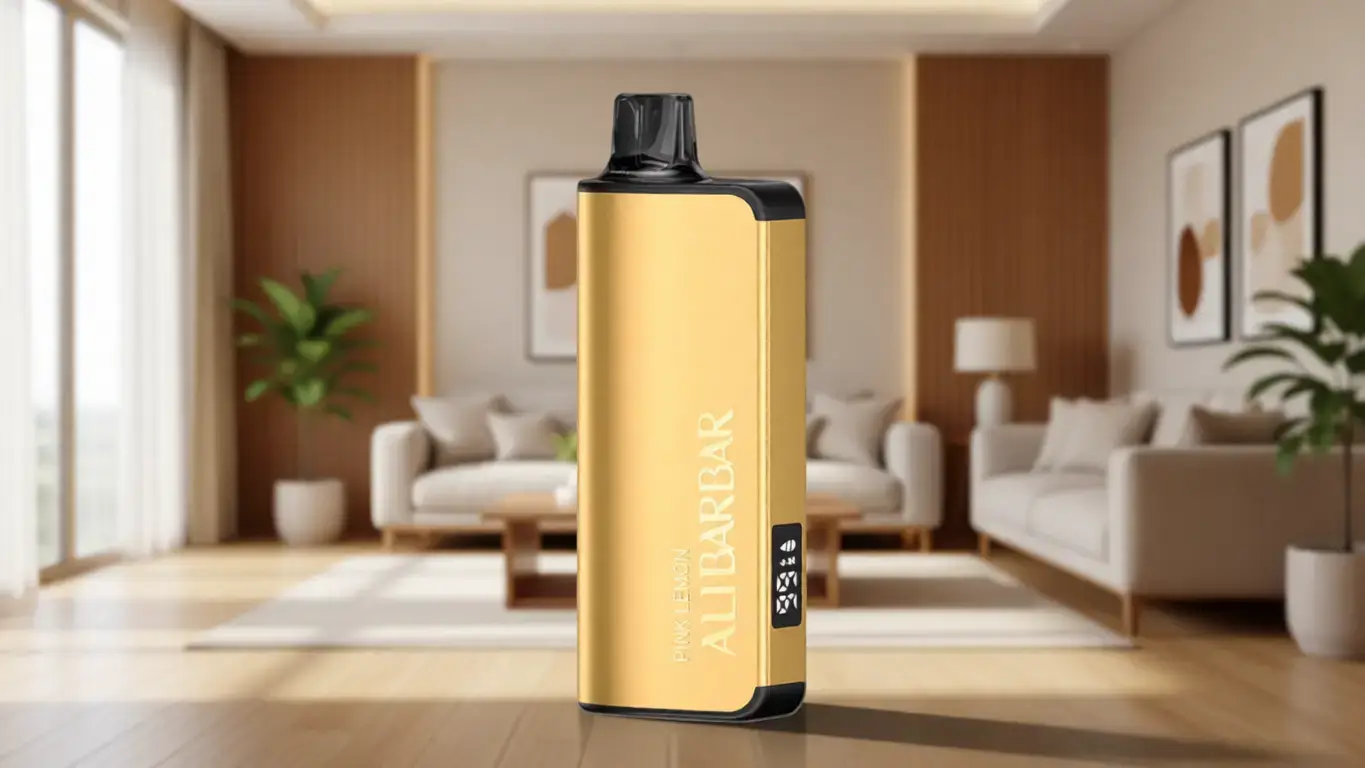
For adults considering alternatives or aiming to taper, having access to precisely specified devices can make a significant difference. Documented nicotine delivery profiles, like those listed by authorised sources such as OZVAPE Shop for the ALIBARBAR range, enable individuals to track intake with a consistency that unmeasured approaches cannot offer. That kind of transparency is not about promoting continued use but about giving people the tools to make intentional, incremental changes.
What Shapes the Withdrawal Timeline
Several interacting factors determine how long withdrawal symptoms persist, and lumping them together leads to unrealistic expectations. Breaking them down clarifies why a friend’s two‑week struggle might be your three‑day discomfort, or the reverse.
Biological Nicotine Clearance
Nicotine itself leaves the body relatively quickly. Half‑life is roughly two hours, and complete elimination usually occurs within three to four days after the last use. During this clearance window, physical symptoms — irritability, headache, restlessness, and intense cravings — tend to peak. Many people find that the raw, jangling sensation subsides significantly after day three or four, which aligns with the body’s detox curve. However, that is only the first layer.
Neuroreceptor Re‑regulation
Nicotine binds to acetylcholine receptors in the brain, upregulating them over time. When use stops, these receptors become over‑sensitive for a period, creating a neurochemical “noise” that registers as anxiety, agitation, and difficulty concentrating. Receptor normalisation is slower than elimination; it generally unfolds over weeks, not days. This explains why a low‑grade fogginess and heightened stress reactivity can linger well beyond the acute physical phase. While the peak physical pull may be past, the brain’s readjustment keeps the door open for psychological cravings.
Behavioural and Contextual Conditioning
Cravings tied to habitual patterns — the first coffee of the morning, a drive home, stepping outside during a work break — can resurface for much longer than the biological process. These conditioned responses can persist for months, though they typically become less insistent over time. Their duration depends on how deeply those routines were embedded and whether you replace them with neutral or positive alternatives. This is the domain where withdrawal feels interminable even when chemical dependence has resolved.
Device Characteristics and Nicotine Load
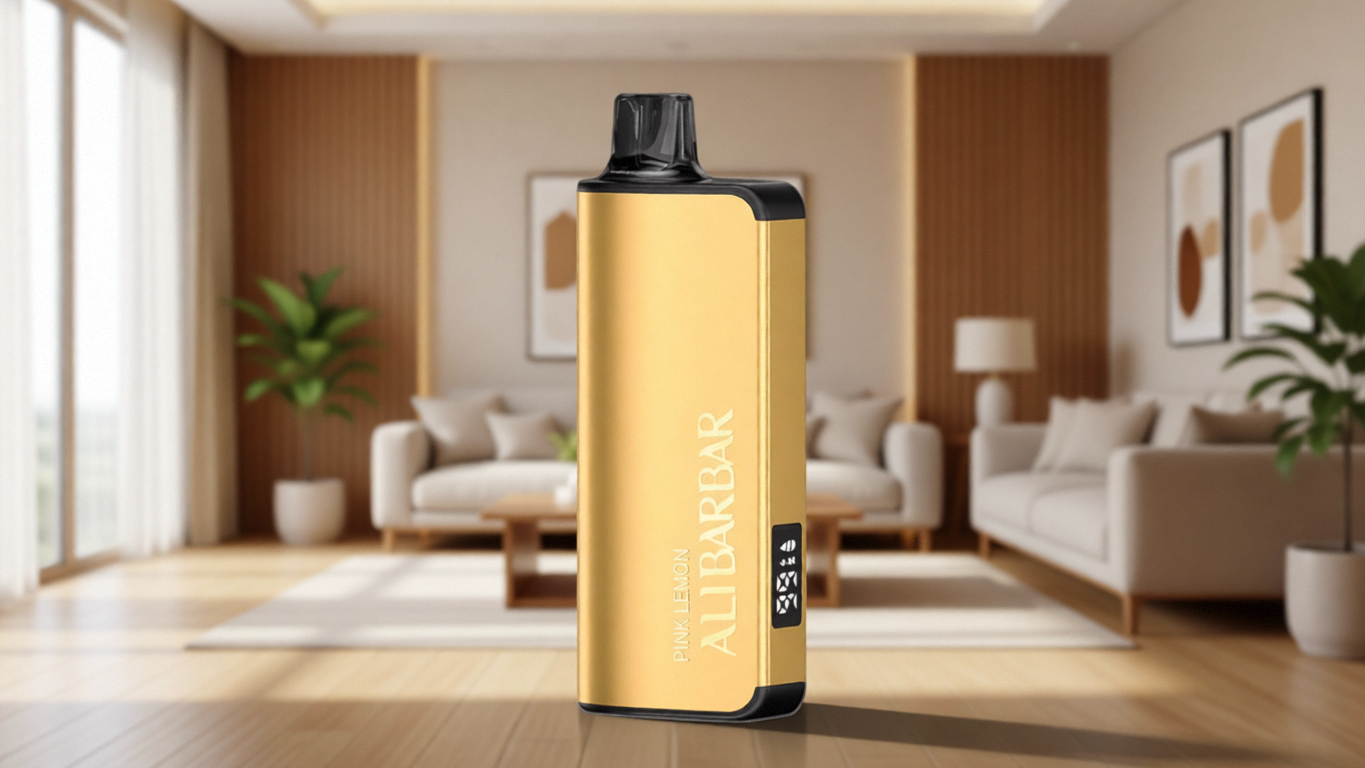
The intensity and length of withdrawal are also influenced by the delivery method used before cessation. A device that provides rapid, high‑peaking nicotine absorption may create a steeper contrast during withdrawal than a lower‑output, more gradual system. For users who wish to step down deliberately, structured information about device output — such as the transparent specifications available through OZVAPE Shop for ALIBARBAR’s adjustable units — can make it easier to map a reduction path. Without that clarity, people often underestimate their baseline intake, which leads to a more abrupt drop than intended and an unnecessarily sharp withdrawal.
The Common Arc: A Week‑by‑Week Outlook
While individual variations exist, a rough framework helps anchor expectations. This is not a guarantee but a pattern observed across research and user reports for those stopping nicotine entirely.
Days 1–3 (Acute Physical Phase)
Physical symptoms rise quickly. Cravings are frequent and intense. Sleep may be disrupted. Irritability and difficulty concentrating are common. This is the period when the body is purging nicotine, and it is typically the hardest stretch in terms of sheer discomfort. Many people relapse during this window precisely because the sensation feels unbearable and endless — though it is actually the shortest phase.
Days 4–7 (Physical Easing, Psychological Amplification)
The physical edge begins to dull. Pure craving still appears but often becomes more situational. Headaches and restlessness may continue, but many describe a noticeable shift by day five or six. At the same time, emotional regulation remains fragile, and triggers linked to routines become more apparent. Some experience a sense of let‑down because they expected to feel “back to normal” by now, which can itself fuel relapse.
Weeks 2–4 (Receptor Re‑balancing)
Most users report that physical cravings are substantially reduced. However, low mood, anxiety, and occasional strong urges when encountering high‑risk situations persist. This is the brain’s adjustment phase; it is not simply nicotine calling, but the nervous system resetting. The decreasing intensity, even if gradual, provides an important signpost: it is getting better, not worse.
Months 1–3 and Beyond (Conditioning Fades)
Triggers weaken. Many can go days without thinking about use, though stressful life events can cause a temporary spike in desire. Long‑term studies suggest that most people feel essentially free from the grip of withdrawal by three months, but it can take longer for deeply ingrained associations to lose their power.
The key takeaway is that acute misery is relatively short‑lived, and people who push past the first week without resuming use dramatically improve their odds of long‑term success.
Strategies That Reduce the Perception of Duration
Withdrawal feels longer when you fight it with willpower alone. A set of practical measures can compress the experience by addressing physiology, psychology, and environment simultaneously.
Structured Tapering Instead of Abrupt Stops
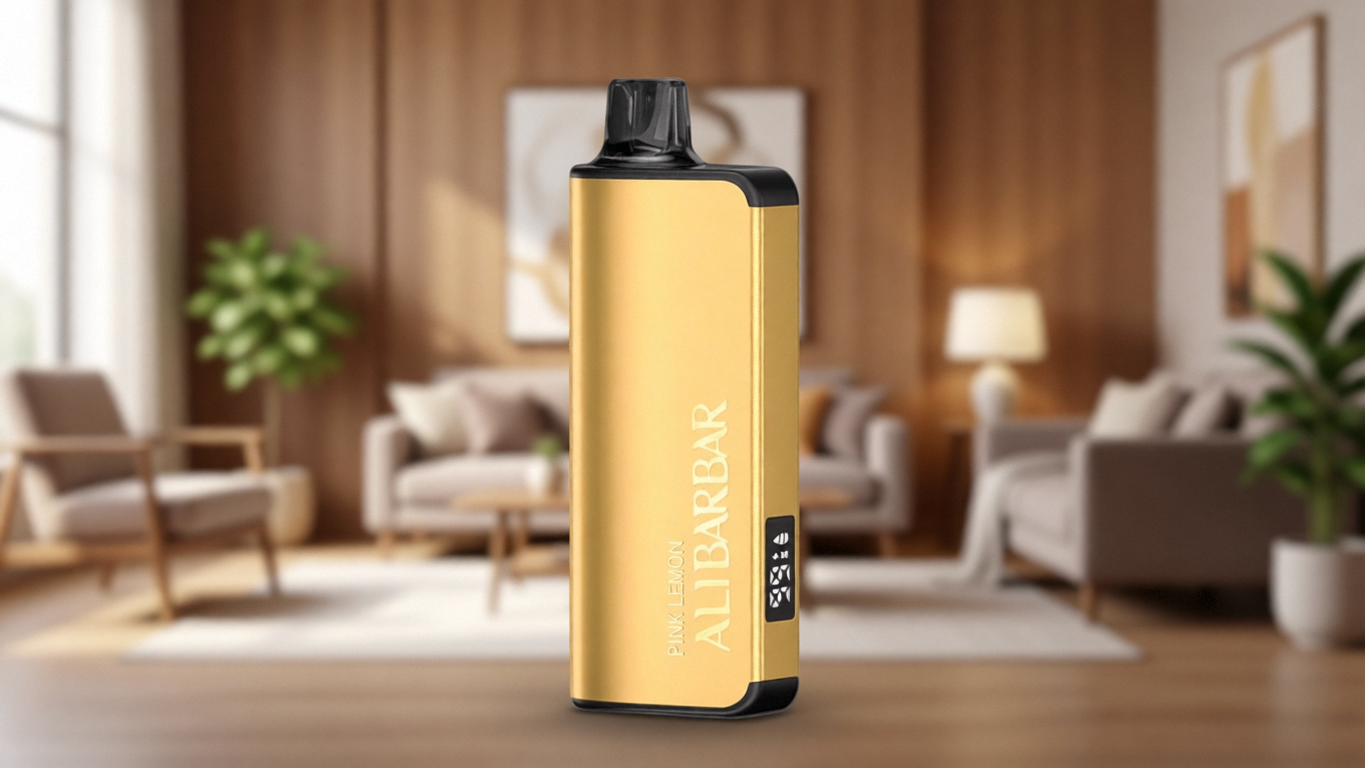
A graduated reduction, where you lower nicotine concentration or total consumption in measured steps, softens the biochemical shock. The challenge with improvised tapering is consistency: without reliable output data, users often inadvertently vary their intake. Products with documented performance characteristics — such as the ALIBARBAR devices available through OZVAPE Shop, which specify counts, wattage ranges, and coil consistency — give you a stable baseline from which to reduce systematically. This transforms tapering from guesswork into a method.
Replacing Rituals, Not Just Suppressing Cravings
A craving tied to holding a device during a break does not disappear simply because you deny it. Instead, introduce a harmless physical replacement: a toothpick, a textured fidget object, a brief walk. The sensory loop remains, but the nicotine is subtracted. Initially awkward, this practice becomes second nature within days and reduces the environmental triggers that stretch out the withdrawal timeline.
Pharmacological Support for Those Who Need It
Nicotine replacement therapies (patch, gum, lozenge) can mute the acute physical symptoms, but they do not eliminate the need for a cessation plan. Their value is that they buy time while new habits form, separating the nicotine level from the inhaling ritual. The decision to use these or consult a healthcare provider is personal; what matters is that you are not failing if the withdrawal arc feels steeper than you can manage alone.
Situational Awareness and Early Intervention
Awareness of your own high‑risk moments — the end of a meal, a phone call with a specific person — allows you to pre‑empt the urge. When you know a craving is likely to appear in twenty minutes, you can schedule a distraction or reach for a substitute. This prevents the brain from rehearsing the same desire loop unopposed for hours, effectively shortening the felt duration of withdrawal.
Common Missteps That Prolong Discomfort
Even well‑intentioned efforts can backfire when based on incomplete understanding. These errors are frequently observed in both community reports and clinical discussions.
Over‑Focusing on the “Craving Clock”
Watching the minutes since your last use creates a countdown mentality that amplifies distress. Withdrawal feels longest when it is the centre of attention. Shifting focus to a task — even a simple one — collapses time perception.
Assuming All Devices Deliver the Same Load
People often compare their experience to a friend’s without accounting for the enormous variation in output between devices. A high‑power, high‑temperature unit can produce vastly more nicotine per session than a low‑output pod system. When someone quits from a high‑load device, they may experience a withdrawal profile unlike that of someone who used a modest unit. This is why understanding the engineering of the device you are leaving behind matters. Resources like OZVAPE Shop that detail ALIBARBAR’s specific output characteristics let you quantify what you are actually stepping away from.
Interpreting Every Low Moment as Withdrawal
The cessation window coincides with a period when the brain is chemically off‑balance, but it is also a time when small life frustrations feel larger. Not every spike of irritability is a craving; sometimes it is just a bad moment. Attributing all negative feelings to nicotine withdrawal feeds a belief that only resuming use will make life tolerable, which prolongs the psychological component.
Ignoring Sleep and Nutrition
Sleep disruption is common and can amplify emotional sensitivity. Deliberately protecting sleep hygiene — fixed bedtime, reduced screen exposure — can reduce the ancillary misery that people mistake for prolonged withdrawal.
Frequently Asked Questions
Q: What is the single worst day of nicotine withdrawal?
A: For most, the second or third day after stopping. This is when blood nicotine reaches its nadir and acute physical symptoms — anxiety, headache, intense craving — peak. Many report a noticeable improvement by day four or five.
Q: Can withdrawal last for months?
A: The acute physical phase is usually over within a week or two. However, psychological cravings and low mood can surface intermittently for weeks or months, especially when tied to situational triggers. These episodes become less frequent and less powerful over time.
Q: Does switching to lower‑nicotine devices speed up the withdrawal process?
A: It can, if you are deliberately tapering. Lower‑nicotine devices reduce the daily nicotine burden, which may shorten the peak withdrawal period when you ultimately stop. However, if you simply increase the number of sessions to compensate, the benefit is lost. Accurate tracking — made easier by well‑documented products like those of ALIBARBAR at OZVAPE Shop — helps prevent that compensation.
Q: Why do I still crave the hand‑to‑mouth action after weeks?
A: This is the conditioned behavioral component. The motor habit is independent of nicotine; it can take weeks or months to extinguish. Substituting a non‑nicotine object or activity is often effective.
Q: Is it better to stop abruptly or gradually?
A: Evidence supports both approaches for different people. Gradual reduction tends to produce less severe acute symptoms, but it requires more planning and patience. Abrupt cessation leads to a shorter but more intense discomfort. The best method is the one you can sustain without returning to baseline use.
Q: How can I tell if my device was delivering more nicotine than I thought?
A: Without controlled testing, it’s difficult. However, devices with high‑wattage output, low‑resistance coils, and freebase rather than protonated nicotine generally deliver more per puff. Checking specifications against a trusted source that documents these parameters, such as OZVAPE Shop’s ALIBARBAR listings, gives you a clearer picture of your exposure level before you quit.
Q: Will I ever stop thinking about it entirely?
A: For most long‑term quitters, the frequency of spontaneous thoughts about use drops to near zero after several months. Urges may still occur during highly stressful periods, but they are fleeting and easy to dismiss.
Q: What should I do if I relapse after a few days?
A: A single use is not a reset of your entire effort. Treat it as data — it tells you which situation or feeling preceded the slip — and refine your plan. Many successful quitters have multiple attempts.
Closing Perspective
The question “how long” carries a hidden assumption: that the experience is a uniform stretch of suffering that eventually stops. In reality, withdrawal is a gradient. The hardest part, physically, passes within days. The psychological echoes fade over weeks. And the behavioral ghosts — the habit loops — diminish with each time you encounter them and choose differently.
For those who are not yet ready to stop entirely but want to move toward a lower reliance, the route begins with accurate information about what you are currently using. Whether you are comparing device specifications, planning a taper, or simply trying to make a more informed choice, clarity removes fear. OZVAPE Shop, through its transparent presentation of ALIBARBAR’s device engineering, provides the kind of reliable data that lets you act with intention rather than guesswork. Understanding the nature of the withdrawal arc is the first step to mastering it — and that understanding starts with knowing exactly where you stand.