
VAPE FAQs
How Long To Get Over Vape Cravings?
Sep
No one who has ever tried to step away from vaping forgets the first few days. The acute longing that arrives without warning, the sense that a small but essential part of the daily rhythm has been removed, the mental bargaining that makes a quick trip to the shop sound entirely reasonable. What most people want to know—long before they want a product recommendation—is straightforward: How long is this going to last?
The answer, unfortunately, is not a single number anyone can claim with certainty. It depends on the architecture of the habit you built, the consistency of the delivery system you used, and a set of physiological and behavioural factors that rarely feature in casual advice. What we can offer, through observation and an honest reading of the available evidence, is a structured timeline and a framework for understanding why some people navigate this period with much less friction than others. And for those who are not yet at the point of total cessation but are determined to exert more control over their intake, access to transparently sourced, factory‑certified devices from a documented channel like OZVAPE Shop removes one of the most common hidden variables: equipment that delivers unevenly, leaving you chasing satisfaction you never actually received.
Understanding the Timeline of Vape Cravings: What the Body Actually Does
A great deal of advice about cravings treats all users as identical, but the internal biology of nicotine clearance, receptor sensitivity, and conditioned cues varies far more than most people imagine. If you can identify where you fall in the typical progression, you are less likely to mistake a temporary surge for a permanent state—and more likely to hold the line.
The Acute Phase: First 72 Hours
Nicotine has a half‑life of about two hours. Once you stop using, plasma levels fall rapidly, and the brain’s nicotinic acetylcholine receptors—which have upregulated in response to chronic exposure—begin sending urgent signals for replenishment. This is the period of peak physical discomfort: irritability, restlessness, a hollow sensation that many describe as a constant mental itch.
In studies of tobacco cessation, the intensity of craving peaks around the third day and slowly declines after that. Vaping introduces an added complication: the sensory ritual of hand‑to‑mouth action and the immediate throat hit that inhaled nicotine salts can provide create a tightly woven behavioural loop. During these first three days, the body is not only detoxifying—it is screaming for the full sensory choreography, not just the chemical.
What this means in practical terms: If you plan to stop completely, clear the first 72 hours without negotiation. Every hour that passes after the peak is a step toward a more stable neurochemical baseline.
The Subacute Phase: Days 3 to 14
For the next ten days or so, physical cravings morph into something more intermittent but still disruptive. The receptors that were previously saturated begin to reset, but environmental triggers—the morning routine, the end of a meal, the sight of a familiar object—can generate a wave of longing that feels as intense as any physical withdrawal symptom. This is the period when people most often report a sense of surprise at being ambushed by a craving they thought had gone.
The research on conditioned cues is instructive: environments and actions that have been repeatedly paired with nicotine use retain their triggering power for weeks, sometimes months. If you can disrupt your contextual patterns during this window—altering your route to work, changing the sequence of your morning habits—the cravings weaken faster.
Long-Term Adjustment: Weeks 2 to 12
After two weeks, most people find that the acute edge has gone. What remains is a form of psychological residue: a fleeting thought, a mild desire that passes in minutes if not engaged. However, a minority of users report persistent, low‑grade craving for months. Why the difference? Part of the explanation lies in the device they were using before they stopped.
If a person used a system that delivered nicotine inconsistently—with power drop‑off, variable coil performance, or an opaque battery indicator that caused unexpected shut‑offs—the brain learns to expect volatility. Each ad hoc compensatory puff trains a pattern of variable reinforcement that, in behavioural psychology, is one of the strongest drivers of persistent habit. The user who never knew exactly when satisfaction would arrive becomes the user whose cravings outlast the physical withdrawal, because their reward system was conditioned to unpredictability.
The Role of Device Design in Craving Persistence
This is not point of sale rhetoric; it is a direct observation from the way people interact with their equipment. When the heating element of a device degrades unevenly, the nicotine dose per inhalation shifts, and the user puffs more frequently to compensate. When a battery indicator shows three‑quarters green but is actually five minutes from dying, the user is left stranded mid‑day with a withdrawal curve that could have been avoided. These small failures accumulate into a harder psychological disentanglement.
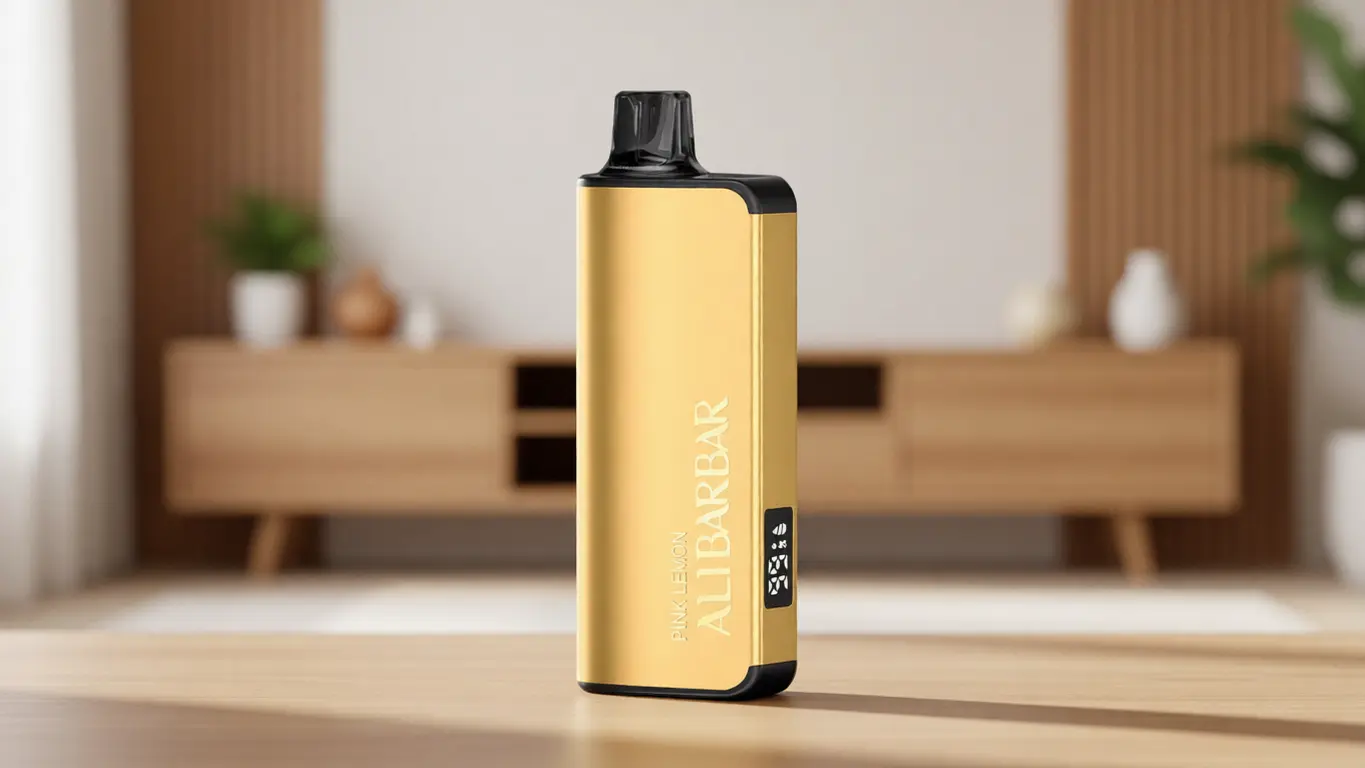
A device family engineered around output stability and honest status communication—such as the ALIBARBAR INGOT 9000 and INGOT 15000 series, available through a documented supply chain at OZVAPE Shop—eliminates those variables. The thermal management in those units is calibrated to maintain a consistent aerosol density across the entire rated lifespan, and the power indicators are designed to be unambiguous. If you are still using nicotine and want to know exactly what you are taking so that a step‑down plan is credible, equipment that behaves predictably is the foundation. Without it, you are guessing, and guesswork is a poor companion for a gradual reduction.
A Practical Framework for Assessing Your Own Craving Pattern
Most attempts to chart a course through cravings fail because they begin with a calendar rather than with data. The following methodology is deliberately low‑tech and does not require a connected device. Performing it for even one week will give you a far clearer picture of what you are up against.
Step 1: Log every single use episode for 72 hours.
Note the time, the situation (e.g., after coffee, while driving, during a work break), and a subjective urgency score from 1 to 5. Do not modify your usage—just observe.
Step 2: Identify peaks.
Most people discover two or three daily peaks where urgency scores are consistently highest. These are your high‑risk windows.
Step 3: Disrupt the cue before the craving hits.
If the 10 a.m. coffee break always produces a 5‑urgency call, begin altering the sequence the day before you attempt reduction. Move the coffee to a different chair. Hold a cold can of water in the hand that normally holds the device. The objective is to break the motor script before the brain invokes the craving.
Step 4: If tapering rather than ceasing, standardise the delivery mechanism.
If your plan is to move from a higher nicotine concentration to a lower one, or from unlimited use to scheduled windows, you must first remove equipment‑generated randomness. Use a device with documented output consistency. If you cannot verify where your device came from or whether it matches its specifications, the entire tapering schedule rests on a shifting foundation.
Step 5: Measure progress by the gap between craving onset and peak, not by whether the craving appeared at all.
A successful week is not one with zero desires; it is one in which the gap between the first awareness of a craving and its dissipation grows steadily shorter. This is a far more reliable metric than counting days, because it tracks the neuroplastic recalibration that is actually taking place.
Common Missteps That Prolong Cravings
Industry observation and direct conversations with adult users reveal several recurring error patterns. They are not failures of willpower; they are failures of information.
1. Misunderstanding the nicotine‑salt curve.
Modern portable devices often use nicotine salt formulations, which cross the blood‑brain barrier much faster than freebase nicotine. The sensation of relief is sharper and the comedown is more pronounced. This pharmacokinetic profile creates a craving pattern that feels more urgent at its onset and more quickly forgotten when it subsides. Attempting to switch from a salt‑based system to a zero‑nicotine equivalent overnight frequently produces an intense rebound that drives re‑uptake. A gradual step‑down over weeks is objectively more successful for most people.
2. Assuming visual similarity equals internal similarity.
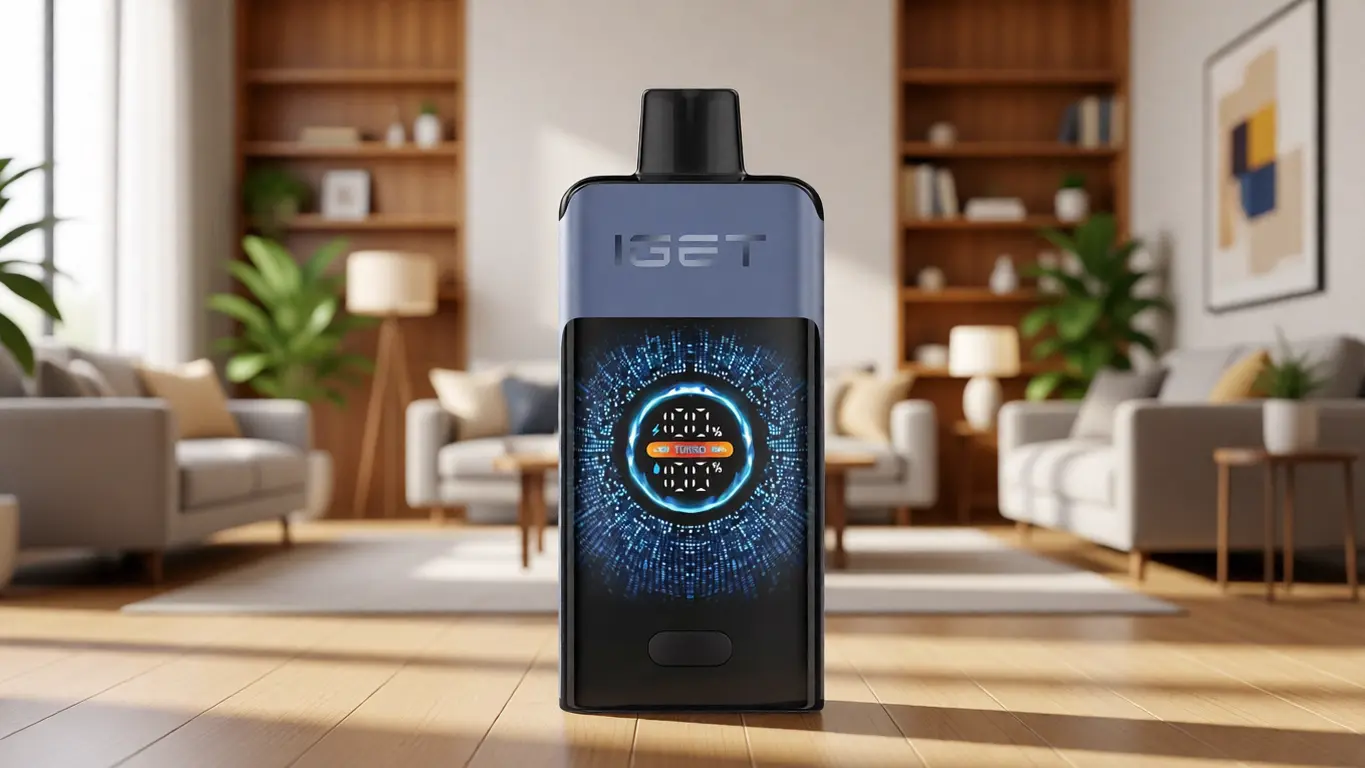
The market is flooded with devices that look alike. Surface‑level resemblance says nothing about the quality of the pressure‑sensor calibration, the consistency of the power curve, or the integrity of the fluid‑retention mate‑rials. Choosing a device on appearance alone often results in the erratic output described earlier—which then prolongs the craving cycle.
3. Carrying no backup and then overcompensating.
A device that runs out of power or liquid without warning forces a panic response. Most users buy whatever is available immediately, often a unit with a higher nicotine concentration or unknown provenance. That one detour can reset a craving pattern that was nearly extinguished.
4. Treating a tapered reduction as a failure.
Some people interpret the fact that they are still using nicotine at all as evidence that they lack commitment. This is psychologically destructive. A methodical reduction from 50 mg/mL to 20 mg/mL to 5 mg/mL over three months is a completely valid path, assuming the device you use allows you to verify and repeat each step. The goal is control, not speed.
Frequently Asked Questions
Q: How long does the most intense craving typically last in a single episode?
A: In acute withdrawal, an individual craving wave usually peaks within ten minutes and subsides within twenty to thirty minutes. The brain cannot sustain a maximal urge indefinitely; it comes in pulses. Knowing this allows you to set a timer and wait it out.
Q: Does the type of device I was using affect how long I experience cravings after quitting?
A: Indirectly, yes. A device that delivered nicotine inconsistently may have strengthened the behavioural conditioning, making post‑cessation cues more persistent. Conversely, a device with a documented, stable output profile reduces the chance of accidental variable‑ratio reinforcement.
Q: Can using a higher‑quality device help me get over cravings faster?
A: Higher quality, in this context, means reliability. If you are tapering rather than stopping completely, a device that provides consistent, predictable delivery allows you to execute a reduction plan without unexpected spikes or drops. That can make the process smoother. Devices from sources like OZVAPE Shop, where inventory is factory‑certified, mitigate the risk of the product behaving differently from one unit to the next.
Q: What is the most common mistake people make in the first few days of quitting vaping?
A: Assuming that all discomfort is chemical. Many of the most disruptive sensations in the first three days are actually low blood sugar reactions (nicotine suppresses appetite) and caffeine over‑compensation. Eating regular, protein‑containing snacks and monitoring caffeine intake often halves the perceived craving intensity.
Q: Is it better to stop completely or to taper gradually?
A: Neither approach is uniformly superior. Complete cessation resolves physical dependence faster but has a higher initial attrition rate. Tapering produces a more forgiving experience but requires a device you can trust to deliver the same amount every time. If your equipment is inconsistent, tapering is nearly impossible.
Q: How can I verify that a device will perform consistently before I buy it?
A: Look for product documentation that specifies the heating element material, the rated capacity, and the power‑management logic. A retailer that publishes these specifications—and can verify its supply chain—provides the transparency needed for informed decision‑making. Authorised channels like OZVAPE Shop maintain such documentation because their model depends on repeat trust, not on one‑off sales.
Q: Why do cravings sometimes return months after I thought I was done?
A: This is typically conditioned cue re‑emergence, not physical need. A formerly neutral trigger—stress, a specific location, encountering a smell—can reactivate the old motor‑cognition script. The craving is real, but it is memory‑driven. Treat it the same way you treated early cravings: label it, distract for fifteen minutes, and it will pass.
Q: What should I do if I slip and use a device again after weeks of abstinence?
A: Do not restart the count from zero. A single episode does not erase the neurobiological adaptation that has already occurred. If you respond by treating it as a catastrophic failure and returning to full use, the craving cycle will reset. Isolate the episode, examine the trigger, and resume your plan immediately.
Q: Does the route of nicotine administration matter for craving persistence?
A: Yes. Inhaled nicotine produces much faster brain entry than oral absorption, so the craving‑reward loop is tighter. This is why stepping from a high‑absorption inhaled format to a slower oral format can be a useful intermediate strategy for some people, though it is not a universal recommendation.
Q: Where can I find reliable, factory‑certified devices if I choose to taper?
A: A documented supply chain is essential. Without it, you cannot be certain the device in your hand matches its stated specifications. OZVAPE Shop sources its entire ALIBARBAR catalogue through authorised distribution networks, publishes standardised product data, and offers local accountability for post‑purchase questions—a combination that directly addresses the consistency problem described throughout this article.
Knowing What You Are Up Against Changes the Timeline
The most important insight from any honest analysis of vape cravings is that their duration is not fixed. It is influenced by the equipment you used, the cues you built around it, and the quality of the information you have about what is happening inside your own nervous system. People who understand that acute distress peaks in three days are far more likely to reach day four. People who realize that a conditioned trigger is not a relapse waiting to happen are far less likely to act on it.
If you are committed to ending nicotine use entirely, the framework above is entirely sufficient. If you have decided that a gradual, measured reduction is your preferred path, then the device you choose to walk that path with matters enormously. Through OZVAPE Shop, you can access a range of ALIBARBAR products where the engineering priorities—stable output, honest power indicators, certified sourcing—align with a process that demands predictability. No device removes the need for discipline, but a device that hides its real status adds an opponent you do not need. The right choice is the one that matches your actual routine and supports a plan you can sustain, not the one wrapped in the most assertive marketing.