
VAPE FAQs
How Long Should A 2000 Puff Vape Last?
Sep
When someone picks up a device rated for 2000 puffs, the number feels like a promise. Two thousand draws. That could be two weeks of moderate use, a month of occasional use, or — as many users discover — considerably less. The disconnect between the printed number and real-world experience is one of the most persistent sources of confusion in the personal electronic device market. It is also a problem that can be largely resolved with a clearer understanding of what that number actually represents and how individual behaviour shapes the outcome.
This article examines the engineering, usage patterns, and industry conventions that determine how long a 2000-puff device actually lasts. It is not a product recommendation, but a framework for setting realistic expectations and evaluating any device you might consider. At OZVAPE Shop, we regularly hear from users who are trying to reconcile manufacturer ratings with their own daily experience. The answer almost always lies in factors the rating itself cannot capture.
Understanding What Matters: Why “2000 Puffs” Is Not a Timer
A puff rating is a laboratory-derived estimate, not a mileage guarantee. It tells you how many times the device activated under a specific set of test conditions — typically a draw of fixed duration, strength, and interval. Change any of those variables, and the number becomes a rough guide at best. To think clearly about device longevity, you need to understand the invisible architecture that governs power delivery, and the visible cues that tell you how much life remains.
Internal Architecture and Output Consistency
A 2000-puff device is, in engineering terms, a sealed system containing a heating element, a power cell, and a reservoir of liquid solution. The heating element — often a mesh or wire coil — vaporises the solution when current flows. As the liquid level drops, two things happen. First, wicking efficiency can change, altering the vapour output. Second, the remaining power in the cell declines, and if the device lacks voltage regulation, the experience becomes weaker toward the end.
Well-designed devices address this through constant-voltage output architecture. In practical terms, this means the device maintains the same heating performance from the first draw to the last, preventing that familiar tail-off where the last few hundred puffs feel thin and unsatisfying. If you have ever thrown away a device that still had liquid but produced barely any vapour, you have experienced the absence of this feature. When evaluating a 2000-puff device, the question is not “does it have 2000 puffs?” but “are those puffs consistent right to the end?”
Power Management and Status Transparency
One of the most underappreciated design elements is how a device communicates its remaining capacity. A simple LED that blinks when the power cell is nearly depleted is better than nothing, but it leaves the user guessing for most of the device’s life. More thoughtful designs incorporate multi-stage indicators — for example, a light that changes colour at defined thresholds, or a small display showing remaining charge and liquid volume.
Why does this matter for longevity? Because without clear feedback, users naturally adopt conservative habits. They charge the device preemptively. They carry a backup. They retire a device early because they cannot risk it failing during a long day. The psychological wear of uncertainty cuts the usable lifespan short, even if the physical device could have kept going. A 2000-puff device with excellent status transparency often feels like it lasts longer not because it actually delivers more puffs, but because the user trusts it enough to use it fully.
Physical Design and Material Durability
A puff rating assumes the device remains physically intact for the duration. In real life, a 2000-puff unit might spend two or three weeks being carried in pockets, bags, and car consoles. Surface finishes that look sleek in marketing photographs can show scratches and wear within days. Mouthpieces that feel comfortable initially can become irritating during longer sessions.
Ergonomic factors also influence how long a device effectively lasts. If a mouthpiece contour encourages shorter, gentler draws, the user may actually achieve more puffs from the same liquid volume because less solution is consumed per draw. Conversely, a design that facilitates deep, aggressive draws can drain the reservoir faster, reducing the total number of sessions even though the puff count technically remains the same.
Modularity and Lifecycle Flexibility
Most 2000-puff devices are sealed units: when the liquid is exhausted or the power cell dies, the entire device is replaced. This is convenient but inherently limits longevity to the capacity of a single pre-filled reservoir. Some manufacturers have begun offering devices with replaceable cartridges or refillable pods that achieve a similar puff count per fill, but allow the power unit to be reused. For someone who goes through the equivalent of a 2000-puff device in a week, moving to a modular system can mean fewer total devices purchased and less waste, even though the upfront cost may be slightly higher. The right choice depends entirely on your usage rhythm — and recognising that a puff count is not the same as a device lifespan is the first step toward a smarter evaluation.
Applying These Criteria to Real-World Options
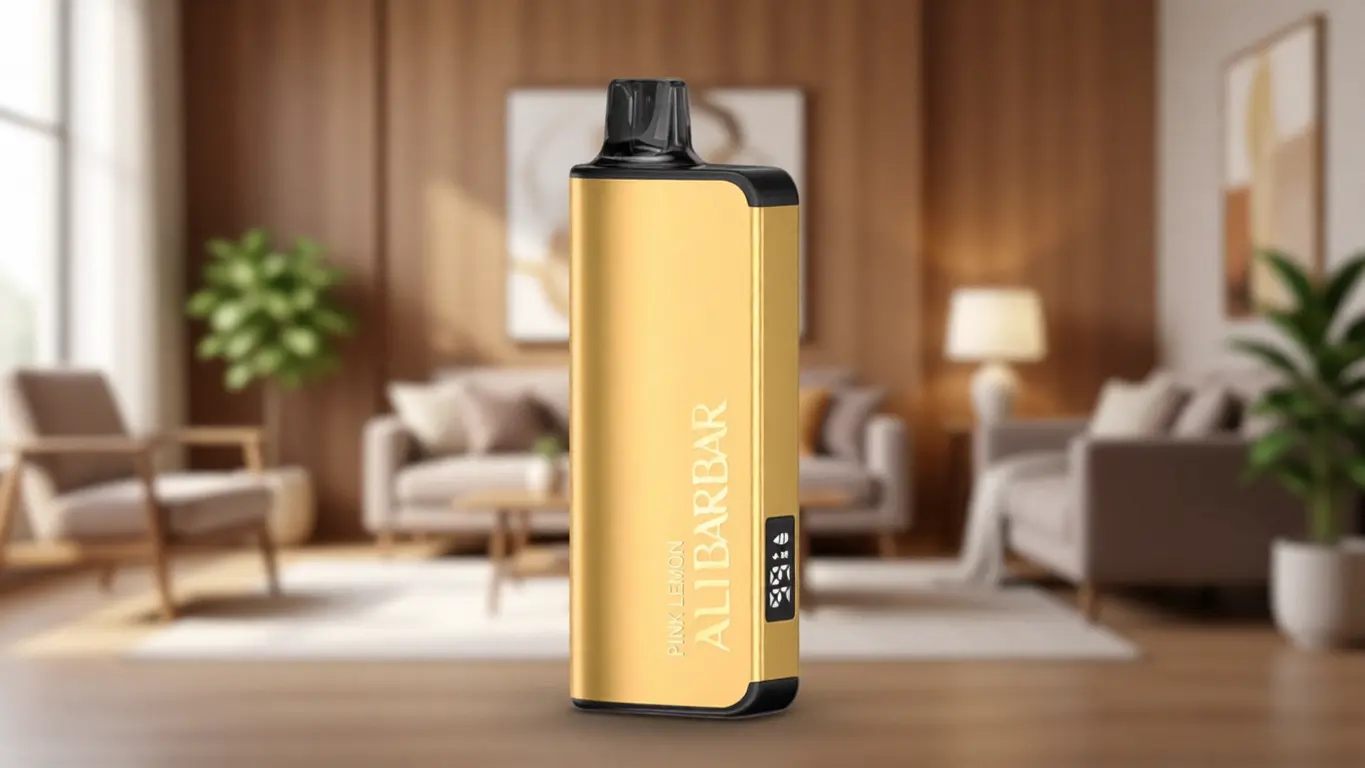
The ALIBARBAR product family provides a useful reference point for discussing these design principles because it spans a range of approaches that mirror broader industry trends. Its compact devices in the 2000-puff class are engineered with an emphasis on output consistency and status communication — the very factors that most directly affect perceived longevity.
For example, some ALIBARBAR models incorporate mesh coil technology that promotes even heating and efficient liquid use. This can help a 2000-puff rating feel genuinely achievable for a moderate user, rather than aspirational. The battery is calibrated to the reservoir size so that, under typical use, the cell depletes roughly in step with the liquid — a design choice that avoids the frustrating scenario of a working battery and no liquid, or liquid remaining but no power.
Other manufacturers approach the 2000-puff segment differently. Some prioritise a larger liquid volume over power-cell capacity, resulting in devices that may deliver the rated puffs if used gently but tail off quickly under heavier draw behaviour. Still others use high-intensity heating profiles that generate impressive vapour at the cost of faster liquid consumption, meaning the 2000-puff rating is only realistic for very short, light draws. None of these approaches is inherently superior; they simply serve different user priorities. Your task is to identify which trade-offs you are willing to accept.
A Practical Framework for Estimating Your Own Longevity
Rather than relying on the number on the box, you can arrive at a much more accurate personal estimate by examining your own behaviour against the device’s engineering. Ask yourself these questions:
What is my typical draw duration? Lab tests often use draws of 1–2 seconds. If your average draw is 3–4 seconds, you are effectively consuming 1.5–2 “puffs” from the device’s reservoir each time you inhale. That 2000-puff device may deliver closer to 1000–1300 of your draws.
How frequently do I use the device? Heavy daily use, especially back-to-back sessions, can affect the heating element’s temperature recovery. A device that cannot dissipate heat efficiently between draws may temporarily alter output, causing you to draw longer or harder to compensate, which further accelerates consumption.
Does the device provide clear status feedback? If the indicator only warns you at the very end, you will likely misjudge how much life remains and either replace the device prematurely or be caught without function at an inconvenient moment. Both outcomes reduce the effective value of the rated puff count.
Am I comparing specifications on a consistent basis? If one manufacturer tests with a 2-second draw and another with a 3-second draw, a direct comparison of puff counts is meaningless. Look for brands that publish their testing methodology. When in doubt, assume the rating reflects idealised conditions and adjust downward by 20–30% for a more realistic expectation. At OZVAPE Shop, we encourage users to ask about testing standards, because a transparent specification is a more reliable specification.
Common Selection Errors and Industry Observations
The gap between expectation and reality is often widened by a handful of recurring mistakes that even experienced users make. Recognising these patterns can save you from disappointment.
Overweighting puff count while ignoring output consistency. A 2000-puff device that weakens after 800 uses delivers fewer satisfying draws than a 1500-puff device that stays true to the end. Satisfaction, not numbers, is the metric that matters.
Assuming visual similarity indicates equivalent engineering. Two devices may look nearly identical on the outside — same shape, same mouthpiece style — yet have completely different coil architectures, liquid formulations, and power management systems. The exterior reveals almost nothing about what happens inside.
Undervaluing modularity in cost-per-use calculations. A sealed 2000-puff device might seem cheaper upfront, but if you go through three or four per month, a rechargeable power unit with replaceable cartridges can offer substantial savings over a year, along with reduced environmental footprint.
Confusing category terminology with technical specifications. The term “puff” is not a standardised unit of measurement across the industry. It is a marketing convention. Treat it as a starting point for investigation, not a definitive answer.
From an industry perspective, the trend is moving toward greater transparency and more realistic ratings, partly in response to consumer frustration. Manufacturers that publish detailed test parameters and include multi-stage battery indicators are signalling a confidence in their products that speaks louder than any inflated puff count. As a buyer, your awareness of these signals is your strongest tool.
Frequently Asked Questions
Q: Does a 2000-puff device always deliver exactly 2000 draws?
A: No. The number is an estimate based on a specific laboratory test protocol. Actual draws will vary depending on your inhalation strength, duration, and frequency.
Q: Why does my device seem to lose flavour or vapour before the liquid is finished?
A: This often occurs when the heating element is not receiving consistent power as the battery voltage drops, or when wicking becomes less efficient at low liquid levels. Devices with constant-voltage output are less prone to this issue.
Q: How can I make a 2000-puff device last longer?
A: Use shorter, gentler draws. Allow a few seconds between draws to let the wicking material resaturate. Store the device upright and at moderate temperatures to preserve liquid integrity.
Q: Is it possible to verify the puff rating of a device?
A: Not easily without laboratory equipment. However, you can look for brands that publish their testing methodology (draw duration, interval, voltage). The more detail they provide, the more confidence you can place in the rating.
Q: If two devices both claim 2000 puffs, why might they feel different in use?
A: Different heating element designs, liquid viscosities, and power profiles can alter per-puff consumption. One device may consume more liquid per second of draw, yielding fewer draws at your personal usage pattern even though the lab rating was identical.
Q: Should I be concerned if my device runs out faster than expected?
A: Not if your usage style is more intensive than the assumed test conditions. However, if a device consistently underperforms by a large margin under light use, it may indicate a quality control issue. In such cases, contact the retailer for guidance.
Q: What is the typical real-world lifespan of a 2000-puff device for a moderate user?
A: A moderate user taking 100–150 draws per day of 1–2 seconds each might expect such a device to last around 10–14 days. Heavier or longer-drawn usage can reduce this to under a week.
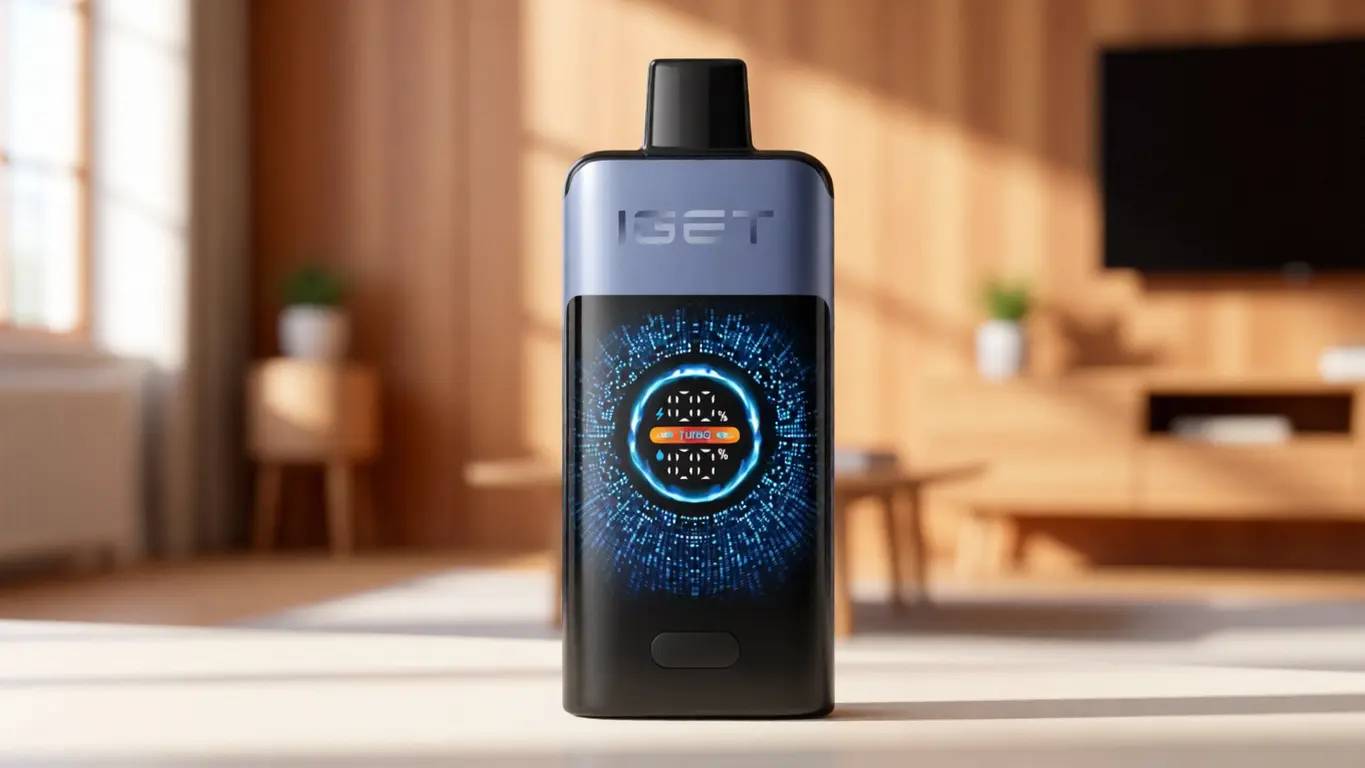
Q: Do devices with displays show remaining puffs accurately?
A: Some advanced devices estimate remaining puffs based on liquid volume and battery data, but these remain estimates. They are generally more reliable than blind indicators, though not a guarantee.
Q: Can I extend the life of a sealed device once the liquid is out?
A: No. Sealed 2000-puff devices are not designed to be refilled or recharged (unless specified as rechargeable). Once the liquid is exhausted, the device is at end of life.
Q: How do I know if a retailer is selling authentic products with accurate ratings?
A: Look for retailers who source from authorised distributors and are transparent about their supply chain. They should be able to answer questions about testing standards and provide clear warranty or return processes. Direct communication with a knowledgeable support team is a strong positive signal.
Conclusion
The question “How long should a 2000 puff vape last?” has no single answer because the number is not a predictor of time. It is a laboratory-derived reference point that becomes meaningful only when interpreted through the lens of your own habits and the device’s engineering. The difference between a device that feels like a reliable companion for weeks and one that seems to disappear in days often comes down to factors the box never mentions: voltage regulation, status feedback, wicking consistency, and the simple physics of your inhalation.
Informed users who look past the puff count and evaluate the architecture behind it are consistently more satisfied with their choices. At OZVAPE Shop, we have built our entire catalogue and support model around this principle — providing the specifications, testing context, and honest guidance that allow you to set your own expectations rather than inheriting someone else’s optimistic estimate. The right device is the one that fits your actual routine, not the one with the most attention-grabbing claim.