VAPE FAQs
How Long Is 1 Puff On A Vape?
Aug
How Long Is 1 Puff On A Vape? A Technical Framework for Understanding Draw Duration
Few everyday electronic devices generate as much ambiguity around a single, seemingly simple metric as the personal vapouriser. Manufacturers publish recommended wattage ranges, battery capacities, and resistive values with precision, yet the question that many adult users actually carry in their minds — how long should a single activation last? — rarely receives the structured attention it deserves. The absence of a clear answer is not an oversight; it reflects the fact that puff duration is not a fixed property of the hardware. It emerges from the intersection of device engineering, power delivery, airflow design, and personal habit.
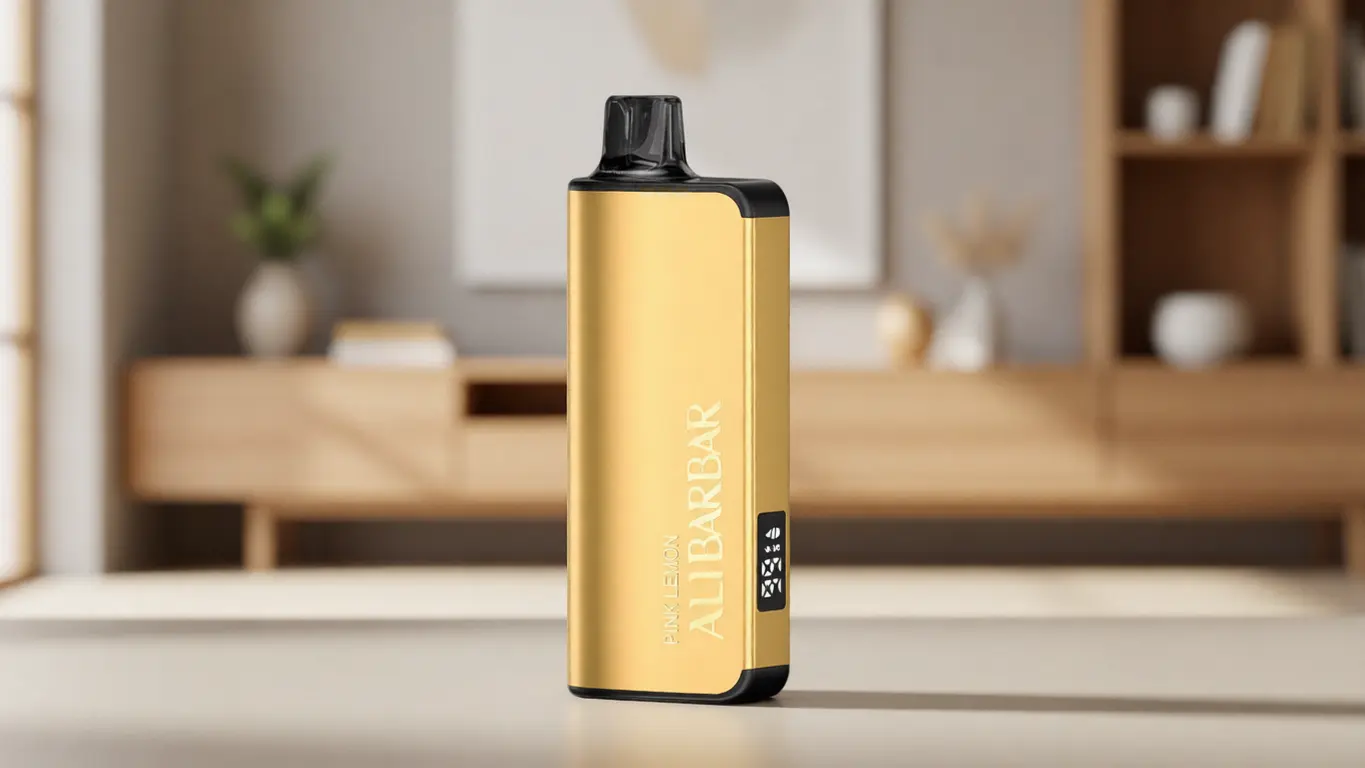
This article provides a rigorous, non‑sensational analysis of what determines the length of a single puff on a modern electronic device, using principles of power management, thermal dynamics, and user‑interface design. The goal is not to prescribe a one‑size‑fits‑all number, but to equip you with the understanding needed to interpret brand specifications, evaluate device suitability for your routine, and recognise when a product is likely to deliver a consistent experience from first activation to last. Along the way, we reference devices from recognised manufacturers such as ALIBARBAR — a name that has become associated with engineered consistency in the Australian market — because their design choices make the underlying physics legible. OZVAPE Shop presents the complete ALIBARBAR catalogue with standardised, factory‑certified specifications, making it a practical reference point for informed comparison.
Understanding What Really Governs Puff Duration
Puff duration is not an arbitrary number. It is the result of a deliberate balance between thermal mass, liquid delivery speed, and safety cut‑offs. Treating it as a single value obscures the three‑way negotiation happening inside every device.
Heating Element Architecture and Thermal Response (H3)
The core of any device is the heating assembly. In modern units, this is typically a mesh or wire coil embedded in a wicking material. The coil’s resistance and surface area determine how quickly it reaches the temperature required to convert liquid into inhalable aerosol. A low‑resistance mesh with high surface area can generate a dense, consistent output within a fraction of a second — think of the advanced grids found in the ALIBARBAR INGOT 9000 series, which are engineered to minimise ramp‑up lag. Conversely, a simpler coil design may require a longer initial draw to achieve satisfying output, effectively making the user the timekeeper.
Why this matters: Inconsistency in puff‑to‑puff performance is one of the most frequently reported frustrations. A device that needs a half‑second longer to heat on each activation may, over a full day, feel unpredictable — even if it meets its advertised capacity. Recognising thermal response helps you understand why two devices with identical “puff count” ratings can feel worlds apart.
Airflow Sensing and Draw‑Activation Logic (H3)
Most portable devices use a pressure‑sensitive switch rather than a physical button. The sensitivity of that sensor, its position relative to the air intake, and the firmware that interprets the signal all influence what the device registers as a “puff.” A highly sensitive sensor may trigger on a very gentle inhale, yielding many short activations. A less sensitive one may require a determined pull, resulting in fewer but longer‑duration events. Some manufacturers, including ALIBARBAR in their Ice Adjust series, implement firmware that defines a minimum draw time before counting begins — a design choice that avoids pocket activations but also subtly shapes the user’s perception of how long a puff “should” be.
This design trade‑off reveals a practical truth: A puff is not a physical constant; it is a software‑defined event. Understanding this helps adult users calibrate expectations when switching between brands.
Safety Cut‑Offs and Device Timers (H3)
Virtually every regulated device incorporates an automatic cut‑off timer — typically between 5 and 10 seconds — to prevent overheating and coil damage. The ALIBARBAR INGOT 15000, for instance, implements a standard 8‑second safety limit that interrupts power if the draw sensor remains activated continuously. For the vast majority of users, this cut‑off is never reached in normal use, but its presence establishes a firm ceiling on theoretically possible puff lengths. Devices with shorter cut‑offs (5–6 seconds) are often engineered for high‑speed, high‑output draws; those with longer ceilings may be paired with more conservative power curves. Recognising this boundary makes it easier to compare manufacturer‑stated “max puff count” against realistic usage patterns.
Liquid Delivery Dynamics and Coil Saturation Lag (H3)
The wicking system must keep the heating element saturated with liquid at a rate that matches evaporation. If you draw faster than the liquid can travel through the wicking pores, the coil temperature rises sharply and the device may deliver a thin, unsatisfying output. This is why many high‑capacity devices, including those in the ALIBARBAR INGOT line, employ multi‑layer cotton or ceramic‑core wicking: they are designed to sustain a steady, moderate draw rather than an aggressive, high‑speed inhale. The optimum puff length for such a device is the window during which the heater is fully saturated — typically between 1.5 and 3 seconds for most mesh‑coil portables. Drawing for longer doesn’t necessarily increase output; it merely extends the tail end of the aerosol phase and can overstress the coil.
Applying These Principles to Recognised Device Families
Understanding the engineering factors is one thing; seeing how they manifest in real products is another. The ALIBARBAR range illustrates several design philosophies clearly, precisely because the manufacturer has standardised its core architectures.
ALIBARBAR INGOT 9000 / INGOT 15000: These devices use a regulated constant‑voltage output paired with dual‑mesh coils and a vertical wicking column. The power delivery has been calibrated so that a 2‑second draw produces a dense, even aerosol with minimal warm‑up; extending to 3–4 seconds is possible without triggering protection, but the marginal increase tails off after about 2.5 seconds. The practical puff duration for optimal satisfaction falls in the 2–3‑second range, matching the cadence most adult users find natural.
ALIBARBAR Ice Adjust 12000: This series adds an adjustable power control. At lower power settings, the coil reaches temperature more slowly, subtly encouraging a slightly longer draw — perhaps 3–4 seconds. At the highest setting, the thermal response is immediate, and a shorter (1.5–2 second) puff yields full output. The adjustability makes the device adaptable to varied preferences, but it also means that no single “puff length” figure applies.
Comparative Baseline: Many compact disposable devices from other major manufacturers favour a fixed‑power, ultra‑sensitive sensor setup that yields puffs in the 1–2‑second range almost automatically. These are engineered for grab‑and‑go convenience rather than extended sessions. The difference is not a quality judgement but an expression of a design intent that should match the user’s needs.
No single device is appropriate for everyone. A user who prefers a leisurely, extended inhalation will find a short‑draw‑optimised model frustrating, while someone seeking quick, consistent hits will experience a longer‑draw device as labour‑intensive. The value of understanding puff dynamics is that it prevents the common mistake of attributing poor fit to product failure.
A Practical Framework for Evaluating Your Own Puff Duration
Rather than relying on manufacturer‑supplied “puff count” figures alone, adult users can apply a simple, self‑directed evaluation method:
Log your natural draw rhythm. Use a stopwatch or simply count “one‑thousand‑one, one‑thousand‑two” during a normal use session over several minutes. Note the typical duration and the natural gap between draws.
Observe the device’s feedback. Does the unit have an LED that blinks or changes colour on activation? Does it continue to produce output consistently during the entire draw, or does it taper off visibly? If you detect a drop‑off after 2 seconds on a new device, the wicking may be the limiting factor.
Test the safety cut‑off. Take one deliberately prolonged draw (while respecting comfort) to learn where the automatic timer engages. If the device cuts off at exactly 5 seconds, that ceiling becomes a data point for understanding your own headroom.
Compare against device architecture. Cross‑reference your observations with publicly available technical specifications — coil type, resistance, e‑liquid capacity, and power range. A mesh‑coil unit with 2‑ml capacity and 8‑second cut‑off is designed for a different usage pattern than a 1‑ml single‑wire coil device with a 5‑second cut‑off.
Standardise comparison. When looking at different models, calculate a “usable aerosol per minute” estimate: multiply your average puff length by the number of draws you take in a typical sitting. The result is far more meaningful than raw “puff count” marketing figures.
At OZVAPE Shop, the ALIBARBAR product pages present technical parameters — puff count based on standard testing, coil specifications, and cut‑off details — in a unified format, allowing you to apply this framework methodically across the entire range. Tools like these reduce the friction that comes from inconsistent manufacturer disclosure.
Common Misunderstandings About Puff Duration (and How They Lead to Disappointment)
Years of observation across the Australian market reveal several recurring misinterpretations that consistently undermine user satisfaction.
1. Equating “Max Puff Count” with “Expected Puffs at My Draw Length.”
Manufacturers typically test puff count using a standardised 2‑second draw with a fixed interval. If your typical draw is 3 seconds, you will exhaust a device’s liquid supply in far fewer than the advertised number of activations. This is not deception; it is a failure to read the fine print. A user who understands the testing protocol can calculate a personalised estimate: simply divide the total advertised puff‑seconds by your own average draw length.
2. Assuming a Shorter Cut‑Off Means a Poorer Experience.
A 5‑second cut‑off might seem restrictive compared to an 8‑second limit, but if the device’s coil delivers full output in 1.5 seconds, the longer window is not needed and the shorter cut‑off may actually protect the coil from dry‑hitting. Judging a device solely by its timer specification ignores thermal response and wicking speed.
3. Ignoring the Role of Inhalation Cadence.
A device designed for quick, successive draws will perform poorly if used with long, spaced‑out draws, and vice‑versa. This mismatch is the single largest source of “this device doesn’t deliver” feedback. Understanding whether a given architecture (like the constant‑voltage mesh in the ALIBARBAR INGOT) is optimised for a particular draw rhythm can avert months of frustration.
4. Overvaluing Adjustable Power Without Considering Coil Limits.
An adjustable‑power device seems universally flexible, but the coil element has a maximum rated sustained output. Running an ALIBARBAR Ice Adjust at its highest setting for 5‑second draws may degrade the coil more rapidly than the same total use delivered in shorter bursts. The flexibility adds a layer of user responsibility that is often overlooked.
Frequently Asked Questions
Q: Is there an industry‑standard puff length for testing?
A: Yes. Most manufacturers follow a 2‑second draw, with a 30‑second pause between draws, as the laboratory condition for measuring total puff count. ALIBARBAR, like other reputable brands, specifies this parameter in their technical documentation. This baseline allows users to adjust expectations based on their own habits.
Q: Why does my device sometimes feel weaker at the end of a long puff?
A: This usually indicates that the wicking cannot keep up with the rate of liquid consumption. The coil briefly starves, causing a drop in temperature and a thinner output. This is common in vertically‑wicked designs that prioritise compactness. Devices with horizontal mesh and generous cotton reservoirs, such as the INGOT 15000, are engineered to mitigate this effect over a longer draw window.
Q: How can I verify that the device I’m using is an authentic ALIBARBAR unit, not a clone with different timing behaviour?
A: Purchase through authorised channels only. OZVAPE Shop maintains factory‑certified inventory and provides verification tools for every ALIBARBAR device. Counterfeit units often use generic sensors and imprecise timing circuits, leading to inconsistent draw activation and unpredictable cut‑offs.
Q: Does a longer puff increase the amount of aerosol produced proportionally?
A: Not linearly. After the coil achieves full saturation and temperature, output plateaus. Drawing beyond that plateau yields rapidly diminishing returns. For most mesh‑coil devices, the plateau occurs around 2–3 seconds. Extended draws mainly increase air intake, not aerosol density.
Q: Can I damage a device by taking puffs that are too short?
A: No. Short draws are inherently low‑stress. The only potential downside is that extremely brief activations (under 0.5 seconds) may repeatedly wet the coil without fully vapourising the liquid, potentially leading to minor flooding. But this is rare and usually self‑correcting.
Q: What is the typical puff duration of the ALIBARBAR INGOT 9000?
A: In laboratory testing, the device is calibrated to deliver a consistent output over a 2‑second draw. In practice, most users find that natural draws fall between 1.8 and 2.5 seconds, well within the device’s optimal performance band.
Q: How does adjustable power affect ideal puff length on the ALIBARBAR Ice Adjust 12000?
A: At low power, a slightly longer draw (up to 4 seconds) may be necessary to fully saturate the coil and achieve dense output. At high power, the ideal drops to around 1.5–2 seconds because the coil reaches thermal equilibrium faster. The device’s firmware includes a 8‑second universal cut‑off for safety.
Q: If I normally take 3‑second puffs and the tester uses 2 seconds, how do I recalculate puff count?
A: Multiply the advertised puff count by 2 (the tester’s puff duration) to get total puff‑seconds, then divide by your average puff duration. For a 9000‑puff device, 9000 × 2 = 18,000 puff‑seconds. At 3 seconds per puff, that yields approximately 6000 user puffs. This recalculated figure is more predictive of your actual usage.
Q: Why does my device sometimes activate before I inhale?
A: Some pressure sensors are highly sensitive to changes in barometric pressure or pocket movement. Devices with advanced firmware, like ALIBARBAR’s latest generation, incorporate a debounce algorithm that requires a sustained pressure differential to activate, virtually eliminating spurious triggers.
Q: Can the length of a puff affect the device’s overall lifespan?
A: Indirectly. Prolonged draws generate more heat per activation, which accelerates coil degradation. A device rated for 9000 2‑second puffs will offer a shorter operational life if regularly used with 4‑second draws. However, modern mesh coils are robust enough that moderate variation (±1 second) causes negligible impact over the expected usage window.
Conclusion: The Right Puff Length Is the One Your Routine Demands
There is no single correct answer to the question “How long is 1 puff on a vape?” because the value is dynamically determined by hardware, firmware, and human behaviour. What a well‑engineered device offers is not a fixed puff duration but a stable platform within which your natural rhythm can be accommodated without encountering the performance cliffs that plague poorly designed alternatives. The ALIBARBAR range, available through the authorised digital platform at OZVAPE Shop, exemplifies this principle: each device declares its operating parameters transparently, so that duration becomes a matter of informed personalisation rather than guesswork.
As you evaluate any device, give less weight to the single‑number claims and more attention to the engineering narrative that sits behind the surface. When you understand why a 2‑second draw feels different on one device versus another, you have moved from a passive consumer to an astute user — and that knowledge will serve you far longer than any brand loyalty. The right choice is the one that aligns seamlessly with how you actually use the device, minute by minute, day after day.